Robinson Restoration is an IICRC-certified water damage restoration company serving Salem, OR. Crews dispatch 24 hours a day, arrive on-site in 90 minutes or less, document the readings and photos your carrier needs, and bill your insurance directly on covered claims.
Salem carries two creeks straight through its core and a river along its western edge, which is a lot of water for one downtown to manage in February. Add a housing stock that runs from 1900s bungalows to brand-new subdivisions, and no two water losses here look alike. We answer 24/7.
The city's older core holds Craftsman and Victorian homes with cast iron drains and galvanized supply, often on stacked-stone or unreinforced basements that were never meant to stay dry. South Salem ranches sit on clay that sheds nothing in winter. West Salem climbs the Eola Hills, where uphill runoff finds daylight basements and garage slabs. Same city, three completely different failure patterns, and the February ice storms hit all of them.
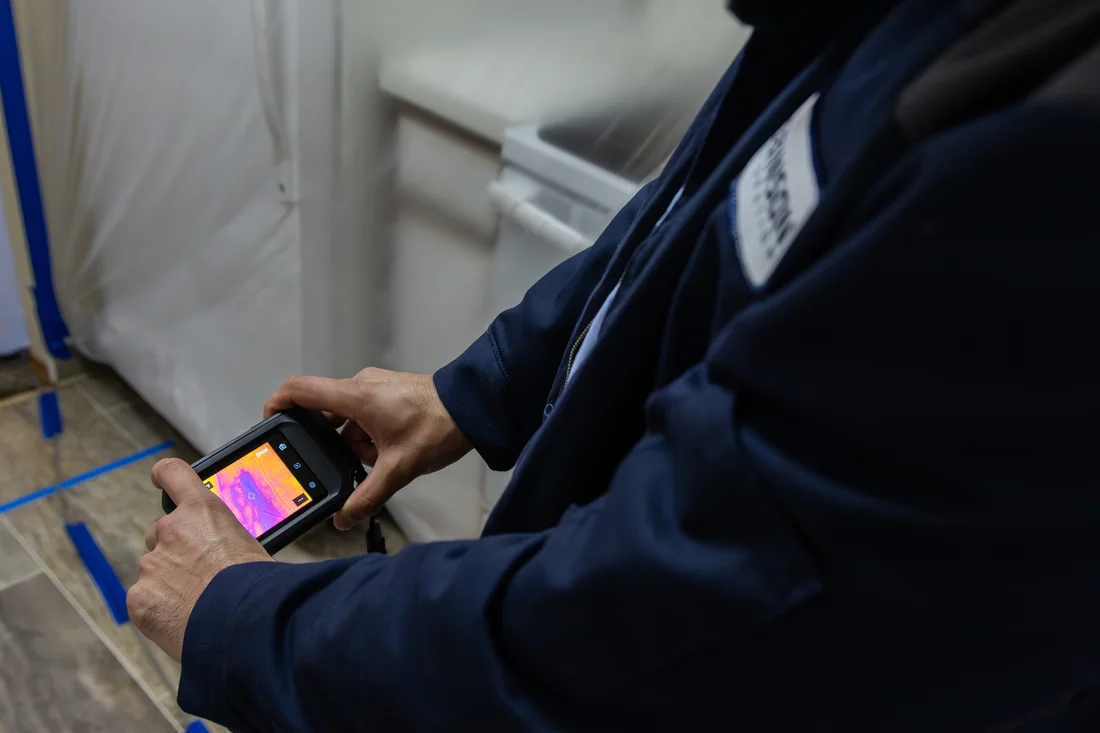
Dispatch runs 24 hours in Salem, and every call is triaged by someone who can send equipment, not take a message. Our technicians hold IICRC certification and follow S500 drying standards, with thermal imaging and penetrating meters mapping the wet edge before a single fan goes down. We bill most major carriers directly, so the paperwork moves without you chasing it. Rebuild scopes are managed through vetted licensed contractors and our sister companies.

From the historic core to the West Salem hills, our crews stage equipment for the whole city and reach you on-site in 90 minutes or less.
24 hours a day, 7 days a week, our crews dispatch the moment you call and start mitigation the same visit. Call dispatch or message us for immediate help.
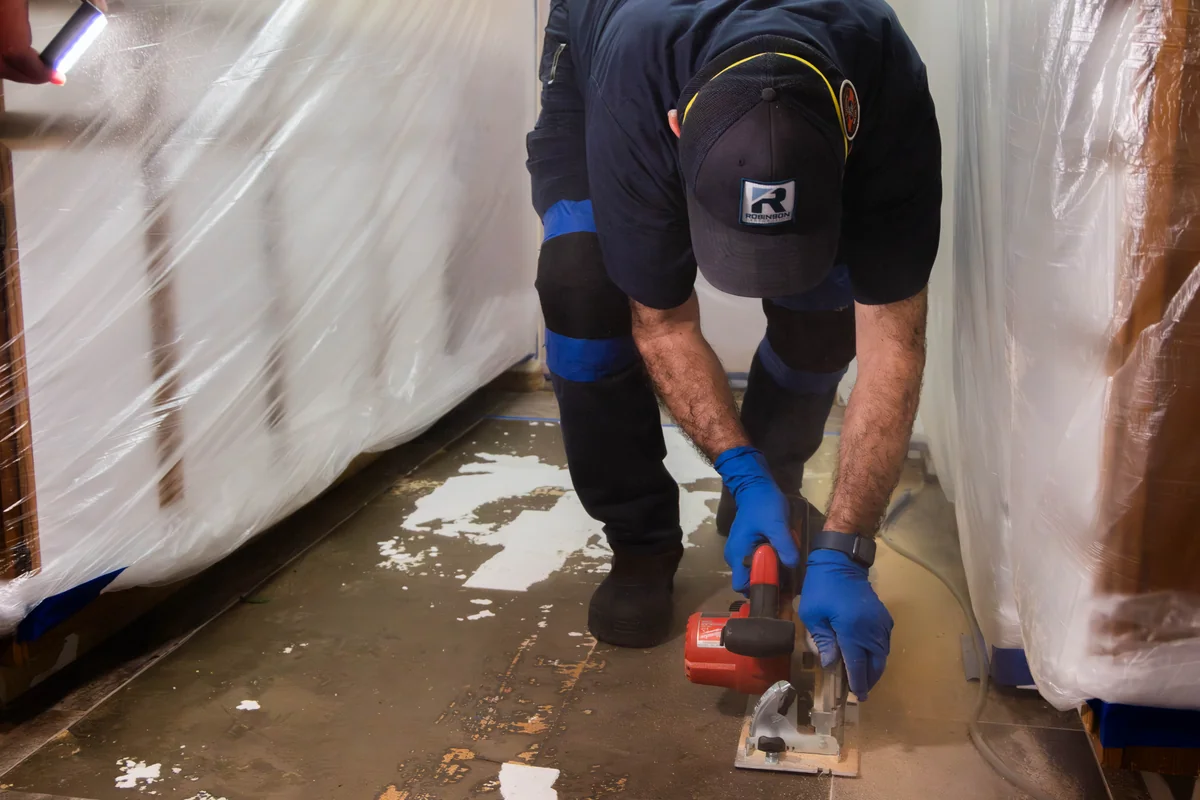
We stop further damage with commercial extraction, structural drying, and antimicrobial treatment, and we walk you through the entire insurance claim as we work.
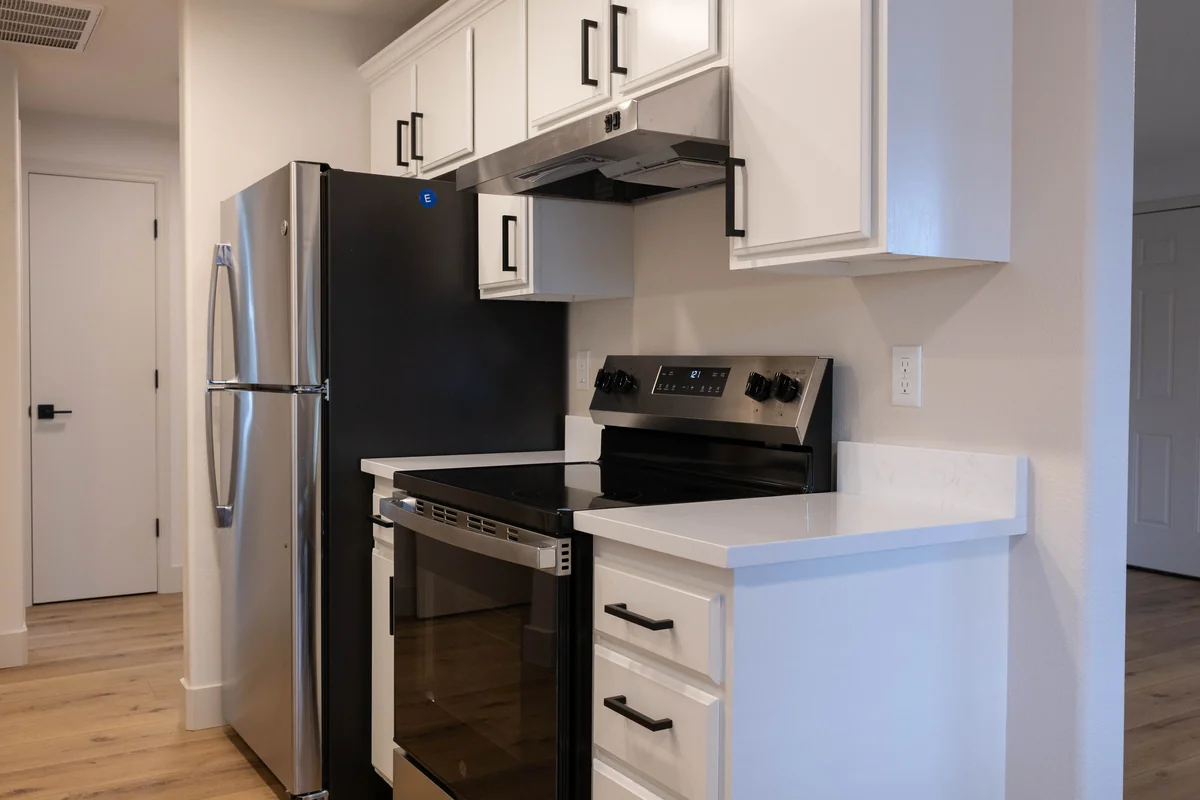
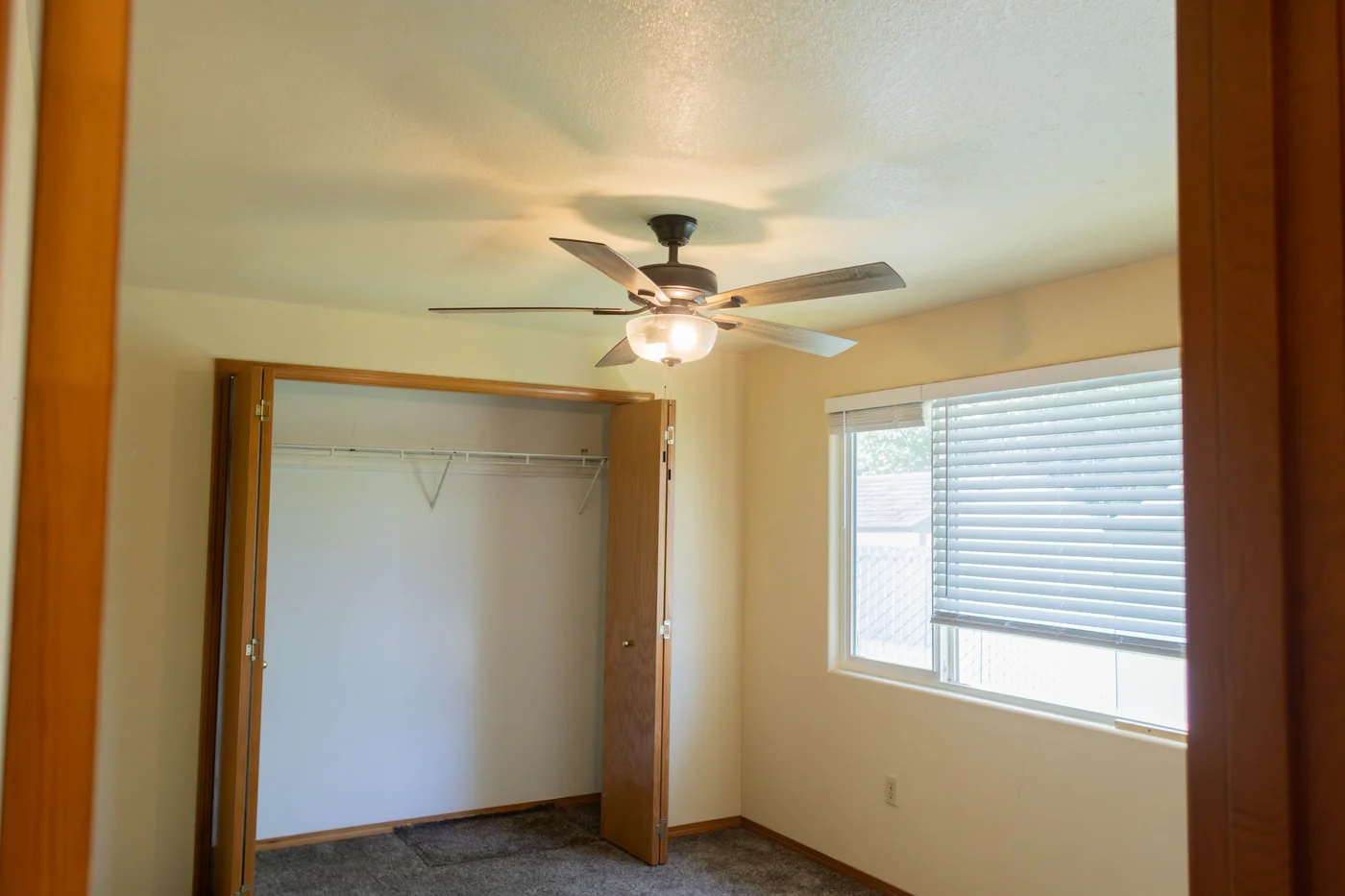
We manage your rebuild to pre-damaged condition through our trusted network of licensed contractors and sister companies. One manager, one timeline.
Homes around the Court-Chemeketa and Grant neighborhoods date to an era of cast iron waste lines and galvanized supply. Both fail from the inside out, so the first symptom is often a stain on a ceiling below rather than a visible drip. Lath and plaster then holds moisture far longer than drywall does. We open and dry these carefully, because the finish materials are worth saving.
Both creeks thread through built-up parts of Salem before reaching the Willamette, and both come up fast during a warm atmospheric river landing on snowpack. Properties along those corridors deal with backyard water first, then storm drains that surcharge and push back through floor drains and basement fixtures. That water is never clean. It gets treated as a category three loss from the moment we arrive.
Salem sits in the path of the freezing rain that rolls out of the Columbia Gorge and down the valley. When it hits, limbs come through roofs and power goes out for days. Unheated houses drop below freezing, pipes split at the coldest run, and the failure surfaces when the lights come back on. We keep generators and portable heat on the trucks for exactly that week.
Salem's economy leans on government, healthcare, and food processing, which means a lot of multi-tenant offices, clinics, and older warehouse space. A riser leak in a three-story building saturates units nobody reported yet. We work after hours to keep operations running, isolate affected suites, dry in place where we can, and produce the loss documentation that property managers and carriers both require.
Most of the losses we run in Salem start one of three ways: sewage backups, roof and storm leaks, and burst and leaking pipes. Here is why each one happens here, and what it takes to dry it properly.
Older neighborhoods still run clay and cast iron laterals that root intrusion cracks open. When Salem's mains surcharge in a hard winter storm, the backup comes up through the lowest fixture in the house.
Valley moss shortens roof life by years, holding water against shingle edges and flashing. Salem's long wet season means a small failure drips into insulation for weeks before it stains a ceiling.
Ice storms knock out power across Salem for days at a time. Houses cool below freezing, an exposed run splits, and the whole thing releases the moment heat and water pressure return together.
Water is how most losses start. It’s rarely where they end. The same local crew handles all of it.
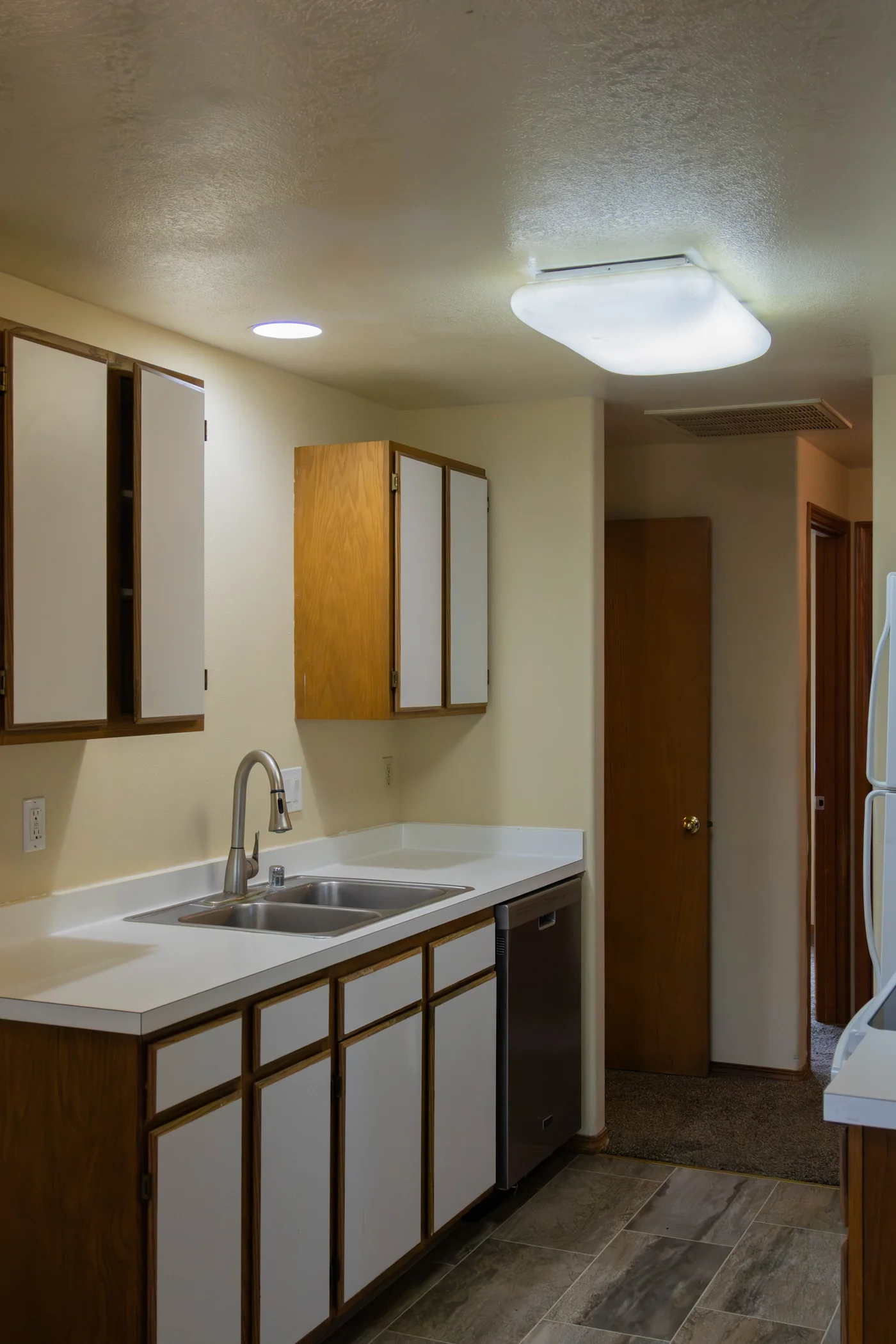
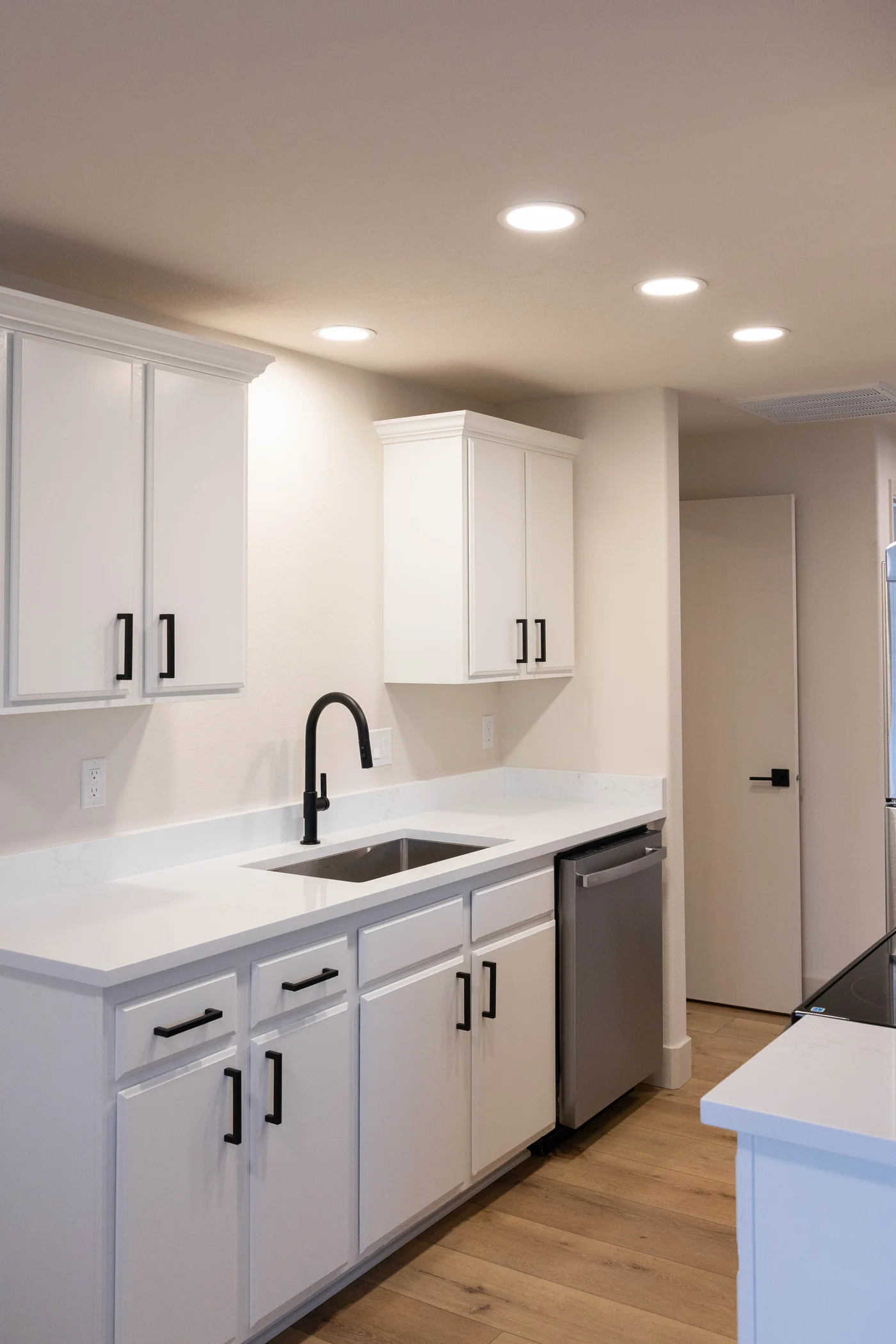
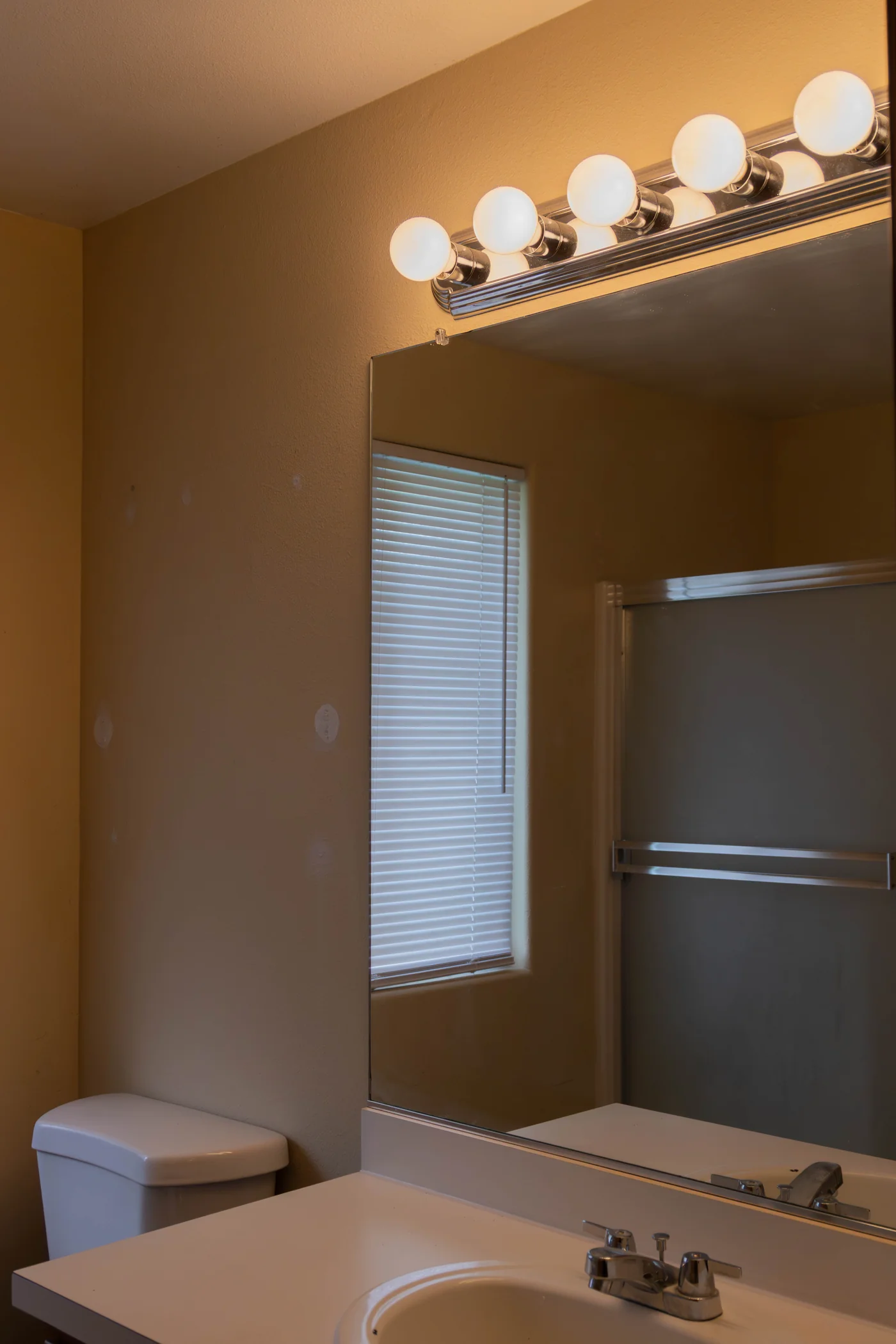
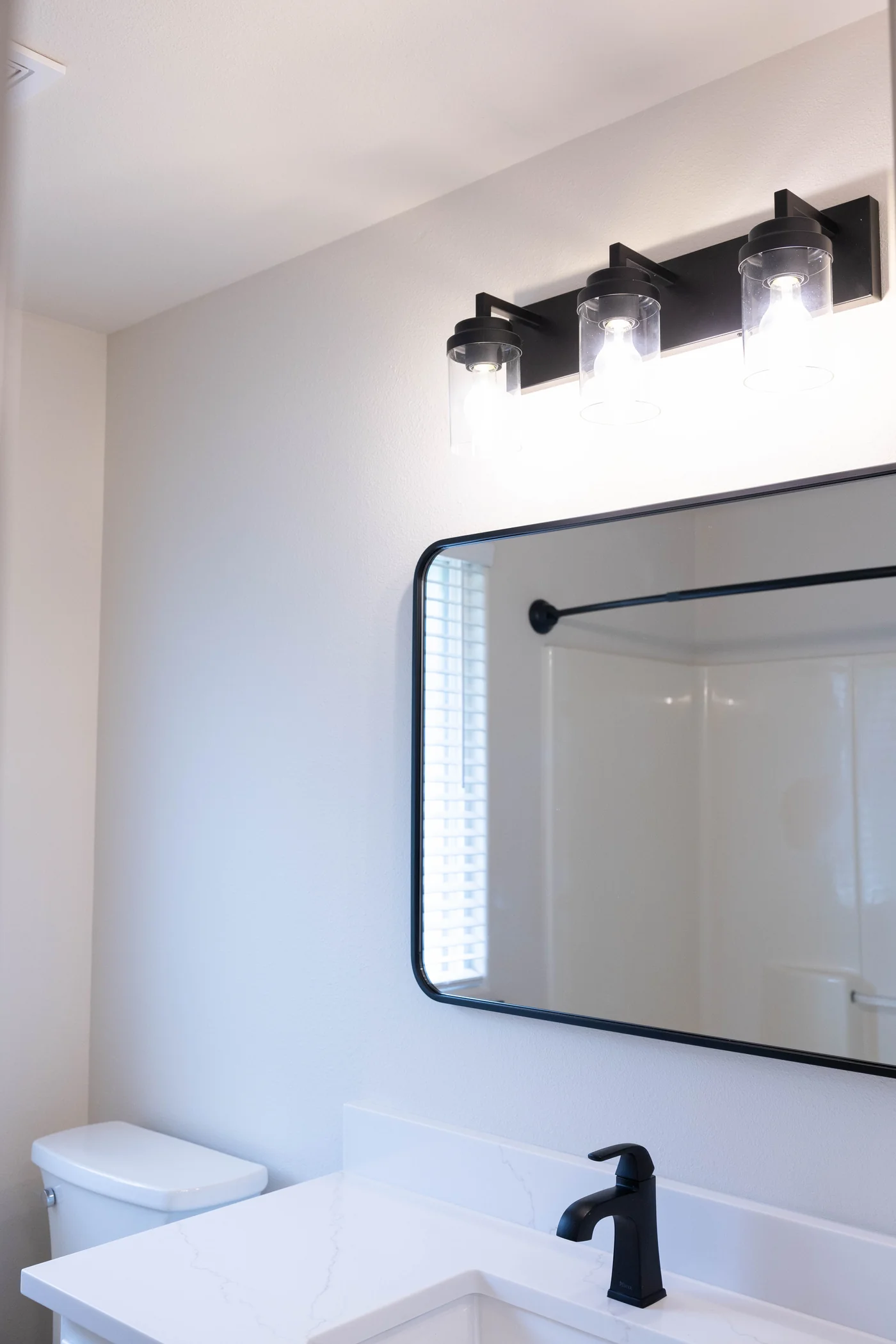
Three real projects, photo-documented for the insurance carrier and backed by our 5-year workmanship warranty. Drag each handle to compare.
“Just started a project with Cole and Chuck at Robinson Restoration and had to write a review straight away. These guys have been fantastic. We were away on a week long trip when we had a kitchen leak that destroyed our flooring and subfloor.”
Justin O'Neill · Google Review
“I want to express our sincere gratitude to the Robinson team that quickly moved to identify, rectify, repair, and then clean up the mess left by an itty-bitty hot water leak that went unnoticed because of its location.”
Michael Quinn · Google Review
“Kyla and Jake were super friendly and knowledgeable. Jake was at my house 90 minutes after I called and did a free inspection. I won't need their services this time, but I will definitely call them if I ever have to deal with water damage.”
Carmen Otten · Google Review
In Oregon, you choose your restoration contractor, and your carrier can’t penalize you for it. We document every Salem loss with moisture maps, photos, and daily readings, then bill your insurer directly. You pay your deductible. That’s it.
Subject to policy coverage and deductible. We handle the paperwork, photos, and adjuster calls.
Salem sits inside the Willamette Valley territory our crews run every day, and dispatch is staffed around the clock. When you call, a truck comes out with extraction units, air movers, and dehumidifiers ready to go, and the team starts on standing water first. Valley rain keeps humidity high through winter, which slows drying without the right equipment. We bill your insurance carrier directly.
Coverage turns on the source. If a supply line or a water heater failed inside the house, most policies treat it as sudden and accidental discharge and pay. Water that came up out of a creek or back through a surcharged storm drain is surface water, and standard homeowners policies exclude it. Sewer backup is its own endorsement that many Salem homeowners carry without realizing. We identify the source in writing on day one.
Shut the water off at the main and kill power to the affected area at the breaker if you can reach it safely. Move what you can lift out of the water, especially anything on a wood floor. Photograph everything before you move it. Then call us. Salem crews run 24 hours, and we would rather arrive to a room you have already photographed than guess at what was there.
Not if the readings say we can save it. Lath and plaster dries slower than drywall, so it needs longer cycles and more dehumidification, and we plan for that. We use injection drying, cavity ports, and targeted airflow to pull moisture out from behind the finish where possible. Demolition is a last resort in older Salem homes, because replacing original plaster and trim costs far more than the extra drying days.
West Salem sits on the Eola Hills side of the Willamette, so its problem is moving water rather than standing water. Rain sheets downhill, finds the low side of a daylight basement or a garage slab, and comes in at the wall-floor joint. On the valley floor the issue is the opposite: saturated ground and a rising water table pushing up. The drying approach differs accordingly.
Both. A good share of our Salem work is offices, clinics, retail, restaurants, and multi-family property. Commercial losses need containment that keeps the rest of the building open, night and weekend scheduling, and documentation detailed enough for a property manager, a tenant, and a carrier to all work from the same file. We scope it that way from the first walkthrough instead of retrofitting paperwork later.
No. On a covered claim we bill your insurance carrier directly and you are responsible for the deductible. We provide a written scope and moisture documentation that adjusters recognize, which keeps approvals moving instead of stalling on missing evidence. For losses you decide not to file, we quote the work up front so there are no surprises. Either path starts the same way in Salem: we get there and stop the damage.
Water spreads while you read this. One call puts a Salem crew on the way tonight.
Licensed · Insured · IICRC Certified · Serving Washington & Oregon