Robinson Restoration is an IICRC-certified water damage restoration company serving Keizer, OR. Crews dispatch 24 hours a day, arrive on-site in 90 minutes or less, document the readings and photos your carrier needs, and bill your insurance directly on covered claims.
Keizer sits on flat river terrace ground along the Willamette, where winter groundwater climbs higher than most homeowners expect. A failed supply line or a soaked crawl space turns serious in a hurry here. Our certified crews answer around the clock and start pulling moisture out the same day.
Most of the housing here went up between the 1960s and the 1990s: single-level ranches on slab or shallow crawl space, plus a good number of manufactured home parks. That vintage brings its own problems. Polybutylene and early CPVC supply lines, original angle stops, and washer hoses nobody has touched in twenty years. Add a valley winter that can drop rain for six straight weeks and a water table that rises with the river, and crawl spaces stay wet long after the leak is fixed.
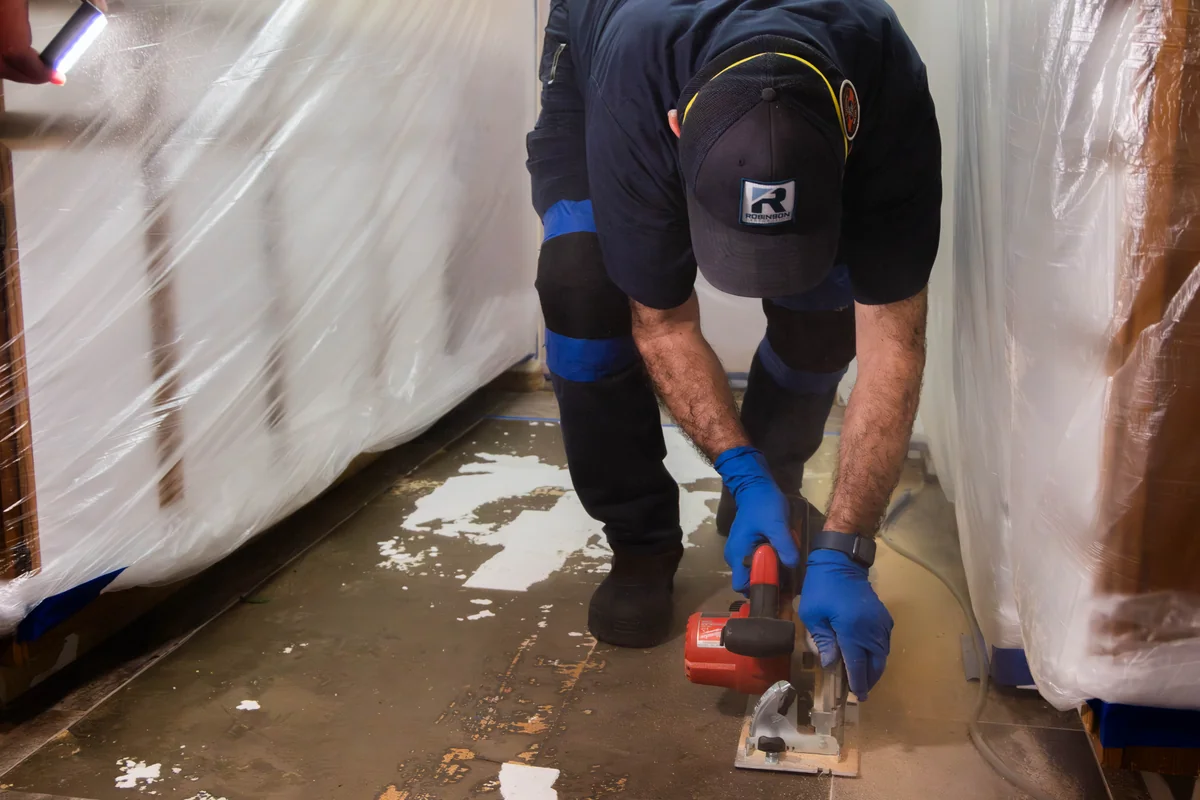
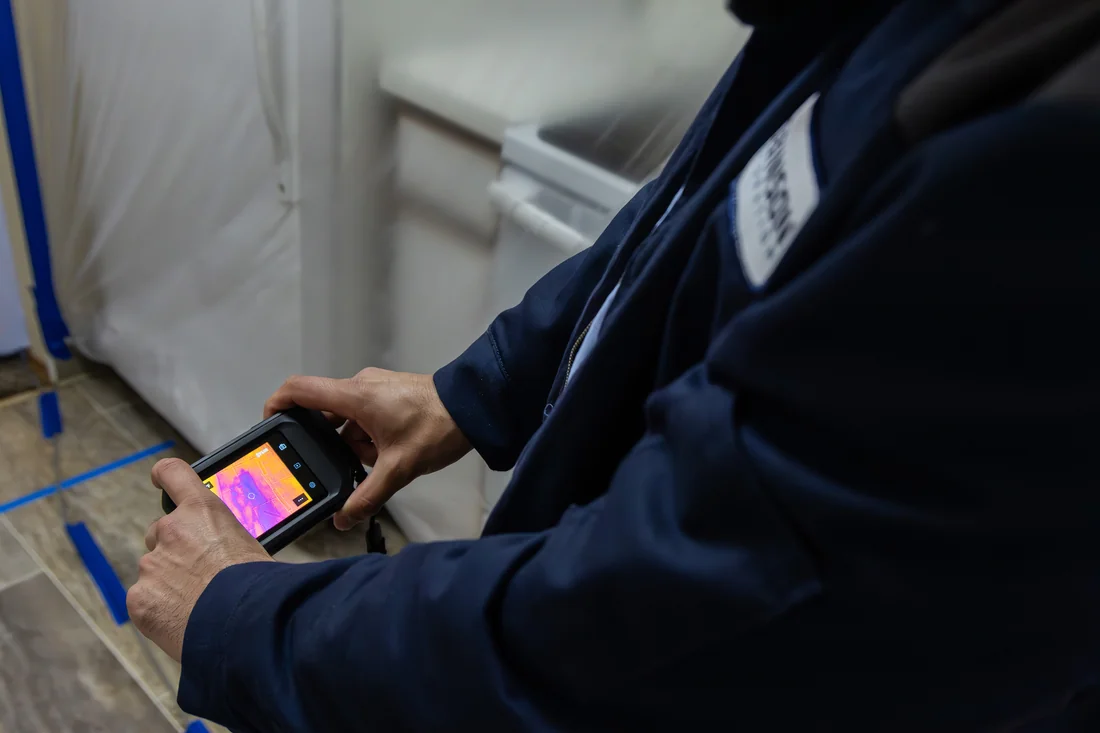
Our Willamette Valley crews cover Keizer 24/7, and we work to IICRC S500 standards from the first moisture reading forward. Every job gets photographed, mapped, and logged: affected materials, moisture content, equipment placement, daily drying progress. That file goes straight to your adjuster, because we bill most carriers directly and you cover the deductible. When a loss turns into rebuild work, we manage that scope through vetted licensed contractors and our sister companies.

Keizer calls get a live dispatcher at any hour, and a certified crew rolls with extraction gear already loaded, on-site in 90 minutes or less.
24 hours a day, 7 days a week, our crews dispatch the moment you call and start mitigation the same visit. Call dispatch or message us for immediate help.
We stop further damage with commercial extraction, structural drying, and antimicrobial treatment, and we walk you through the entire insurance claim as we work.
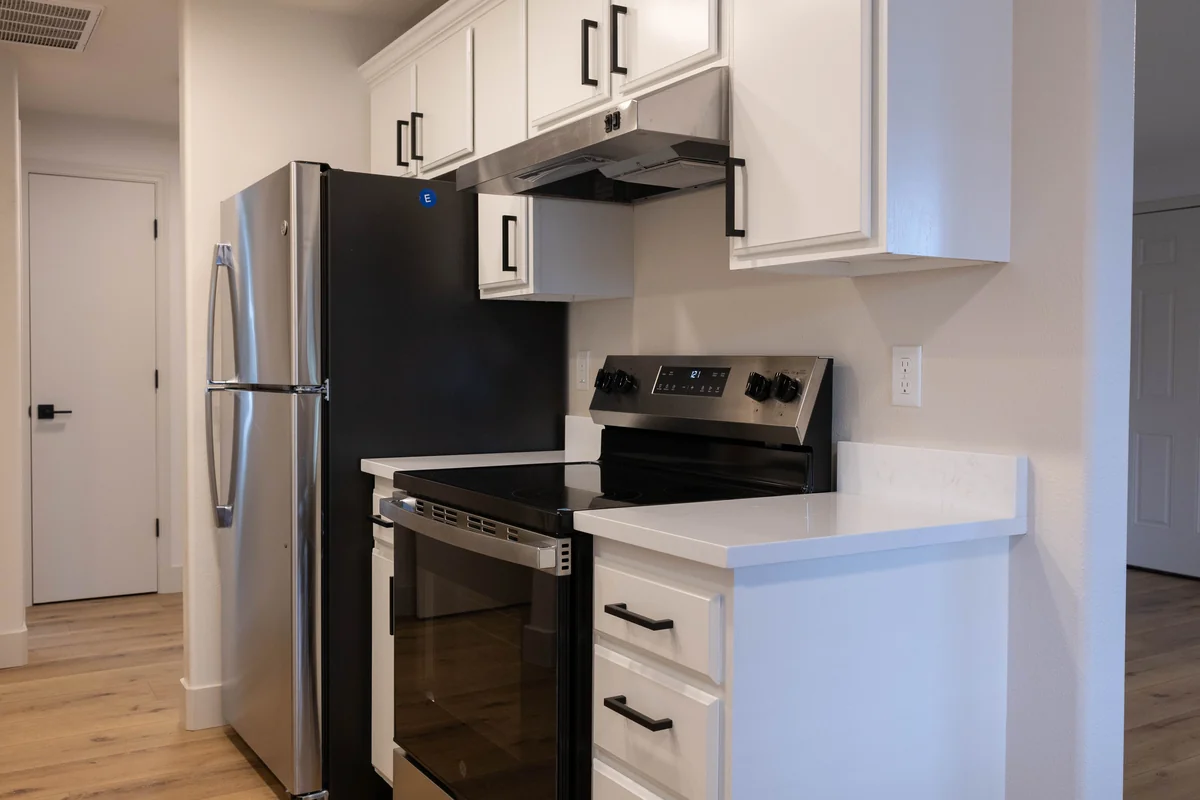
We manage your rebuild to pre-damaged condition through our trusted network of licensed contractors and sister companies. One manager, one timeline.
A lot of Keizer's ranch homes still run their original plumbing behind the drywall. Galvanized branch lines corrode from the inside, polybutylene gets brittle at the fittings, and braided washer hoses fail without warning. Because these houses sit low and flat, water spreads sideways across the whole floor plan instead of finding a drain. We chase it under cabinets and into wall cavities before it settles into subfloor.
The Willamette runs along Keizer's western edge, and the flat bench above it holds a shallow winter water table. Homes near the river bottom deal with hydrostatic pressure through crawl space vapor barriers and slab cold joints long before any surface water shows up. Sump pumps that idle all summer often fail the first week they're needed. We check pump function and vapor barrier condition before we set equipment.
Marion County winters run mild enough that people stop thinking about pipes, then a cold front parks over the valley for four or five days. Hose bibs left connected, uninsulated crawl space runs, and garage-wall plumbing are the usual casualties. The break rarely shows while it's frozen. It shows the afternoon everything thaws and nobody is home. Keizer sees a run of these calls most winters.
Keizer has a sizable share of manufactured and park-model housing, and water behaves differently in those structures. Belly wrap traps it under the floor where nothing evaporates, marriage lines wick, and vinyl-on-gypsum wall panels delaminate quietly. Standard fans pointed at the room accomplish almost nothing. We open and drain the belly, dry the cavity directly, and document it so the park and your carrier both see the same evidence.
Most of the losses we run in Keizer start one of three ways: appliance failures, frozen and split pipes, and flooding and groundwater. Here is why each one happens here, and what it takes to dry it properly.
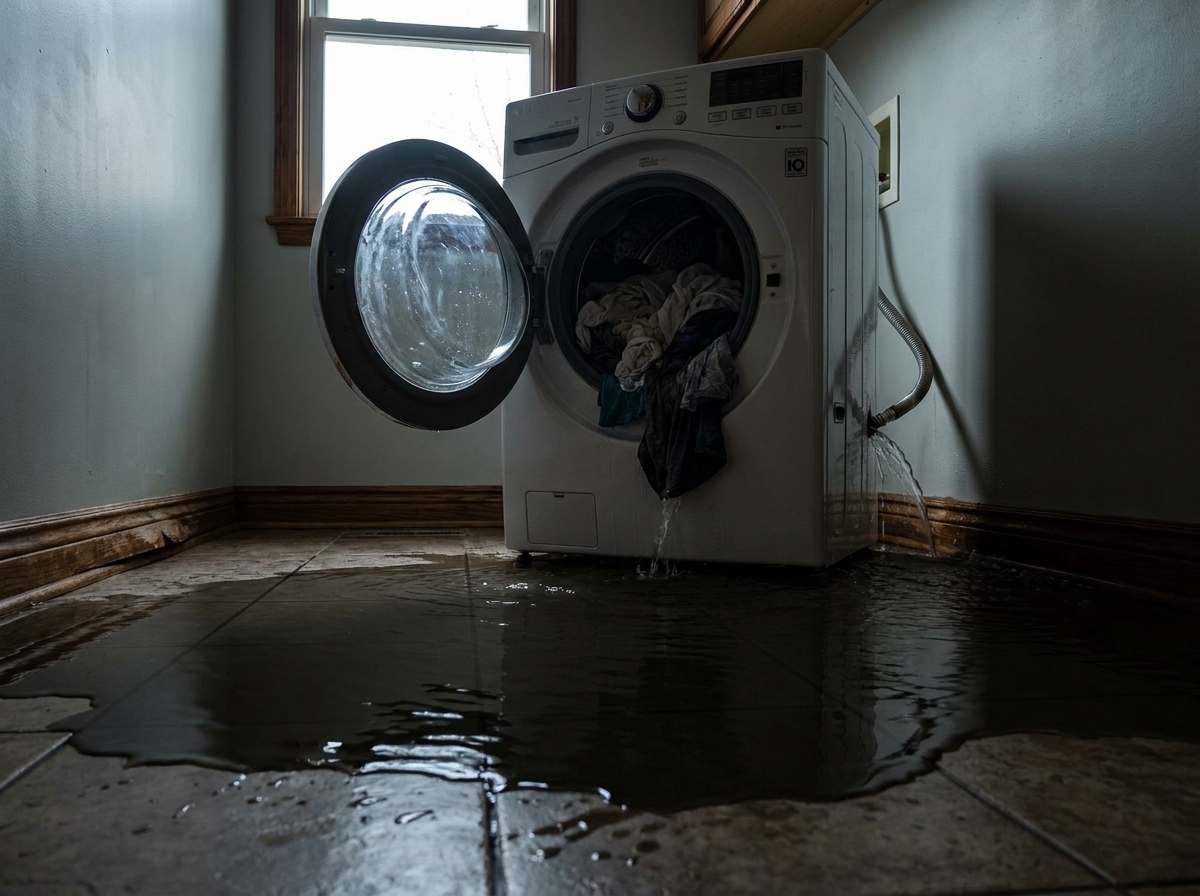
Ranch-era kitchens and laundry rooms in Keizer often still run the original supply hoses and icemaker lines. On a single-level slab plan, one failure floods the whole floor before anyone notices.
Mild valley winters leave crawl space runs and garage plumbing uninsulated, so a four-day cold snap does the damage and the thaw reveals it, usually while the house sits empty.
Flat river-terrace ground and a high winter table mean storm runoff has nowhere to go. Yard water backs toward foundations and pushes into crawl spaces through vents and vapor barrier seams.
Water is how most losses start. It’s rarely where they end. The same local crew handles all of it.
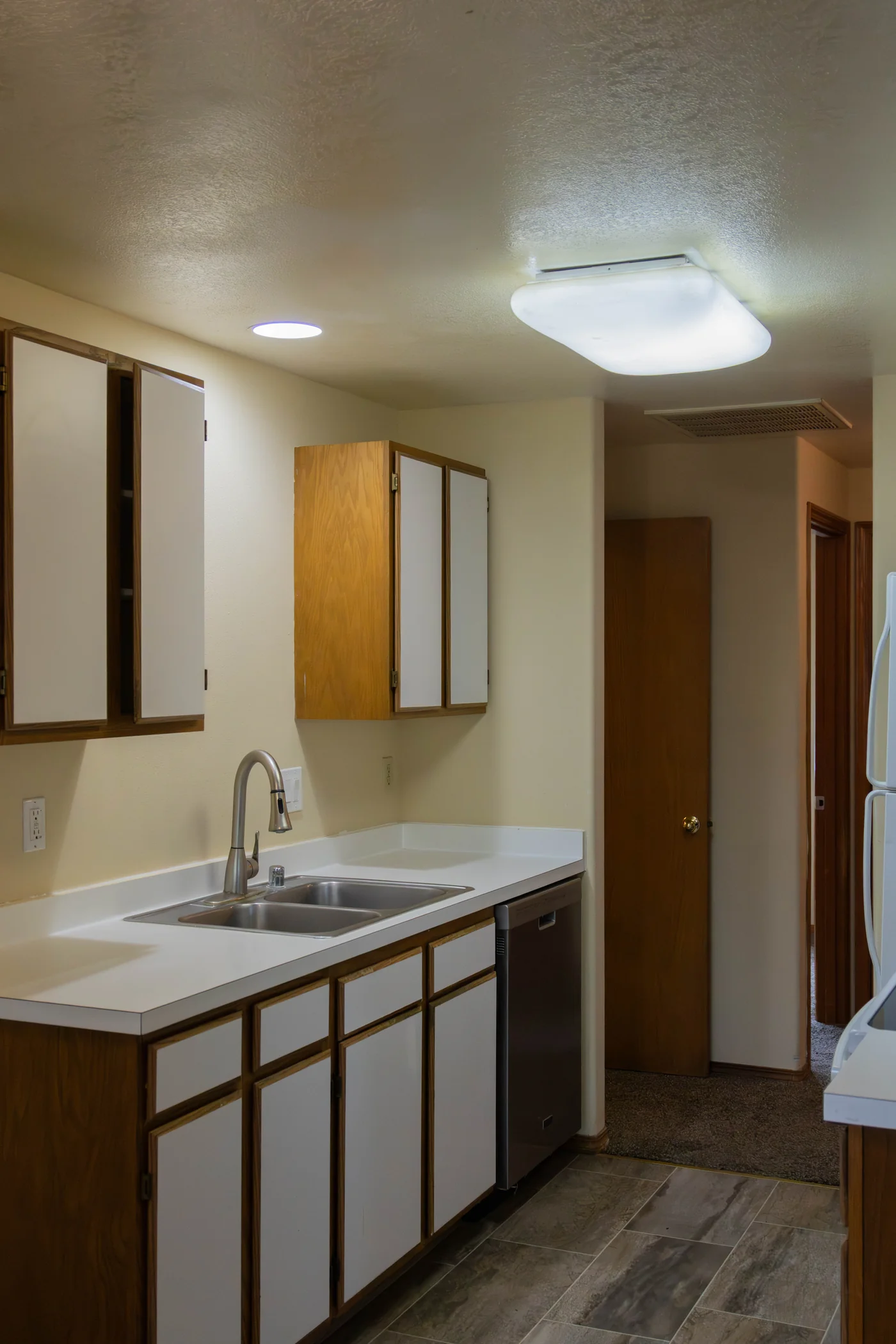
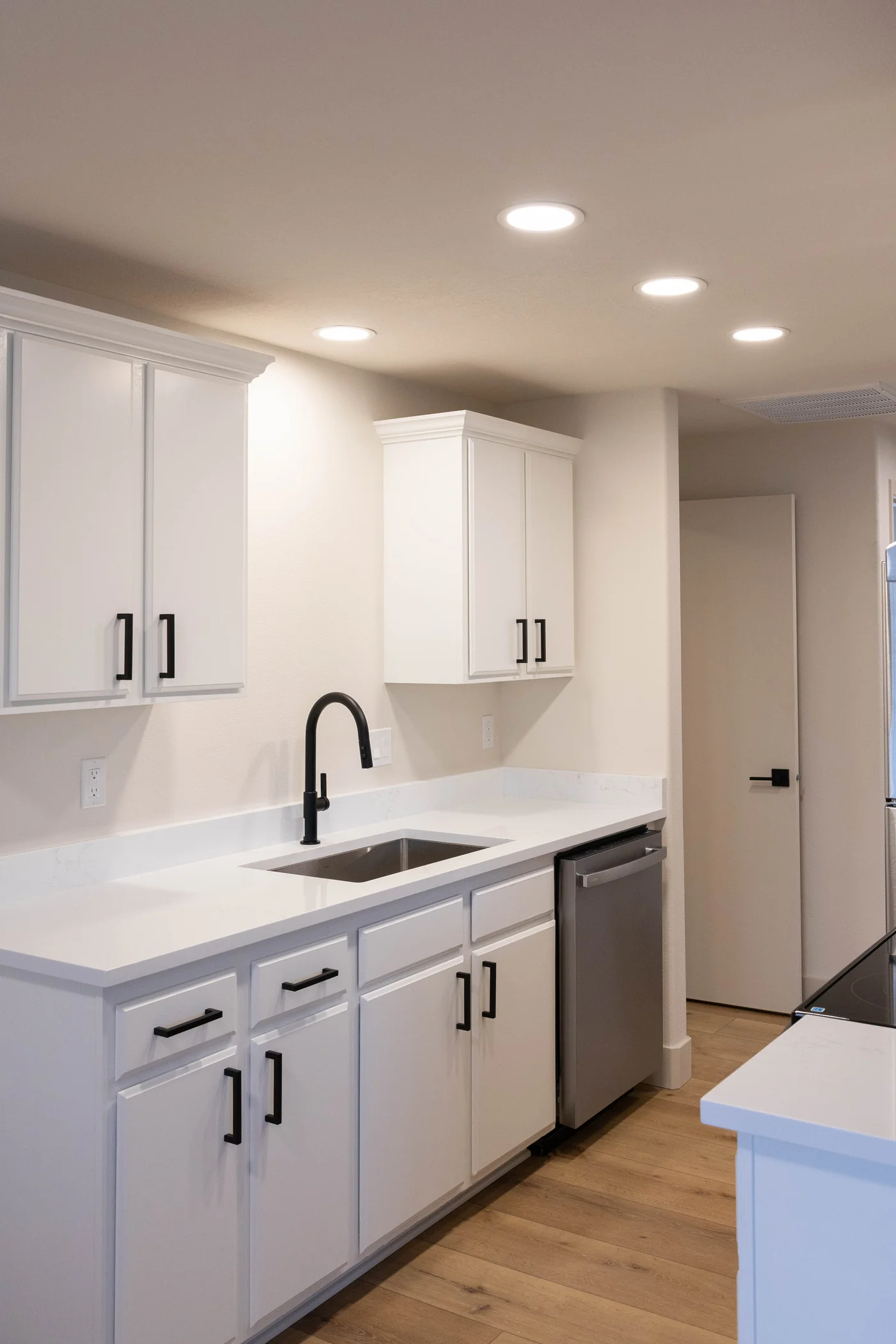
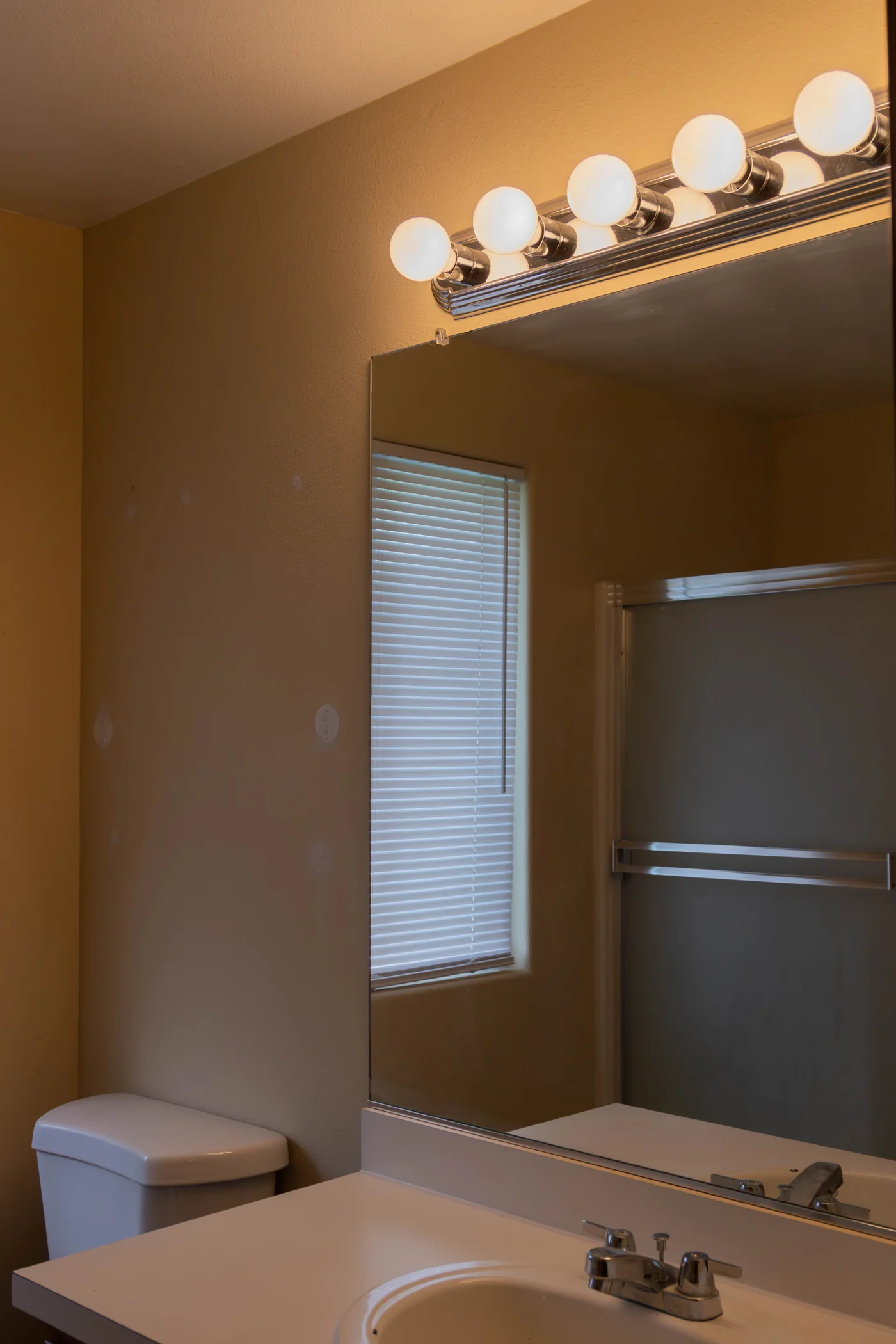
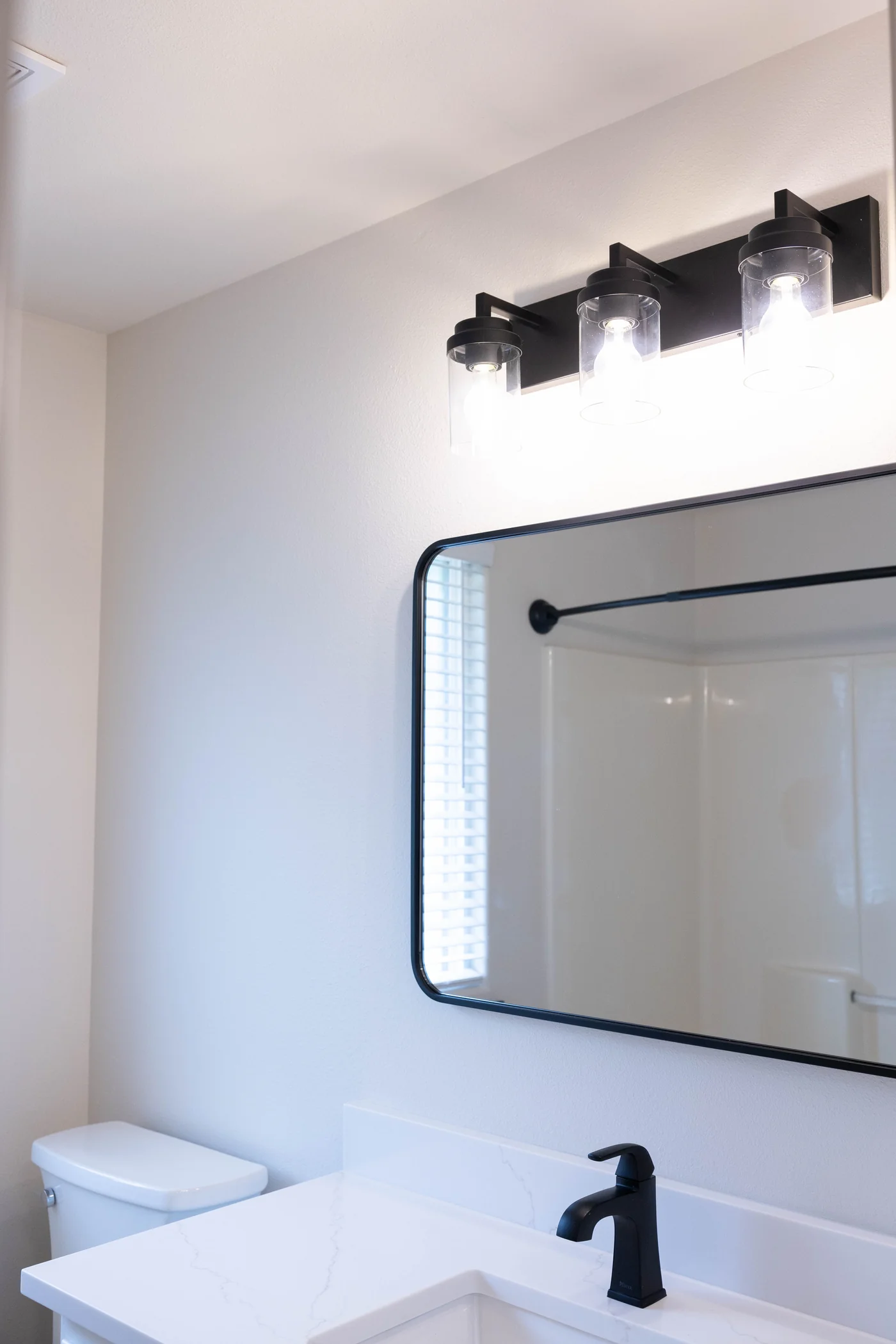
Three real projects, photo-documented for the insurance carrier. Drag each handle to compare.
“One of the pipes in the shower burst and water damage got all over the roof in the kitchen. As new home owners we were very scared and panicked. We contacted Kelly Farmer from Robinson Restoration and believe me when I say I felt like more than half of my problem was solved.”
Nav Basra · Google Review
“Just started a project with Cole and Chuck at Robinson Restoration and had to write a review straight away. These guys have been fantastic. We were away on a week long trip when we had a kitchen leak that destroyed our flooring and subfloor.”
Justin O'Neill · Google Review
“I want to express our sincere gratitude to the Robinson team that quickly moved to identify, rectify, repair, and then clean up the mess left by an itty-bitty hot water leak that went unnoticed because of its location.”
Michael Quinn · Google Review
In Oregon, you choose your restoration contractor, and your carrier can’t penalize you for it. We document every Keizer loss with moisture maps, photos, and daily readings, then bill your insurer directly. You pay your deductible. That’s it.
Subject to policy coverage and deductible. We handle the paperwork, photos, and adjuster calls.
Robinson has technicians assigned to this stretch of the mid-Willamette Valley, which means Keizer calls get a local response instead of a long wait. Dispatch picks up 24 hours a day. The crew arrives with truck-mounted extraction, air movers, and dehumidifiers, and they'll set containment where it's needed. We bill your insurer directly, so most homeowners only handle the deductible.
Because the ground under Keizer is river-deposited and the winter water table sits high. Once the soil saturates, moisture moves up through the crawl space floor as vapor, and a torn or short vapor barrier lets it into the framing. You get musty air, cupped hardwood, and mold on joists with no plumbing failure anywhere. We meter the wood, find the source, and dry the cavity properly rather than just running fans upstairs.
It depends on where the water came from. A burst supply line, a failed water heater, or an overflowing appliance is usually covered as sudden and accidental discharge. Groundwater seeping in from saturated soil generally is not, and that is what a separate flood policy exists for. We document the source carefully on arrival, because that single determination decides the claim. Your adjuster gets our moisture maps and photos either way.
Our line is answered by a person 24 hours a day, holidays included, and a certified crew is dispatched on-site in 90 minutes or less. Night calls matter more than most people realize, because water keeps migrating long after everyone in the house has gone to bed. Six hours of unchecked spread is the difference between drying your flooring in place and tearing it out. Call as soon as you find it.
Yes, and it takes a different method than a stick-built house. Water collects in the belly wrap under the floor, where room air never reaches it. We open the belly, release the trapped water, and dry the cavity directly with targeted airflow instead of hoping ambient fans do the job. Park management and your carrier both get the documentation when the loss touches shared plumbing or a neighboring unit.
Three days is typical for a clean-water loss caught early. Five to seven is common in Keizer when the water reached a crawl space or got under laminate, because the valley's humid winter air slows evaporation and we have to dehumidify aggressively. We take daily moisture readings and pull equipment when the materials hit dry standard, never on a fixed schedule. You see the numbers every visit.
We handle mitigation and restoration ourselves: extraction, structural drying, antimicrobial treatment, controlled demolition, and the documentation your carrier needs. When the job goes beyond that into drywall, cabinetry, flooring, or a full rebuild, we manage that scope for you through vetted licensed contractors and our sister companies. You stay with one point of contact in Keizer instead of chasing three separate trades and three separate invoices.
Standing water in a Keizer home only gets more expensive by the hour. Call now and we'll dispatch.
Licensed · Insured · IICRC Certified · Serving Washington & Oregon