Robinson Restoration is an IICRC-certified water damage restoration company serving Seahurst, WA. Crews dispatch 24 hours a day, arrive on-site in 90 minutes or less, document the readings and photos your carrier needs, and bill your insurance directly on covered claims.
Bluff lots above Puget Sound drain toward the water, and so does everything that leaks inside them. A wet spot on a Seahurst lower level usually started somewhere higher up. Our dispatch line is answered around the clock, and a certified crew can be on-site in 90 minutes with extraction gear ready.
Much of this neighborhood was built in the post-war decades, ranches and split-levels stepped down a hillside that falls hard toward the beach. Original galvanized supply and cast iron waste are still in service in plenty of them. Marine air keeps everything damp, west-facing walls take wind-driven rain straight off the water, and the slope means groundwater from uphill runs under and against foundations all winter.
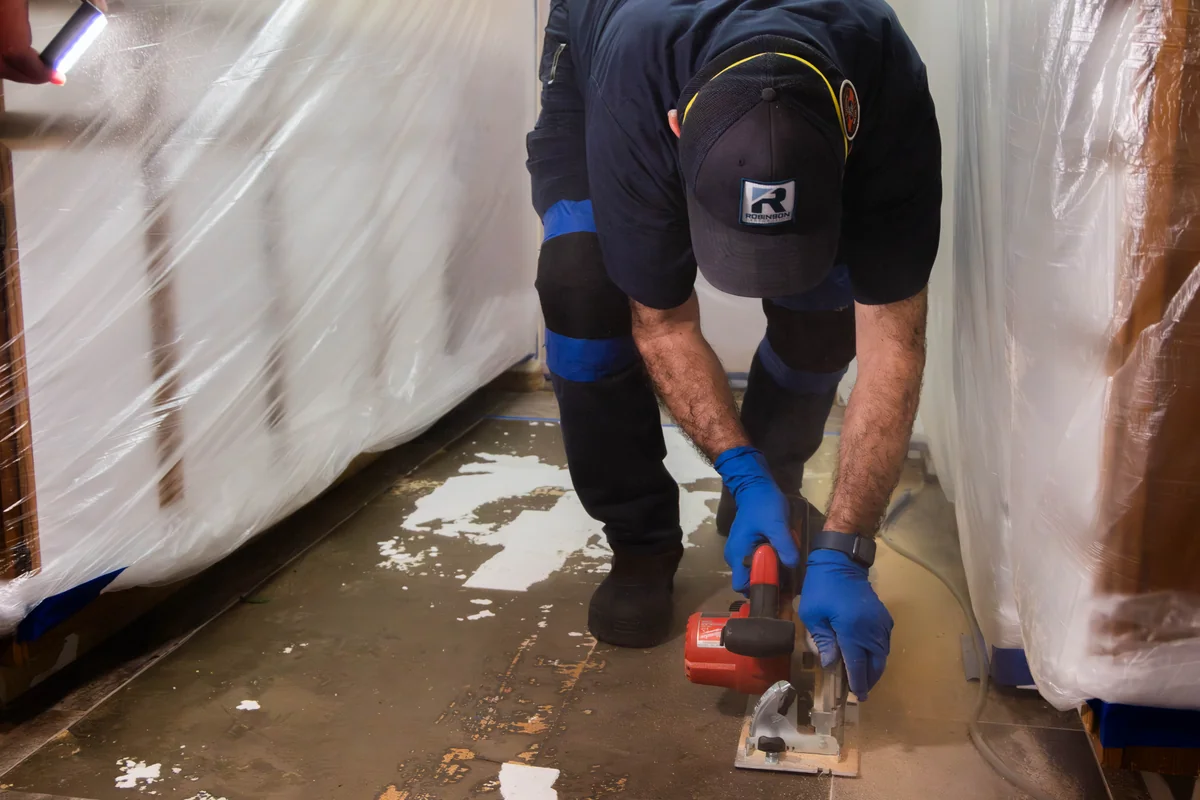
Dispatch is staffed 24/7 and our Kent crews run the south King County shoreline daily, so equipment shows up loaded rather than ordered. Work follows IICRC S500: the affected area is mapped with meters before demo, readings are logged every day, and each wet assembly is photographed for the file. We bill your carrier directly. When a Seahurst job needs rebuild work, we manage it through vetted licensed contractors and our sister companies.

Storm nights bring a run of Seahurst calls at once, and we staff for that so nobody sits in standing water until business hours.
24 hours a day, 7 days a week, our crews dispatch the moment you call and start mitigation the same visit. Call dispatch or message us for immediate help.
We stop further damage with commercial extraction, structural drying, and antimicrobial treatment, and we walk you through the entire insurance claim as we work.
We manage your rebuild to pre-damaged condition through our trusted network of licensed contractors and sister companies. One manager, one timeline.
Everything here tilts toward the Sound, so uphill runoff has to pass your lot on the way down. Through the wet season that water moves through the soil as much as over it, pressing against foundation walls on the uphill side. Older footing drains clog with silt and fine roots, and once they do, the lower level takes the water the drain used to carry.
Houses from the forties and fifties around Seahurst often still run original galvanized supply. It corrodes from the inside until the wall of the pipe gives out, usually at a threaded joint buried in a wall or under a slab-on-grade addition. The first symptom is often low pressure at one fixture, which is worth a call before it becomes a flood.
West-facing walls here catch weather straight off Puget Sound with nothing to slow it down. Rain driven sideways gets past aging siding, window flashing, and deck ledger boards, then travels inside the wall cavity. Damage shows up as a stain below a window or a soft spot at the base of a wall, months after the water first got in.
Vented crawlspaces close to saltwater sit in humid air ten months a year, so nothing dries down there on its own. Add a slow drip from a drain line and the vapor barrier turns into a shallow pond that feeds the joists above it. We treat crawlspace drying as its own scope, with containment and dehumidification instead of a fan pointed at a vent.
Most of the losses we run in Seahurst start one of three ways: water heater failures, roof and storm leaks, and flooding and groundwater. Here is why each one happens here, and what it takes to dry it properly.
Mid-century homes here put the water heater in the garage or a lower level utility room, often on bare concrete with no pan. A rusted tank lets go all at once and takes the adjoining finished space with it.
Moss thrives in this marine climate and packs the north slopes of low-pitch post-war roofs. Water works under the shingles, follows the sheathing downhill, and lands in a ceiling far from where it entered.
When street storm lines and older curb inlets can't keep up with a heavy fall downpour, runoff moves downhill fast and finds any daylight basement door or below-grade window well in its path.
Water is how most losses start. It’s rarely where they end. The same local crew handles all of it.
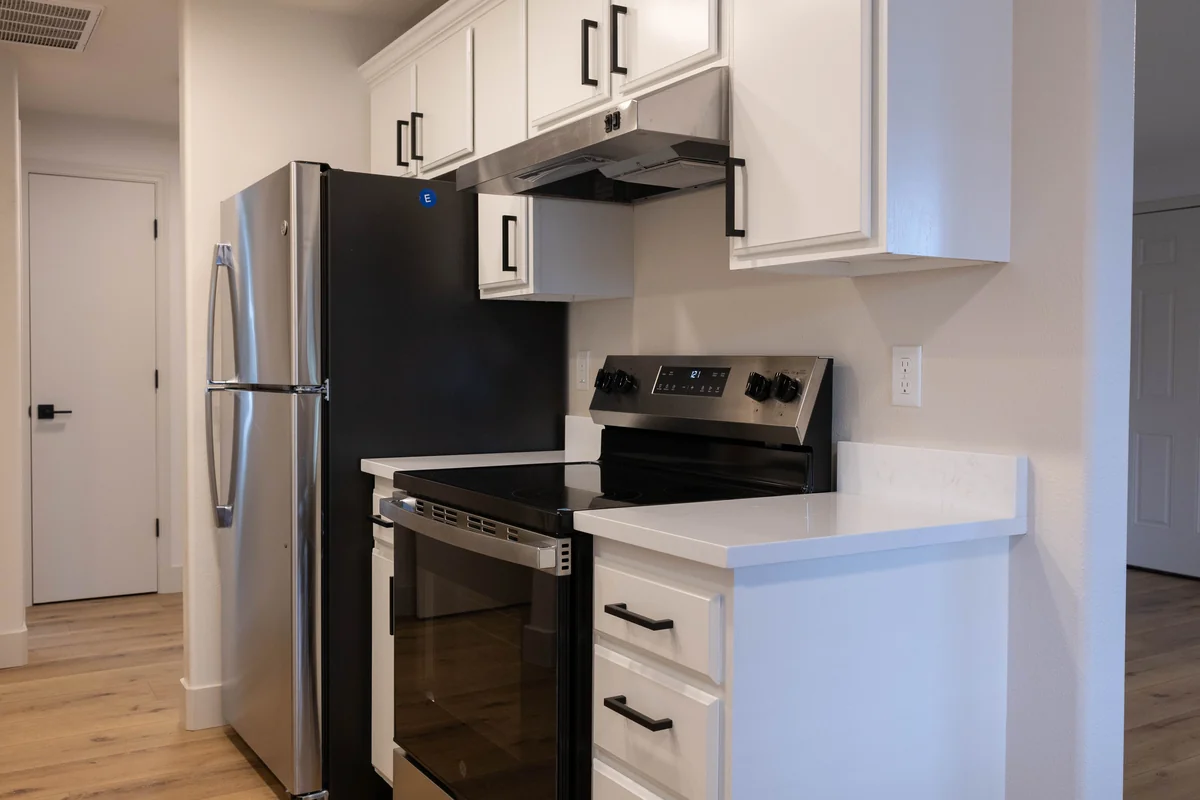
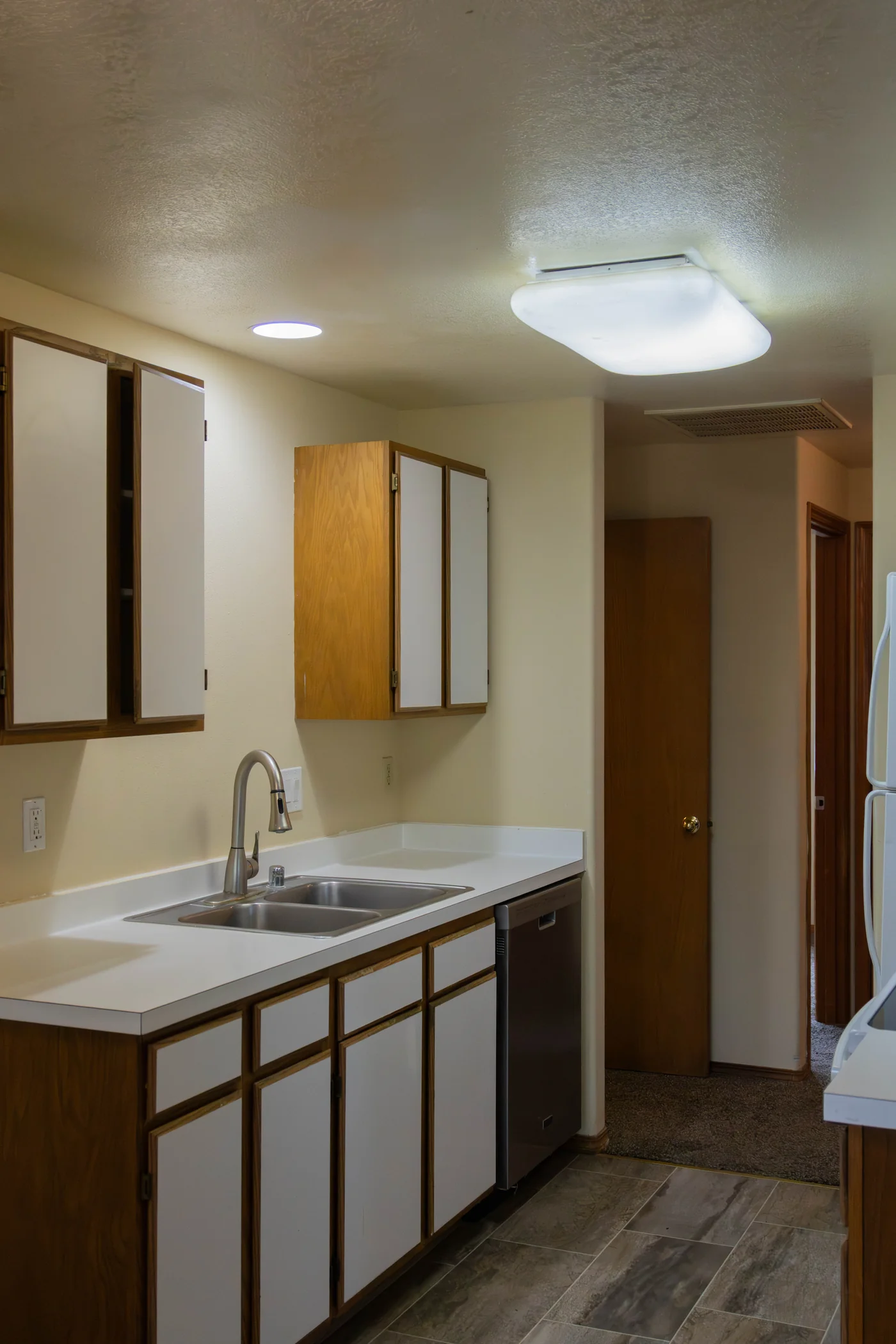
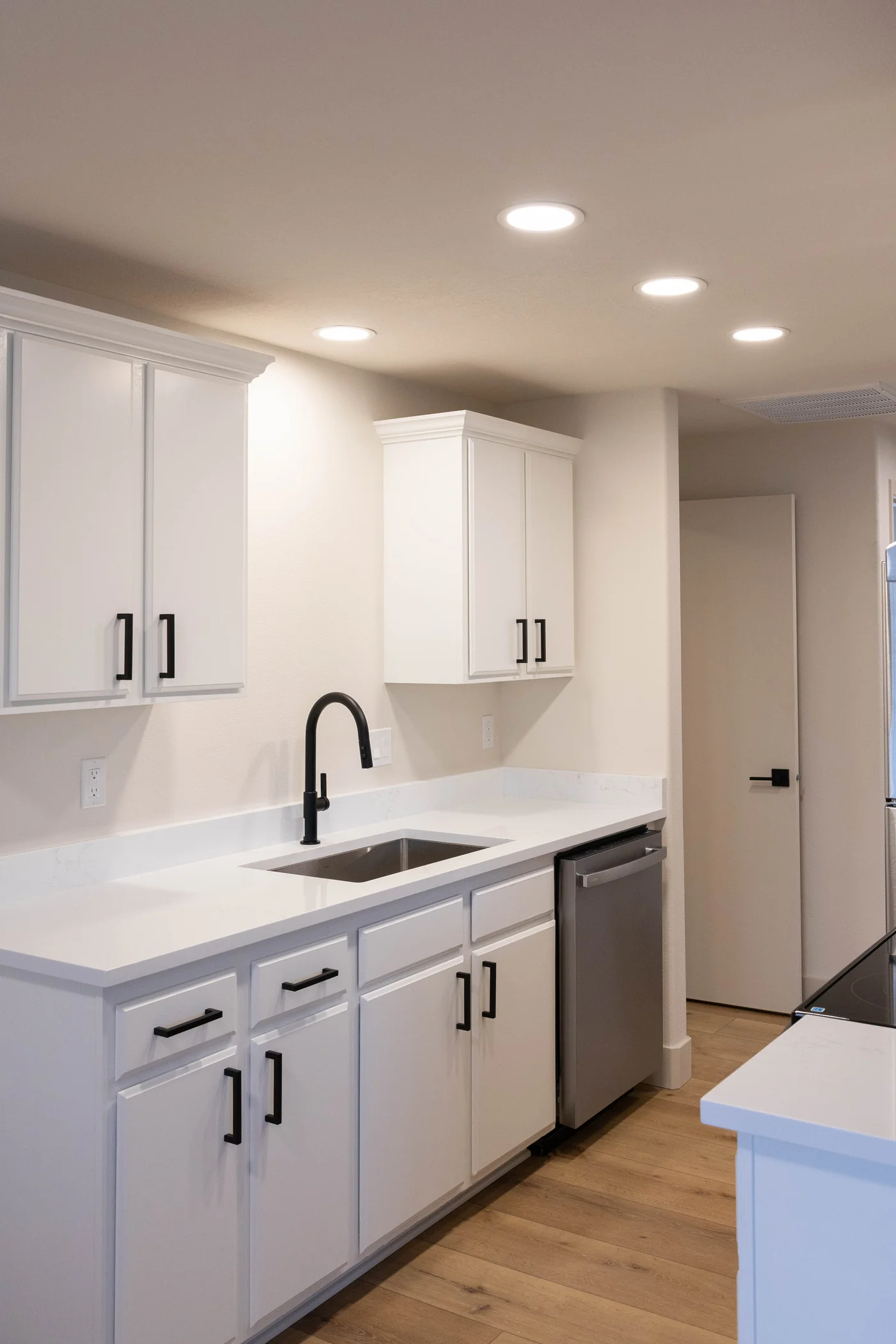
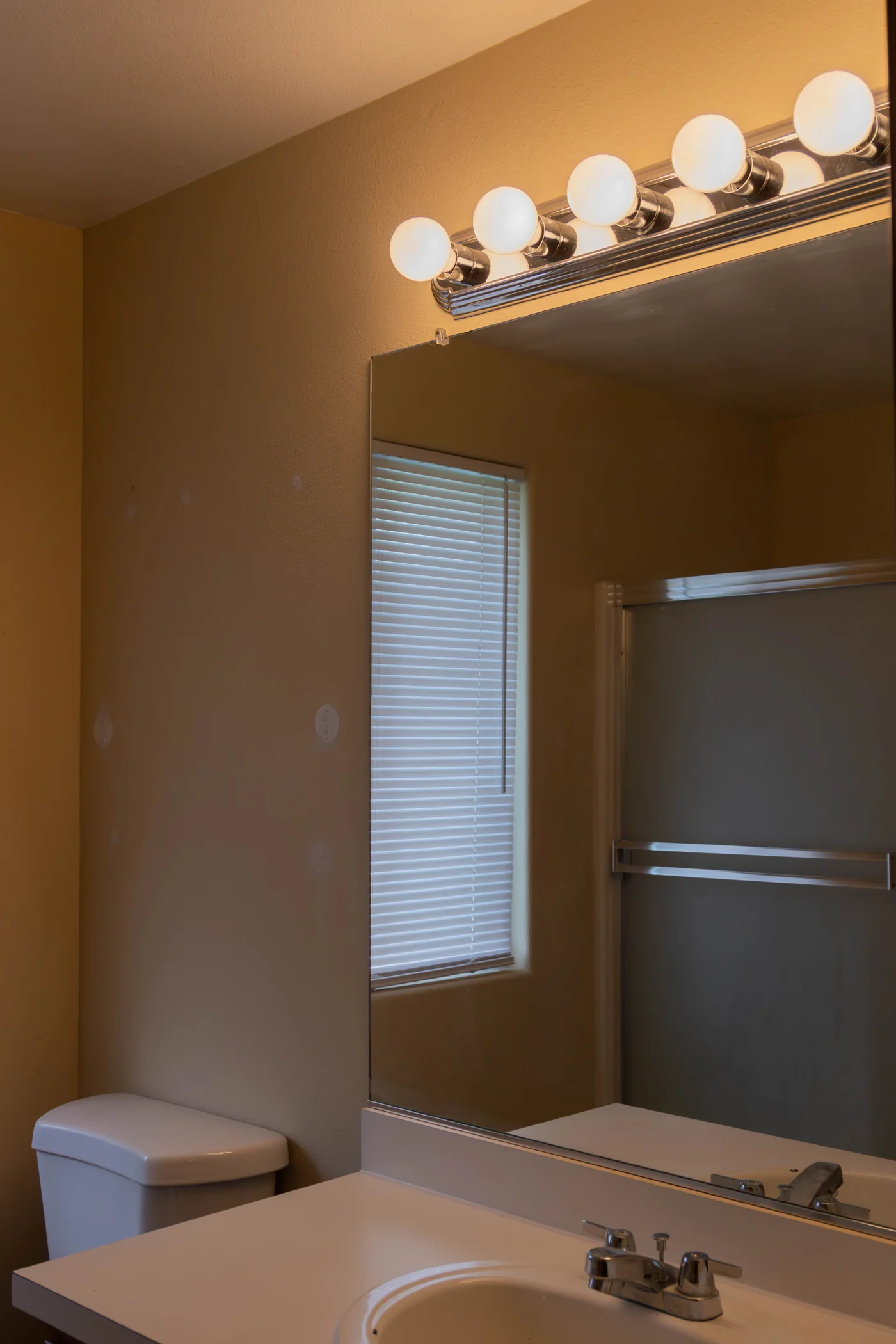
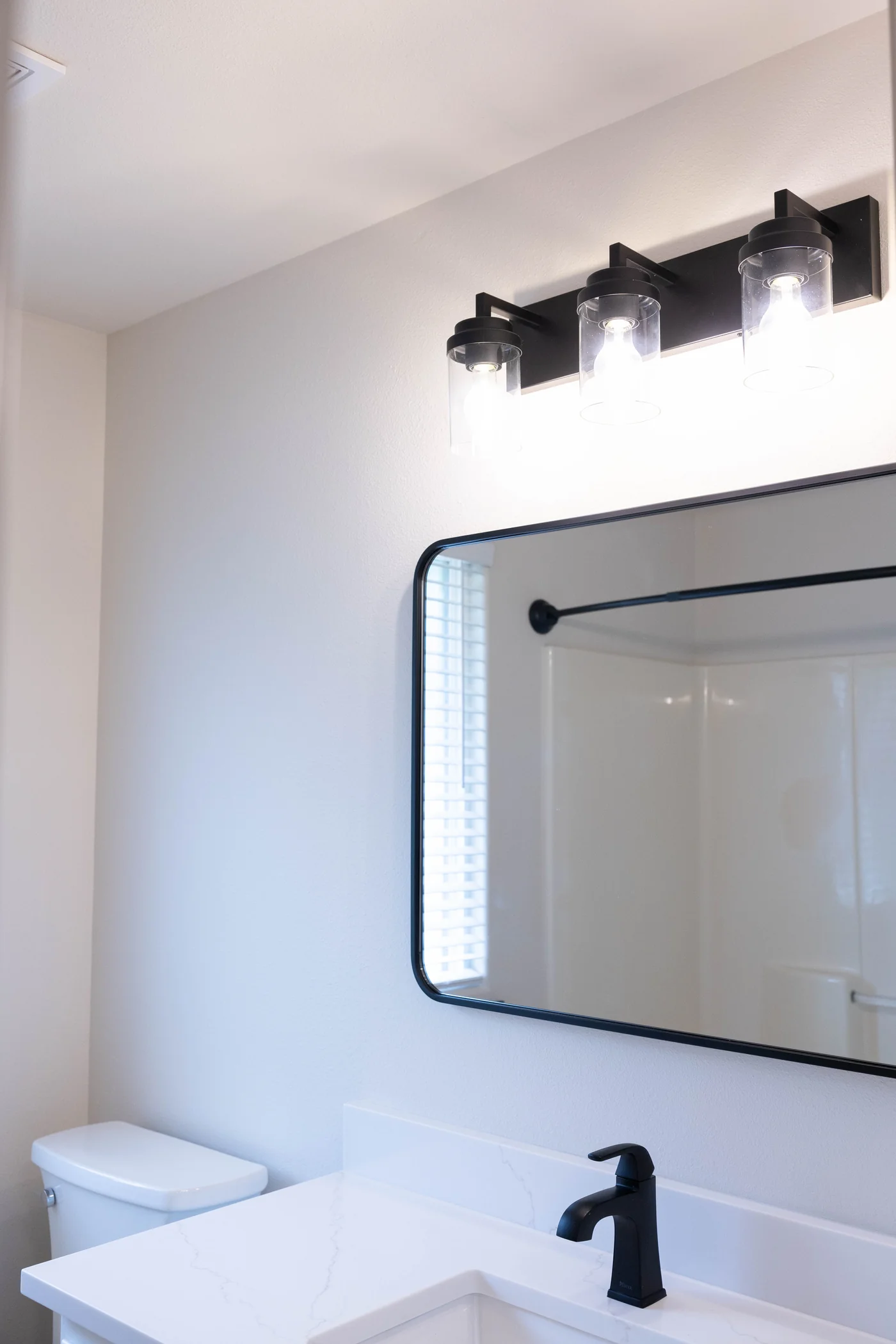
Three real projects, photo-documented for the insurance carrier. Drag each handle to compare.
“Just started a project with Cole and Chuck at Robinson Restoration and had to write a review straight away. These guys have been fantastic. We were away on a week long trip when we had a kitchen leak that destroyed our flooring and subfloor.”
Justin O'Neill · Google Review
“I want to express our sincere gratitude to the Robinson team that quickly moved to identify, rectify, repair, and then clean up the mess left by an itty-bitty hot water leak that went unnoticed because of its location.”
Michael Quinn · Google Review
“Kyla and Jake were super friendly and knowledgeable. Jake was at my house 90 minutes after I called and did a free inspection. I won't need their services this time, but I will definitely call them if I ever have to deal with water damage.”
Carmen Otten · Google Review
In Washington, you choose your restoration contractor, and your carrier can’t penalize you for it. We document every Seahurst loss with moisture maps, photos, and daily readings, then bill your insurer directly. You pay your deductible. That’s it.
Subject to policy coverage and deductible. We handle the paperwork, photos, and adjuster calls.
Puget Sound weather is hard on older shoreline homes, and Seahurst sits inside our regular coverage area. The emergency line is staffed 24/7, weekends and holidays. Crews carry extraction equipment, air movers, dehumidifiers and thermal imaging to find water that has wicked behind baseboards and under cabinets. We bill your carrier directly and send documentation so the claim doesn't stall.
It depends on the source, and that's exactly what we document first. Surface water entering below grade is usually excluded under a standard Washington homeowners policy, while a broken drain line or a plumbing failure typically isn't. On Seahurst hillside lots the two can look identical once the water is on the floor. Meters, photos, and a record of how it traveled give your adjuster facts instead of a guess.
Three to five days is typical when the call comes in early, longer once carpet pad, drywall, and framing have been wet for a while. Marine humidity works against you in Seahurst, so opening windows makes things worse from November through March. We seal the affected space, run dehumidifiers that pull moisture out of the air, and stop when readings match a dry standard from an unaffected room.
Usually not. Most Seahurst jobs stay contained to the affected level, and we set plastic barriers and place equipment so you can live upstairs around it. A Category 3 loss involving sewage is different, and so is a job that takes out the kitchen or the only bathroom. We'll tell you up front, and help you document what your policy needs if loss of use applies.
Warm outside air moving through a cool crawlspace condenses on the framing, which keeps the wood damp with no plumbing failure involved. This close to the water in Seahurst that happens most of the year. We take joist readings, look at the vapor barrier and the vents, and dry it properly. If meters point to an actual leak instead of condensation, they'll find it.
Shut the water off at the main, cut power to the wet area at the panel if you can reach it safely, and get valuables up off the floor. Then photograph everything before anything else gets moved. Those pictures anchor the claim later. Call while you're doing it, because a Seahurst crew can be dispatched before you're off the phone.
We run the mitigation ourselves: extraction, controlled demo, and drying to IICRC standards, with the documentation your carrier needs. Reconstruction is managed through vetted licensed contractors and our sister companies, so drywall, paint, flooring, and trim come back together under one point of contact. On older Seahurst homes that matters, since matching existing finishes takes someone who has done it before.
A wet lower level won't wait for morning. Call and a Seahurst crew is dispatched with the insurance side handled.
Licensed · Insured · IICRC Certified · Serving Washington & Oregon