

Robinson Restoration is an IICRC-certified fire and smoke damage restoration company serving Seattle, WA. We secure and board up the property the same day, clean soot and smoke residue by type, remove odor at its source, and manage the rebuild through vetted licensed contractors and sister companies.
The fire stayed in the kitchen. The smoke did not. Fire and smoke damage restoration in a Seattle house built before 1950 starts there: a stovetop fire that never left the range leaves gray film on upstairs closet shelves and a campfire smell in every bedroom.
The bungalows and boxes from the 1900 to 1930 build-out were framed open, with stud bays that can run from the basement sill to the attic without a break and lath and plaster on both faces. Hot smoke climbs those bays the way it climbs a chimney and comes out upstairs at outlet boxes, baseboard gaps and the top plates under the attic insulation. That is why the second floor smells worse than the room that burned. Plenty of these houses in Ballard and Wallingford have since been tightened up with new windows, blown-in insulation and sealed siding, which keeps the smoke in longer. And blown-in insulation holds odor like a sponge.
Robinson Restoration dispatches to Seattle from our Kent operations center, and the first visit is about keeping the loss from growing: board up the broken window, check the utilities, pull the firefighting water off the kitchen floor before it soaks the subfloor, and photograph every room before anyone wipes a surface. Then the soot gets sorted by type, because a smoldering pan of oil leaves a different residue than a fast, hot fire in the cabinets. We write the line-item scope, meet your adjuster and bill the carrier directly. If the kitchen has to go back to framing, the rebuild runs through vetted licensed contractors and sister companies with the same project manager on the file.
In an old Seattle house the Secure step includes the attic and the second floor, because that is where the smoke went.
Once the fire department releases the property, we board up openings, tarp the roof, check utilities and pull out the firefighting water. Everything gets photographed for your claim before anything is moved.
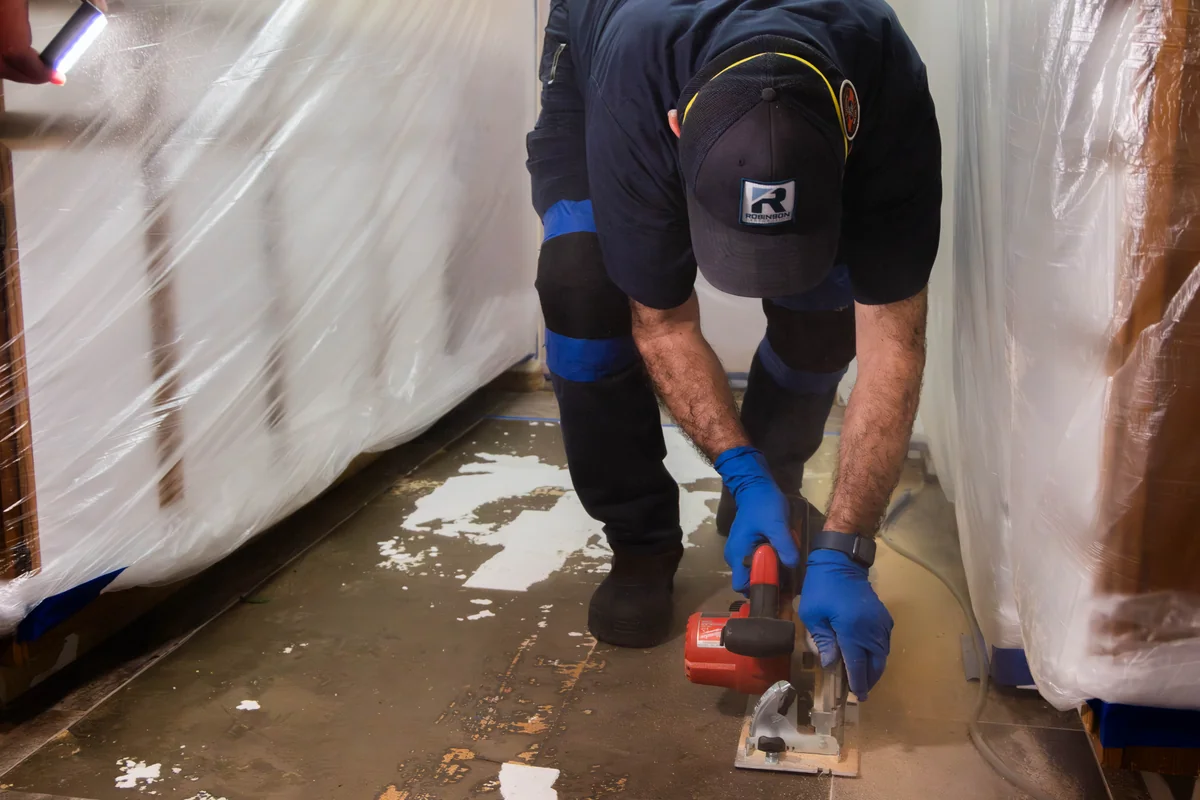
Soot is cleaned by residue type, because wet smoke, dry smoke and protein film each respond to different methods. HEPA air scrubbing, hydroxyl or ozone treatment and source removal end the odor instead of masking it.

Charred framing, drywall, flooring and finishes go back through vetted licensed contractors and sister companies, managed by the same Robinson project manager from the first day to the final inspection.
Pre-1950 Seattle houses were framed with nothing to stop air inside a wall. A kitchen fire pressurizes the stud bays, and hot smoke rides them into the second-floor closets and the attic. We open the tops of those bays, check the insulation above the kitchen and bedrooms, and clean or remove what the smoke reached. Wiping down the kitchen is not fire damage restoration in an old Seattle house.
Lath and plaster walls are full of cracks, and dry smoke from a fast, hot fire is a fine powder that heat pressure drives into every one of them, plus the outlet boxes and the baseboard gap. Some plaster can be cleaned and sealed. The wall closest to the fire usually comes out, and Washington requires an asbestos survey before that demo in an older house, so joint compound and sheet flooring get tested first.
A lot of these houses have a rental in the basement or a cottage out back. Smoke from an upstairs kitchen fire drops through the floor and, where the units share ductwork, through the returns into a tenant's space, and now two households and two policies are involved. We document each unit separately, pack out the tenant's contents on their own inventory, and split the paperwork so each policy gets its own file.
Acidic soot starts etching and staining within days, and a kitchen fire in November means the windows stay shut, the house stays damp, and the residue sits on chrome, tile and the range hood while you wait on an adjuster. We photograph everything first, then get the contents that etch worst out of the house and into cleaning in week one, before the residue has a month to work on them.
In Seattle, the fire is rarely the biggest part of the job. The residue we spend the most time on shows up in three places: kitchens after cooking fires, wall cavities and framing, and attics and insulation. Each one holds smoke for a different reason, which changes what gets cleaned and what has to come out.
Protein residue from a grease or oil fire is a thin amber film you can barely see on white cabinets, and it lands on every surface in the room, drawers included. It smells worse than it looks, and it does not come off with what is under your sink. It gets cleaned by residue type, and the range hood and the ceiling usually take a second pass.
Open stud bays in a pre-1950 house act as flues. Smoke enters at the kitchen wall, climbs behind the plaster and exits upstairs at outlet boxes and baseboards. We pull outlet covers and check the top plates from the attic to map how far it traveled, and the bays that hold soot get opened, cleaned and sealed before the drywall goes back.
Blown-in insulation above a Seattle kitchen soaks up smoke odor and holds it, and no amount of air scrubbing in the rooms below fixes an attic that still smells. If the insulation took smoke, it comes out. Then the sheathing and framing get cleaned, and the hydroxyl or ozone cycle runs with the attic hatch open so the treatment reaches it.
Water is how most losses start. It’s rarely where they end. The same local crew handles all of it.
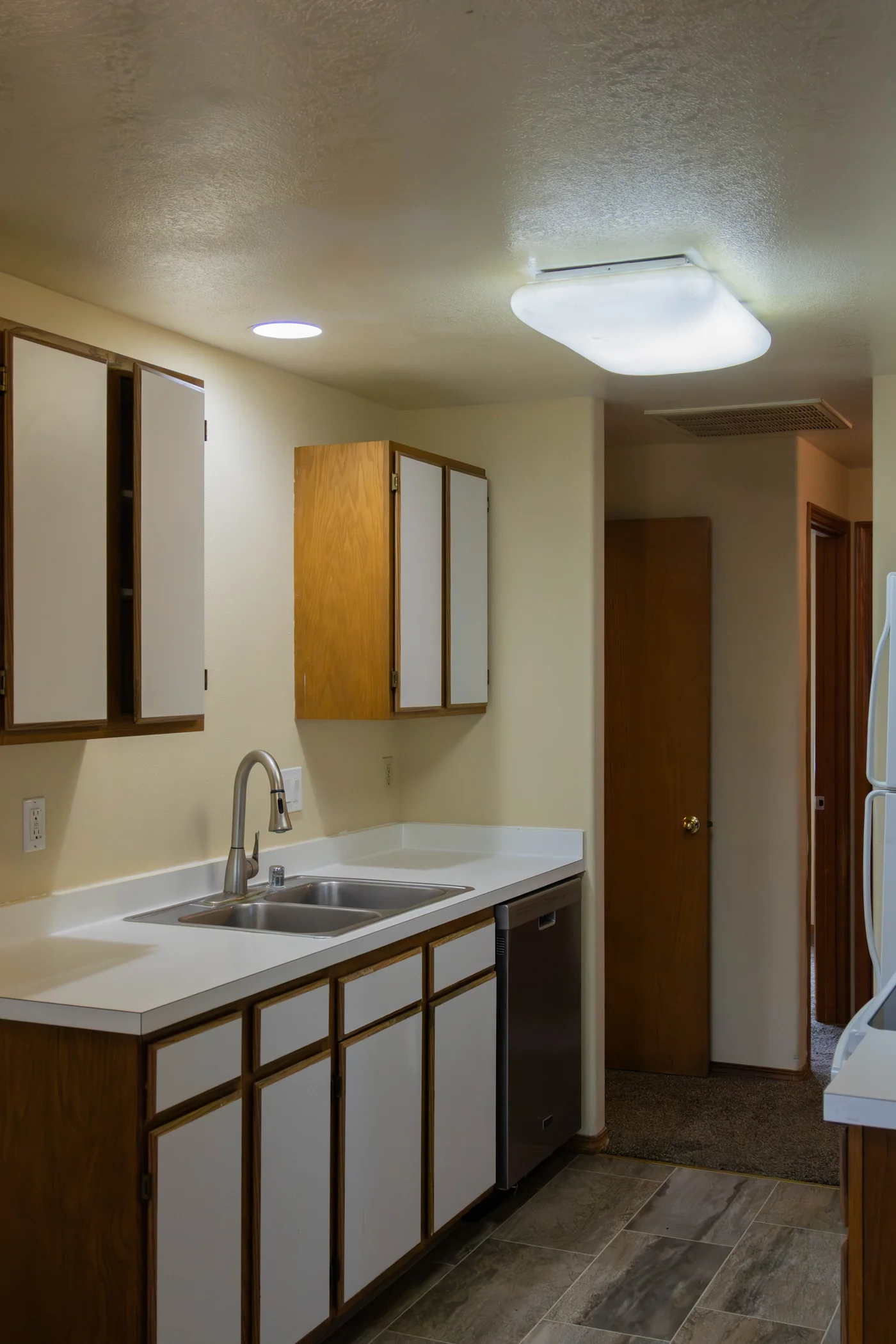
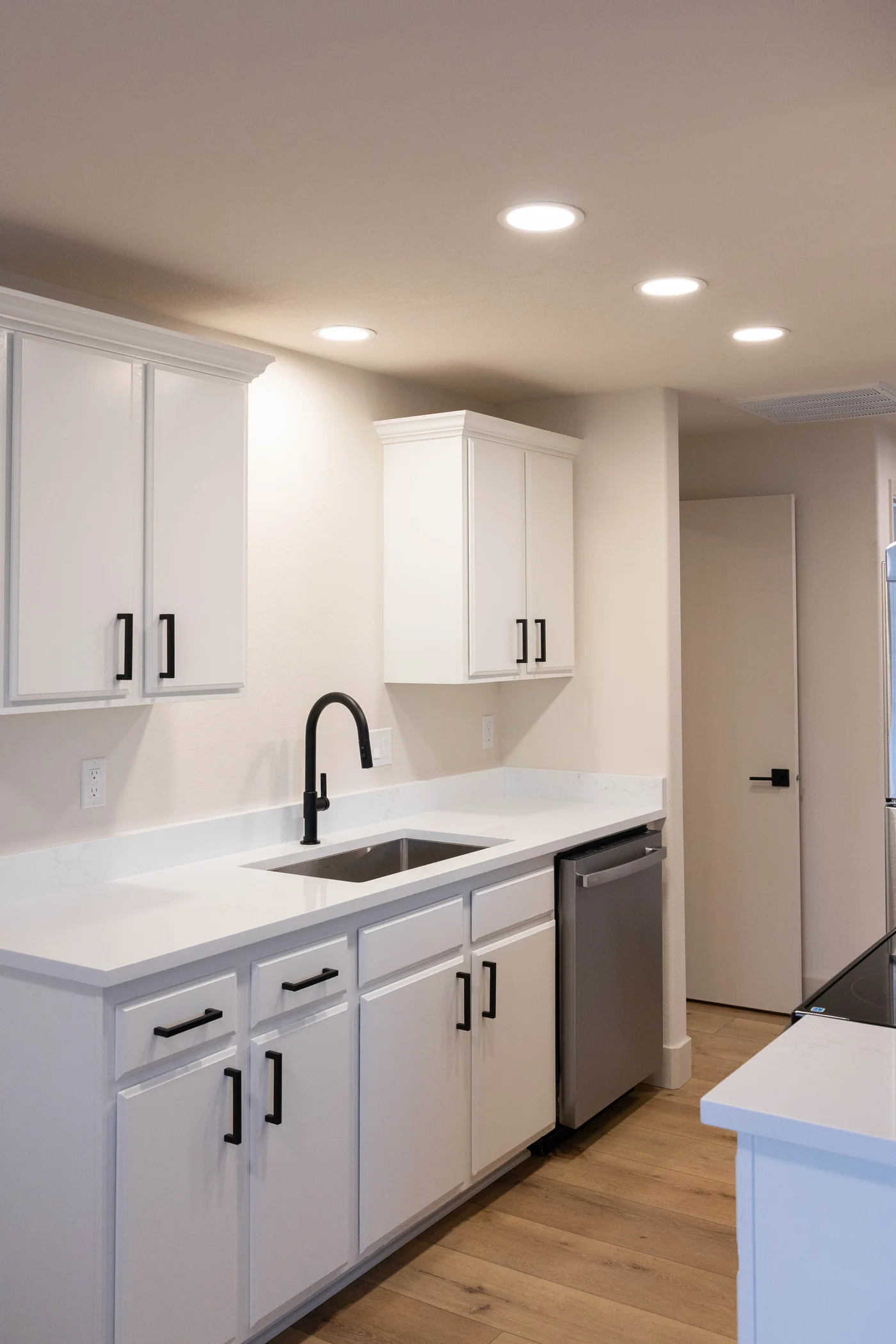
Once the soot is gone and the odor is verified out, we manage the rebuild through licensed contractors. Drag the handle to compare a documented Robinson project.
“We hired Robinson Restoration after a boiler joint failed and leaked what we thought was a small amount of water in our laundry room, but turned out to be more serious than it appeared. They did a fantastic job from first contact to insurance claim approval.”
Randi Covin · Google Review
“We had a major sewer back up a couple of weeks ago, into the laundry room and downstairs bathroom. Panic! We were referred to Robinson Restoration and what a blessing. The whole crew has been wonderful.”
Lynn Dee King · Google Review
“One of the pipes in the shower burst and water damage got all over the roof in the kitchen. As new home owners we were very scared and panicked. We contacted Kelly Farmer from Robinson Restoration and believe me when I say I felt like more than half of my problem was solved.”
Nav Basra · Google Review
Fire is one of the most reliably covered perils in a homeowners policy, and a Seattle fire claim usually touches the dwelling, contents and additional living expenses at once. In Washington, you choose your restoration contractor. We photograph everything before cleanup starts, inventory contents room by room, write a line-item scope, and bill your carrier directly. You pay your deductible.
Subject to policy coverage and deductible. We handle the paperwork, photos, and adjuster calls.
A search for fire damage restoration near me in Seattle turns up a page of names. The one you want answers the phone with a person, can be on-site in 90 minutes or less, and shows up with board-up material and extraction equipment on the same truck. Ours do. You get a free inspection, a written scope, photos of every room before a rag touches anything, and one project manager from board-up through the rebuild.
No, and the reason is where the smoke went, not how big the fire was. Paint covers the color of soot. It does nothing about the acidic residue underneath or the smoke that climbed the wall cavities into the second floor and the attic. Odor ends by removing the charred and smoke-soaked material, scrubbing the air with HEPA equipment, and running hydroxyl or ozone treatment while the house is empty. No spray and no coat of paint does that. Open windows help for an afternoon. They do not reach the insulation.
Almost always. Fire is one of the most reliably covered perils, and a kitchen fire claim usually touches the dwelling, your contents and additional living expenses if you have to stay somewhere else. What gets limited: neglected maintenance, a house left vacant past the policy limit, and pre-existing problems we find during demo, which get separated out of the fire scope. Robinson Restoration photographs every room before cleanup and hands your adjuster a line-item scope, so the covered work is easy to approve.
Because hot smoke rises and old framing gives it a path. Stud bays in a pre-1950 house can run open from the basement to the attic, so smoke from a range fire pressurizes those bays and pours out upstairs at outlet boxes, closet ceilings and the gaps behind trim. The kitchen got the heat. The bedrooms got the smoke. That is why the cleaning plan covers the whole house and the attic rather than the one room that burned.
Usually yes for part of it, and your policy's additional living expense coverage is built for exactly that. Hydroxyl and ozone odor treatment runs while the house is empty, and if the kitchen goes back to bare framing there is no working stove or sink for a while. Some families stay through the securing and documentation days and move out for the cleaning weeks. We tell you which days you cannot be in the house before the schedule is set.
If it is a pre-1950 house and demolition is on the scope, yes. Washington requires an asbestos survey before demolition work in older homes, and the usual finds are old joint compound, sheet flooring and popcorn ceilings. The survey adds a step before the kitchen walls come down, and it is a real cost driver on an old-house fire. Skipping it is not something we offer. Robinson Restoration builds it into the timeline and the scope so it does not surprise anyone in week two.
They get photographed, barcoded and packed out room by room, then split by what they are made of. Hard goods like dishes, glassware and frames go to ultrasonic cleaning. Clothes, bedding and drapes go to specialty washing that takes the smoke out of the fabric. The inventory lists each item with its age and value, because your adjuster needs that list for the contents part of the claim, and anything that cannot be saved is documented before it leaves the house.
Kitchen fire, and the whole house smells like it? Get a free Seattle fire damage inspection today.
Licensed · Insured · IICRC Certified · Serving Washington & Oregon