Robinson Restoration is an IICRC-certified water damage restoration company serving Shedd, OR. Crews dispatch 24 hours a day, arrive on-site in 90 minutes or less, document the readings and photos your carrier needs, and bill your insurance directly on covered claims.
Shedd is grass seed country, a scatter of farmhouses and shops between the Calapooia bottomland and the highway. Out here a water loss usually means a well pump, a septic problem, or a line that froze in an unheated wall. We answer 24 hours and bring our own power and water.
Property here runs older and more varied than in town: century farmhouses with balloon framing and dirt-floor cellars, 1970s manufactured homes on rural lots, pole barns, shops, and outbuildings that hold everything worth money. Most run on private wells and septic systems, which changes the math on both contamination and drying. Winter rain sits on heavy valley clay for weeks, and low ground near the Calapooia stays saturated well into spring.
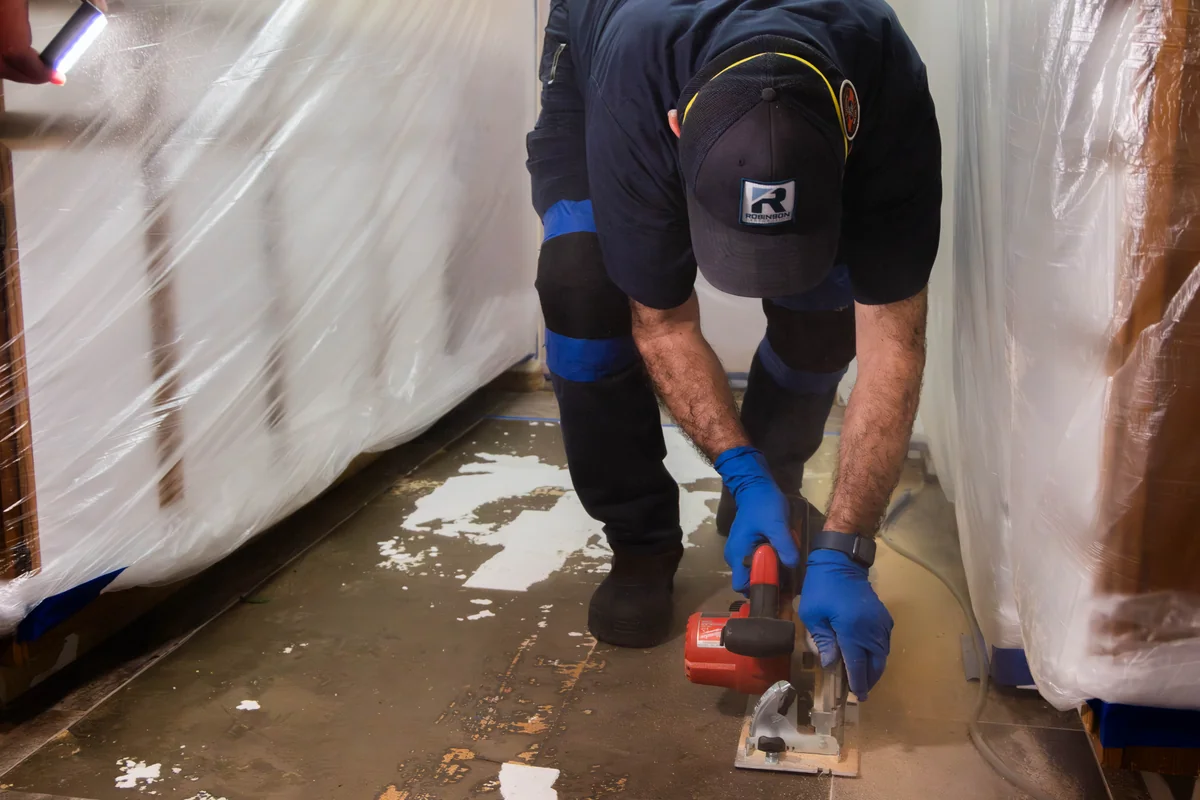
Rural properties do not slow us down. Our Willamette Valley crews cover Shedd around the clock, arrive with generators, extraction units, and enough hose to reach a shop at the back of a property, and follow IICRC S500 standards on every job. We photograph and meter as we go, then bill most carriers directly so the claim moves while you get back to work. Rebuild scopes go to vetted licensed contractors and our sister companies.

Long driveways, outbuildings, and well systems are normal for us, and Shedd calls still get a certified crew on-site in 90 minutes or less.
24 hours a day, 7 days a week, our crews dispatch the moment you call and start mitigation the same visit. Call dispatch or message us for immediate help.
We stop further damage with commercial extraction, structural drying, and antimicrobial treatment, and we walk you through the entire insurance claim as we work.
We manage your rebuild to pre-damaged condition through our trusted network of licensed contractors and sister companies. One manager, one timeline.
A private system fails differently than city water. Stuck pressure switches and split tank fittings can run unattended for hours, and there is no meter reading to warn you. Pump houses and utility rooms are often the least insulated space on the property, which is where freeze breaks show up first. We shut down, dry, and get the system back on before the house goes without water.
Drain fields need somewhere for effluent to go, and heavy valley clay saturated by six weeks of rain gives it nowhere. Fields surcharge, the tank backs up, and the return path is the lowest drain in the house. That is a category three loss with real health risk. We contain it, remove porous materials, treat the structure, and document every step for the claim.
Around Shedd the most valuable square footage is often not the house. Grass seed operations keep equipment, chemicals, and records in metal buildings and older wood barns with slab or gravel floors. A roof failure or a busted line in there soaks insulation, gets into stored inventory, and starts rust the same day. We dry outbuildings on the same standards we use inside a home.
Rural coverage often splits between a dwelling policy and a farm or ranch form, with separate limits for outbuildings, machinery, and stored crop inputs. Which policy pays depends on what the water touched and where it started. We scope each structure separately and document them that way, so an adjuster is not forced to guess and you are not stuck arguing about it in March.
Most of the losses we run in Shedd start one of three ways: sewage backups, flooding and groundwater, and frozen and split pipes. Here is why each one happens here, and what it takes to dry it properly.
Nearly every home out here is on septic. Six weeks of valley rain saturates the drain field, the tank has nowhere to discharge, and the backup surfaces at the lowest fixture indoors.
Low ground along the Calapooia and its sloughs holds water for weeks after a wet stretch. Shops, cellars, and homes on the bottomland take it through slabs, vents, and crawl space openings.
Pump houses, unheated utility rooms, and manufactured home skirting leave supply lines exposed. A hard Linn County frost splits them, and on a large property the water can run a long time before anyone hears it.
Water is how most losses start. It’s rarely where they end. The same local crew handles all of it.
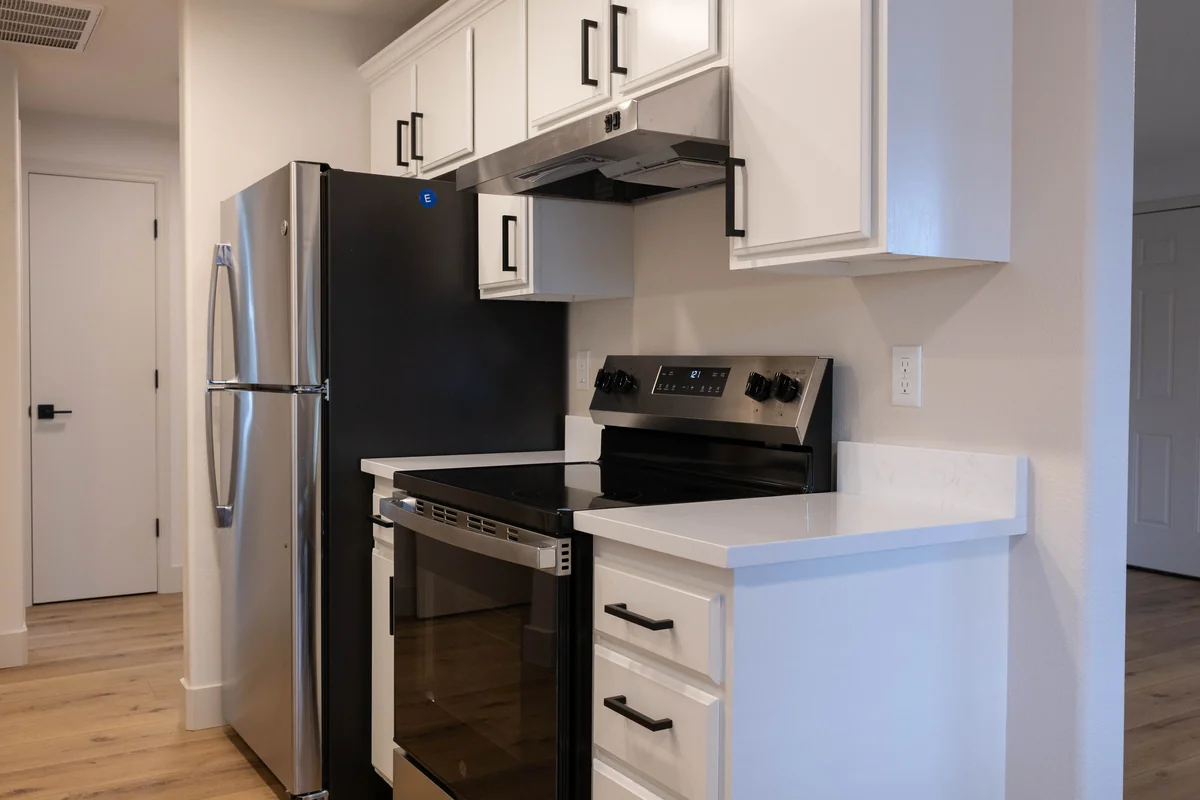
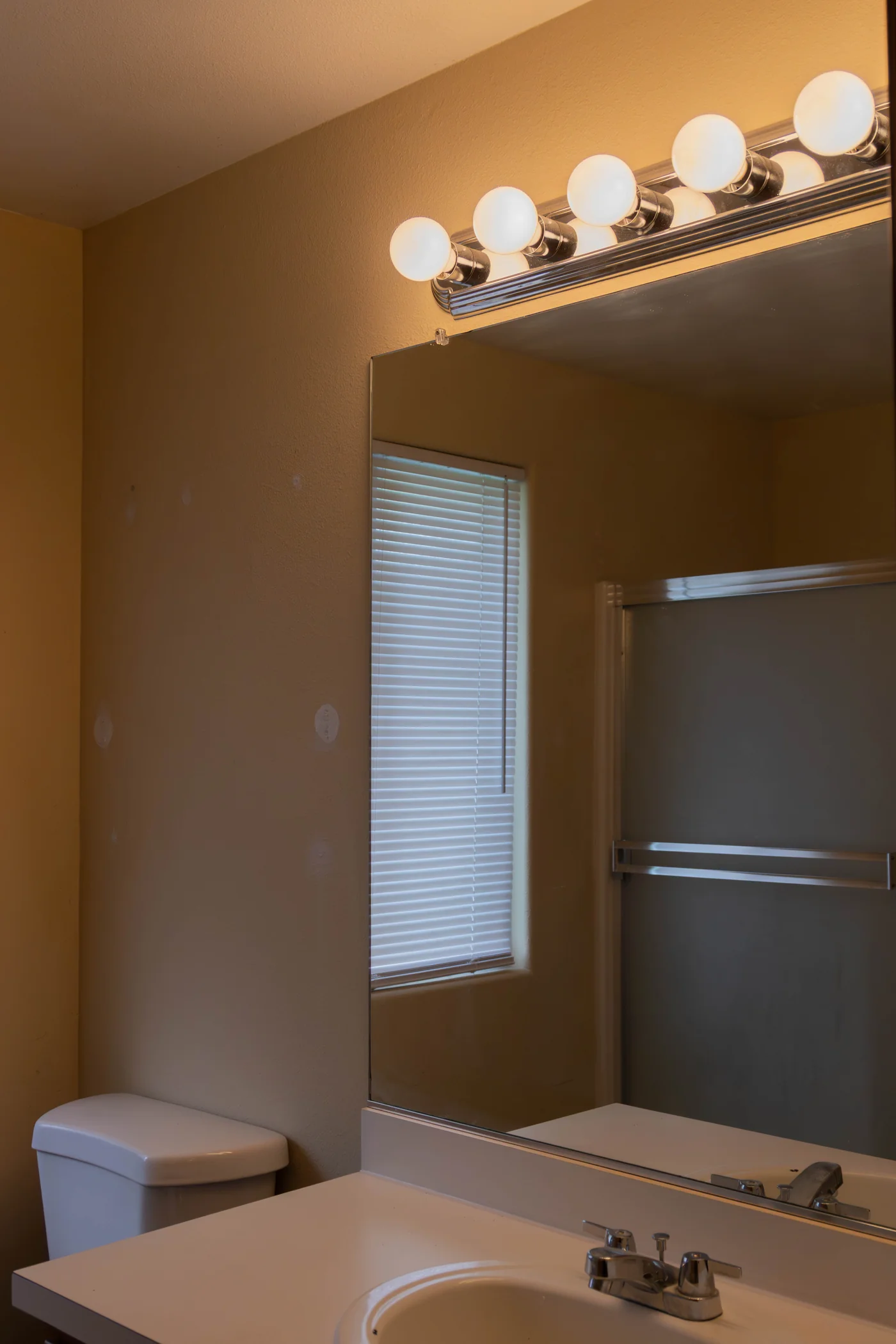
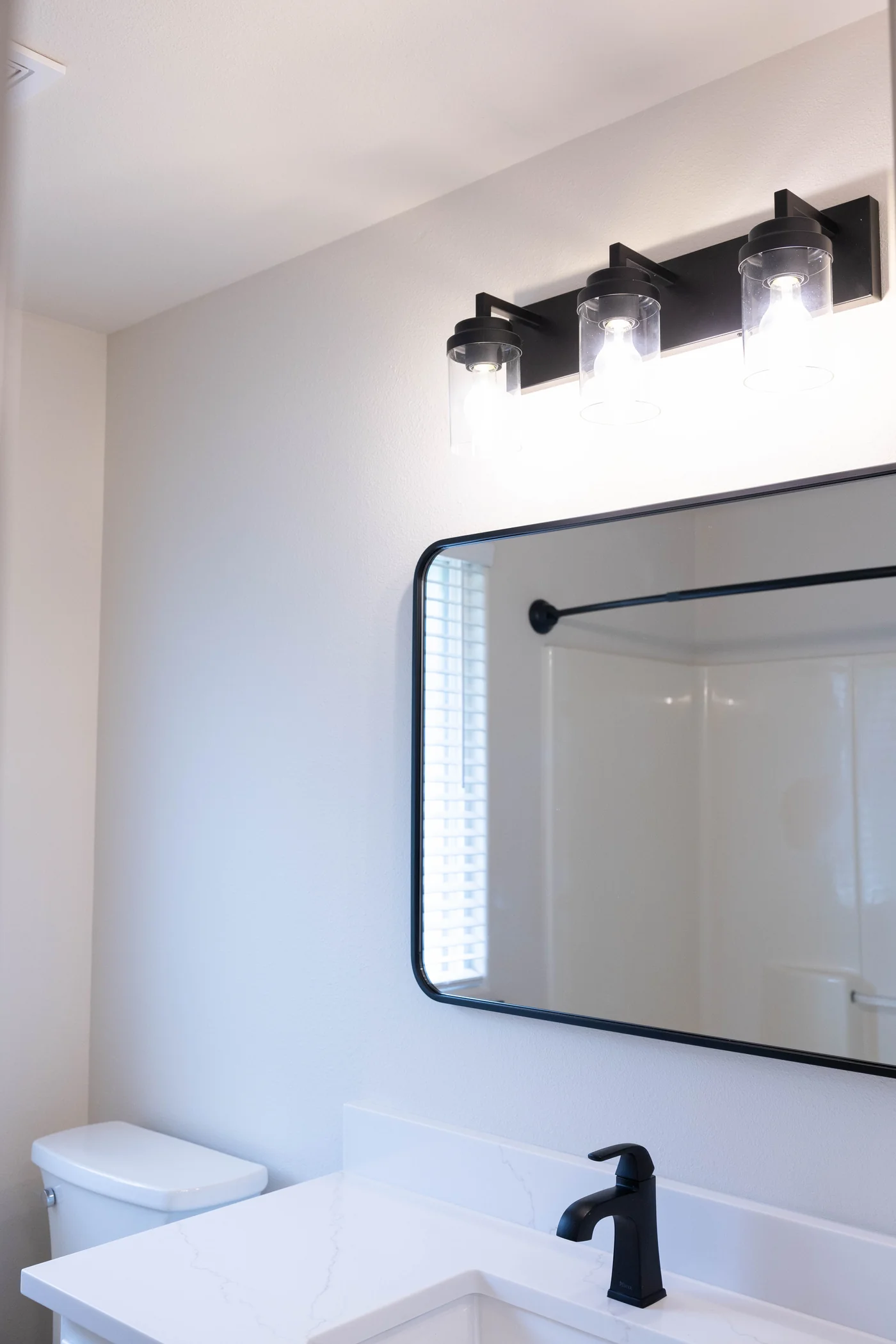
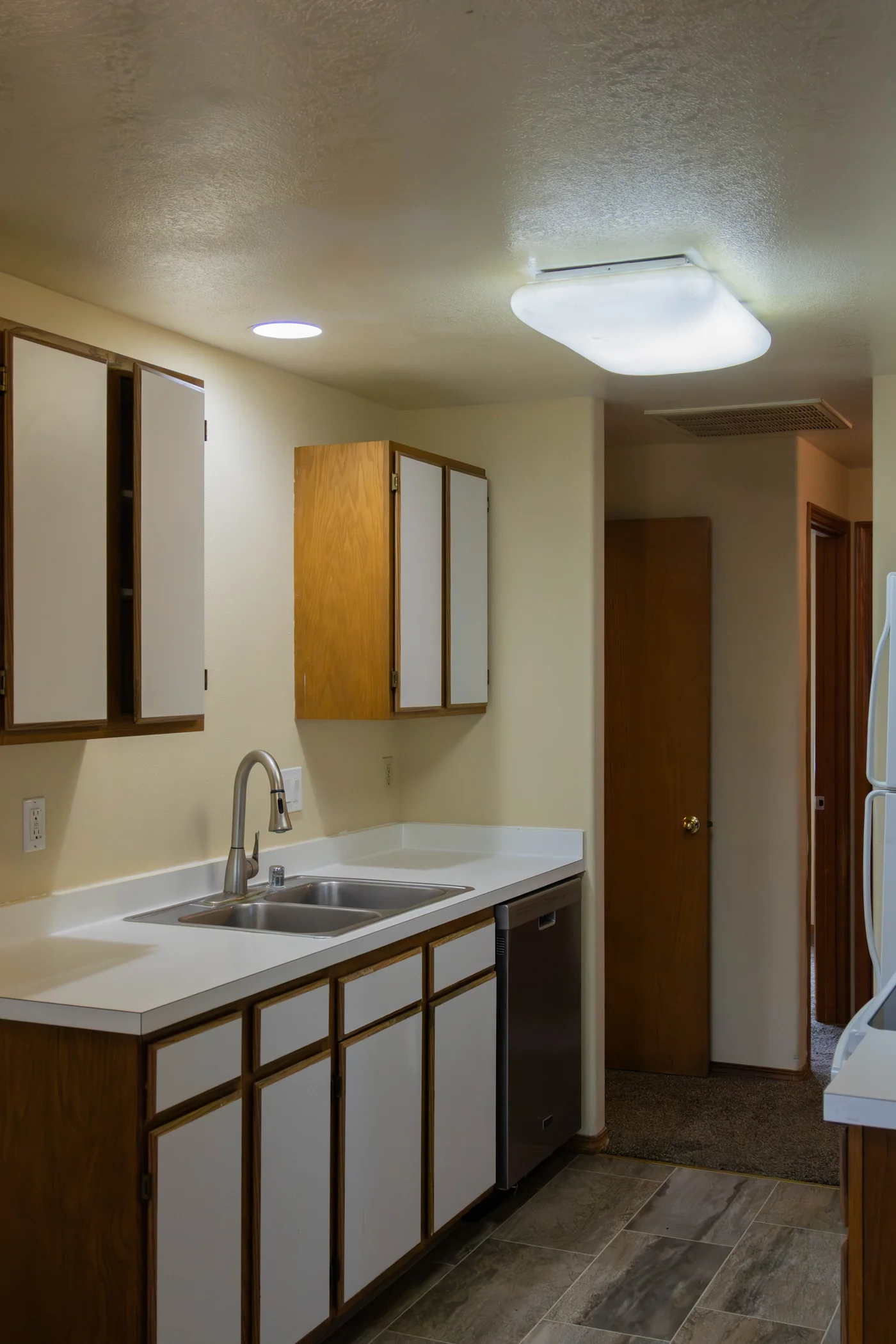
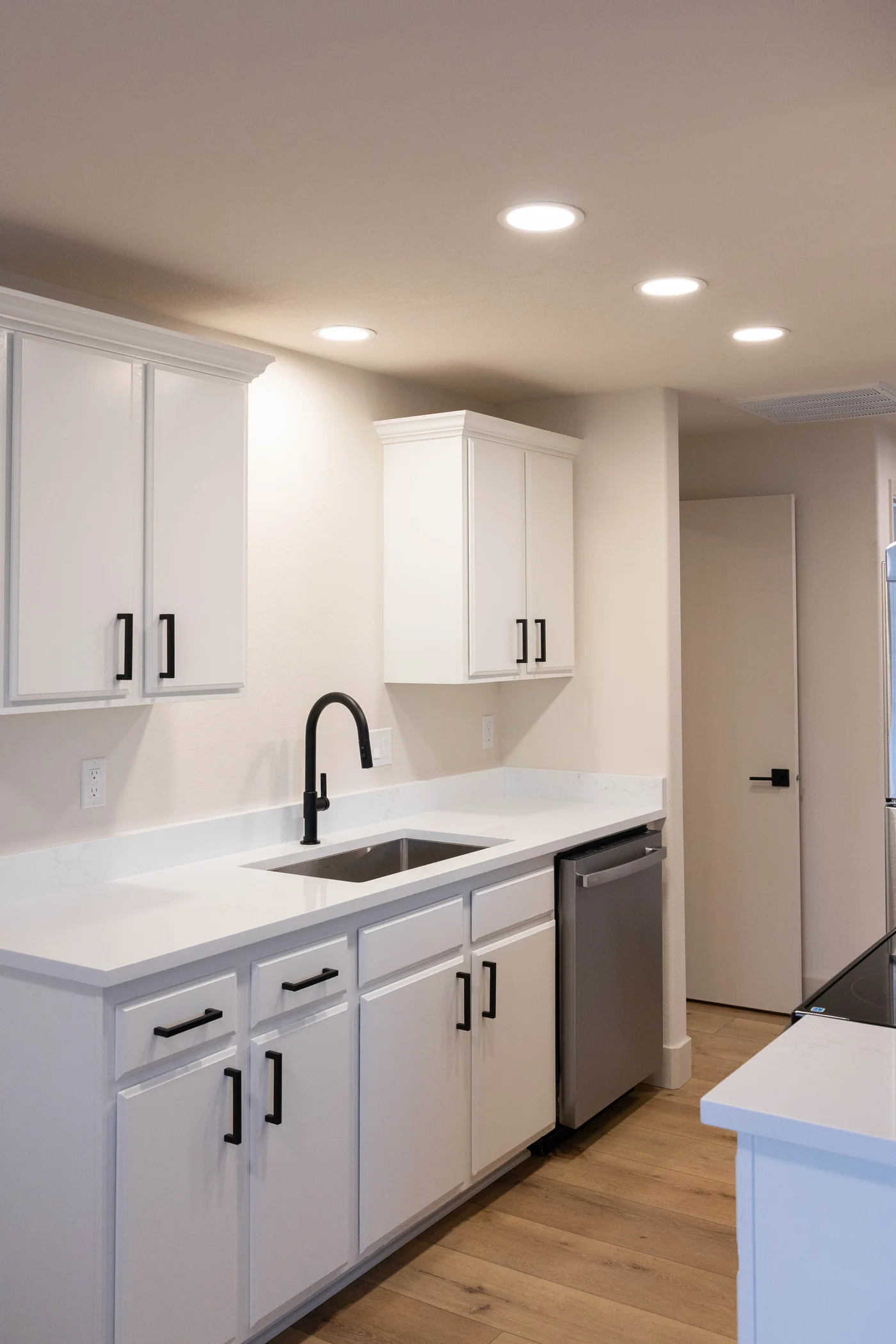
Three real projects, photo-documented for the insurance carrier and backed by our 5-year workmanship warranty. Drag each handle to compare.
“Had a leak in our wall and our plumber recommended Robinson Restoration to handle remediation of the water damage. Christian and Adolfo were awesome. Great communication throughout the setup of the containment area and installation of the equipment to start the drying process.”
Won Lee · Google Review
“We recently had an unfortunate plumbing issue that led to some significant flooding issues. On the recommendation of our plumber we reached out to Robinson Restoration to help us with drying out our house and getting it ready to be put back together.”
Don Warner · Google Review
“We've had the bittersweet opportunity to have Robinson in our lives twice now. First, for a major 3,000 sq ft mold remediation of our crawl space. Then last week, we had an unfortunate flood. I don't know what we would have done without them.”
T Marie C · Google Review
In Oregon, you choose your restoration contractor, and your carrier can’t penalize you for it. We document every Shedd loss with moisture maps, photos, and daily readings, then bill your insurer directly. You pay your deductible. That’s it.
Subject to policy coverage and deductible. We handle the paperwork, photos, and adjuster calls.
Rural addresses don't get skipped. Robinson Restoration serves Shedd out of our mid-valley coverage area, with dispatch answered every hour of the day. Crews bring extraction units, air movers and dehumidifiers sized for older farmhouses and manufactured homes, plus meters to check subfloors and crawlspaces. Your insurance carrier gets billed directly, and we send them the moisture logs and photos with the claim.
Yes, and it is a normal part of the work down here. Our trucks carry generators, extra hose, and enough equipment to run a shop or a barn without relying on what is at the house. We handle long gravel driveways, gated properties, and buildings with no floor drain routinely. Give us a gate code or a livestock warning when you call and we will plan around it.
Completely different. Septic backup is category three water, meaning it carries bacteria and requires containment, protective equipment, and removal of porous materials that absorbed it. Carpet, pad, and saturated drywall come out rather than getting dried in place. We treat the structure with an antimicrobial, dry to standard, and verify with readings. Around Shedd that also means checking whether the drain field is the underlying problem.
Yes. We bring generators sized to run extraction and drying equipment independent of the property, which matters in Shedd because a power outage takes your well with it. House water is not a requirement either, since we carry our own. If the outage is what caused the loss, we note that in the file, because it often affects how the claim is handled.
Outbuildings get the same treatment. Metal buildings and older wood barns around Shedd hold moisture in insulation, sill plates, and stored inventory long after the floor looks dry, and rust starts on equipment within a day. We set containment, dry the structure to standard, and document the contents damage separately, because farm policies usually handle buildings and machinery under different limits than the dwelling.
By measurement, not by feel. Old fir subfloor and balloon-framed walls in a Shedd farmhouse can read wet six inches above a floor that feels perfectly dry underfoot. We use penetrating meters on wood, non-invasive meters on finishes, and thermal imaging to find the wet edge, then compare to an unaffected area in the same building for a dry standard. Equipment stays until the numbers match.
We do, for most major carriers. You pay your deductible and we invoice the insurer for the covered work, backed by photos, moisture maps, equipment logs, and a written scope. Rural claims sometimes involve a farm form alongside the homeowners policy, and we build the file so both adjusters can work from it. If you would rather not file at all, we will quote it directly.
A wet farmhouse or shop dries fastest when the call happens first. Reach us any hour.
Licensed · Insured · IICRC Certified · Serving Washington & Oregon