Robinson Restoration is an IICRC-certified water damage restoration company serving Harrisburg, OR. Crews dispatch 24 hours a day, arrive on-site in 90 minutes or less, document the readings and photos your carrier needs, and bill your insurance directly on covered claims.
Harrisburg grew up on the east bank of the Willamette, and living next to a working river cuts both ways. Beautiful most of the year, tense in January. Our crews handle high-water cleanup and everyday plumbing failures alike, 24/7, on-site in 90 minutes or less.
Downtown holds early wood-frame houses and brick storefronts built when the river was the highway. Around them are mid-century ranches and, out toward the highway, subdivisions built for people who work in Eugene and Springfield. The river matters differently for each. Older riverfront properties sit low with crawl spaces that flood from groundwater before the channel ever tops its bank, while newer construction on higher ground deals with drainage and roof failures instead.
Harrisburg sits between our Eugene-area base and the towns up the valley, so crews reach it from either direction and dispatch stays open 24 hours. Work starts with moisture mapping, a photo record, and a written scope before demolition. Daily meter readings run against IICRC S500 dry standards, and every log goes into the claim file. We bill your carrier directly. When repairs are needed, licensed contractors and sister companies handle them under our management.

When the Willamette is running high, we stage extra extraction and drying equipment for Harrisburg rather than waiting for the calls to start.
24 hours a day, 7 days a week, our crews dispatch the moment you call and start mitigation the same visit. Call dispatch or message us for immediate help.
We stop further damage with commercial extraction, structural drying, and antimicrobial treatment, and we walk you through the entire insurance claim as we work.
We manage your rebuild to pre-damaged condition through our trusted network of licensed contractors and sister companies. One manager, one timeline.
The Willamette gathers everything the Cascades and Coast Range shed, and by the time it reaches Harrisburg it's a big river with a big response to a warm winter storm. High water pushes the local water table up across the bottomland. Crawl spaces, sunken garages, and shop slabs take water from underneath while the bank itself is still dry.
The early commercial buildings near the river were built with masonry walls and wood floor systems that never anticipated modern plumbing. Supply lines run through unheated voids, and a second-floor apartment leak drops straight into the retail space below. Drying a brick building takes patience: masonry releases moisture slowly and rushing it just moves the problem into the finishes.
A lot of Harrisburg households drive south to Eugene or Springfield for work, which means houses sit empty from seven to six. A water heater that fails at nine in the morning has nine hours to run. That single fact is the difference between a wet laundry room and water through the ceiling of a finished basement, and it's why we answer at any hour.
A single Harrisburg storm can produce both a covered loss and an excluded one in the same house. Rain through a wind-damaged roof is typically covered by homeowners. Water rising off the bottomland is not, and needs a separate flood policy. We separate the two in the documentation so the covered portion gets paid rather than lumped in and denied.
Most of the losses we run in Harrisburg start one of three ways: flooding and groundwater, roof and storm leaks, and water heater failures. Here is why each one happens here, and what it takes to dry it properly.
Harrisburg sits on Willamette bottomland, and sustained winter rain lifts the water table across town. Crawl spaces, low garages, and outbuilding slabs take groundwater well before the river itself becomes the story.
River-valley damp keeps moss growing on shaded roofs year-round, and Harrisburg's older houses often carry a second layer of composition over the original. Water gets between layers and travels before it ever shows inside.
Tanks fail on their own schedule, usually while a commuting household is down the valley at work. In Harrisburg that means hours of unattended discharge before anyone gets home to close the valve.
Water is how most losses start. It’s rarely where they end. The same local crew handles all of it.
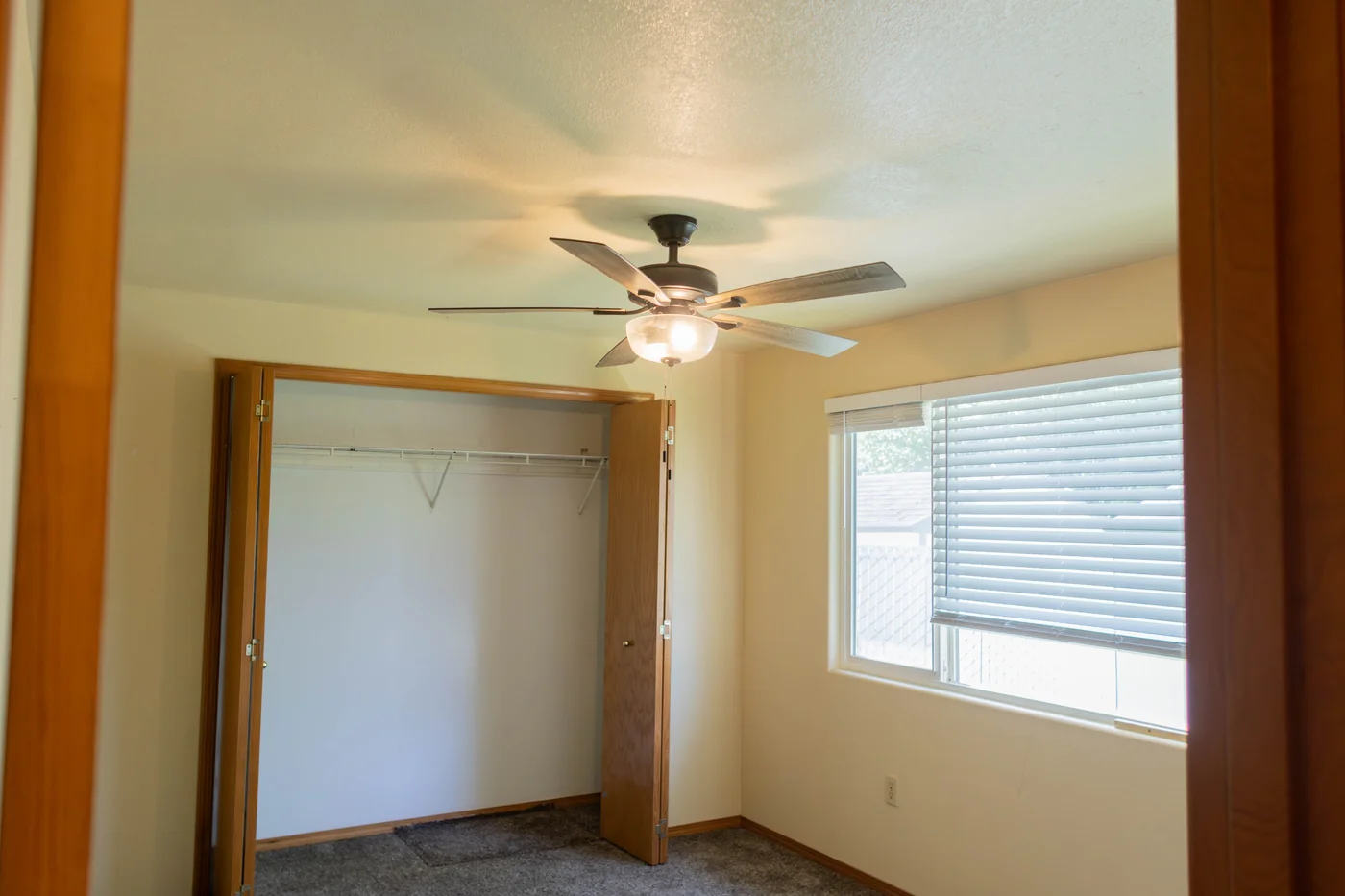
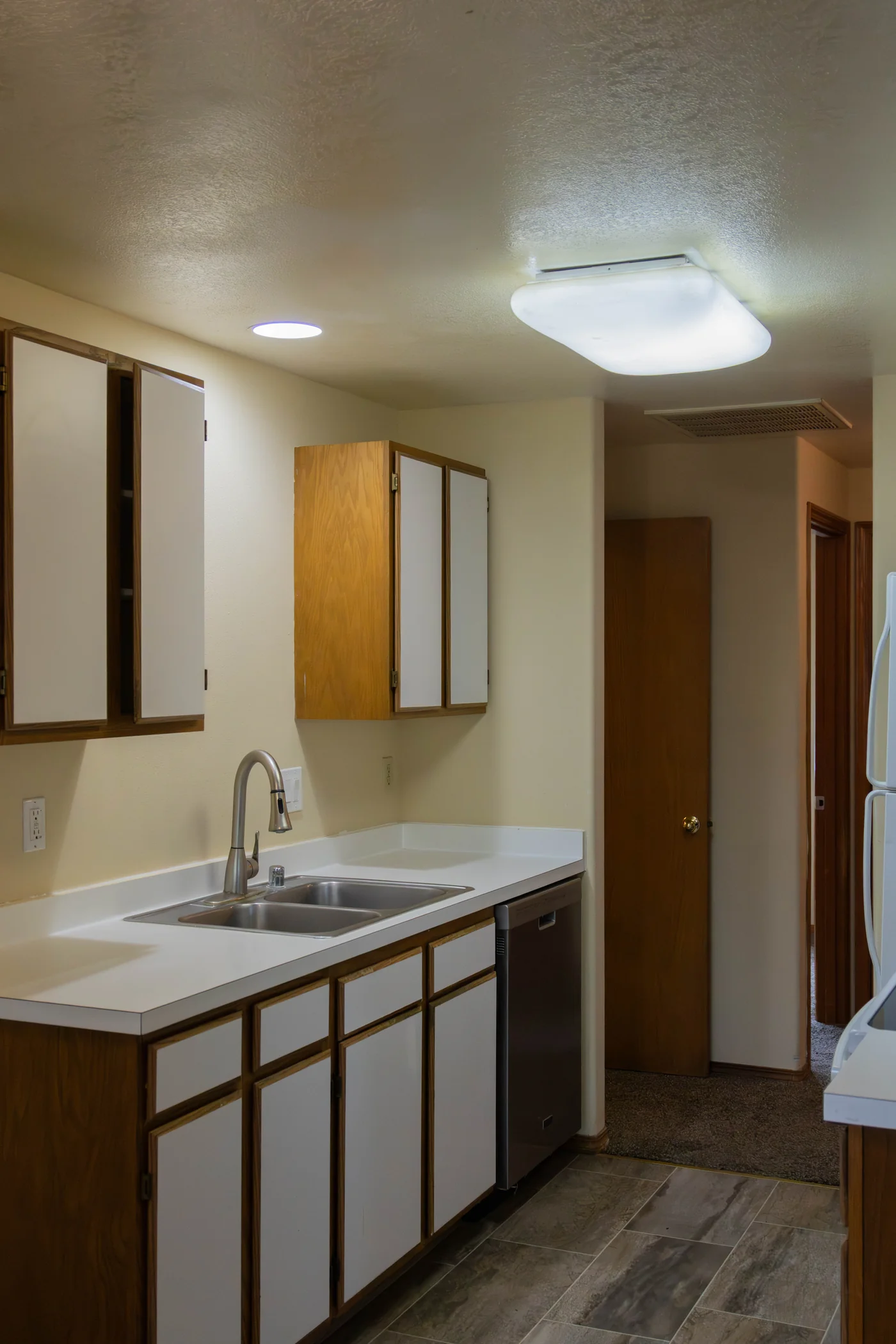
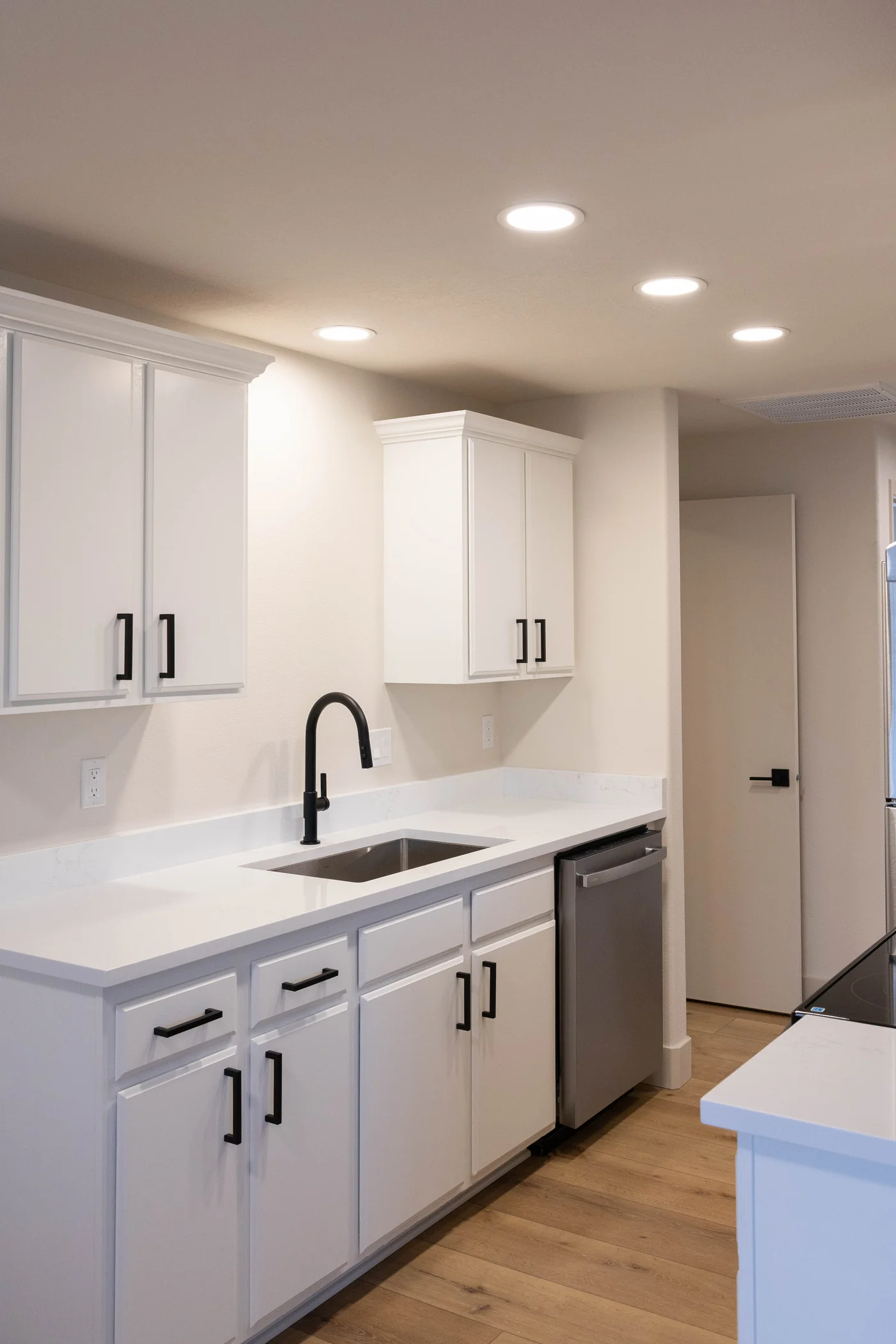
Three real projects, photo-documented for the insurance carrier. Drag each handle to compare.
“Kyla and Jake were super friendly and knowledgeable. Jake was at my house 90 minutes after I called and did a free inspection. I won't need their services this time, but I will definitely call them if I ever have to deal with water damage.”
Carmen Otten · Google Review
“Had a leak in our wall and our plumber recommended Robinson Restoration to handle remediation of the water damage. Christian and Adolfo were awesome. Great communication throughout the setup of the containment area and installation of the equipment to start the drying process.”
Won Lee · Google Review
“We recently had an unfortunate plumbing issue that led to some significant flooding issues. On the recommendation of our plumber we reached out to Robinson Restoration to help us with drying out our house and getting it ready to be put back together.”
Don Warner · Google Review
In Oregon, you choose your restoration contractor, and your carrier can’t penalize you for it. We document every Harrisburg loss with moisture maps, photos, and daily readings, then bill your insurer directly. You pay your deductible. That’s it.
Subject to policy coverage and deductible. We handle the paperwork, photos, and adjuster calls.
Yes, and the crew handling this stretch of the Willamette Valley works out of the Eugene area. Harrisburg calls reach live dispatch at any hour, day or night. Technicians arrive with extraction units, air movers, and dehumidifiers, pull standing water first, then set drying equipment and monitor it daily. Your insurance carrier is billed directly, so the claim paperwork stays on our side.
No. River flooding requires a separate flood policy, either through NFIP or a private carrier, and if you own bottomland property near Harrisburg it's worth checking what you actually have. Your homeowners policy covers sudden discharge from inside the house: a burst line, a failed appliance, a ruptured water heater. We document the source precisely so the right policy gets the claim.
Because the ground drains slower than the channel does. Harrisburg's bottomland soils stay saturated for days or weeks after high water passes, and that saturated soil keeps pushing moisture into the crawl space. Pumping it out without addressing the humidity just refills the space. We pump, remove wet insulation and vapor barrier, then run dehumidification until the wood framing itself meters dry.
We work around commuter schedules constantly in Harrisburg. Equipment placement and daily monitoring can be handled with a lockbox, a code, or a scheduled window that fits your workday, and every visit is logged with time-stamped photos so you can see what happened while you were out. Monitoring visits are short. Nobody needs to burn a vacation day on a drying job.
Yes, and the older buildings near the Harrisburg riverfront need a different approach than a modern shell. Masonry, old plaster, and original wood floors hold moisture and release it slowly, so we set containment, run dehumidification longer, and monitor closely rather than forcing it. We phase the work to keep the sales floor open where possible and document business impact for the claim.
For a covered loss, mitigation is usually paid in full above your deductible, because carriers would rather fund fast drying than a bigger repair later. We bill directly, so most Harrisburg homeowners never write us a check beyond the deductible. What gets scrutinized is scope, which is why we document with meter readings and photos from the first visit rather than reconstructing the story at the end.
We manage it. Robinson coordinates licensed contractors and sister companies through the rebuild while running the schedule and staying your single point of contact. On a Harrisburg house that means the drying crew's documentation hands straight to the repair scope, so the flooring, drywall, and trim work get written against measurements that were already taken and approved.
Wet materials only get worse overnight. One call puts a Harrisburg crew on the schedule now.
Licensed · Insured · IICRC Certified · Serving Washington & Oregon