Robinson Restoration is an IICRC-certified water damage restoration company serving Coburg, OR. Crews dispatch 24 hours a day, arrive on-site in 90 minutes or less, document the readings and photos your carrier needs, and bill your insurance directly on covered claims.
Coburg is small, old, and sitting on the valley floor where the McKenzie spreads out, which is a rough combination when water gets loose. A failed line in a hundred-year-old house does not stay in one room. Call us any hour and we'll be on-site in 90 minutes or less.
Downtown holds one of the better collections of nineteenth-century houses in this part of the state, most of them wood frame over cellars or shallow crawl spaces, with plumbing that has been replaced in pieces over a century. Ring the town with farm acreage and the Coburg Hills rising to the east, and you get storm runoff coming down onto flat ground that already sits near the water table by January.
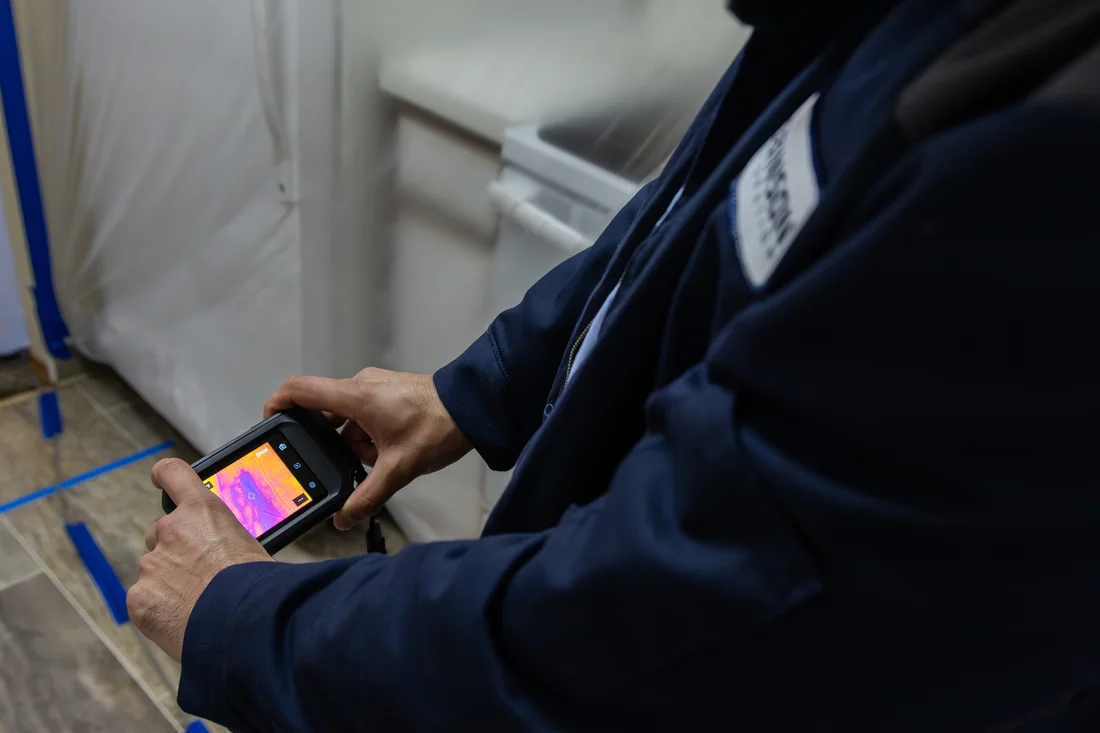
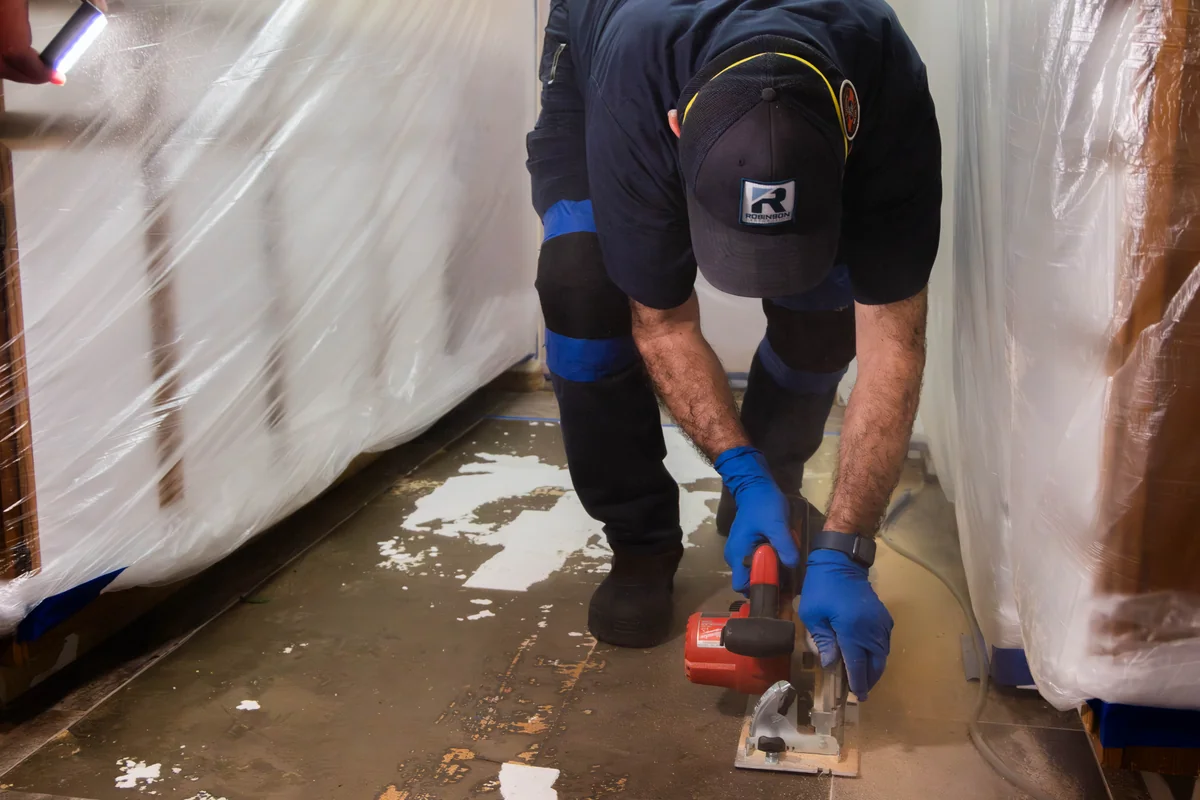
Somebody answers the phone at three in the morning, and the rig we send is loaded before we know the full scope. Our southern Willamette Valley crews hold IICRC certification and work the same way on a small job as a large one: moisture mapped first, readings logged daily, photos of the source and the drying curve, containment where materials have to come out. Carriers get billed directly. Licensed contractors we've vetted handle the rebuild under our management.

A Coburg call reaches our overnight dispatcher directly, and equipment for both a crawl space and a finished interior goes on the truck before departure.
24 hours a day, 7 days a week, our crews dispatch the moment you call and start mitigation the same visit. Call dispatch or message us for immediate help.
We stop further damage with commercial extraction, structural drying, and antimicrobial treatment, and we walk you through the entire insurance claim as we work.
We manage your rebuild to pre-damaged condition through our trusted network of licensed contractors and sister companies. One manager, one timeline.
The oldest houses in town went up before anyone ran a supply line indoors, so the plumbing you have now was added later and modified since. Balloon-framed walls give water an open channel from an upstairs bathroom straight to the sill plate. Plaster holds moisture and looks fine until it lets go. We open those assemblies carefully and dry from inside the cavity.
The Coburg Hills rise right at the east edge of town, and a warm December rain sends everything they collect down onto flat ground in a hurry. Culverts plug with fir needles and field debris. Driveways turn into channels. Water that should have gone around a house ends up against a foundation and then under it.
River gravel underlies most of this ground, which means the water table moves quickly with the season instead of creeping. Cellars and dug-out basements under the older homes were never waterproofed to any modern standard. By February the wall seeps, the sump cycles constantly, and stored belongings sitting on a slab wick moisture from below without ever being rained on.
For a town this size there is a lot of high-bay industrial space around the interchange, including coachbuilding shops finishing interiors in hardwood, veneer, and upholstery. A sprinkler head or a hydronic line letting go overnight puts water on finished product, not bare concrete. Those jobs need containment, desiccant drying, and fast decisions about what can be saved.
Most of the losses we run in Coburg start one of three ways: burst and leaking pipes, flooding and groundwater, and water heater failures. Here is why each one happens here, and what it takes to dry it properly.
Century-old houses here run supply lines through unheated cellars and against exterior walls with little insulation. A hard valley freeze splits a line, and because these homes are open inside the walls, the water reaches two floors before it shows.
Runoff off the hills combined with a water table sitting in river gravel puts water into cellars and crawl spaces most winters. It arrives from the soil rather than a pipe, which changes both the cleanup and the coverage question.
Tanks tucked into old cellars and back porches sit where nobody looks at them. A corroded fitting or a failed tank dumps its full volume onto original fir flooring and lath, and the damage runs well past the utility area.
Water is how most losses start. It’s rarely where they end. The same local crew handles all of it.
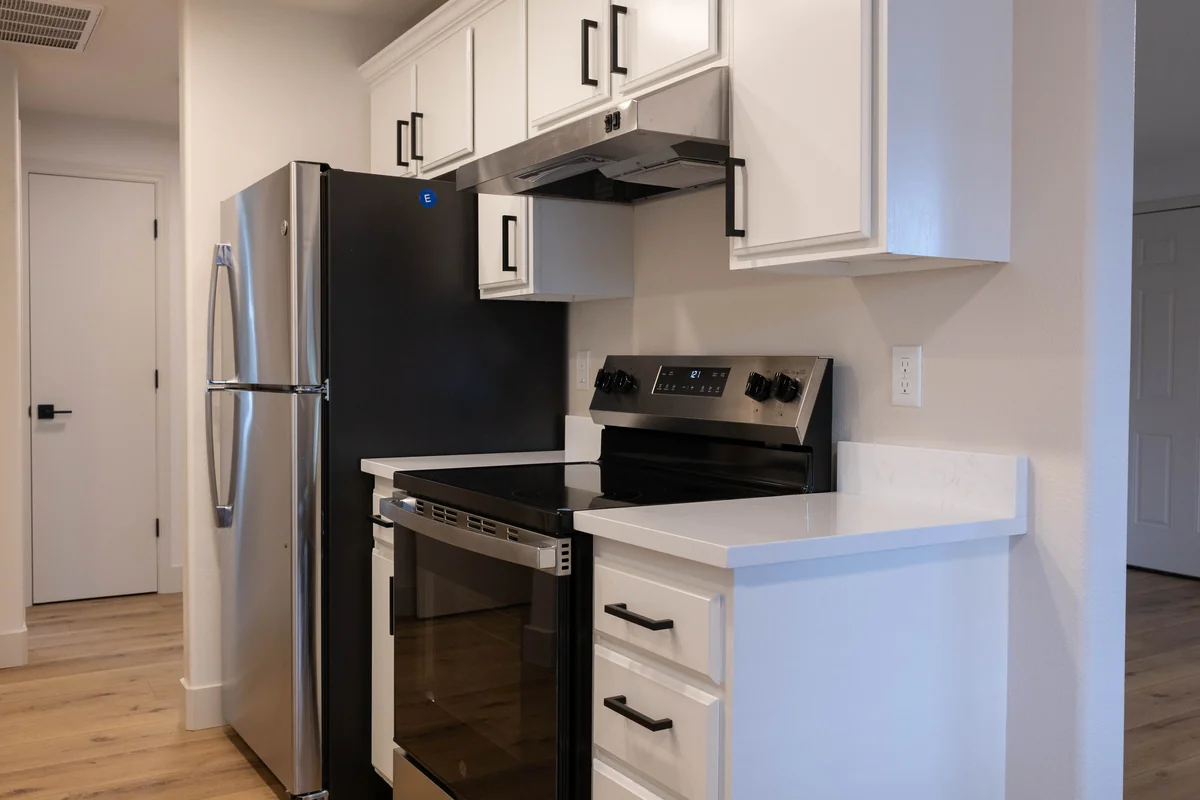
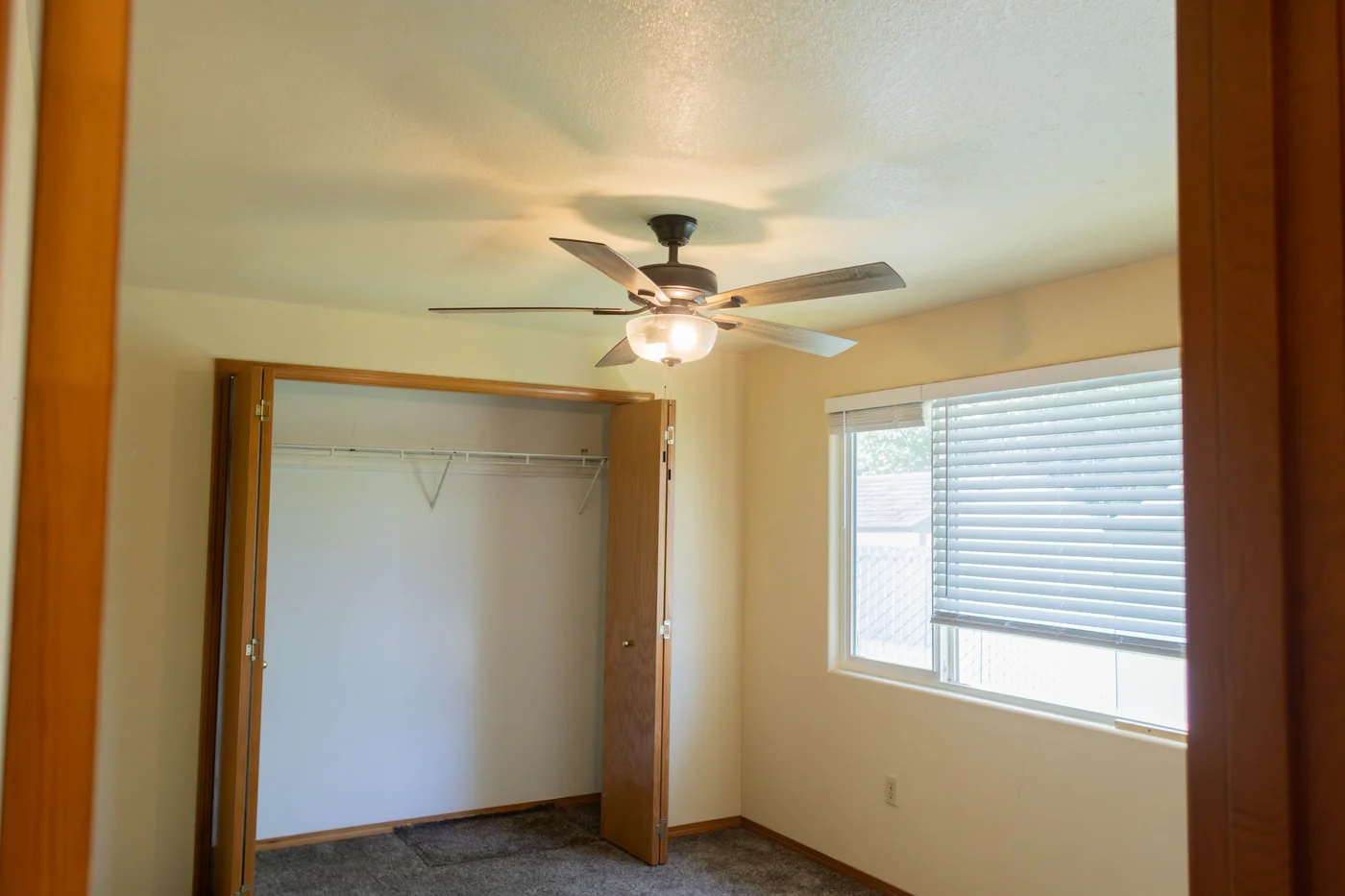
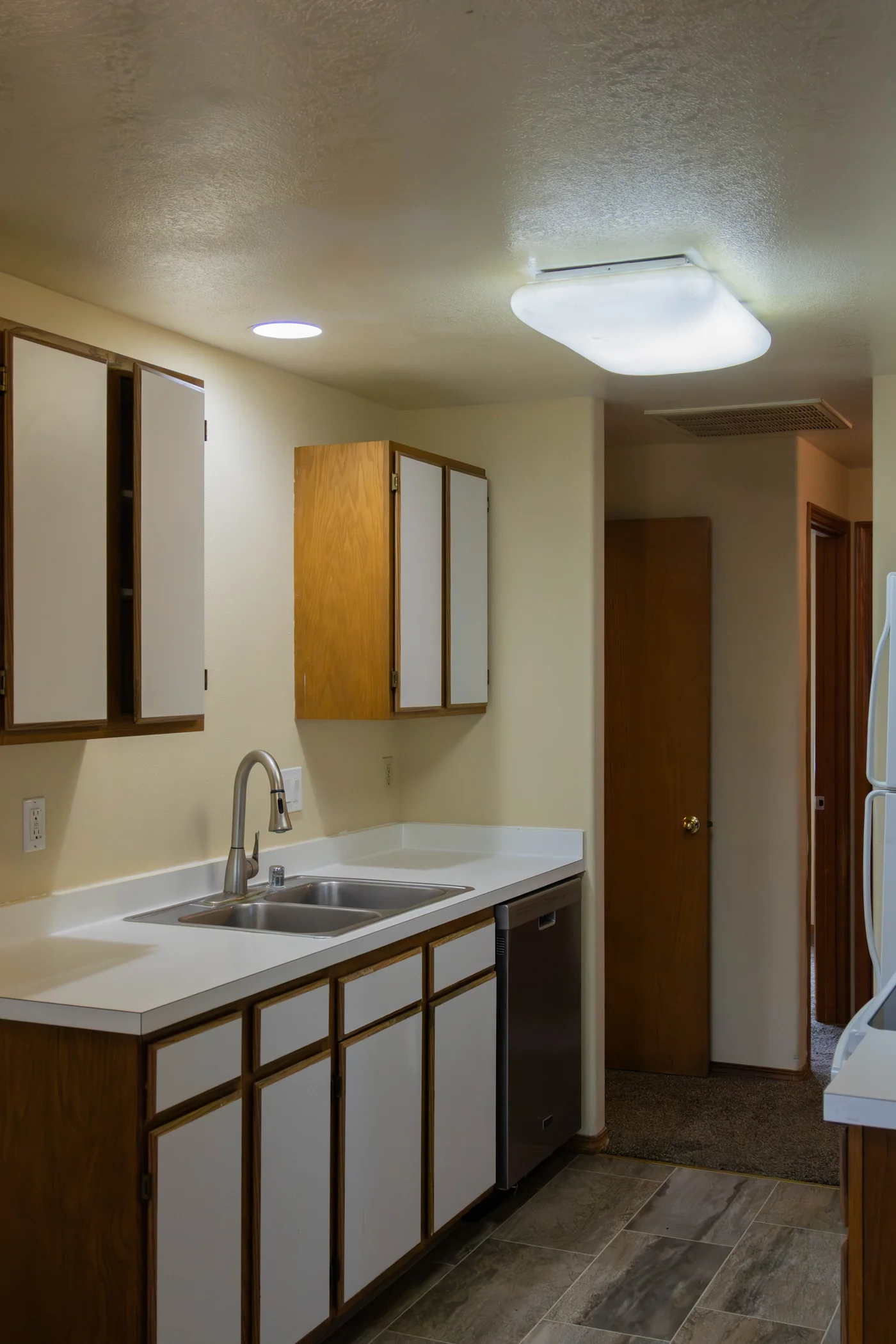
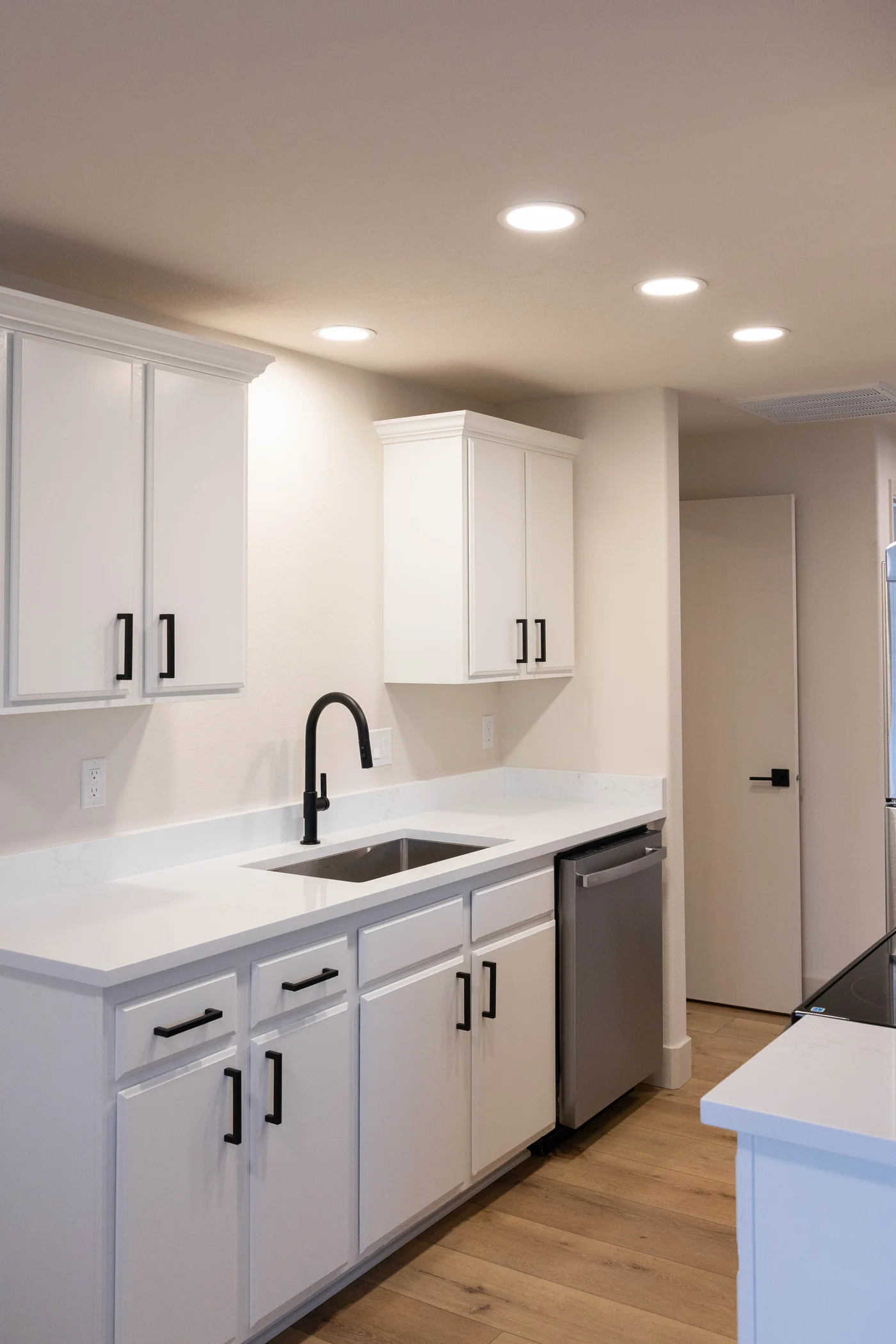
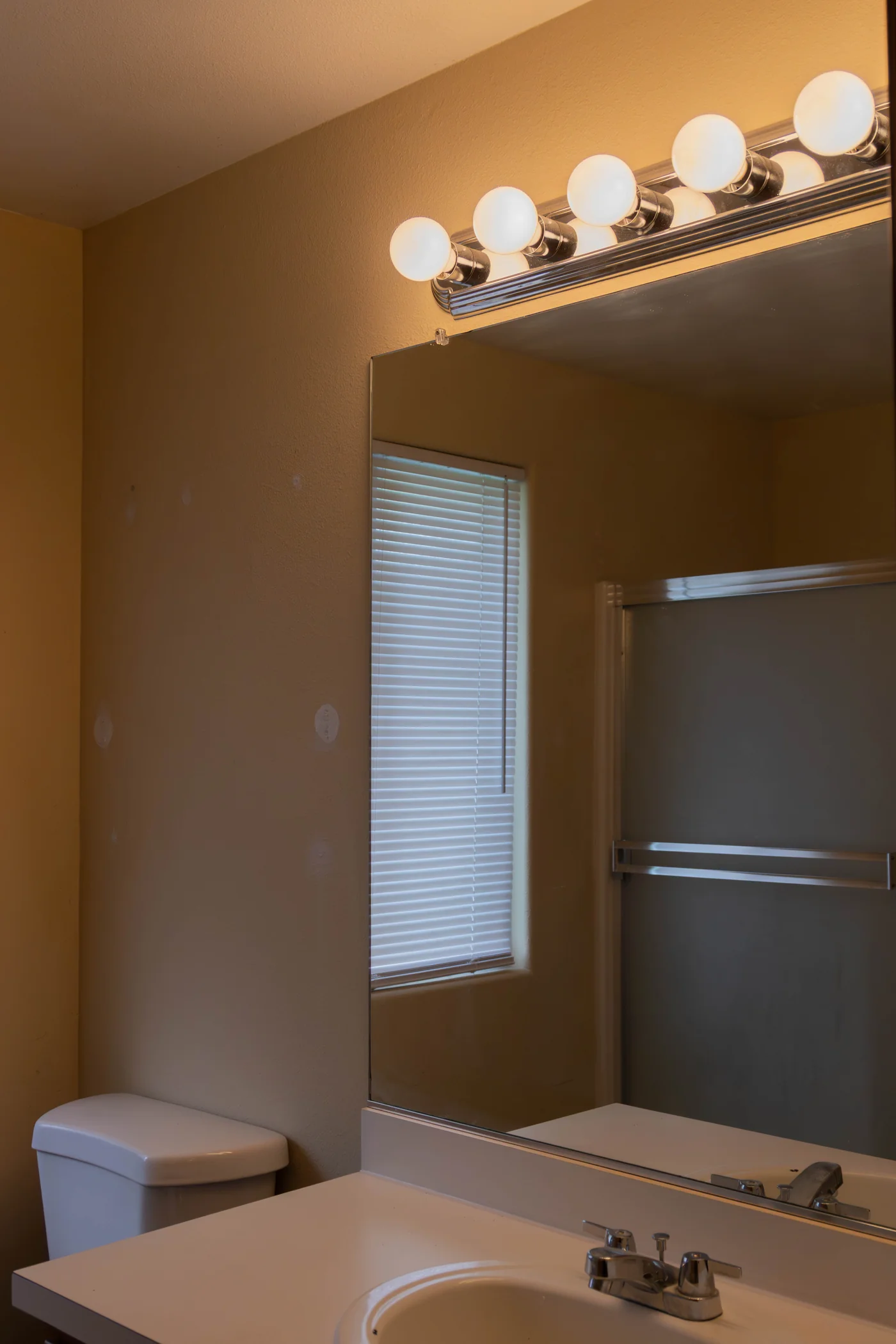
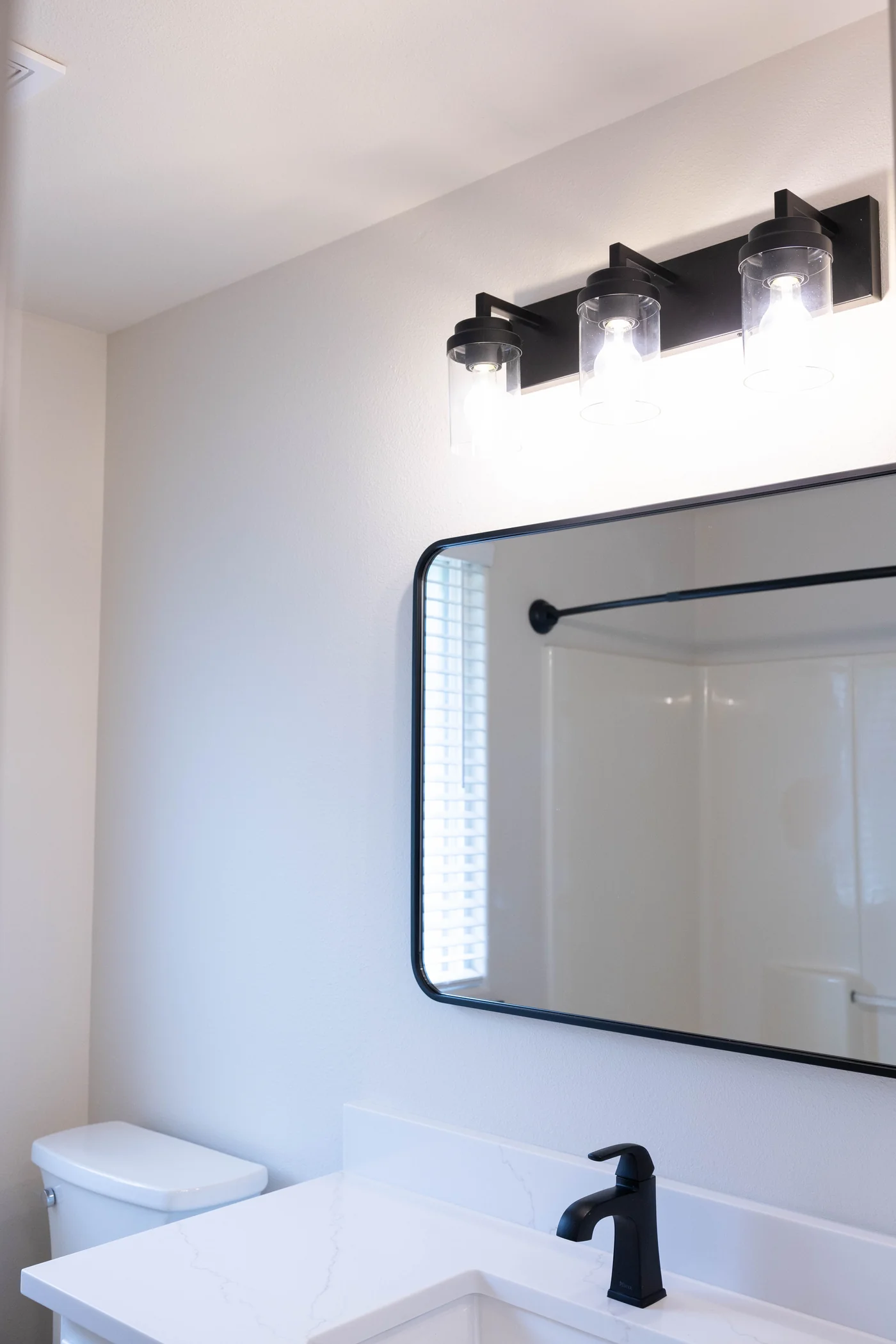
Three real projects, photo-documented for the insurance carrier and backed by our 5-year workmanship warranty. Drag each handle to compare.
“Had a leak in our wall and our plumber recommended Robinson Restoration to handle remediation of the water damage. Christian and Adolfo were awesome. Great communication throughout the setup of the containment area and installation of the equipment to start the drying process.”
Won Lee · Google Review
“We recently had an unfortunate plumbing issue that led to some significant flooding issues. On the recommendation of our plumber we reached out to Robinson Restoration to help us with drying out our house and getting it ready to be put back together.”
Don Warner · Google Review
“We've had the bittersweet opportunity to have Robinson in our lives twice now. First, for a major 3,000 sq ft mold remediation of our crawl space. Then last week, we had an unfortunate flood. I don't know what we would have done without them.”
T Marie C · Google Review
In Oregon, you choose your restoration contractor, and your carrier can’t penalize you for it. We document every Coburg loss with moisture maps, photos, and daily readings, then bill your insurer directly. You pay your deductible. That’s it.
Subject to policy coverage and deductible. We handle the paperwork, photos, and adjuster calls.
People usually run that search with a towel in one hand. A Coburg call reaches a live dispatcher at any hour, and the responding crew arrives with extraction units, air movers, low-grain dehumidifiers, and meters already aboard. We photograph and log from the first walkthrough forward, and billing goes to your carrier directly rather than to you.
Yes, and small towns are a normal part of our coverage in Lane County. Crew size scales to the loss, so a single wet bathroom gets the right number of air movers rather than a truckload of equipment nobody needs. Dispatch runs 24/7 year round, and our target is on-site in 90 minutes or less. Nothing about the job changes because the town is small.
That is the goal, and it drives how we set up. Original fir flooring, plaster, and trim can often be saved with controlled drying, injection systems under floors, and cavity drying inside walls instead of demolition. We take readings in the material itself to decide, not by eye. When something has to come out, we cut to a line that makes the repair simple and keep salvageable trim for reinstallation.
Groundwater and surface runoff are excluded under most standard homeowners policies, while a sudden pipe or appliance failure is generally covered. The distinction gets made from evidence: where the water entered, what the moisture pattern looks like, and what the readings show on day one. We document either way, because even an uncovered loss still has to be dried properly to protect the structure.
Three to five days covers a lot of residential losses, though hardwood, plaster, and dense assemblies run longer. Two things set the schedule: how much water got in and what materials it soaked. Equipment stays until readings say the structure is dry, and you see those numbers every day. We would rather run one extra day than hand back a wall that grows something in March.
We do. Industrial and commercial work needs a different setup: larger extraction capacity, desiccant dehumidification for high-bay space, containment so a wet corner does not shut down the whole floor, and after-hours scheduling. We also write scope with business interruption in mind, since the carrier and the owner both need to see what was affected and what stayed operational.
Robinson manages reconstruction through licensed contractors and sister companies, which keeps one company accountable from the first extraction through the last punch list item. On older homes that matters more than usual, because matching original trim profiles, flooring, and plaster texture takes trades who have done it before. We schedule, inspect, and carry the same documentation into the repair estimate.
Wet framing does not wait for business hours. Call now and we'll get equipment on it tonight.
Licensed · Insured · IICRC Certified · Serving Washington & Oregon