Robinson Restoration is an IICRC-certified water damage restoration company serving Startup, WA. Crews dispatch 24 hours a day, arrive on-site in 90 minutes or less, document the readings and photos your carrier needs, and bill your insurance directly on covered claims.
Startup sits along the Skykomish River on the US 2 corridor, where mill-town history, river cabins, and steep timbered ground all share the same weather. Water damage out here rarely stays small. Robinson Restoration takes calls around the clock and gets certified crews moving up the highway with drying equipment already loaded.
This stretch of the Sky valley catches serious rain, and atmospheric river storms in November and December can put the river over its banks while snowmelt adds to it. Homes here range from early logging-era houses to cabins, additions built by owners over the decades, and newer places on acreage. Most run well and septic. Roofs take moss, needle litter, and long wet seasons, so leaks tend to start quietly in an attic.
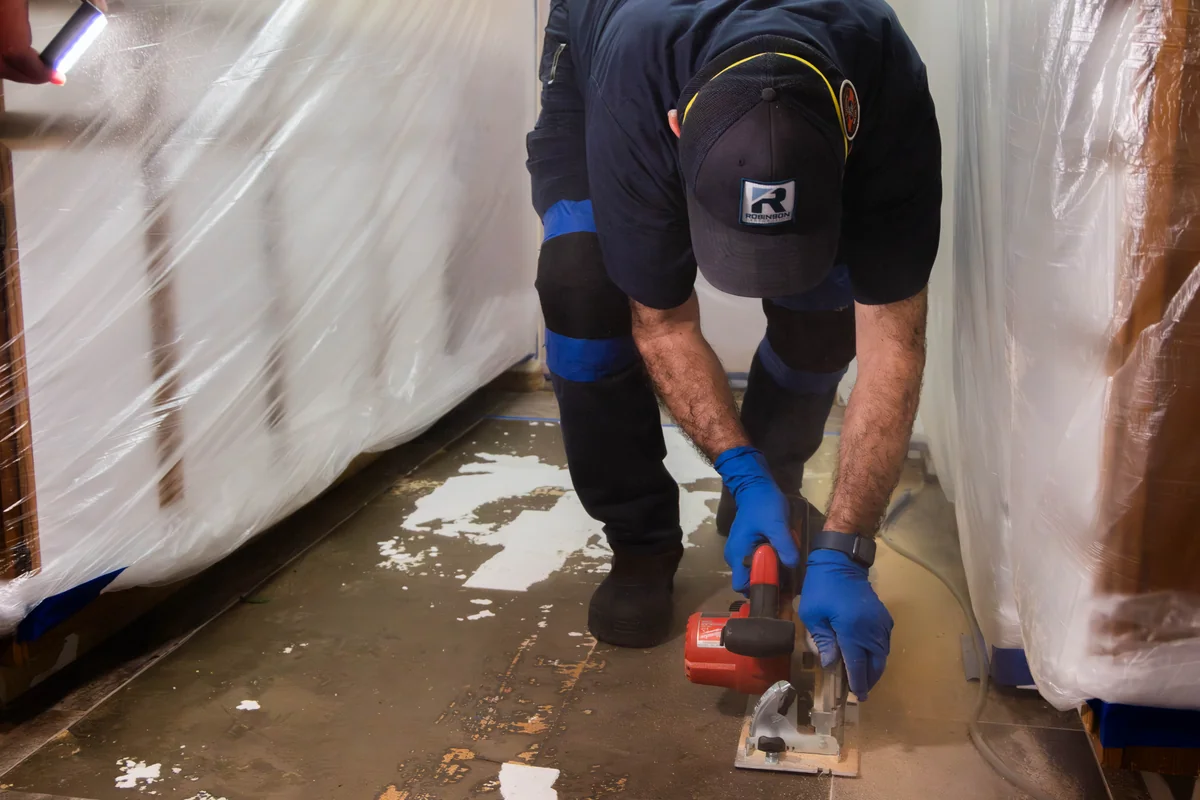
Dispatch runs 24/7 out of our Kent operations center, and crews working the Snohomish County side of US 2 come stocked for rural jobs: generators, extra hose, and enough dehumidification for a house with a big open floor plan. Technicians follow IICRC S500 protocols, map moisture before removing anything, and log readings daily. We bill insurance carriers directly and write the file the way adjusters need it, which keeps a Startup claim from sitting in review.

Rain, river, or a dark stretch of highway: a Startup call still gets a live dispatcher and a crew assigned on the spot.
24 hours a day, 7 days a week, our crews dispatch the moment you call and start mitigation the same visit. Call dispatch or message us for immediate help.
We stop further damage with commercial extraction, structural drying, and antimicrobial treatment, and we walk you through the entire insurance claim as we work.
We manage your rebuild to pre-damaged condition through our trusted network of licensed contractors and sister companies. One manager, one timeline.
The Skykomish valley funnels warm Pacific storms straight inland, and a single December system can drop rain for days while melting mountain snow at the same time. Gutters overflow, downspout lines back up, and hillside runoff arrives at the uphill wall of a house. Interior damage usually shows up on the low side, well away from where the water actually got in.
Homes and cabins on the low benches near the Skykomish deal with a rising water table before they ever see surface flooding. Crawlspaces take groundwater, and river water carries silt, bacteria, and whatever the current picked up upstream. We handle it as category three from the start, which means removing porous materials rather than trying to dry them.
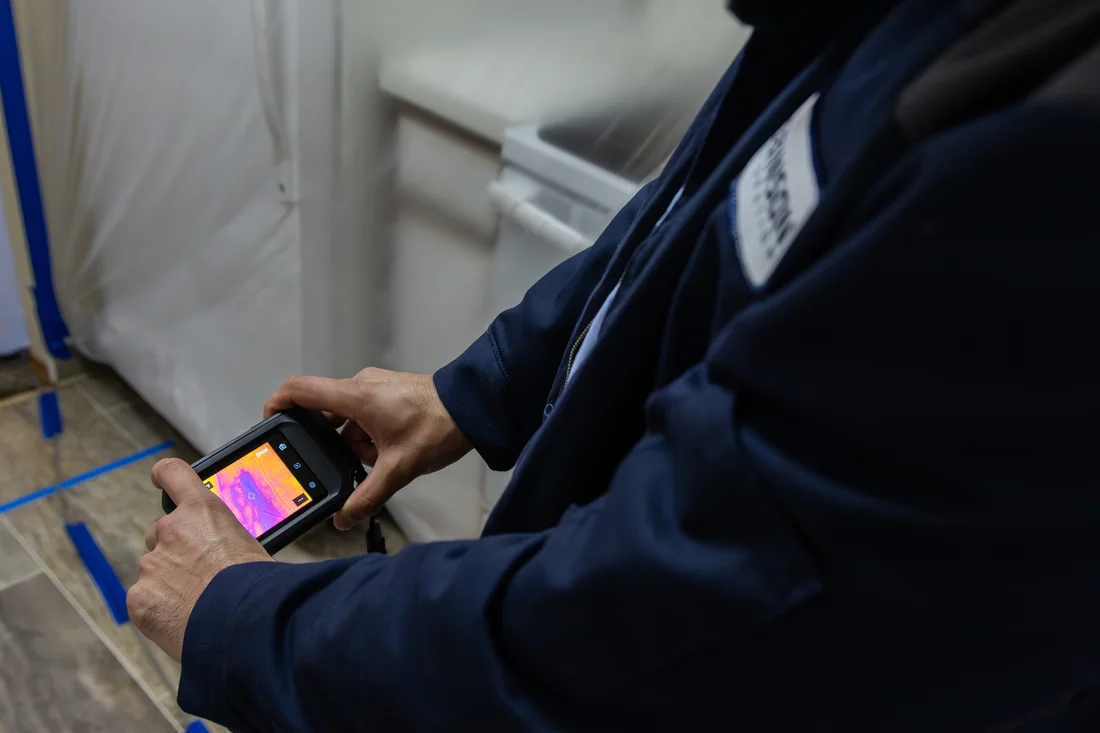
Big conifers shed needles onto roofs and into valleys year-round out here, and moss holds moisture against shingles through eight months of wet weather. The leak that results is slow, feeds an attic or a wall cavity, and often gets discovered as a stain on a ceiling months later. Thermal imaging and moisture meters find the real extent.
Cold air settles in this valley, and elevation climbs fast toward Stevens Pass. Cabins used seasonally, homes with crawlspace plumbing, and pump houses on well systems are the ones that split. Power outages make it worse: heat goes out, pipes freeze, then the power comes back and a thawed line runs unattended into an empty house.
Most of the losses we run in Startup start one of three ways: flooding and groundwater, roof and storm leaks, and frozen and split pipes. Here is why each one happens here, and what it takes to dry it properly.
The Skykomish rises fast during warm winter storms, and low benches near the river take groundwater through crawlspaces before any surface water appears. River flooding is contaminated water and gets handled that way from arrival.
Moss, needle litter, and a long wet season work on roofs constantly in this part of the valley. Leaks here run slow, soak attic insulation and framing, and often go unnoticed until a ceiling stains.
Cold settles in the Sky valley and holds, especially at elevation east of Startup. Seasonal cabins and crawlspace plumbing split during outages, then run freely once heat and power return.
Water is how most losses start. It’s rarely where they end. The same local crew handles all of it.
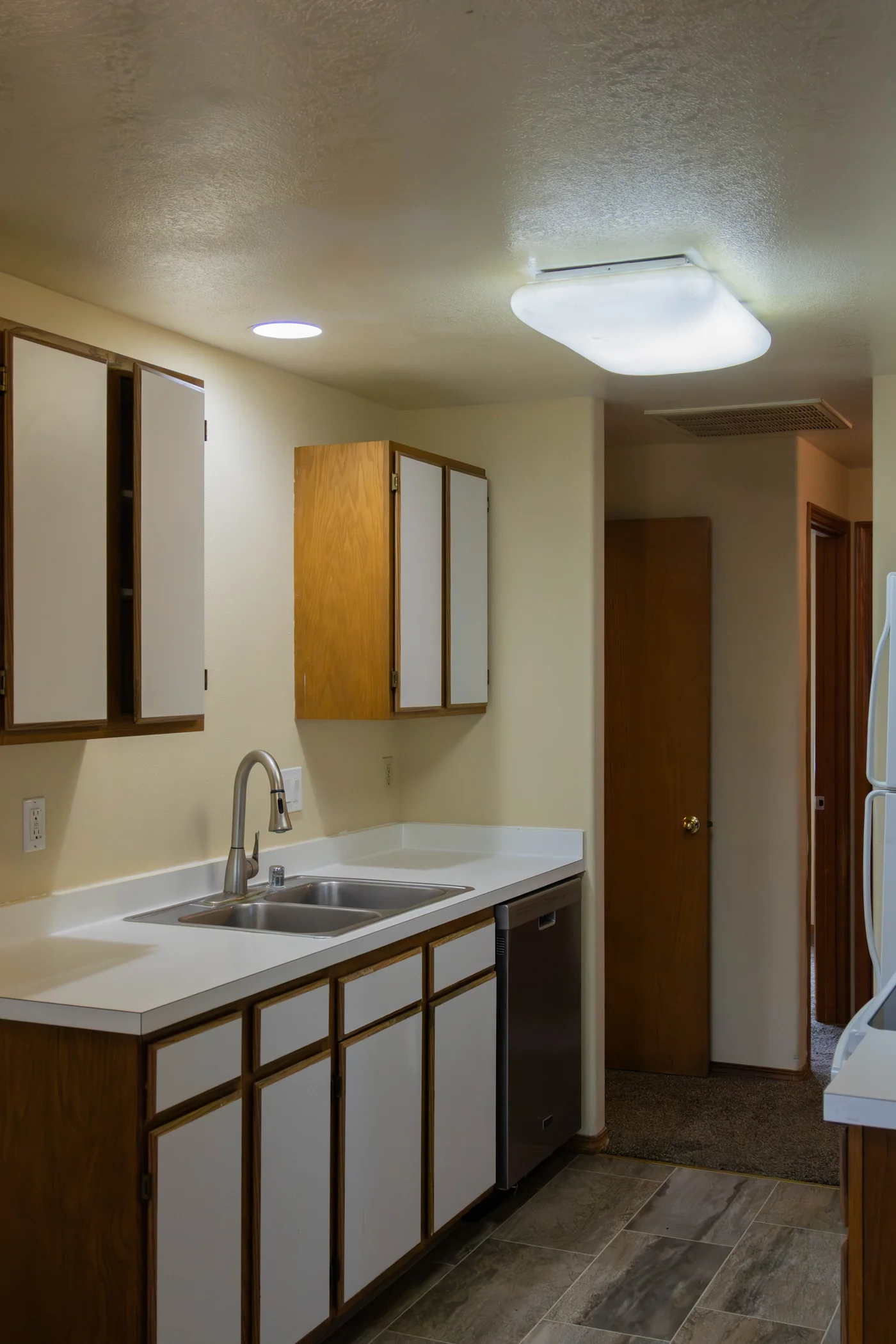
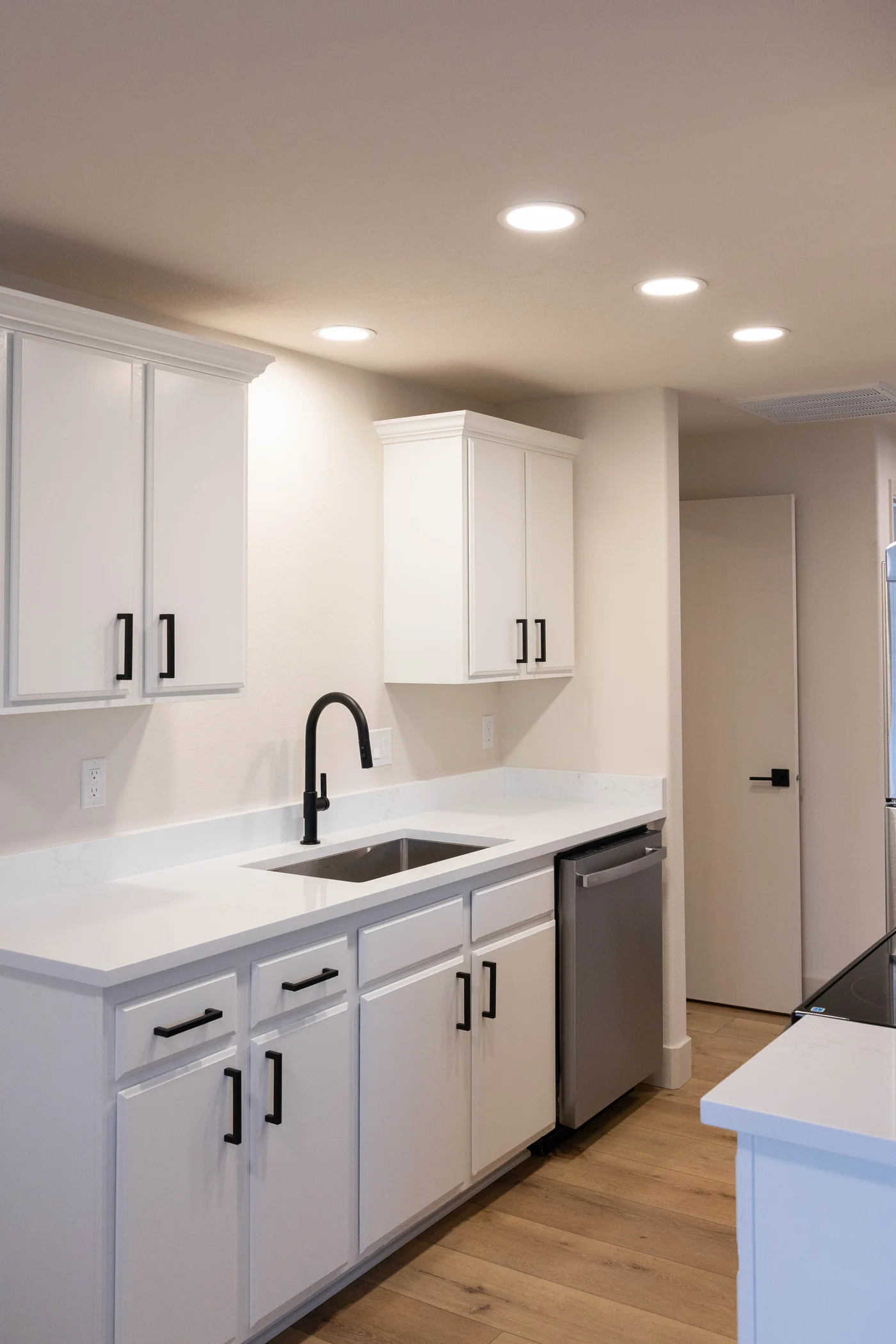
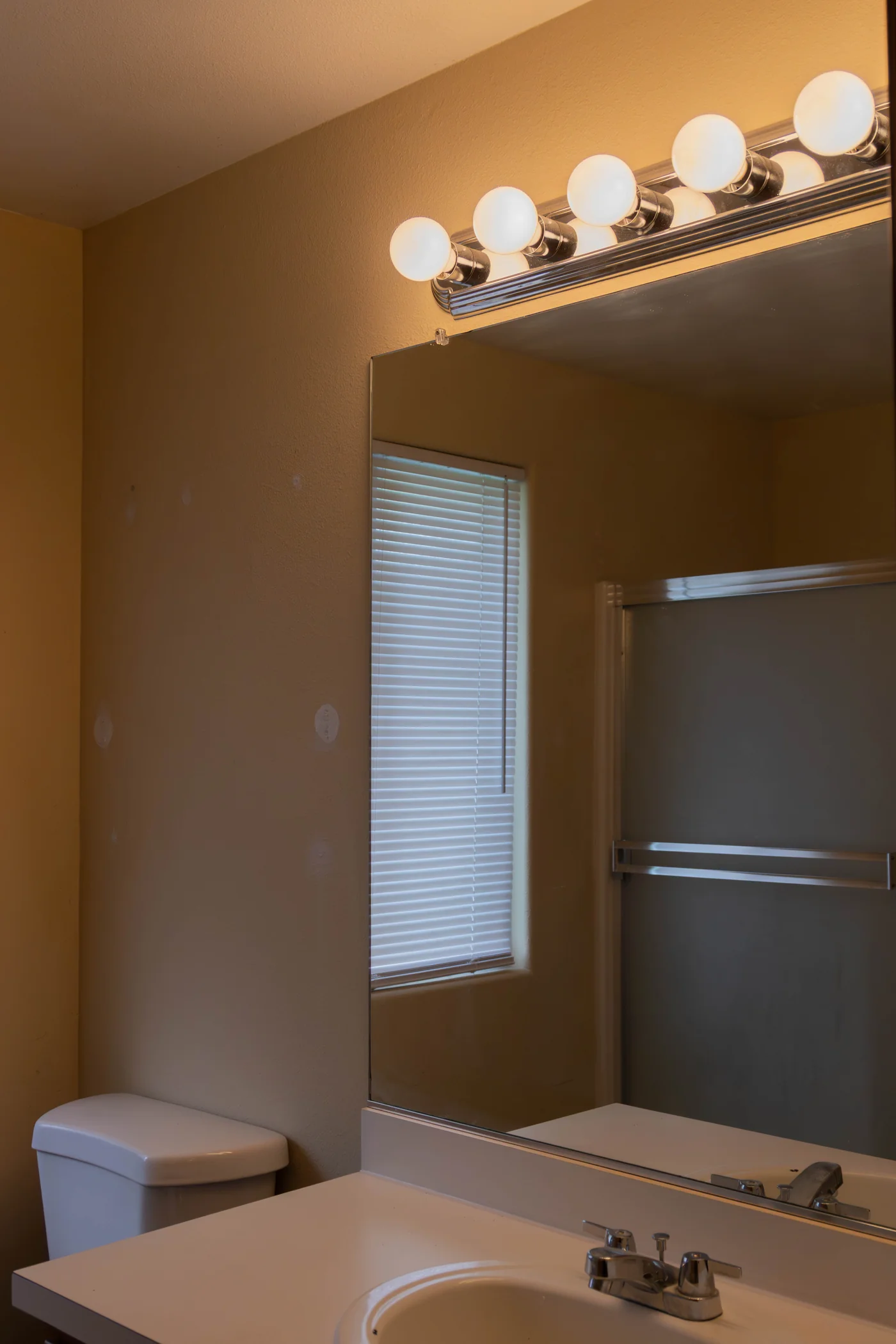
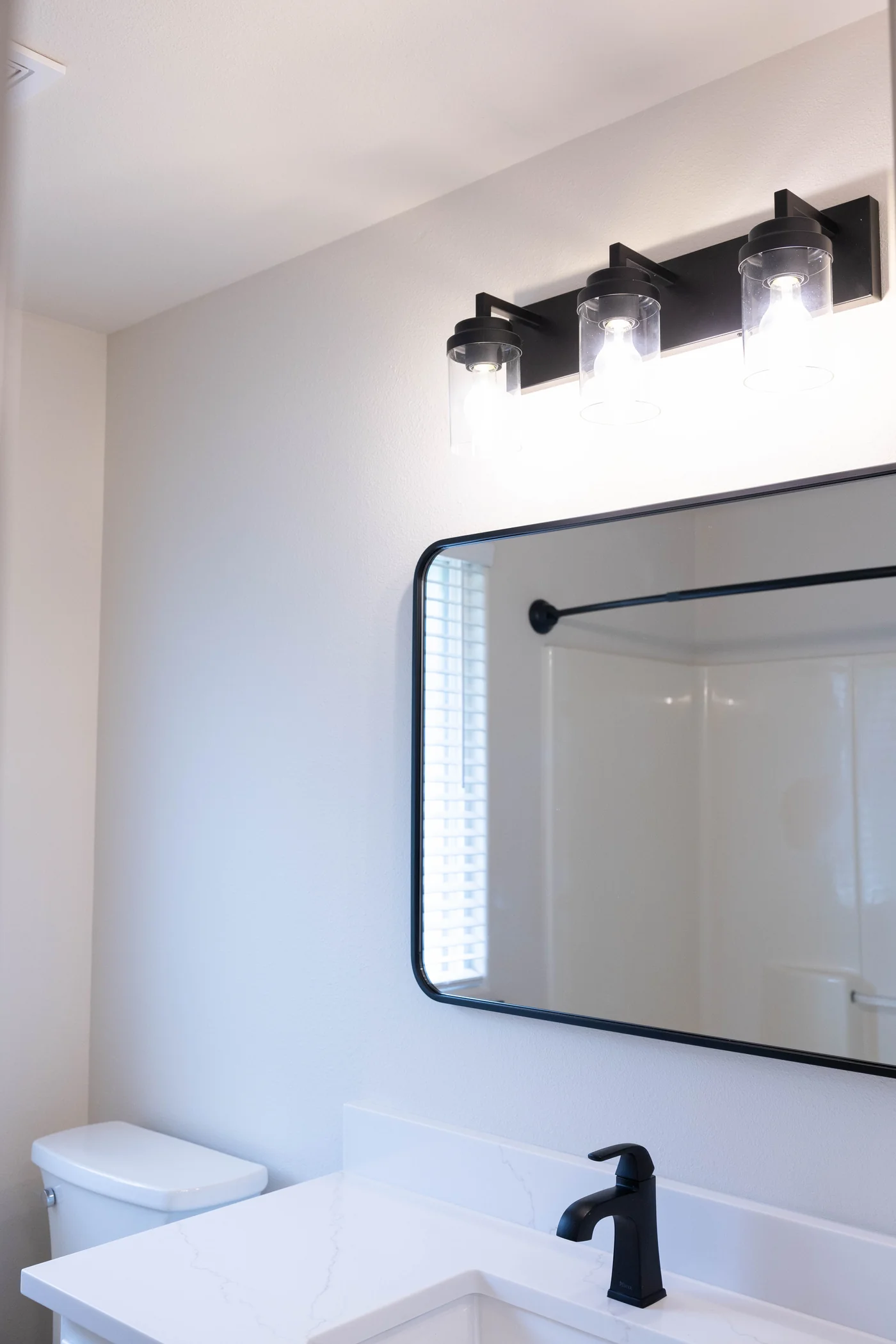
Three real projects, photo-documented for the insurance carrier and backed by our 5-year workmanship warranty. Drag each handle to compare.
“Kyla and Jake were super friendly and knowledgeable. Jake was at my house 90 minutes after I called and did a free inspection. I won't need their services this time, but I will definitely call them if I ever have to deal with water damage.”
Carmen Otten · Google Review
“Had a leak in our wall and our plumber recommended Robinson Restoration to handle remediation of the water damage. Christian and Adolfo were awesome. Great communication throughout the setup of the containment area and installation of the equipment to start the drying process.”
Won Lee · Google Review
“We recently had an unfortunate plumbing issue that led to some significant flooding issues. On the recommendation of our plumber we reached out to Robinson Restoration to help us with drying out our house and getting it ready to be put back together.”
Don Warner · Google Review
In Washington, you choose your restoration contractor, and your carrier can’t penalize you for it. We document every Startup loss with moisture maps, photos, and daily readings, then bill your insurer directly. You pay your deductible. That’s it.
Subject to policy coverage and deductible. We handle the paperwork, photos, and adjuster calls.
Yes, we cover Startup with a crew that works the Skykomish valley regularly. Dispatch is answered by a real person around the clock, and the truck rolls loaded with extraction units, air movers, and commercial dehumidifiers so drying starts on the first visit. We bill your insurance carrier directly and document the loss for the adjuster.
Yes. Startup, Sultan, Gold Bar, and Index all sit inside our Snohomish County coverage, and dispatch is live 24 hours a day. Rural addresses take a little extra care, so tell us about long driveways, gates, bridges with weight limits, or seasonal access issues when you call. We would rather plan the approach than have a loaded truck turn around at your property line.
Usually not. Standard homeowners policies exclude flooding from a river or surface water, which is why separate flood coverage matters along the Skykomish. Damage from a burst pipe or a failed appliance inside the house is a different category and is typically covered. We document the source and the water line carefully, because that record determines which policy applies.
Yes, and it is common in Startup. Roof leaks in heavy-timber country run slow, so by the time a stain shows up, insulation and framing above it have often been damp for a while. We use meters and thermal imaging to find the actual wet area, which is usually larger than the stain. Catching it before the wet season ends saves the ceiling and often the drywall.
Kill power to the well pump first, at the breaker, then close the valve at the pressure tank. That stops the supply the way a city-style street shutoff would. If a pipe froze and split, leave the system off until the structure warms and someone can inspect the line. Our dispatcher will walk you through it while the Startup crew is on the way.
Three to five days is typical for a contained loss, longer for saturated hardwood, crawlspaces, or older homes with layered flooring. Ambient humidity matters, and this valley stays wet from November into spring, so we size dehumidification for real conditions instead of a rule of thumb. Daily moisture readings tell us when a structure is dry. We pull equipment when the numbers say so.
We do the emergency work, mitigation, and drying, then manage the rebuild through vetted licensed contractors and our sister companies. In a small community like Startup, lining up drywall, flooring, and paint on your own can take weeks of phone calls. We coordinate the trades, keep the schedule moving, and hand the insurance carrier one consistent set of documentation across both phases.
A wet floor in Startup will not dry on its own. Call and we will start moving now.
Licensed · Insured · IICRC Certified · Serving Washington & Oregon