Robinson Restoration is an IICRC-certified water damage restoration company serving West Richland, WA. Crews dispatch 24 hours a day, arrive on-site in 90 minutes or less, document the readings and photos your carrier needs, and bill your insurance directly on covered claims.
Newer houses fail in newer ways. Second-floor laundry rooms, upstairs bathrooms over open living space, tankless units in the garage: when one of those lets go in West Richland, water travels down through the structure fast. Robinson Restoration answers around the clock and gets extraction started on the first visit.
This side of the river grew quickly, and much of the housing dates from the last thirty years: two-story homes on slab or shallow foundations, wide subdivisions, and acreage lots out toward the Yakima River and the vineyard ground west of town. Summers run hot and bone dry, winters bring real freezes, and the sandy soil drains so well that nobody thinks about water until it is already inside.
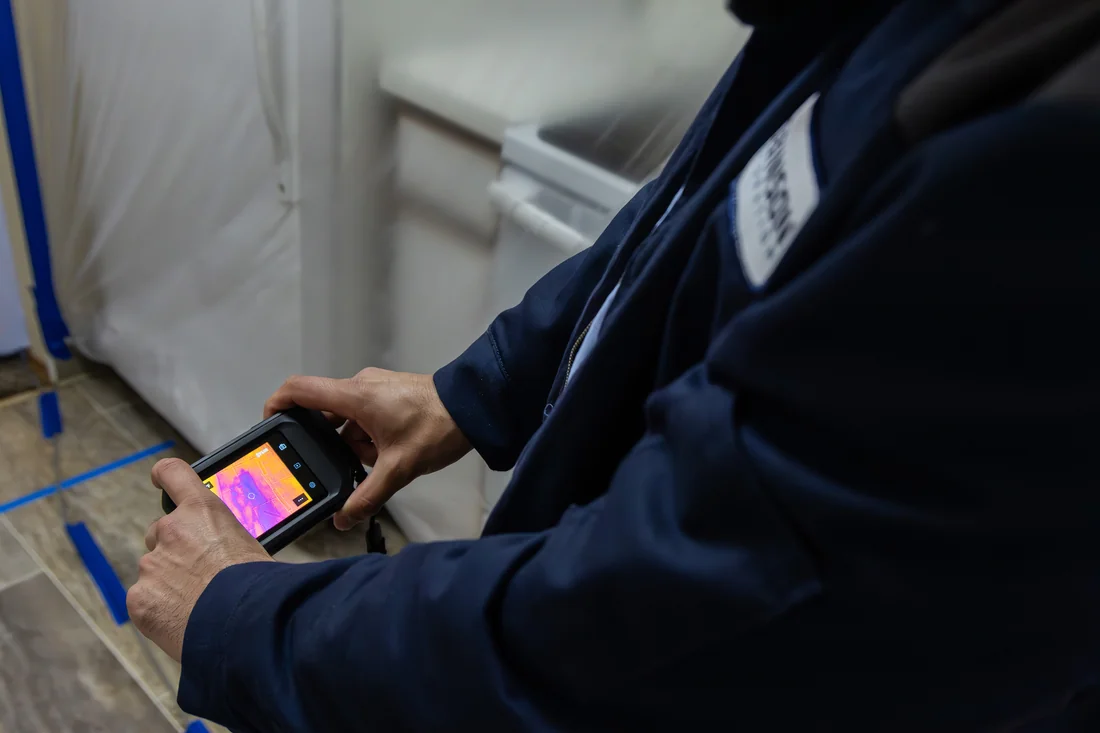
West Richland calls come into our Tri Cities dispatch, staffed 24/7, and we can be on-site in 90 minutes on emergency calls. Crews map moisture before touching a wall, log readings on every affected material daily, and dry to IICRC S500 standards rather than to a schedule. We bill your carrier directly and build the photo and data file your adjuster needs to approve the scope.

A two-story loss spreads through the structure quickly, so our crews arrive equipped to open ceilings, dry cavities, and stabilize the whole path the water took.
24 hours a day, 7 days a week, our crews dispatch the moment you call and start mitigation the same visit. Call dispatch or message us for immediate help.
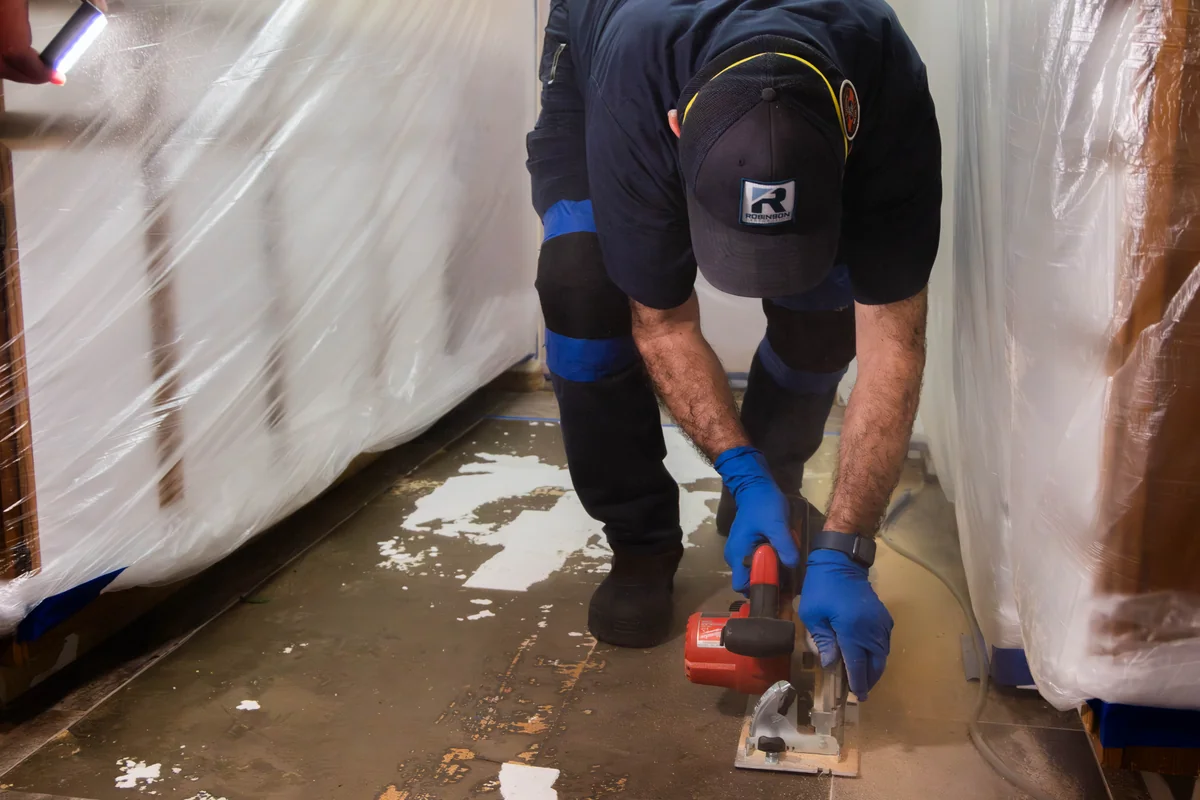
We stop further damage with commercial extraction, structural drying, and antimicrobial treatment, and we walk you through the entire insurance claim as we work.
We manage your rebuild to pre-damaged condition through our trusted network of licensed contractors and sister companies. One manager, one timeline.
An upstairs supply line or overflowing tub does not stay upstairs. Water runs along joists, drops through can lights, and soaks the ceiling, insulation, and wall cavities on the level below before it reaches the floor. Drying only the room where it started leaves saturated framing in between. We open and dry the entire path, then verify with readings on both levels.
Newer builds put plumbing in places older homes never did: garage walls, laundry rooms over unconditioned space, and long attic runs feeding a second bathroom. Those lines sit outside the heated envelope, and a hard basin cold snap finds them. Homeowners who leave for the holidays with the thermostat turned down are the ones who come back to a wet house.
Lots closer to the river sit on ground where the water table rises with high flows and heavy irrigation upstream. Crawlspaces that have stayed dry for a decade can take on water in a single wet stretch, and a saturated crawl keeps pushing humidity into the floor system above it. Drying that space properly means extraction, vapor barrier replacement, and verified framing readings.
West of the subdivisions the lots get bigger, with shops, wellhouses, barns, and homes on private water. Those outbuildings sit unheated through winter and fail without an audience. On well systems the fastest shutoff is the pump breaker rather than a valve, and knowing that before an emergency saves hundreds of gallons of damage.
Most of the losses we run in West Richland start one of three ways: frozen and split pipes, appliance failures, and burst and leaking pipes. Here is why each one happens here, and what it takes to dry it properly.
Cold settles into the basin for days, and lines in garages, attics, and laundry rooms over unheated space are the ones that split. Many break while the house is empty over a holiday.
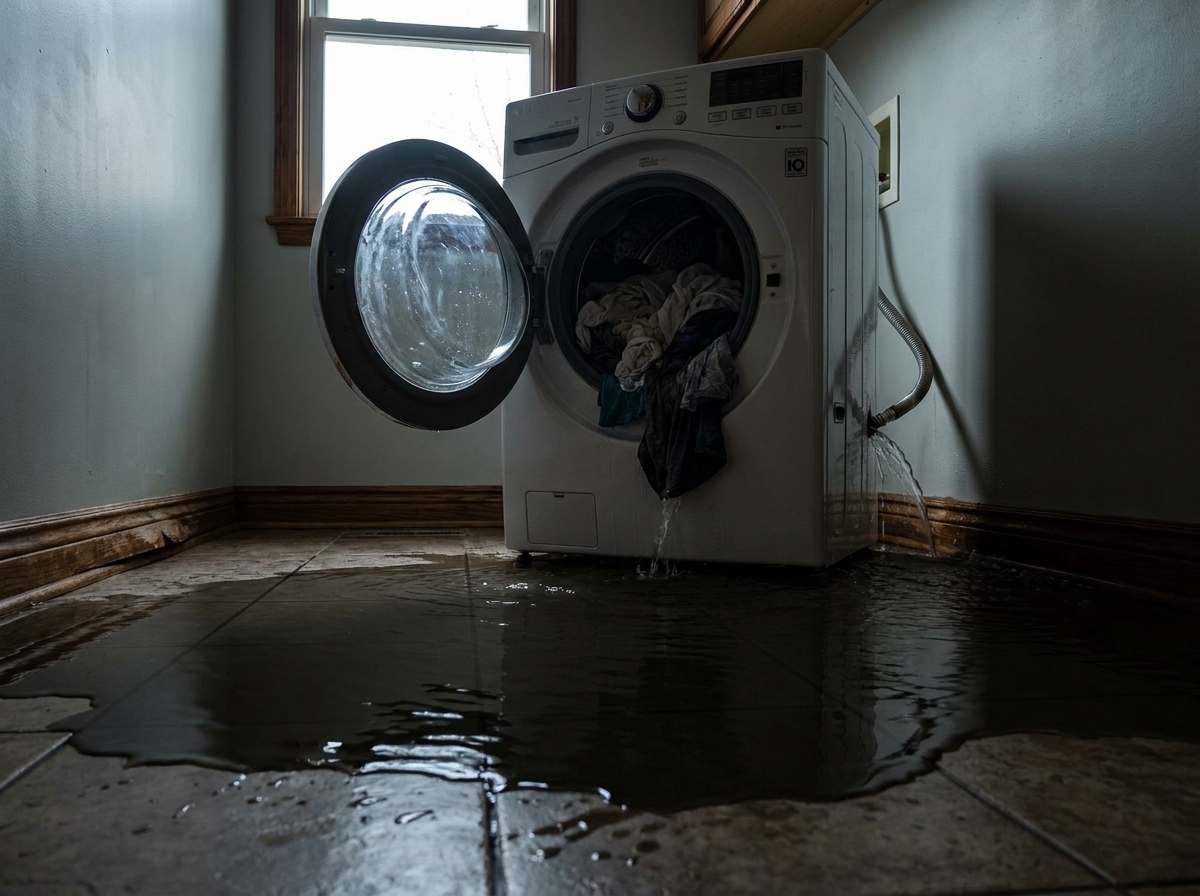
Second-floor washers, refrigerator supply lines, and dishwashers fail directly above finished living space. Water reaches the ceiling below within minutes, and the drywall usually holds it until the whole assembly is saturated.
Spring irrigation startup pressurizes lines that sat idle all winter, and a split riser or backflow assembly dumps volume right against the foundation of a slab home.
Water is how most losses start. It’s rarely where they end. The same local crew handles all of it.
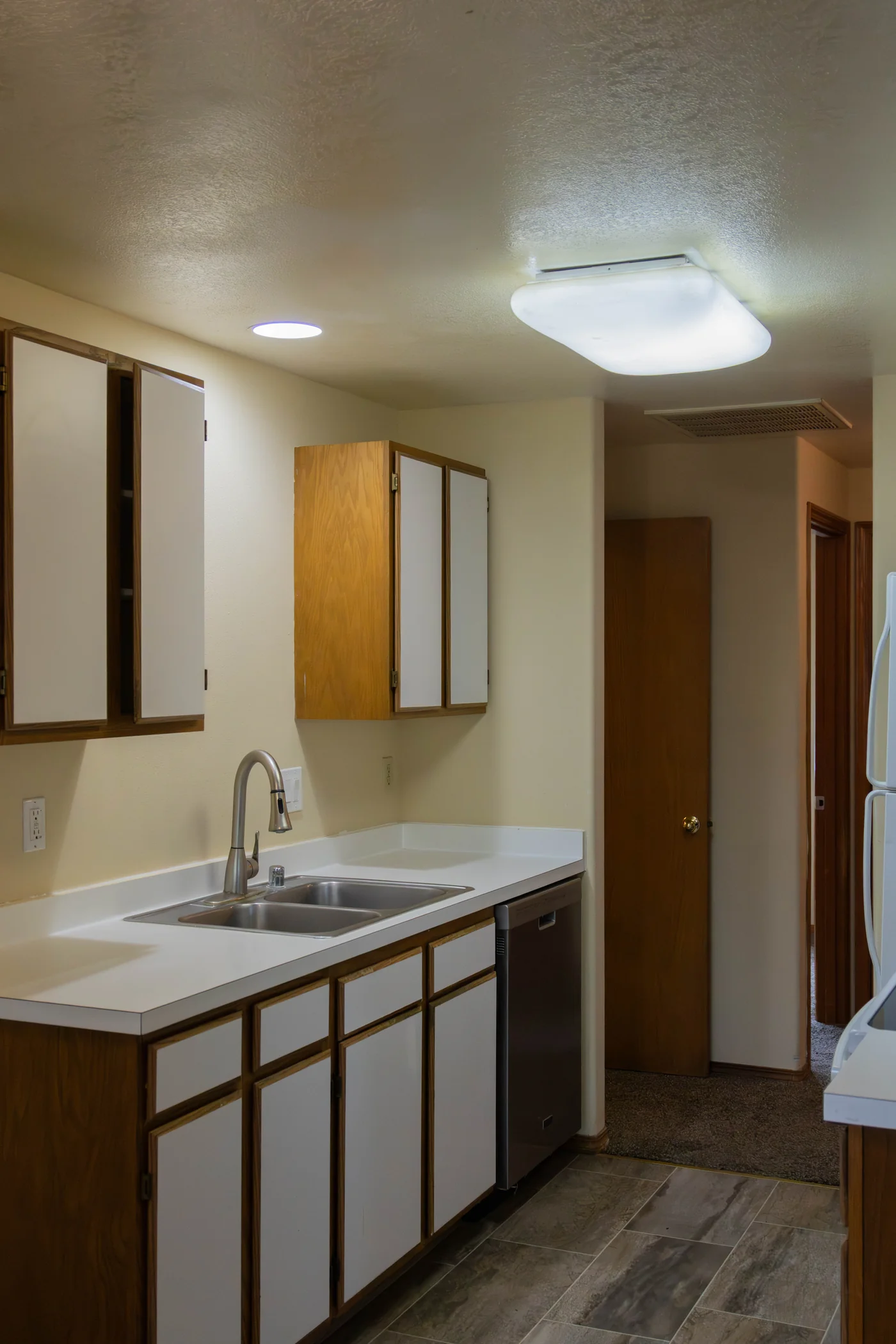
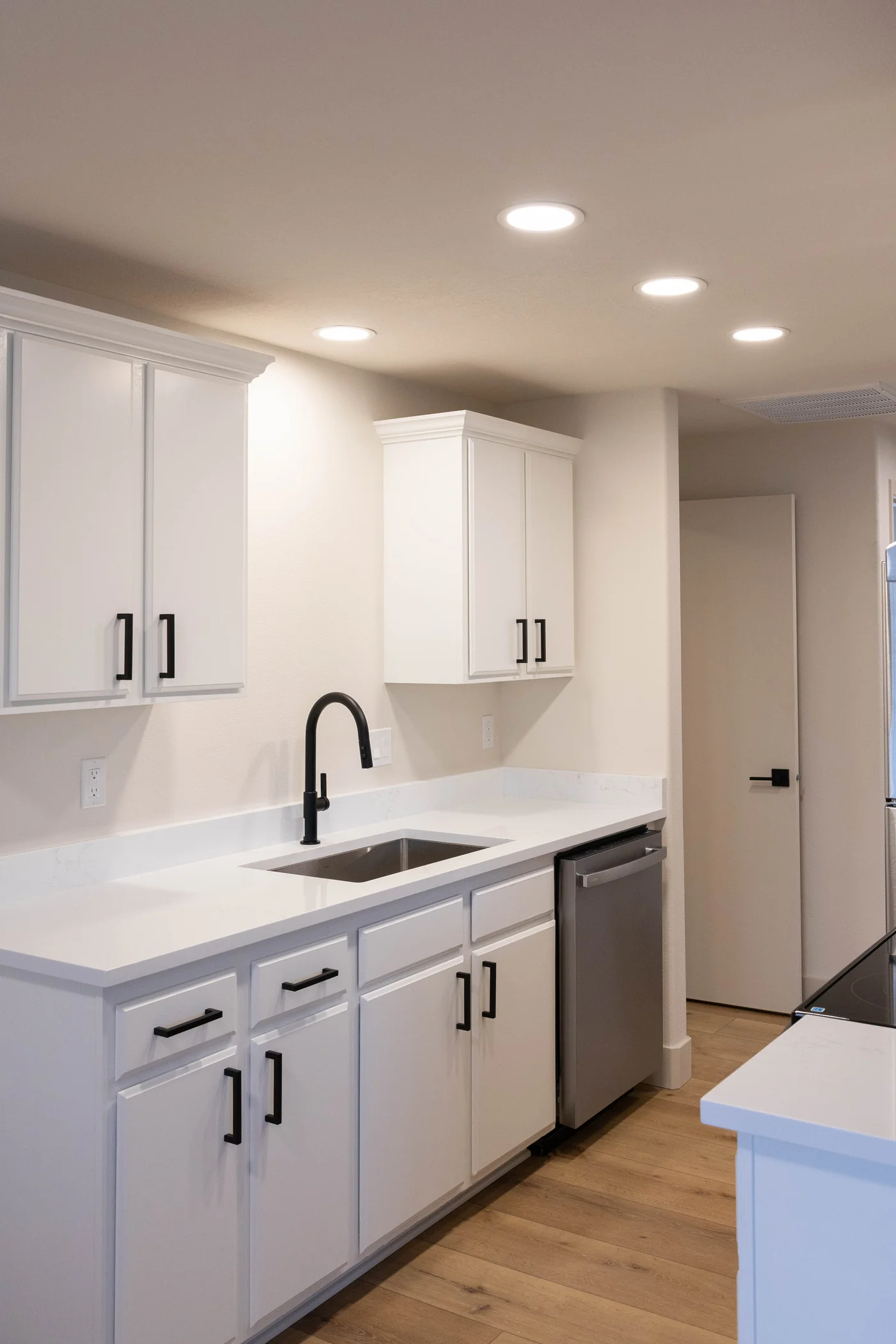
Three real projects, photo-documented for the insurance carrier. Drag each handle to compare.
“Just started a project with Cole and Chuck at Robinson Restoration and had to write a review straight away. These guys have been fantastic. We were away on a week long trip when we had a kitchen leak that destroyed our flooring and subfloor.”
Justin O'Neill · Google Review
“I want to express our sincere gratitude to the Robinson team that quickly moved to identify, rectify, repair, and then clean up the mess left by an itty-bitty hot water leak that went unnoticed because of its location.”
Michael Quinn · Google Review
“Kyla and Jake were super friendly and knowledgeable. Jake was at my house 90 minutes after I called and did a free inspection. I won't need their services this time, but I will definitely call them if I ever have to deal with water damage.”
Carmen Otten · Google Review
In Washington, you choose your restoration contractor, and your carrier can’t penalize you for it. We document every West Richland loss with moisture maps, photos, and daily readings, then bill your insurer directly. You pay your deductible. That’s it.
Subject to policy coverage and deductible. We handle the paperwork, photos, and adjuster calls.
Somebody answers the phone at two in the morning, because dispatch runs 24/7. Robinson fields a Tri-Cities team that treats Benton County as home turf, and West Richland is part of its daily coverage. Once you call, we'll be on-site in 90 minutes or less, with commercial extractors, air movers, and dehumidifiers on the truck. Billing goes directly to your insurance company.
Sometimes, and it depends on how much water it holds and how it drained. A ceiling that is sagging or has lost bond needs to come down for safety. A ceiling that got wet at the edges may dry in place with cavity airflow. Either way the insulation above it usually has to go, because wet fiberglass and blown insulation lose their value and hold moisture against the framing.
Generally yes, as long as the home was heated. Washington carriers commonly exclude freeze losses where a residence was left vacant with the heat off or the plumbing not drained, and that is where claims get contested. We document interior conditions, the failure point, and evidence of how long water ran, so the adjuster is working from facts. Save your thermostat records if you have a smart system.
Housing age mostly. More of West Richland is recent construction with two stories, engineered flooring, and plumbing routed through attics and garage walls, so water travels vertically and hides in ceiling cavities. There is also more acreage on wells and septic here. Both change the drying plan, the shutoff procedure, and what the adjuster needs to see in the documentation.
Sometimes. Engineered wood can often be dried in place with mats and controlled airflow if we get to it early and the subfloor is not saturated. Glued-down vinyl plank usually traps moisture against the substrate and has to come up. Click-together plank over a slab depends on how long it sat wet. We take substrate readings before making that call, since a dry surface tells you very little.
It means we invoice your carrier for the covered mitigation work instead of asking you to pay up front and chase reimbursement. Typically you cover the deductible. We provide the adjuster moisture maps, daily readings, equipment logs, photographs, and an itemized scope in the format carriers expect, and you get the same copies. Nothing goes to your carrier that you have not seen.
Robinson manages reconstruction through vetted licensed contractors and sister companies rather than leaving you to line up trades yourself. For a West Richland two-story that often means ceiling, insulation, flooring, and paint across multiple rooms, and keeping that under one point of contact prevents the gaps where projects stall. The drying file carries directly into the repair scope.
Water from an upstairs failure keeps moving downward. Call now and we will stop it spreading tonight.
Licensed · Insured · IICRC Certified · Serving Washington & Oregon