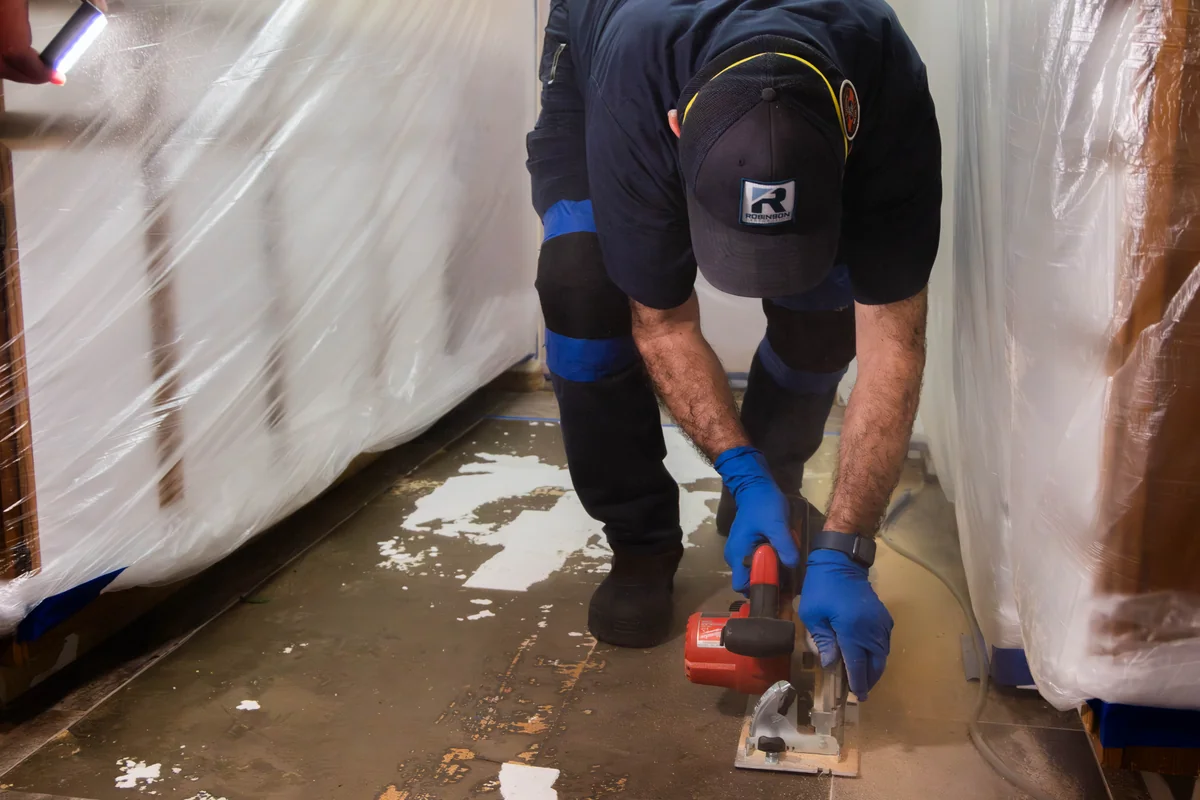
Robinson Restoration is an IICRC-certified water damage restoration company serving Ashford, WA. Crews dispatch 24 hours a day, arrive on-site in 90 minutes or less, document the readings and photos your carrier needs, and bill your insurance directly on covered claims.
Ashford runs on the mountain's schedule, and so does water damage here. A cabin sits empty midweek, a line freezes, and nobody finds it until the weekend. Our dispatch line is answered around the clock, and IICRC-certified crews arrive with pumps, meters, and drying equipment already loaded.
Sitting at the Nisqually entrance to Mount Rainier National Park, Ashford gets weather the lowlands never see: heavy wet snowfall, rain-on-snow events, and long stretches below freezing. Housing runs to cabins, A-frames, lodges, and vacation rentals, most of them on wells and septic with propane or wood heat. Add roofs under snow load, unheated crawlspaces, and buildings that sit vacant for weeks, and small leaks get large before anyone opens the door.
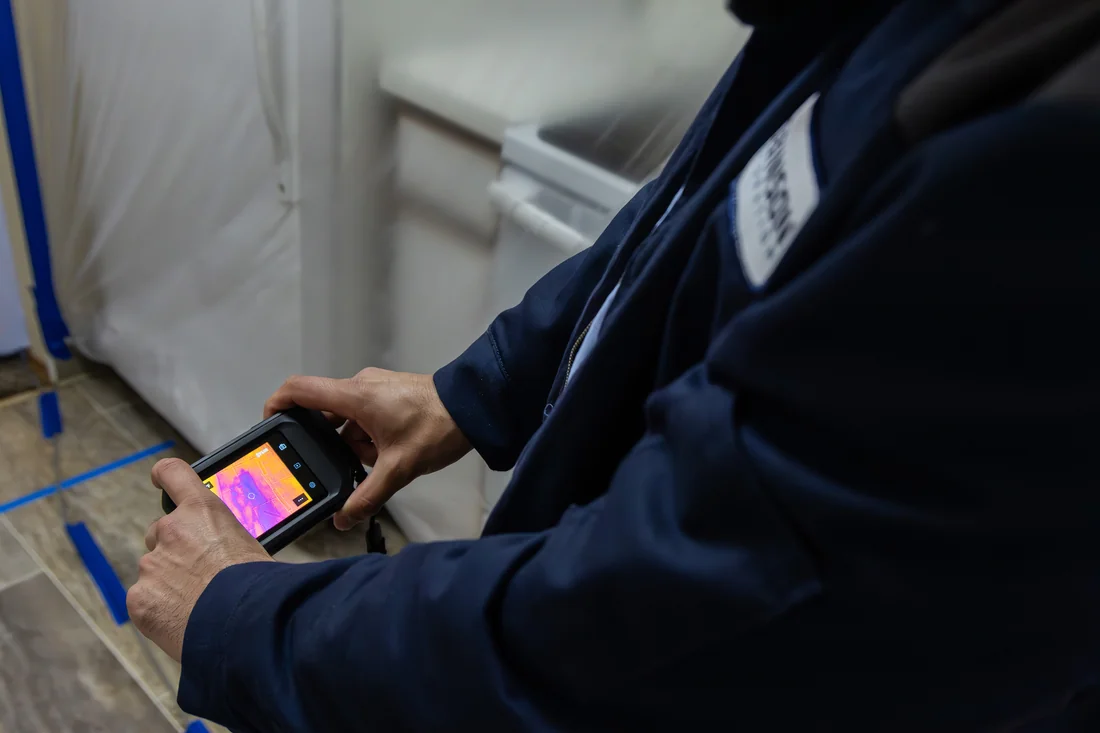
Our Kent operations center runs 24/7 dispatch, and mountain calls get trucks stocked for properties without city water or a paved approach. Crews follow IICRC S500: moisture mapping first, daily readings logged, photographs of every wet assembly. Insurance gets billed directly, including short-term rental and second-home policies, which read differently than owner-occupied coverage. Rebuild work is managed through vetted licensed contractors and sister companies.

Mountain properties get the same 24/7 staffing as valley jobs, with trucks loaded for generators, unheated buildings, and access that snow makes interesting.
24 hours a day, 7 days a week, our crews dispatch the moment you call and start mitigation the same visit. Call dispatch or message us for immediate help.
We stop further damage with commercial extraction, structural drying, and antimicrobial treatment, and we walk you through the entire insurance claim as we work.
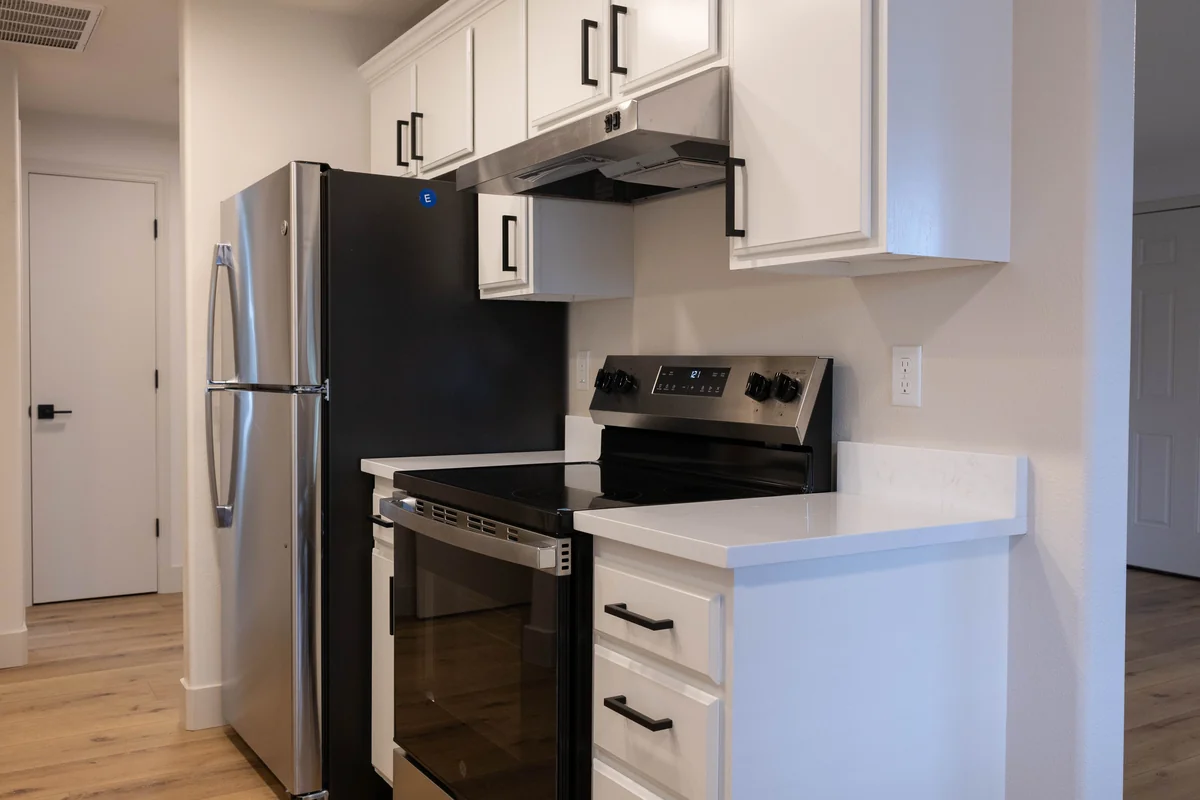
We manage your rebuild to pre-damaged condition through our trusted network of licensed contractors and sister companies. One manager, one timeline.
A vacation place with the heat turned down to fifty is fine until an arctic push drops Ashford well below that for three days. Pipes in exterior walls and crawlspaces split, then thaw, then run. Because nobody is there, the discovery often comes days later, which turns a plumbing repair into a full structural drying job.
Wet Cascade snow piles deep on low-slope roofs and dormers. Heat escaping through an under-insulated ceiling melts the underside, water runs to the cold eave and refreezes, and the dam pushes meltwater back up under the shingles. Ceilings stain, insulation compresses, and the leak stops the moment the weather warms, which makes it easy to ignore.
A lot of Ashford's building stock earns its keep as nightly rental near the park entrance. Guest-caused losses (an overflowed tub, a hose left running, a heater switched off in January) come with their own paperwork, and lost booking income can matter as much as the repair. We document everything with an eye toward both the carrier and the owner's records.
The Nisqually runs cold and fast past Ashford, and glacier-fed rivers behave differently than lowland ones: they carry sediment, shift channels, and surge during warm rain. Properties on the low terraces see groundwater push up through crawlspaces before the river ever leaves its banks. Drying that kind of loss means dealing with the ground under the building as much as the floor above it.
Most of the losses we run in Ashford start one of three ways: frozen and split pipes, roof and storm leaks, and water heater failures. Here is why each one happens here, and what it takes to dry it properly.
Elevation here holds cold longer than the valley. An unoccupied cabin with the propane run low or the power out overnight can lose a supply line in an exterior wall, and it runs until someone arrives.
Heavy snow, fir needles in the valleys, and moss on shaded north slopes keep Ashford roofs working hard. Water follows the rafters downhill and surfaces well away from the opening, often above a bedroom closet or at the top of a wall.
Hard well water builds sediment fast, and tanks in mountain cabins often sit in a utility closet over finished flooring. When the bottom rusts through, forty gallons hits the floor and keeps feeding until the supply is shut.
Water is how most losses start. It’s rarely where they end. The same local crew handles all of it.
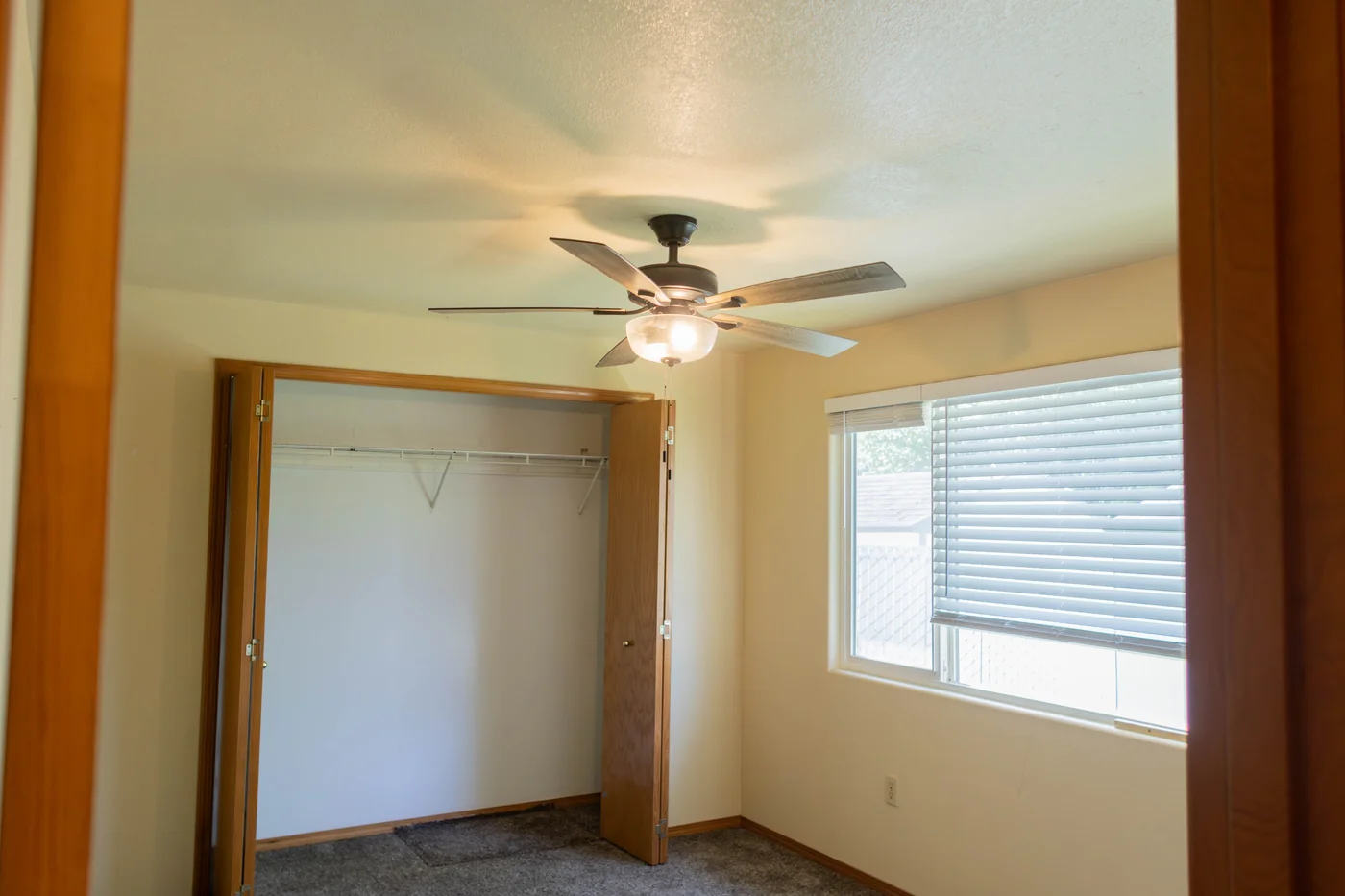
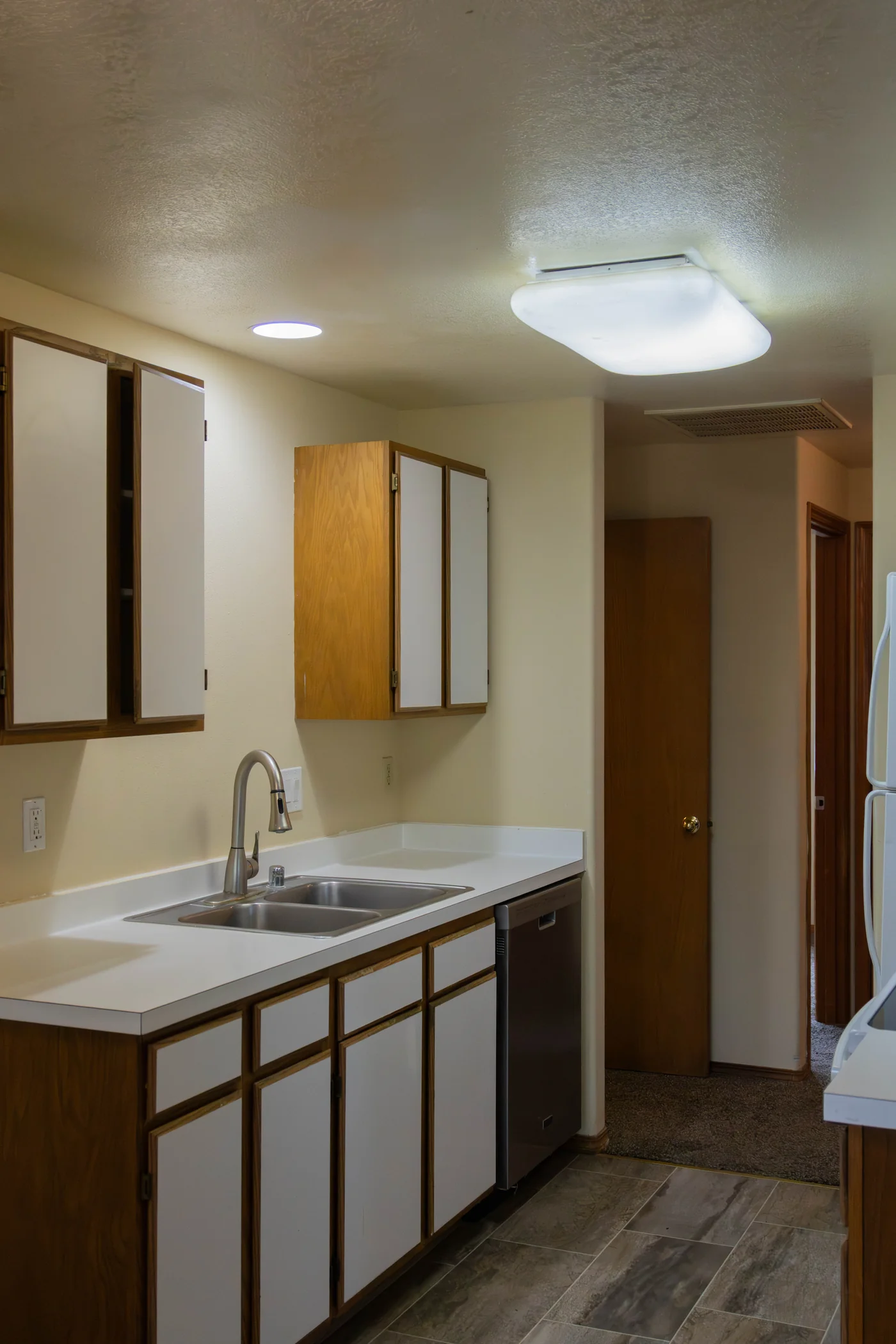
Three real projects, photo-documented for the insurance carrier. Drag each handle to compare.
“I want to express our sincere gratitude to the Robinson team that quickly moved to identify, rectify, repair, and then clean up the mess left by an itty-bitty hot water leak that went unnoticed because of its location.”
Michael Quinn · Google Review
“Kyla and Jake were super friendly and knowledgeable. Jake was at my house 90 minutes after I called and did a free inspection. I won't need their services this time, but I will definitely call them if I ever have to deal with water damage.”
Carmen Otten · Google Review
“Had a leak in our wall and our plumber recommended Robinson Restoration to handle remediation of the water damage. Christian and Adolfo were awesome. Great communication throughout the setup of the containment area and installation of the equipment to start the drying process.”
Won Lee · Google Review
In Washington, you choose your restoration contractor, and your carrier can’t penalize you for it. We document every Ashford loss with moisture maps, photos, and daily readings, then bill your insurer directly. You pay your deductible. That’s it.
Subject to policy coverage and deductible. We handle the paperwork, photos, and adjuster calls.
Living near the mountain means fewer contractors willing to come out, so Robinson keeps Ashford inside a Pierce County crew's regular coverage. Dispatch stays staffed overnight and on weekends. Techs arrive with extraction gear, air movers, and dehumidifiers sized for the structure, and they document the loss on site. Your insurance company gets billed directly, no reimbursement paperwork on your end.
Yes, and it's common up here. We coordinate with your property manager or cleaner for access, photograph conditions on arrival, and send you a daily update with moisture readings and equipment placement. You approve scope by phone or email, and the file goes to your carrier the same way it would if you were standing in the driveway.
Keep the thermostat no lower than fifty-five, open cabinet doors under sinks on exterior walls, and insulate any line running through a crawlspace or unheated utility room. Better yet, shut the main and drain the system when you close up for a stretch. Ashford loses power in winter storms often enough that a heat-only plan isn't a plan.
It depends on the path the water took. Meltwater that comes through a roof, an ice dam, or a burst line is typically handled by your homeowners policy. Water that runs across the ground and into the building is usually treated as flood, which needs separate coverage. We photograph the entry point on every Ashford job so the carrier can make that call from evidence.
We bring generators when the grid is down, which happens enough in Ashford that our trucks carry them as standard kit. Drying equipment pulls real amperage, so we size the generator to the job and monitor fuel. If the building can't support equipment safely, we stabilize first: extract standing water, remove saturated material, and set up as soon as power allows.
Growth can begin inside about forty-eight hours in the right conditions, and a closed-up mountain cabin with no air movement is close to ideal for it. Cold slows things down slightly, though wood at high moisture content still feeds growth once temperatures come back up. Getting equipment in early is the difference between drying a wall and rebuilding one.
We run the mitigation side in Ashford: extraction, controlled demo, and drying documented to IICRC standards. Reconstruction gets managed through vetted licensed contractors and our sister companies, and we stay the single point of accountability so nothing falls between trades. On a cabin or rental, that also means keeping the schedule tight enough to get the building back in service.
Snow melts, pipes thaw, and damage keeps spreading. Call now and we'll get an Ashford crew moving.
Licensed · Insured · IICRC Certified · Serving Washington & Oregon