Robinson Restoration is an IICRC-certified water damage restoration company serving Littlerock, WA. Crews dispatch 24 hours a day, arrive on-site in 90 minutes or less, document the readings and photos your carrier needs, and bill your insurance directly on covered claims.
Littlerock sits on low prairie ground between the Black Hills and the Black River, where winter water has nowhere convenient to go. Rural properties out here wait longer for help than most. We answer any hour and show up with generators, pumps and drying equipment already on the truck.
Properties here run to acreage: farmhouses, manufactured homes on block or pier, shops, barns and outbuildings connected by long gravel drives. Almost everything is on a well and a septic system. The prairie south of Tumwater holds water in winter, with wetland ground and a shallow table that fills fast, and Capitol State Forest sheds runoff off the Black Hills onto flat land that drains slowly.
Our Kent operations center dispatches to the Littlerock area 24 hours a day. Crews arrive prepared for properties without reliable power, run their own generators and truck-mounted extraction, and dry to IICRC S500 standards with daily documented readings. We bill approved claims directly to your carrier and take extra care documenting well, septic and outbuilding involvement, since rural losses draw more questions from adjusters.

Rural addresses are part of our normal territory, and Littlerock crews can be on-site in 90 minutes with pumps, generators and dryers loaded.
24 hours a day, 7 days a week, our crews dispatch the moment you call and start mitigation the same visit. Call dispatch or message us for immediate help.
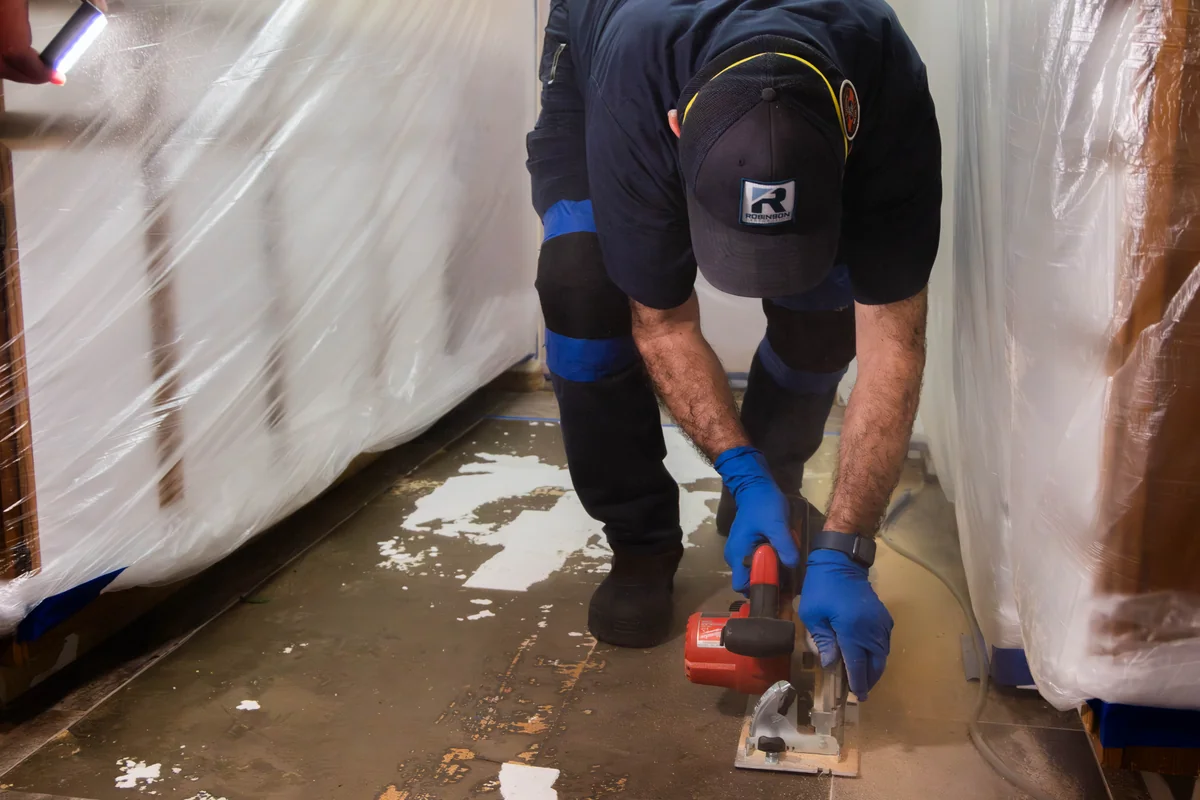
We stop further damage with commercial extraction, structural drying, and antimicrobial treatment, and we walk you through the entire insurance claim as we work.
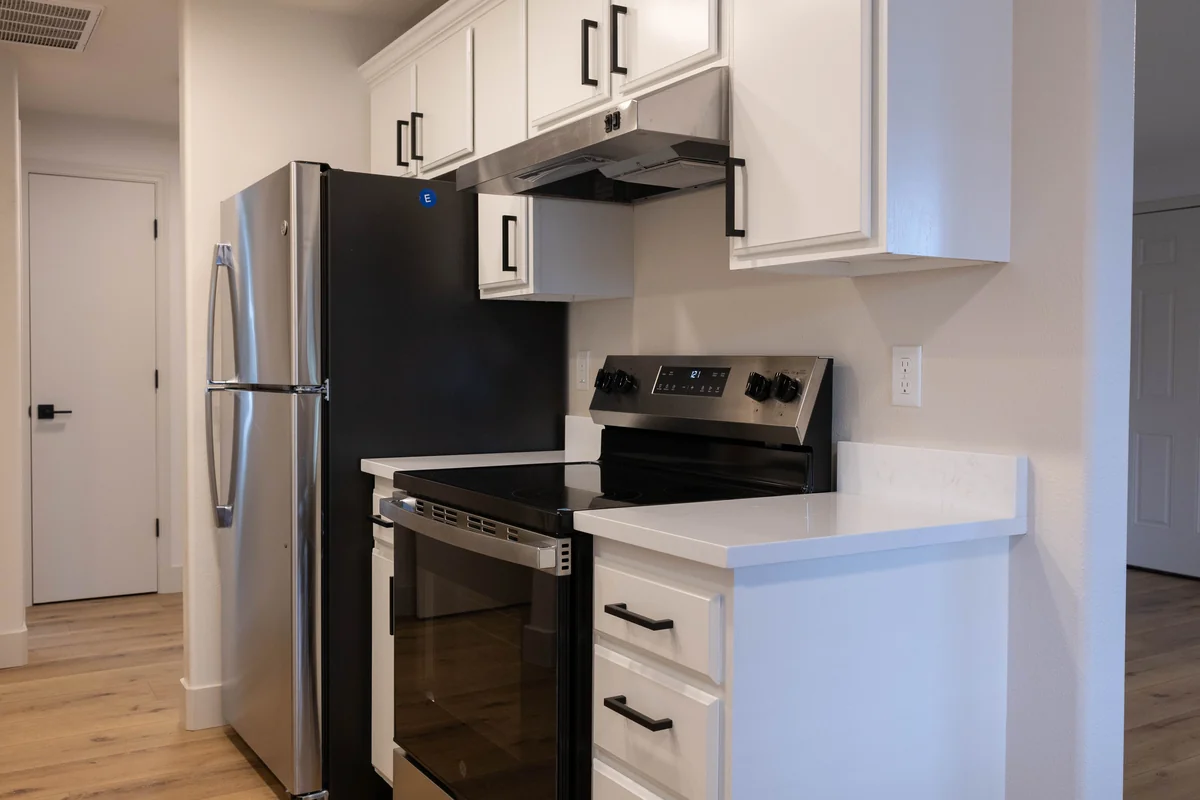
We manage your rebuild to pre-damaged condition through our trusted network of licensed contractors and sister companies. One manager, one timeline.
The flat country around Littlerock does not shed winter rain quickly. Water pools in fields, ditches fill, and the shallow table pushes up into crawlspaces and low outbuildings. Standing water under a house feeds mold growth and rots sills fast. We pump, strip wet insulation and vapor barrier, then dry the substructure to a measured target.
A water loss on acreage rarely stays in the house. Well houses, barns, shops and detached garages all hold plumbing, stored equipment and hay or feed that reacts badly to moisture. We scope every structure on the property, then document each one separately so the claim covers everything that actually got wet.
There is no city water or sewer here. A pressurized well system keeps feeding a broken line until someone kills the pump, and a drain field that has taken on winter groundwater will back wastewater into the lowest fixtures. That is Category 3 water requiring containment, removal of porous materials and antimicrobial treatment before any drying begins.
Open prairie holds cold, and rural plumbing sits in the worst places for it: vented crawlspaces, unheated pump houses, exterior hose bibs and lines run to shops. A freeze break that starts overnight can move a lot of water before morning. We stop the source, extract, and check the full path the water followed under the floor.
Most of the losses we run in Littlerock start one of three ways: frozen and split pipes, flooding and groundwater, and sewage backups. Here is why each one happens here, and what it takes to dry it properly.
Rural lines to pump houses, shops and vented crawlspaces sit in unheated space. When one splits on a cold prairie night, the well pump keeps pressurizing the break until someone shuts it down.
Flat, poorly draining ground near the Black River and runoff off the Black Hills raise groundwater every winter, filling crawlspaces and low outbuildings with no plumbing failure involved.
Septic drain fields saturate when the soil is already full of water. Wastewater backs up into the lowest fixtures in the house and requires full containment and antimicrobial treatment.
Water is how most losses start. It’s rarely where they end. The same local crew handles all of it.
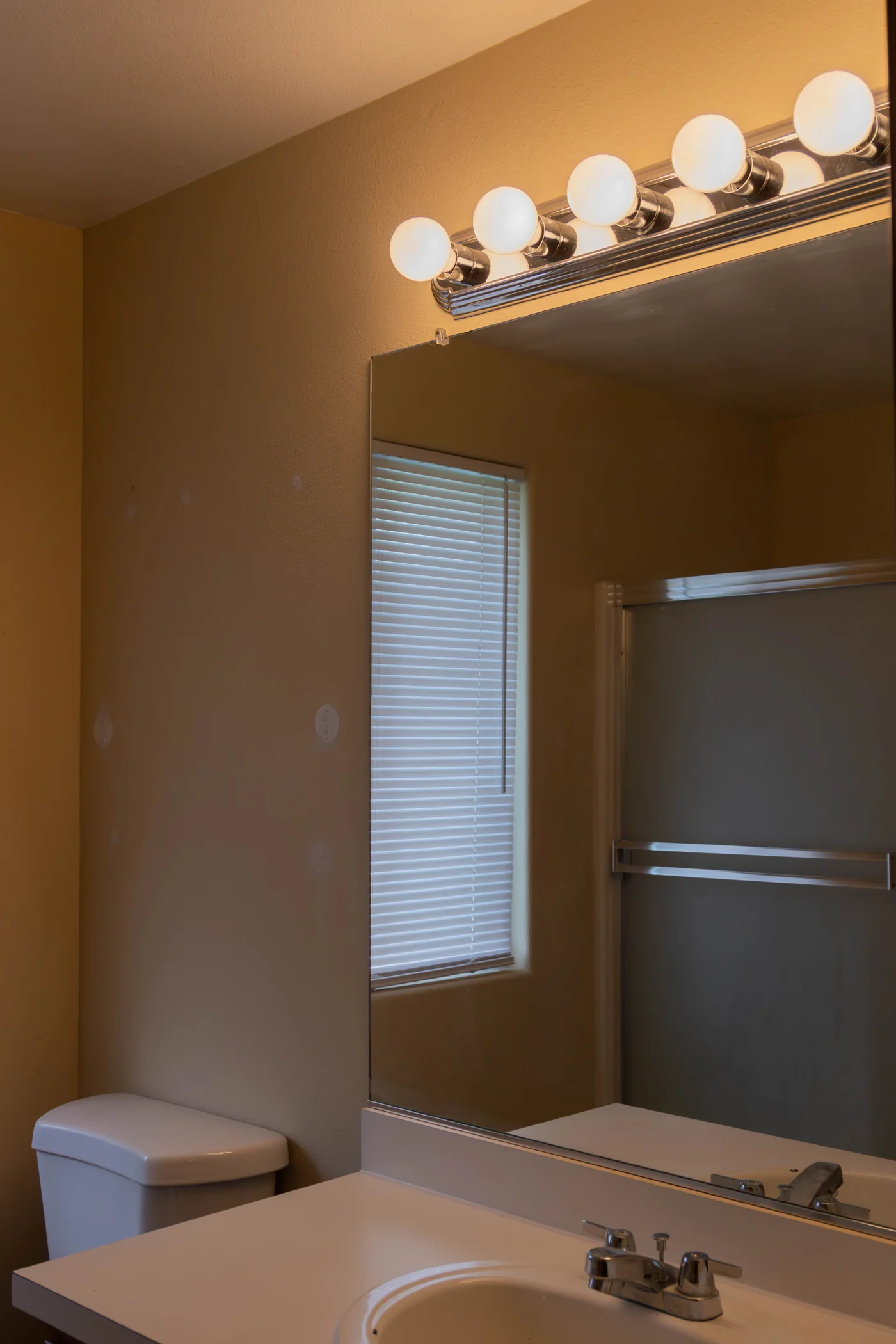
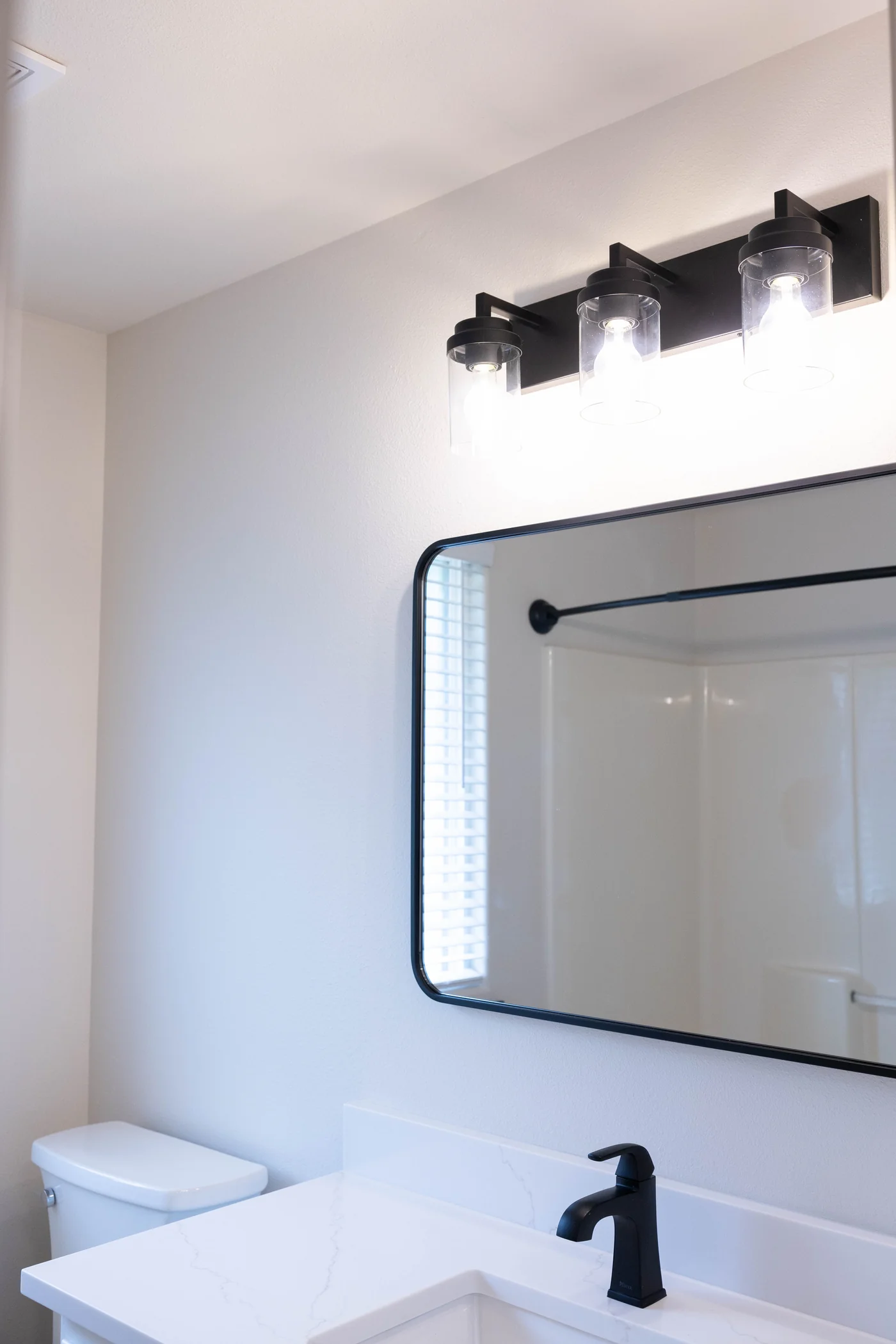
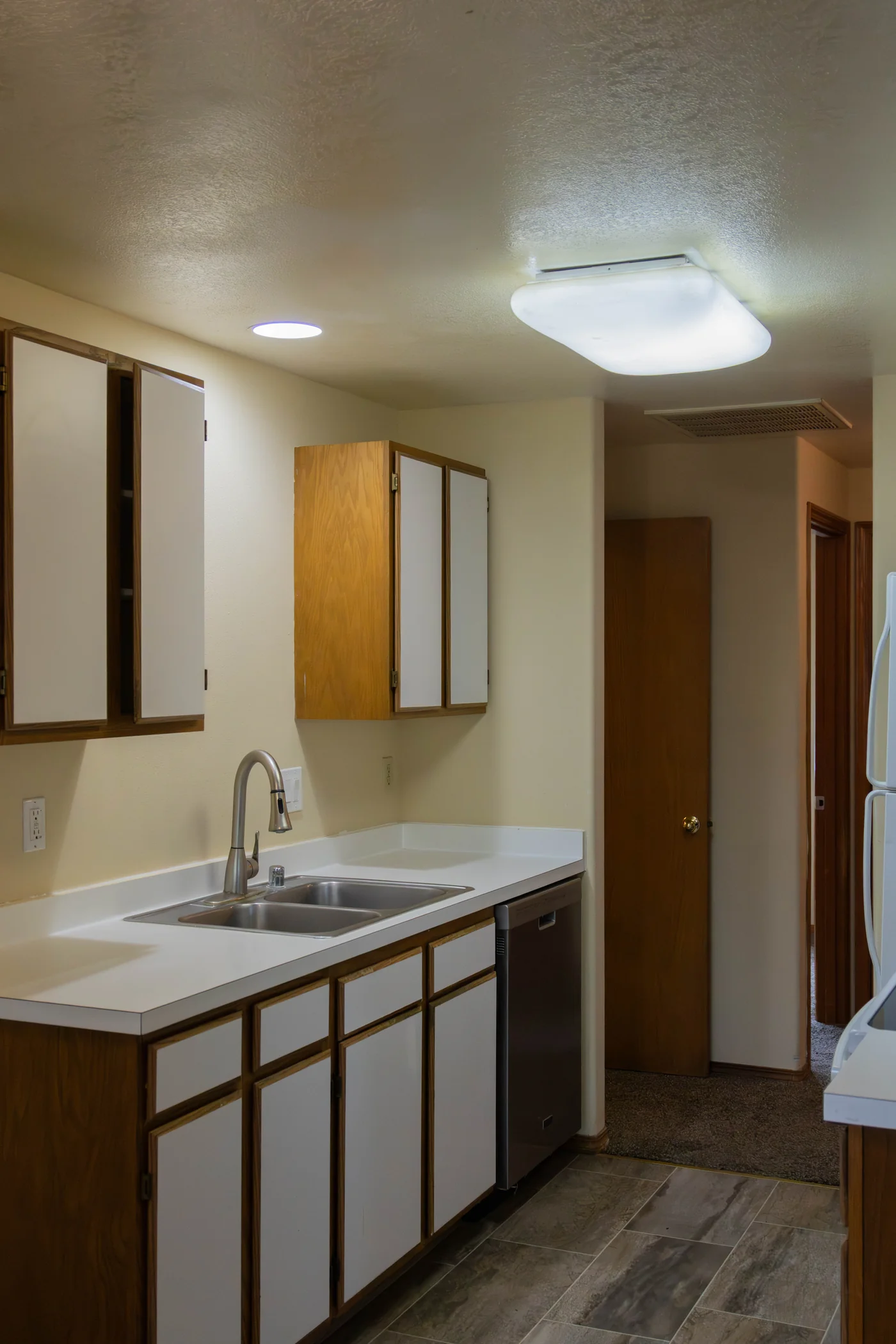
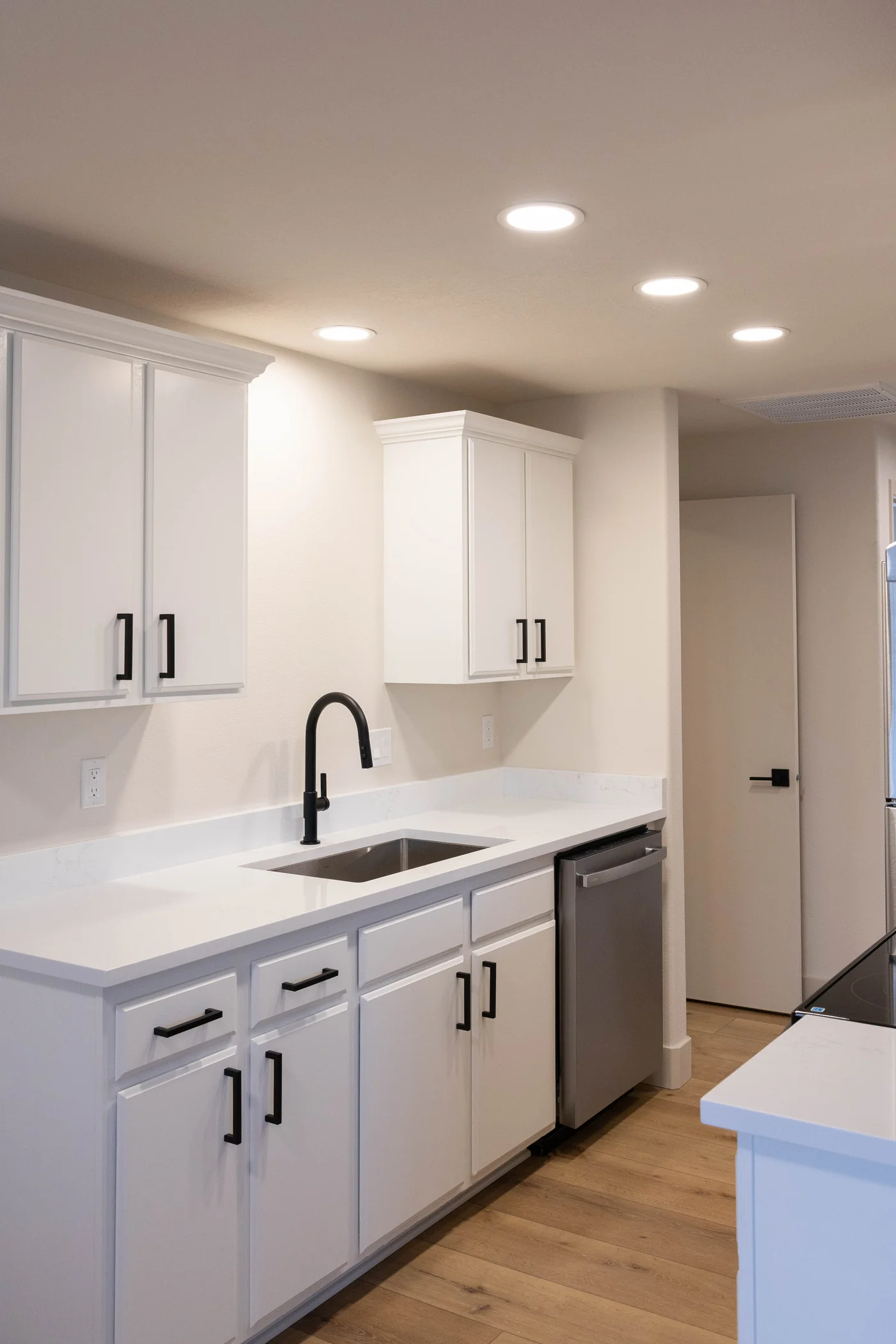
Three real projects, photo-documented for the insurance carrier. Drag each handle to compare.
“Chuck and Cole were very professional, courteous and knowledgeable about their restoration skills including close out processes. I'm really happy they were the two employees assigned to our home.”
Joanna Gamble · Google Review
“We hired Robinson Restoration after a boiler joint failed and leaked what we thought was a small amount of water in our laundry room, but turned out to be more serious than it appeared. They did a fantastic job from first contact to insurance claim approval.”
Randi Covin · Google Review
“We had a major sewer back up a couple of weeks ago, into the laundry room and downstairs bathroom. Panic! We were referred to Robinson Restoration and what a blessing. The whole crew has been wonderful.”
Lynn Dee King · Google Review
In Washington, you choose your restoration contractor, and your carrier can’t penalize you for it. We document every Littlerock loss with moisture maps, photos, and daily readings, then bill your insurer directly. You pay your deductible. That’s it.
Subject to policy coverage and deductible. We handle the paperwork, photos, and adjuster calls.
Rural Thurston County properties get the same coverage as the bigger cities around them. A Littlerock call reaches our 24/7 dispatch line, and the responding crew brings truck-mounted extraction, air movers, and dehumidifiers rather than promising to come back with them later. Billing goes straight to your insurance carrier, with moisture readings and photos documented for the adjuster.
Yes. The prairie country around Littlerock, Maytown and Rochester is part of our regular territory, and our trucks carry generators, pumps and enough drying equipment to finish a job with no supply house nearby. When you call, tell the dispatcher about gate codes, driveway conditions, livestock and whether the property has power. That way the crew arrives set up for your place rather than a city lot.
Kill power to the pump before anything else, then call. A pressurized well system will keep feeding a break indefinitely, and that is how a small split turns into a saturated crawlspace and soaked framing. Once we arrive we pump out standing water, remove wet insulation and vapor barrier, dry the floor system and framing, and treat the substructure to prevent microbial growth.
No. Septic backup is Category 3 water, which carries bacteria and pathogens that a mop and household cleaner do not address. Porous materials like carpet, pad, drywall bottoms and insulation have to be removed, the area needs containment and negative air, and hard surfaces need proper antimicrobial treatment. We handle the removal and disinfection, dry the structure, and document the whole process for your carrier.
Manufactured homes trap water in the belly wrap and floor insulation beneath the living space, where it sits against the subfloor and cannot evaporate. Pointing fans at the carpet does nothing for that. We open the underside where readings show saturation, remove wet insulation, dry the floor system with directed airflow and dehumidification, then reseal once moisture content confirms it is dry.
Carriers ask more questions about wells, septic systems, outbuildings and unoccupied structures, so documentation carries more weight on a Littlerock claim than on a suburban one. We photograph conditions, map moisture across every affected structure, log daily readings and record the source clearly. Groundwater intrusion typically needs separate flood coverage, while a sudden plumbing failure is normally covered under a standard policy.
We handle mitigation and structural drying ourselves under IICRC S500. When subfloor, insulation, drywall, flooring or cabinetry needs replacing, Robinson manages that reconstruction through vetted licensed contractors and our sister companies. Out here that is worth something, because finding trades willing to drive to an acreage property and show up on schedule is often the hardest part of the job.
Acreage floods the same as anywhere, and waiting costs more. Call and we will roll out to you.
Licensed · Insured · IICRC Certified · Serving Washington & Oregon