Robinson Restoration is an IICRC-certified water damage restoration company serving Burbank, WA. Crews dispatch 24 hours a day, arrive on-site in 90 minutes or less, document the readings and photos your carrier needs, and bill your insurance directly on covered claims.
Burbank sits low, right where the Snake meets the Columbia, and that has a lot to do with how water behaves in a house here. Once it's inside, it moves toward the lowest point and stays. We answer 24/7, pull the water out, and dry the structure properly.
The community grew around irrigated farm ground and the river, with the wetlands of the McNary National Wildlife Refuge along its edge. Groundwater sits close to the surface in places, so slab-on-grade homes and manufactured housing take the brunt of any water event. Summers run hot and dry, winters bring hard freezes off the river, and wind is constant enough to work at roof edges year after year.
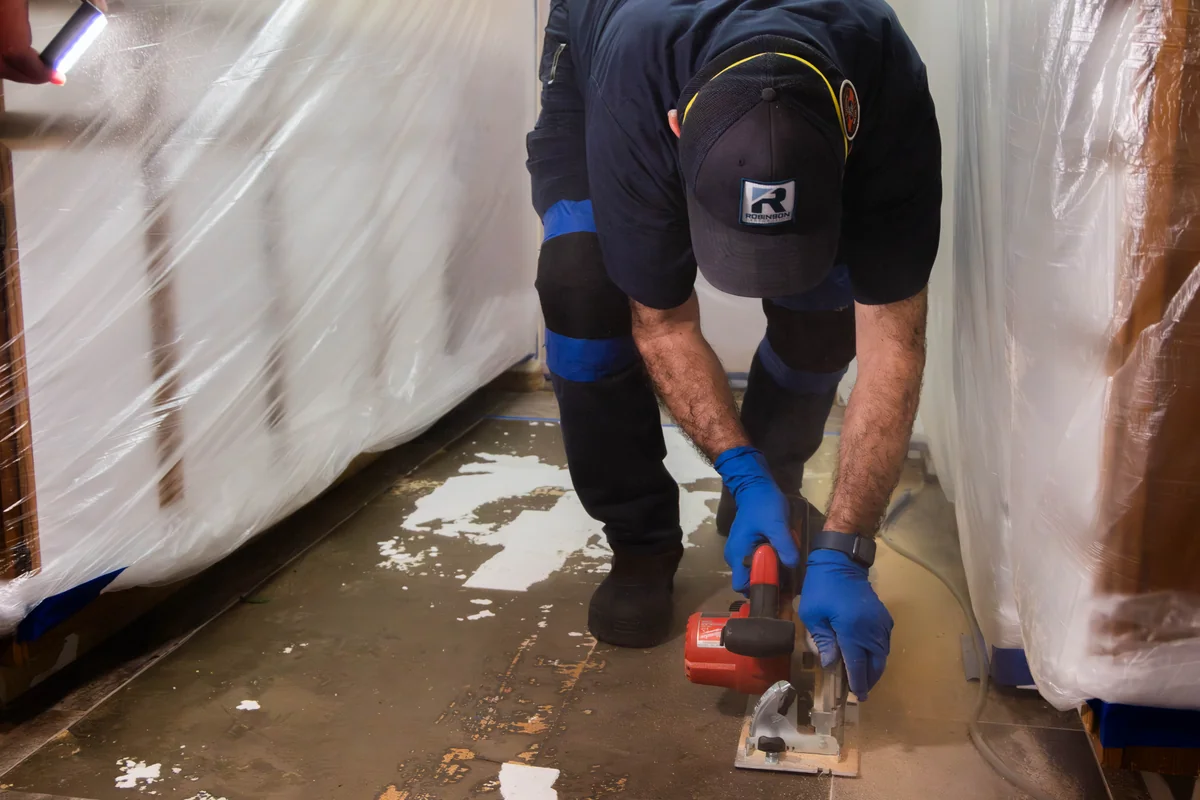
Our Tri-Cities crews cover Burbank, and dispatch runs 24 hours. We show up with extraction units, air movers, and dehumidifiers, then set a drying plan built on meter readings instead of guesswork. Everything gets photographed and logged daily, which is what keeps a claim moving. We follow IICRC S500 for structural drying and bill your insurance company directly, so you handle the deductible and nothing else.

Burbank sits inside our Tri-Cities dispatch area, so a crew and drying equipment can be moving toward your property any hour of the day.
24 hours a day, 7 days a week, our crews dispatch the moment you call and start mitigation the same visit. Call dispatch or message us for immediate help.
We stop further damage with commercial extraction, structural drying, and antimicrobial treatment, and we walk you through the entire insurance claim as we work.
We manage your rebuild to pre-damaged condition through our trusted network of licensed contractors and sister companies. One manager, one timeline.
Being close to two rivers means the water table sits high in parts of Burbank, and that shows up in ways people don't connect to plumbing. Slab floors sweat, crawl spaces stay damp, and a small interior leak has nowhere to drain. When we dry here, we account for the ground moisture already in the structure along with the new water.
Manufactured housing is a big share of local homes, including full park communities. Water that gets under the belly wrap has no way out, so it sits against the floor decking and the frame. Standard drying setups don't reach it. We open access points, dry the underbelly directly, and confirm the decking is back to a safe moisture content before we close it up.
Cold air settles along the river bottom on clear winter nights, and Burbank gets colder than the forecast for the wider Tri-Cities suggests. Exposed hose bibs, well and pump lines, and plumbing in unheated additions freeze first. Damage usually shows on the warm-up, when the ice releases and pressurized water pours out of the crack it made.
Burbank has real industrial and agricultural facilities alongside its neighborhoods, and a water loss in one of them is a production problem before it's a building problem. Cold rooms, concrete floors, and insulated panel walls each dry on their own timeline. We work off-shift when we have to, and we provide the moisture documentation food safety and insurance both require.
Most of the losses we run in Burbank start one of three ways: frozen and split pipes, flooding and groundwater, and water heater failures. Here is why each one happens here, and what it takes to dry it properly.
River-bottom cold settles hard on winter nights. Lines in unheated additions, shops, and manufactured home skirting freeze through, then split on the thaw when pressure comes back into the system.
Low ground and a high water table mean heavy rain or a spring runoff surge has nowhere to soak in. Water sheets across yards, works under door thresholds, and pools on slab floors and in crawl spaces.
Tanks in garages and utility closets on slab construction fail at the bottom seam with no pan and no drain. Forty gallons goes straight into carpet, cabinet bases, and the slab itself in a matter of minutes.
Water is how most losses start. It’s rarely where they end. The same local crew handles all of it.
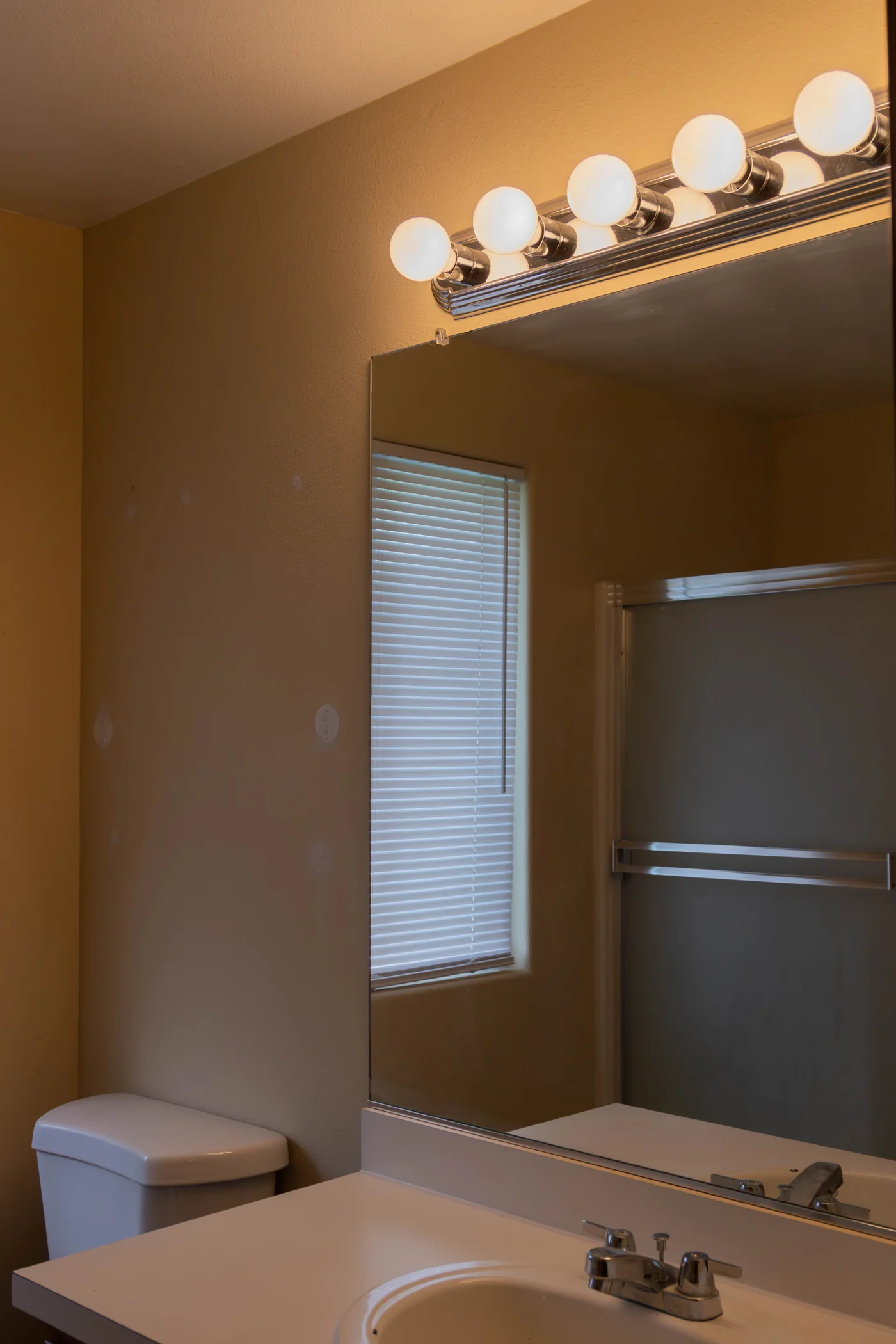
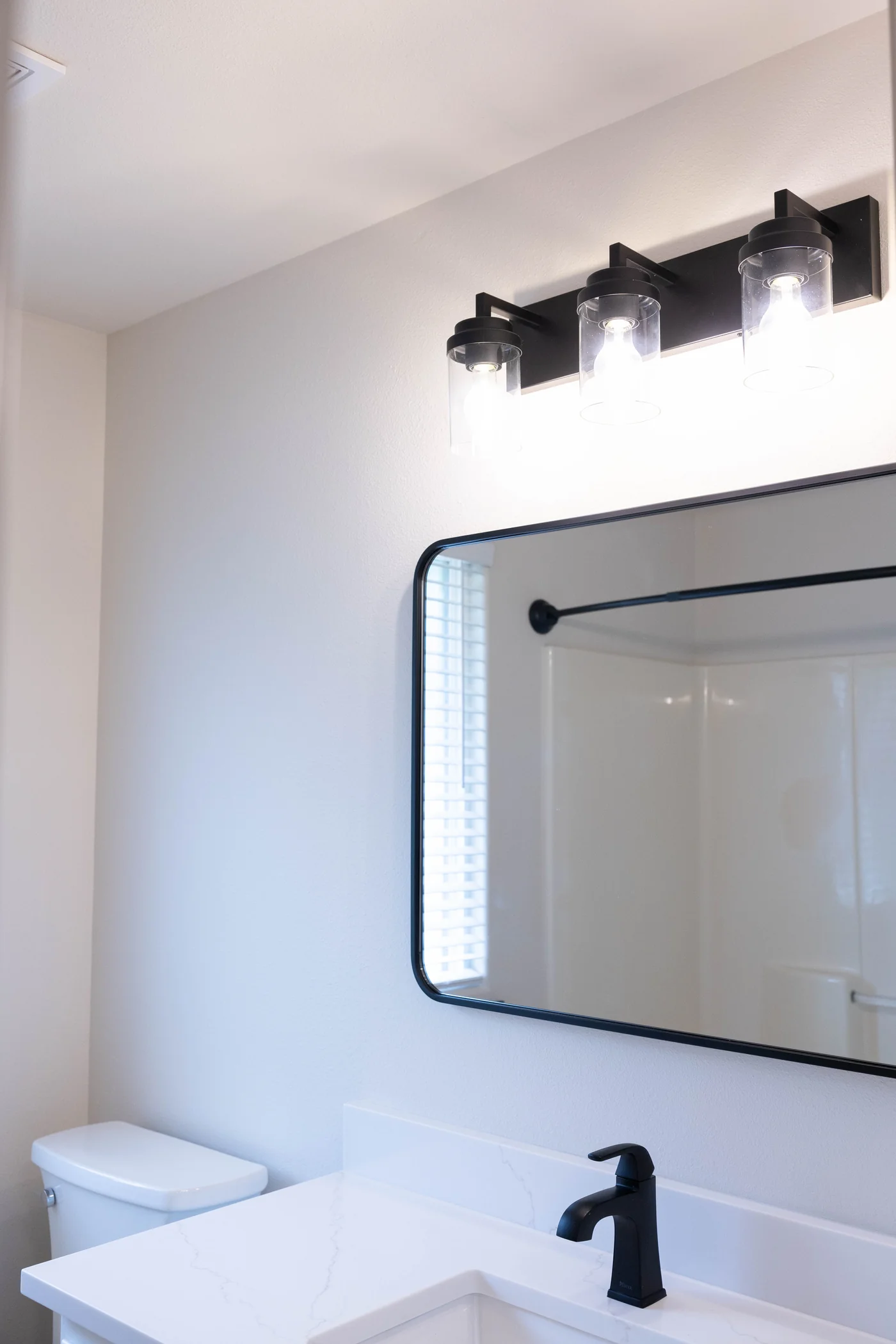
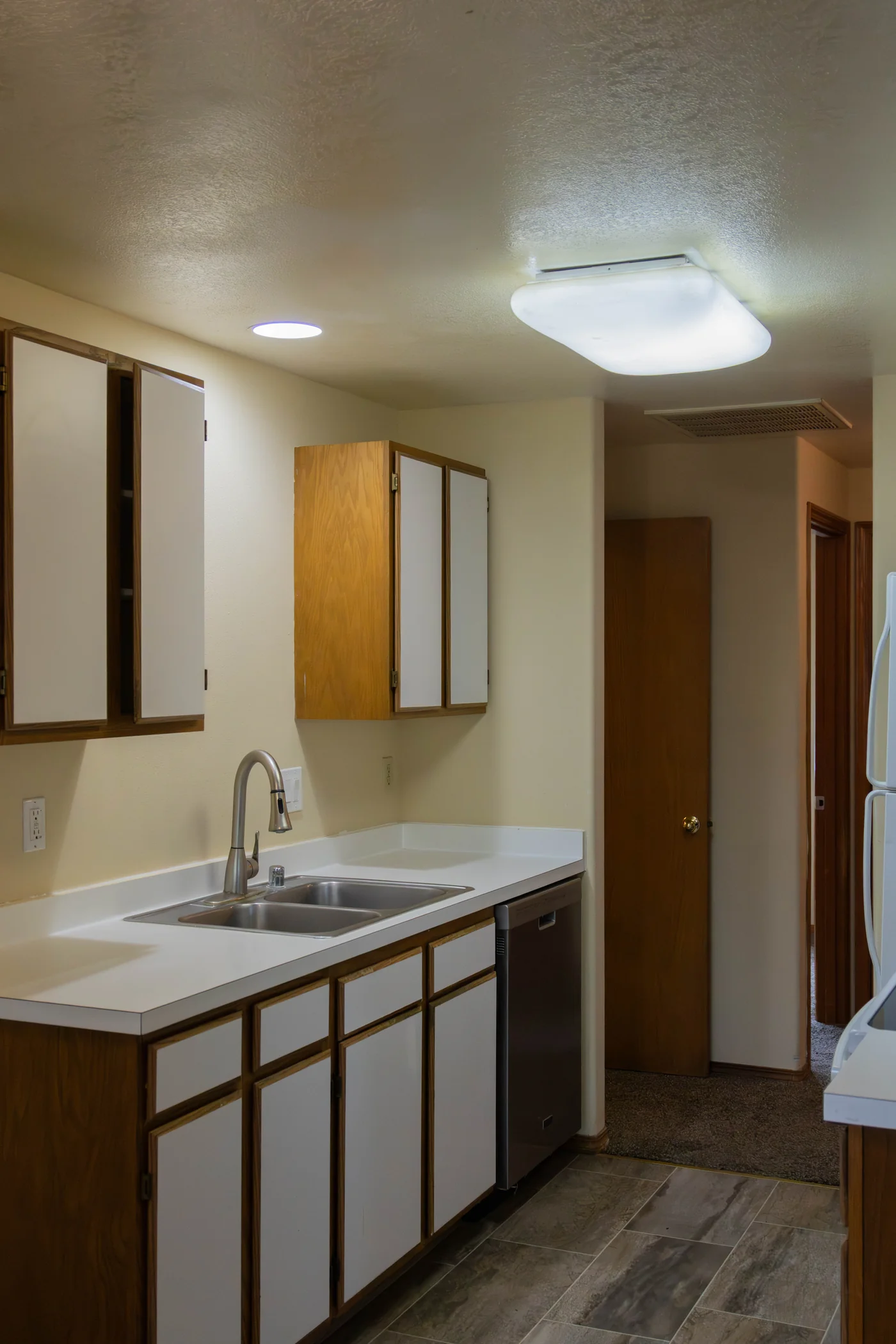
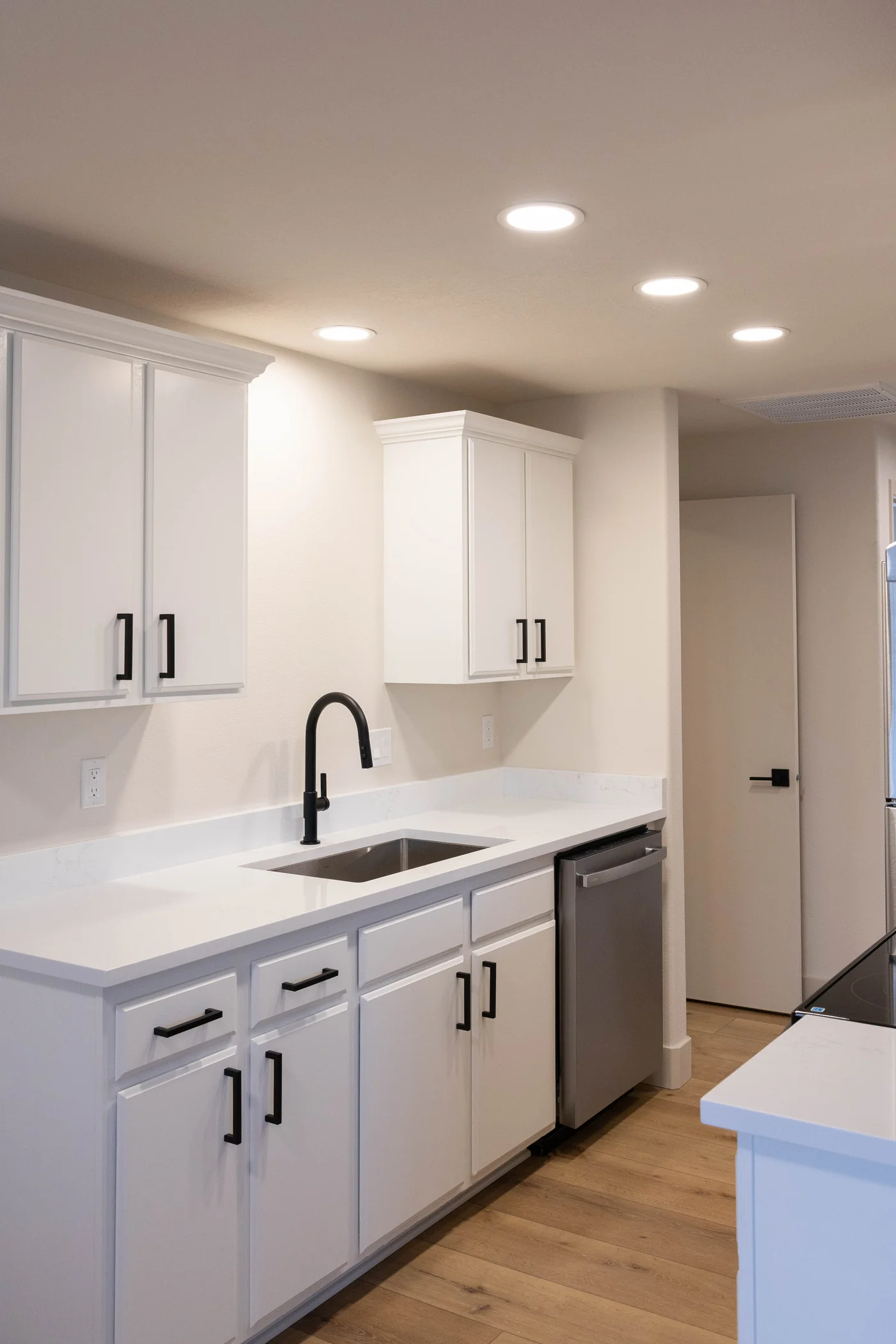
Three real projects, photo-documented for the insurance carrier. Drag each handle to compare.
“We hired Robinson Restoration after a boiler joint failed and leaked what we thought was a small amount of water in our laundry room, but turned out to be more serious than it appeared. They did a fantastic job from first contact to insurance claim approval.”
Randi Covin · Google Review
“We had a major sewer back up a couple of weeks ago, into the laundry room and downstairs bathroom. Panic! We were referred to Robinson Restoration and what a blessing. The whole crew has been wonderful.”
Lynn Dee King · Google Review
“One of the pipes in the shower burst and water damage got all over the roof in the kitchen. As new home owners we were very scared and panicked. We contacted Kelly Farmer from Robinson Restoration and believe me when I say I felt like more than half of my problem was solved.”
Nav Basra · Google Review
In Washington, you choose your restoration contractor, and your carrier can’t penalize you for it. We document every Burbank loss with moisture maps, photos, and daily readings, then bill your insurer directly. You pay your deductible. That’s it.
Subject to policy coverage and deductible. We handle the paperwork, photos, and adjuster calls.
Flooding rarely happens at a convenient hour, which is why our dispatch line stays staffed overnight and on weekends. Tri-Cities crews cover Burbank along with the surrounding Walla Walla County farmland. Trucks arrive loaded with extraction units, air movers, and dehumidifiers, often on-site in 90 minutes or less. We bill your insurer directly, and we document moisture readings daily until the structure is dry.
Yes. Burbank sits just across the river from Pasco and falls inside our regular Tri-Cities coverage, including homes out on the surrounding farm ground. Emergency calls run through live dispatch at any hour, and we work to be on-site in 90 minutes or less. Commercial buildings and agricultural facilities come through the same dispatch line as houses do.
Usually not. Standard policies cover sudden internal water like a burst pipe or a failed appliance, and they exclude surface water and groundwater unless you carry separate flood coverage. Burbank's low elevation makes that distinction worth knowing before you need it. We still document the loss carefully, because the source determines whether it goes to your homeowner policy or a flood policy.
Slab construction has no crawl space to work in, so water spreads sideways under flooring and into wall bases. We pull carpet and pad, remove base trim to get air into wall cavities, and use specialty mats or negative pressure to draw moisture out of the slab surface. Concrete releases water slowly, and readings tell us when it's actually finished.
Growth can start within roughly 24 to 48 hours on wet drywall, pad, and paper-faced materials. Dry summer air makes people assume a house will take care of itself, and the water trapped under flooring or inside a wall never sees that air. Fast extraction and controlled drying are what prevent mold. If growth already exists, we handle remediation before drying finishes.
We can. Metal buildings, shops, pump houses, and processing facilities around Burbank all come through the same emergency line. Larger structures usually need more equipment, a longer drying window, and sometimes a temporary power plan. We scope it, document it, and coordinate with your commercial carrier the same way we would on a residential claim.
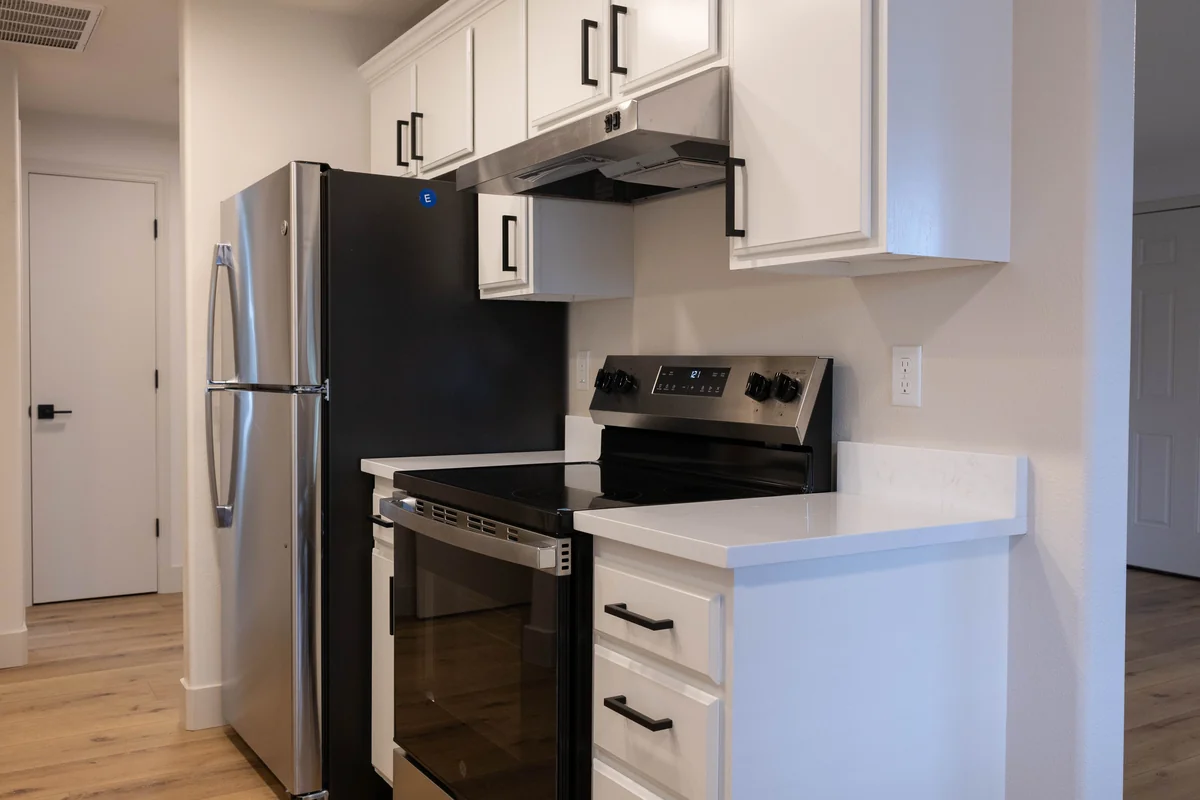
Robinson manages that phase for you. Reconstruction runs through vetted licensed contractors and our sister companies, coordinated by the same project manager who handled the emergency work. Drywall, texture, paint, flooring, and cabinets get scheduled in order, and the repair scope matches the drying documentation already in your claim file, which keeps approval simple.
Every hour water sits, more material comes out. Call now and we'll get drying started.
Licensed · Insured · IICRC Certified · Serving Washington & Oregon