Robinson Restoration is an IICRC-certified water damage restoration company serving Eltopia, WA. Crews dispatch 24 hours a day, arrive on-site in 90 minutes or less, document the readings and photos your carrier needs, and bill your insurance directly on covered claims.
Eltopia is farm ground and open sky, with houses spread out along section roads. A water loss out here tends to run longer before anyone catches it, which is exactly why the response matters. We answer at any hour and show up ready to extract, dry, and document.
This is Columbia Basin Project country, where irrigation turned shrub-steppe into circles of potatoes, corn, and onions. Homes are scattered: manufactured houses on acreage, ranch-style farm homes, and shop buildings that double as living space. Nearly everything runs on a well and a septic system. Summer heat is severe, winter freezes are hard and long, and the wind carries dust that finds every gap in a building envelope.
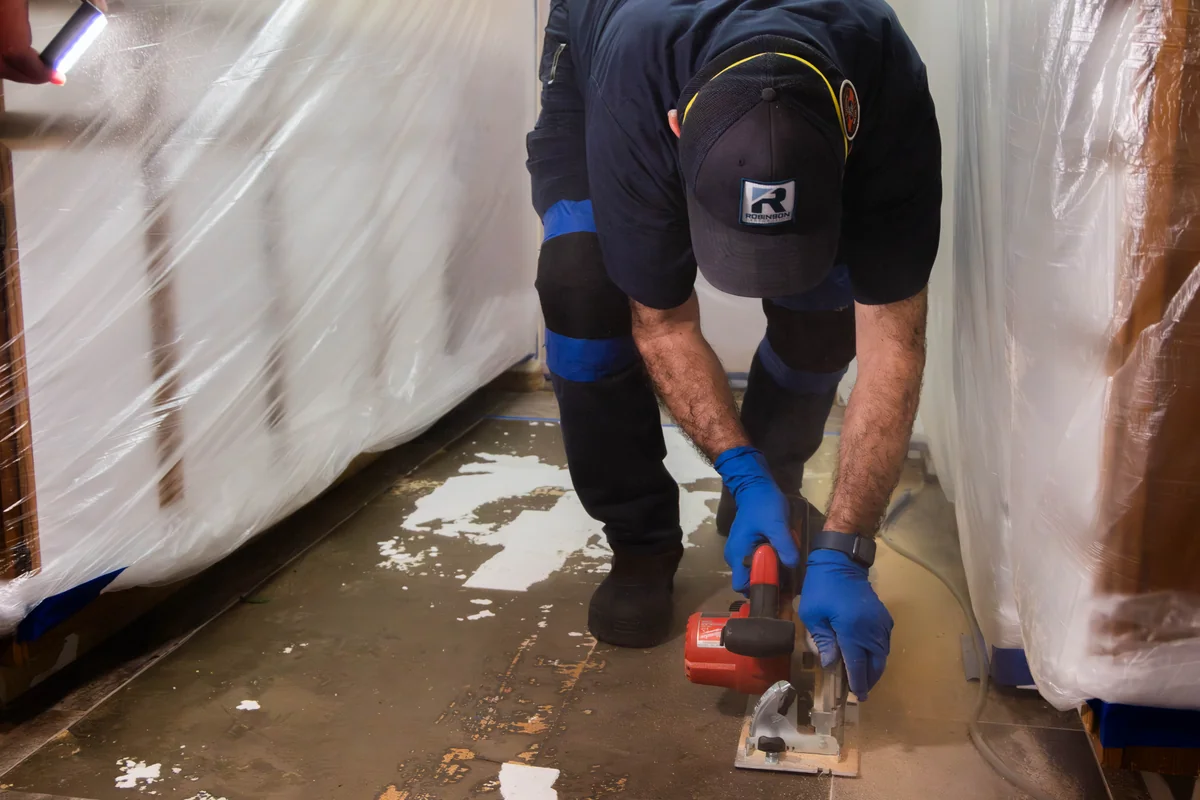
Our Tri-Cities crews cover Eltopia, and the phone is answered by a person 24 hours a day. Trucks carry extraction units, air movers, dehumidifiers, and generators, because power at a rural property can be limited during a loss. We meter the structure, image it, log readings daily, and photograph every affected material to IICRC S500 documentation standards. Billing goes straight to your insurance carrier, so you're not fronting the cost.

Eltopia properties are dispatched around the clock, and our crews plan for long driveways, well systems, and buildings without city utilities.
24 hours a day, 7 days a week, our crews dispatch the moment you call and start mitigation the same visit. Call dispatch or message us for immediate help.
We stop further damage with commercial extraction, structural drying, and antimicrobial treatment, and we walk you through the entire insurance claim as we work.
We manage your rebuild to pre-damaged condition through our trusted network of licensed contractors and sister companies. One manager, one timeline.
Farm ground here is plumbed on a scale most people never see: mainlines, laterals, risers, and pivot supply running past yards and under drives. When one lets go near a house or a shop, the volume is far beyond what a household leak produces. Water saturates the ground around a foundation and pushes in through the slab edge or a crawl space vent.
A lot of Franklin County living space started as something else: a shop with a finished corner, an addition tacked onto a farmhouse, a bunk unit used only part of the year. Those spaces often have marginal insulation and plumbing that runs through unheated framing. They also sit empty for stretches, which is when a small failure has time to become a large one.
Eltopia gets very little annual rain, and that's part of the problem. When a summer thunderstorm dumps water on baked, crusted soil, none of it soaks in. It runs, finds the low spot in a yard, and stands against a foundation or a shop slab. Buildings designed for a dry climate rarely have the drainage to handle that kind of event.
Potato and onion storage, packing space, and equipment shops all carry water risk, and a loss in one of them threatens product as much as structure. Humidity control in a storage building is already tight, so adding water throws the whole environment off. We dry these spaces with the crop and the schedule in mind, and we document conditions for the claim.
Most of the losses we run in Eltopia start one of three ways: frozen and split pipes, flooding and groundwater, and water heater failures. Here is why each one happens here, and what it takes to dry it properly.
Basin winters hold below freezing for days, and Eltopia buildings have long plumbing runs through unheated shop walls and crawl spaces. Lines split during the cold, then release water when temperatures climb back above freezing.
An irrigation mainline break or a summer cloudburst on hardpan sends volume across flat ground with nowhere to drain. Water reaches a foundation, stands there, and works into slab edges, crawl spaces, and shop floors.
Hard water is common on wells out here, and mineral buildup shortens a tank's life. When the bottom finally goes, it usually goes in a utility room or a garage with no floor drain to catch it.
Water is how most losses start. It’s rarely where they end. The same local crew handles all of it.
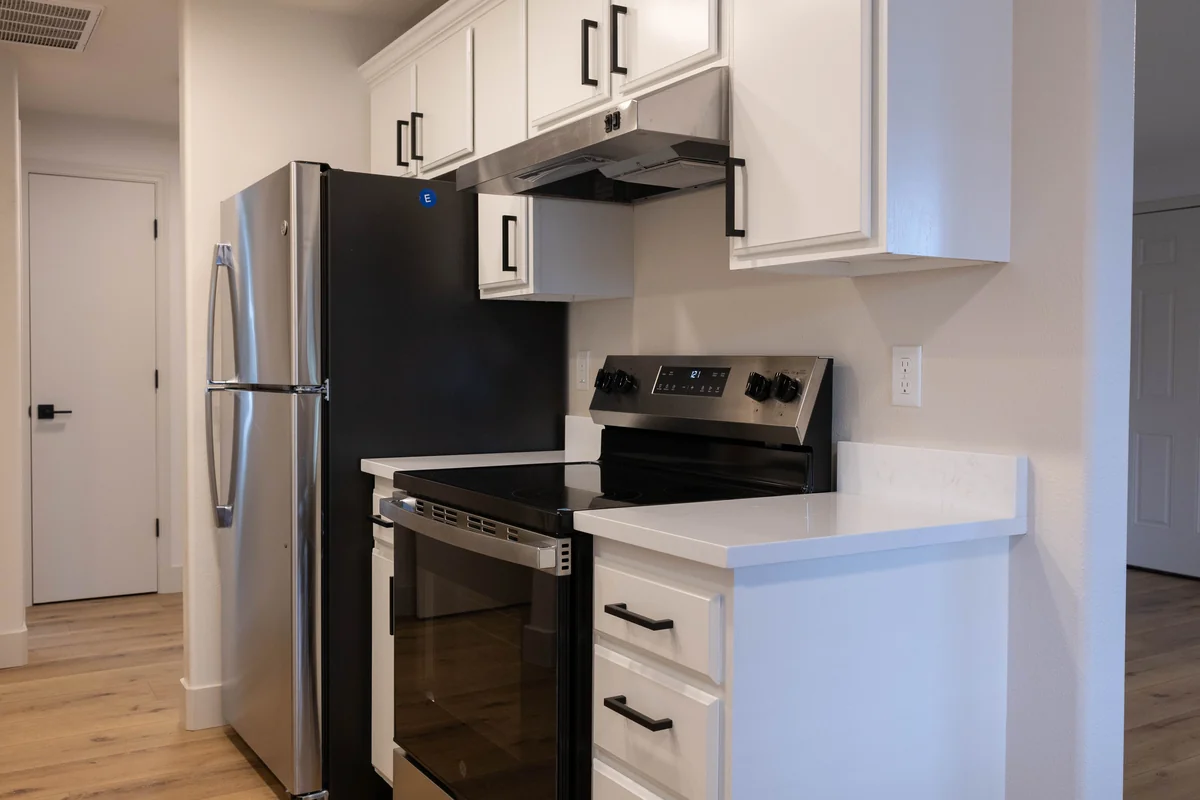
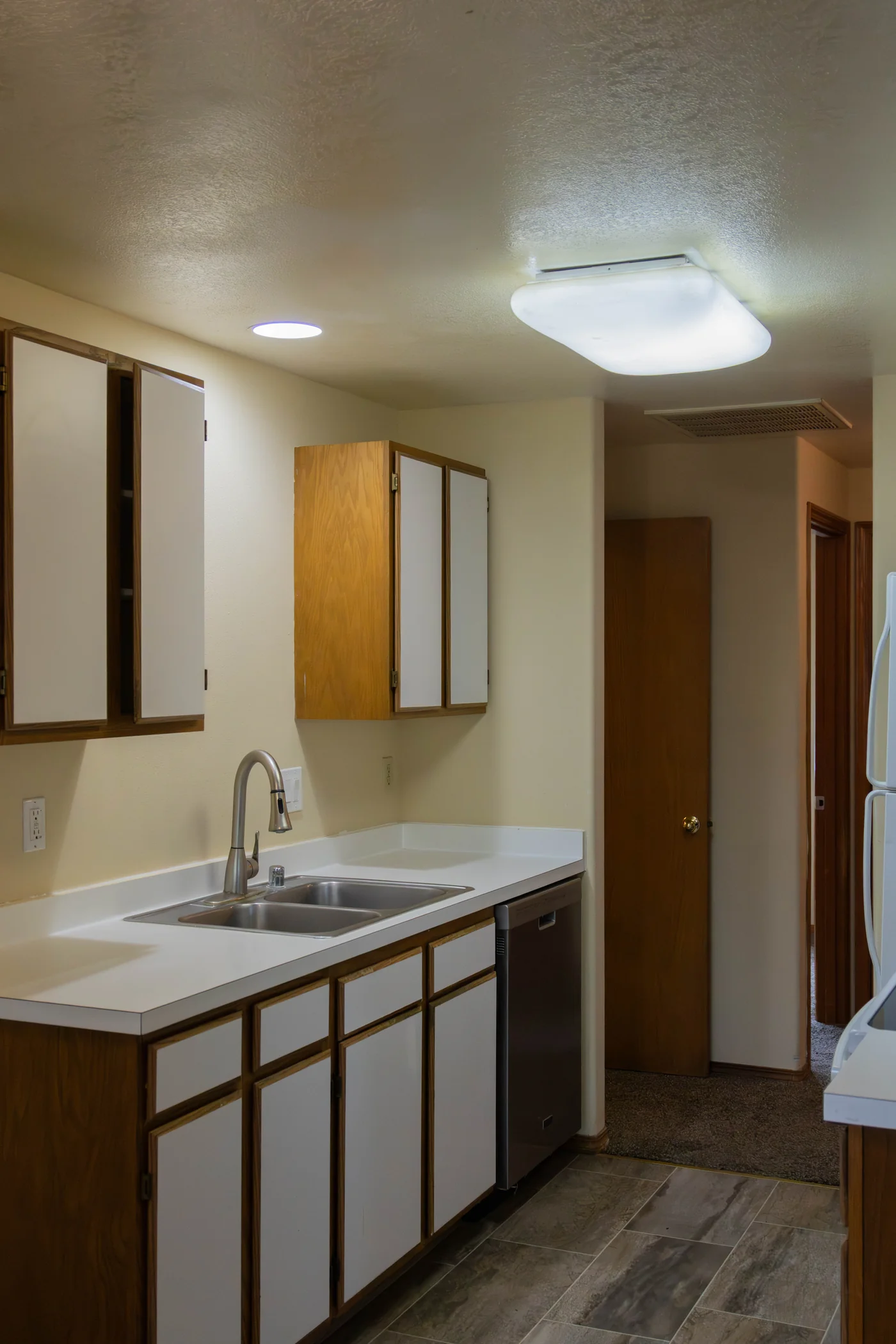
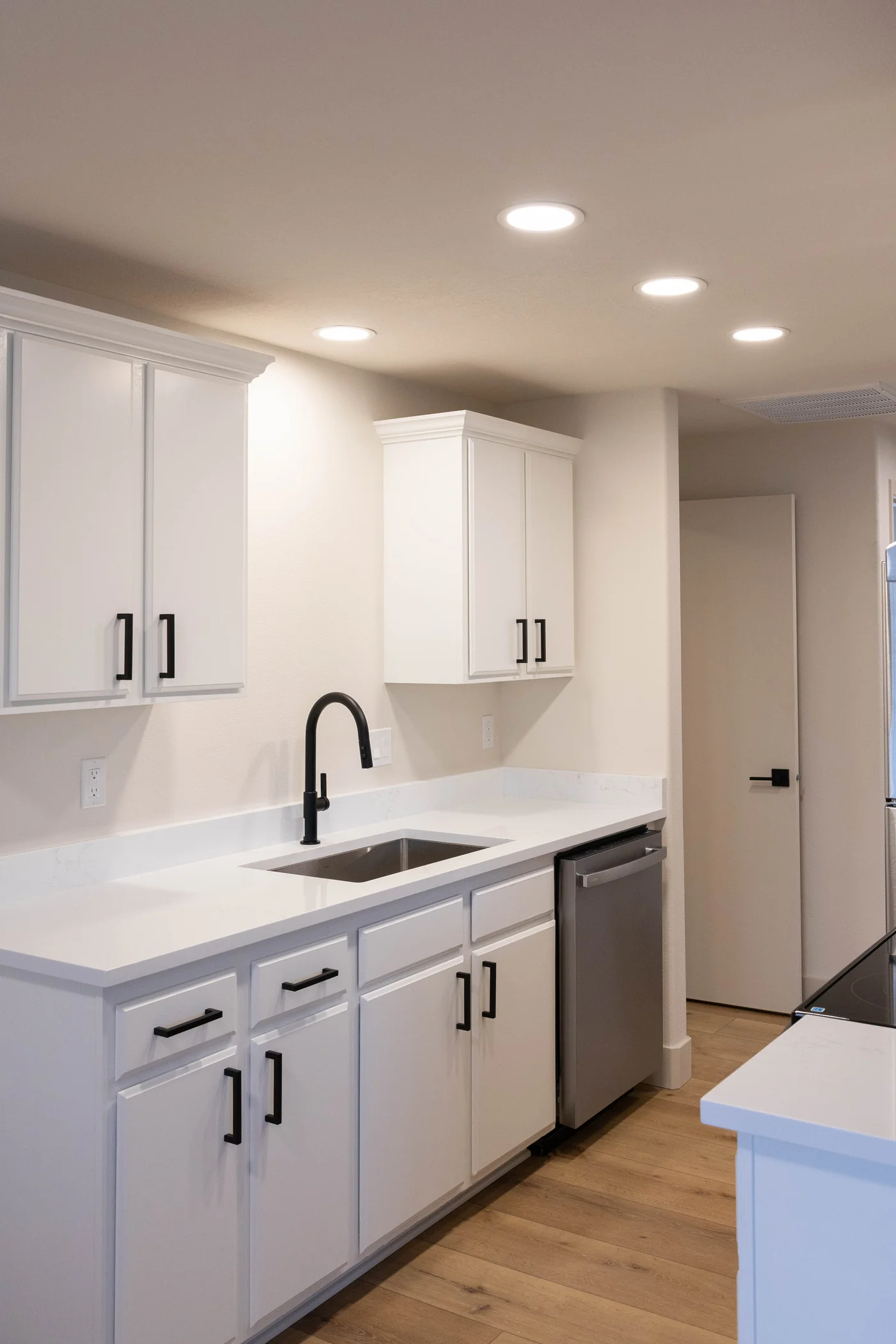
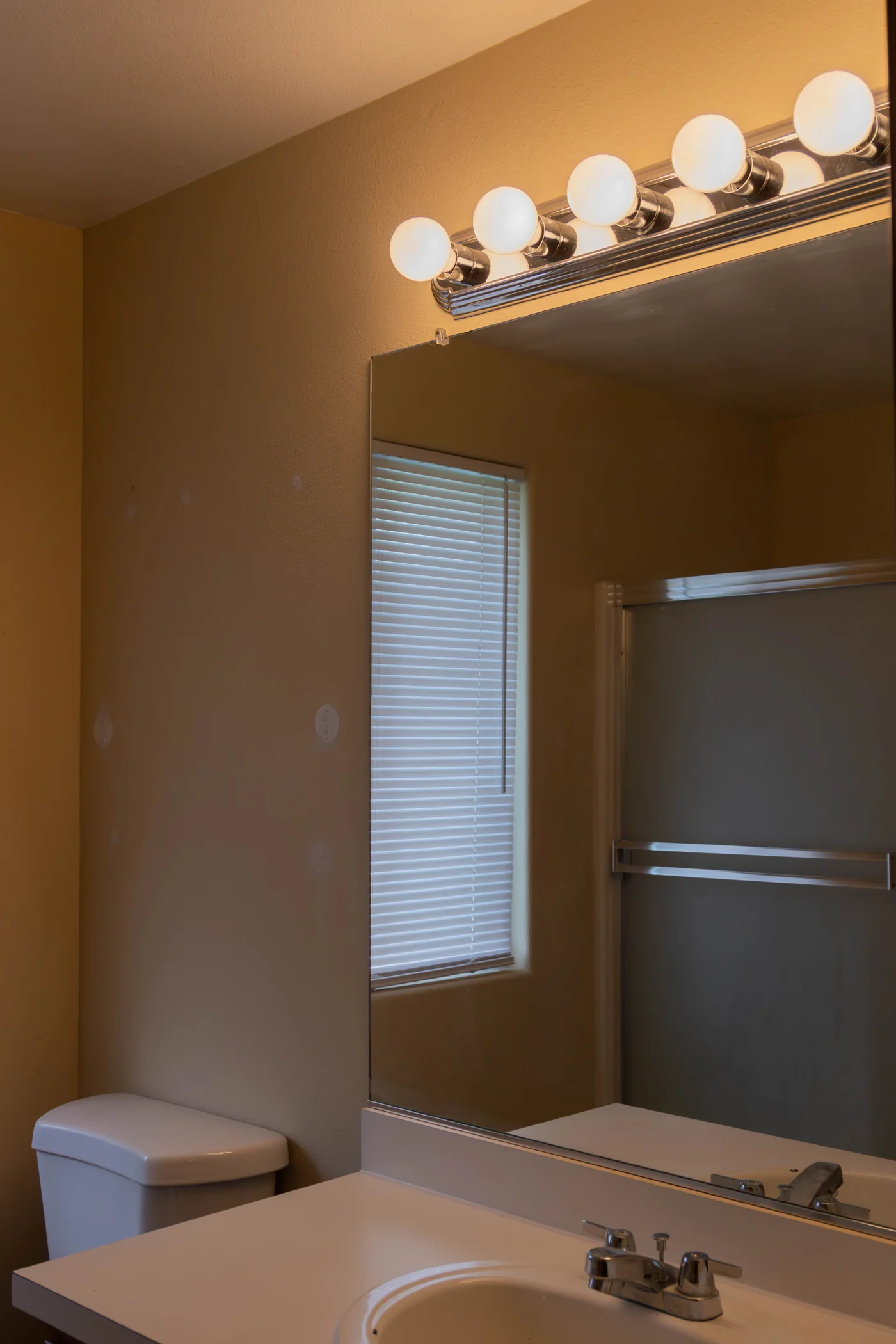
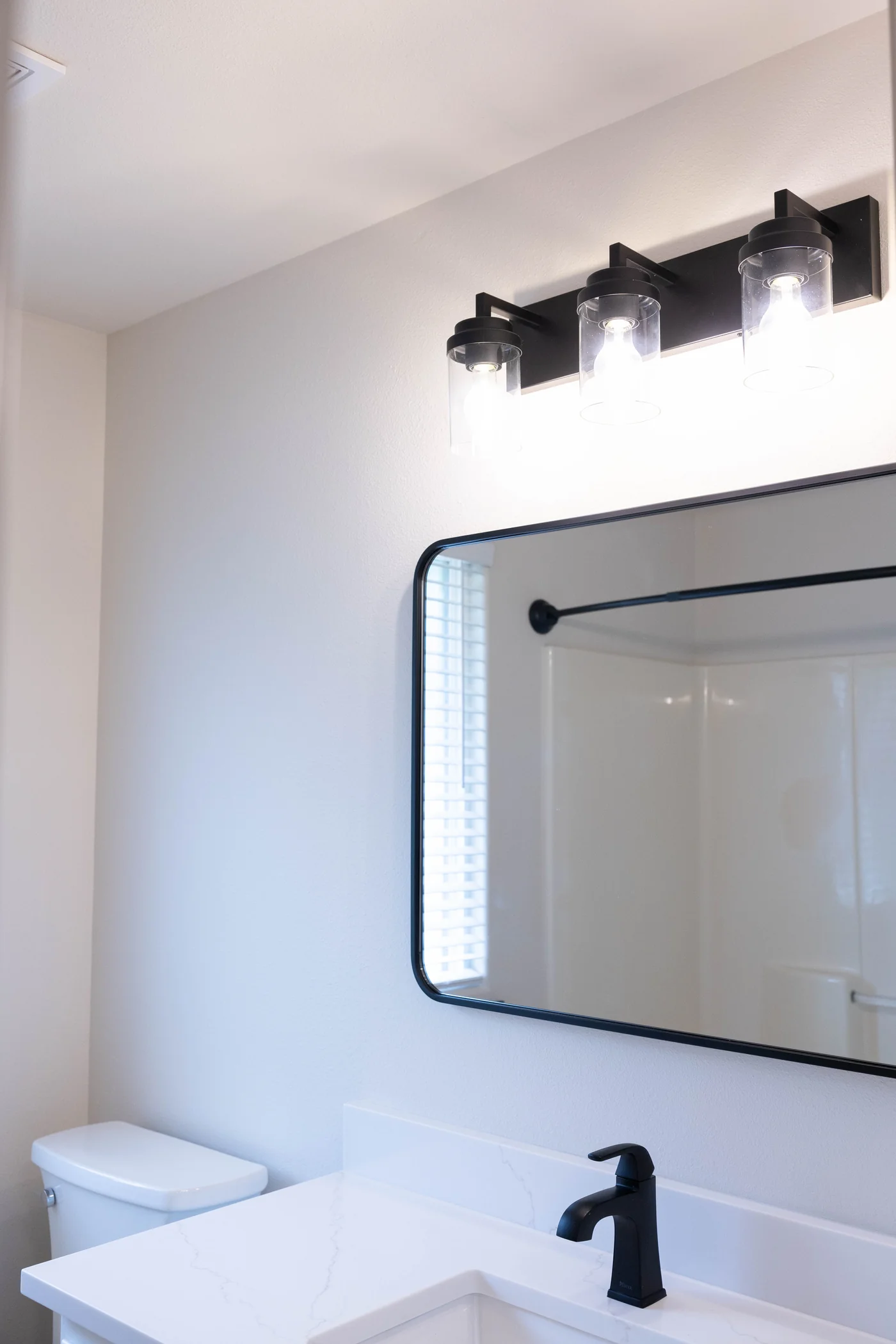
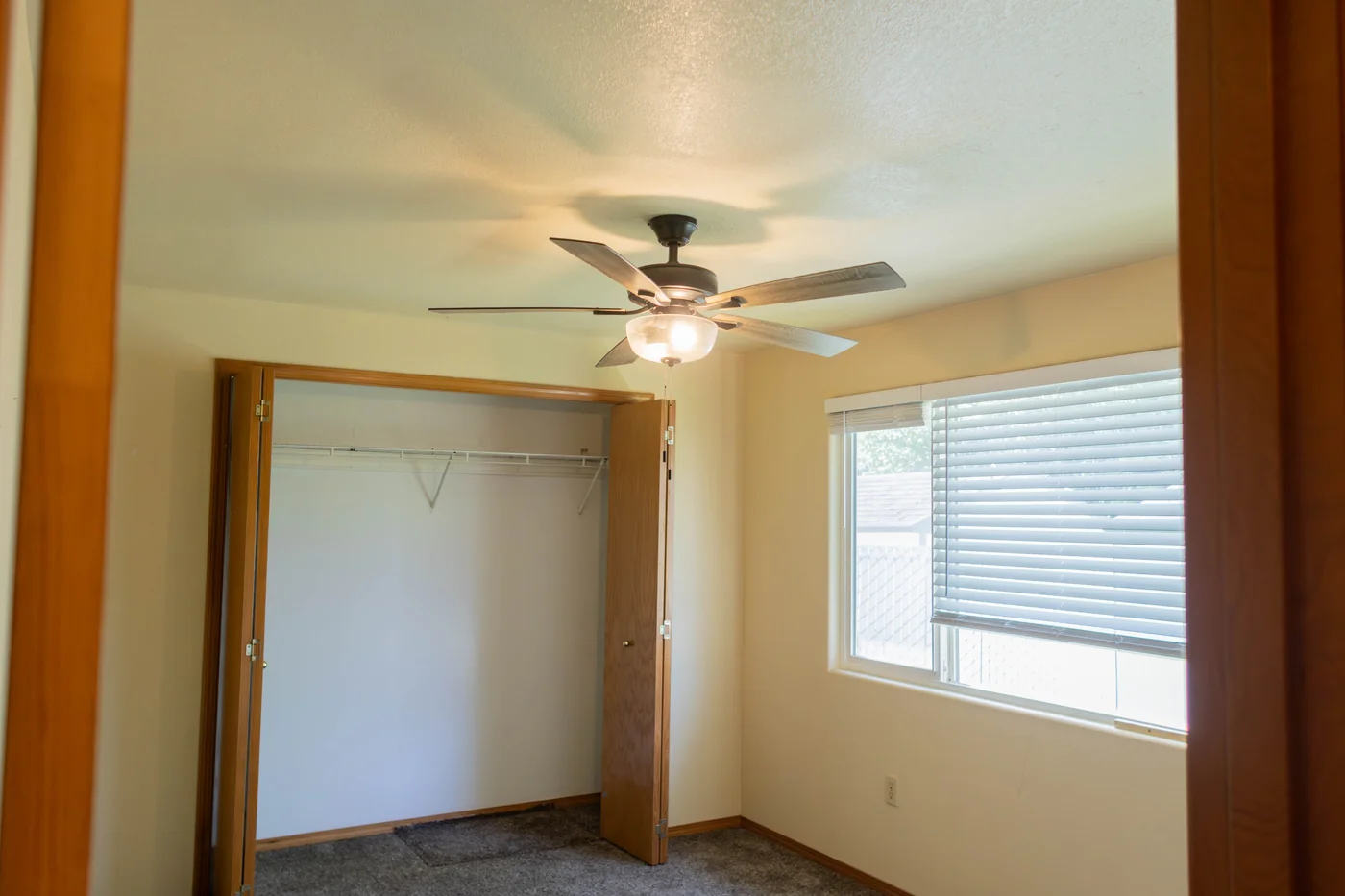
Three real projects, photo-documented for the insurance carrier. Drag each handle to compare.
“Chuck and Cole were very professional, courteous and knowledgeable about their restoration skills including close out processes. I'm really happy they were the two employees assigned to our home.”
Joanna Gamble · Google Review
“We hired Robinson Restoration after a boiler joint failed and leaked what we thought was a small amount of water in our laundry room, but turned out to be more serious than it appeared. They did a fantastic job from first contact to insurance claim approval.”
Randi Covin · Google Review
“We had a major sewer back up a couple of weeks ago, into the laundry room and downstairs bathroom. Panic! We were referred to Robinson Restoration and what a blessing. The whole crew has been wonderful.”
Lynn Dee King · Google Review
In Washington, you choose your restoration contractor, and your carrier can’t penalize you for it. We document every Eltopia loss with moisture maps, photos, and daily readings, then bill your insurer directly. You pay your deductible. That’s it.
Subject to policy coverage and deductible. We handle the paperwork, photos, and adjuster calls.
Farm country in Franklin County means long driveways and buildings that sit empty for stretches, so a broken line can run for hours. We work this part of the Columbia Basin regularly, and the emergency number reaches a dispatcher whenever you call. Our techs pull standing water with truck-mounted extractors, then set air movers and dehumidifiers to dry the structure. Eltopia claims get billed straight to the insurance carrier.
Give the dispatcher your address plus the nearest road intersection and any gate code. Crews working Franklin County are used to farm addresses that mapping apps handle poorly, and a landmark you're confident about saves everyone time. Mention soft ground, cattle guards, or a locked gate as well, so the crew arrives in the right vehicle with a plan for getting equipment to the building.
It affects the failure more than the drying. Well water high in minerals scales up water heaters, valves, and appliance lines, which is why those fail early around Eltopia. Once water is loose in the building, the drying process is the same, though heavy mineral content can leave staining on finishes that needs cleaning. We note the source condition so your claim reflects what actually happened.
The principles match, and the execution differs. Concrete floors, metal siding, and open framing dry faster in some ways and slower in others, especially where insulation is trapped inside a wall panel. Stored equipment, chemicals, and product usually have to be moved and inventoried before drying starts. We treat an Eltopia shop as a commercial loss and document contents along with the structure.
Three to five days is typical, and the readings decide it. Very dry outdoor air helps once we get airflow moving through the wet materials, though a slab or a saturated crawl space can push it longer. A technician checks meters daily and pulls equipment as areas hit target moisture content. You get the log, so the timeline isn't something you have to take on faith.
We work with owners and property managers regularly. With your authorization we coordinate access with occupants, keep you copied on scope, photos, and readings, and separate structure from contents in the documentation. For farm-owned housing around Eltopia that separation matters, because the building and the personal property can end up on different policies or different claims.
Robinson manages the rebuild through vetted licensed contractors and sister companies, with one project manager carrying it from the emergency call to the last walkthrough. Drywall, insulation, flooring, and paint get scheduled in sequence, and the repair scope lines up with the drying documentation already sitting in your claim file. You approve that scope before any of it starts.
Rural or not, water damage compounds fast. Call now and we'll get a crew rolling.
Licensed · Insured · IICRC Certified · Serving Washington & Oregon