Robinson Restoration is an IICRC-certified water damage restoration company serving Ethel, WA. Crews dispatch 24 hours a day, arrive on-site in 90 minutes or less, document the readings and photos your carrier needs, and bill your insurance directly on covered claims.
Ethel sits in the foothill country east of the Chehalis valley, where the driveways climb, the water comes out of a well, and a winter storm can take the power for days. Damage from a broken line or a saturated crawlspace does not wait for the road to clear. Our crews answer any hour.
Properties out here run to small acreage, hay ground, and timber, with farmhouses that have been added onto twice and manufactured homes set on their own pads. Elevation matters: rain in Chehalis can be wet snow or freezing rain up in this country, and that is what splits pipes. Springs and hillside seepage show up in crawlspaces and under shop slabs every wet winter, and long outages leave houses unheated for stretches at a time.
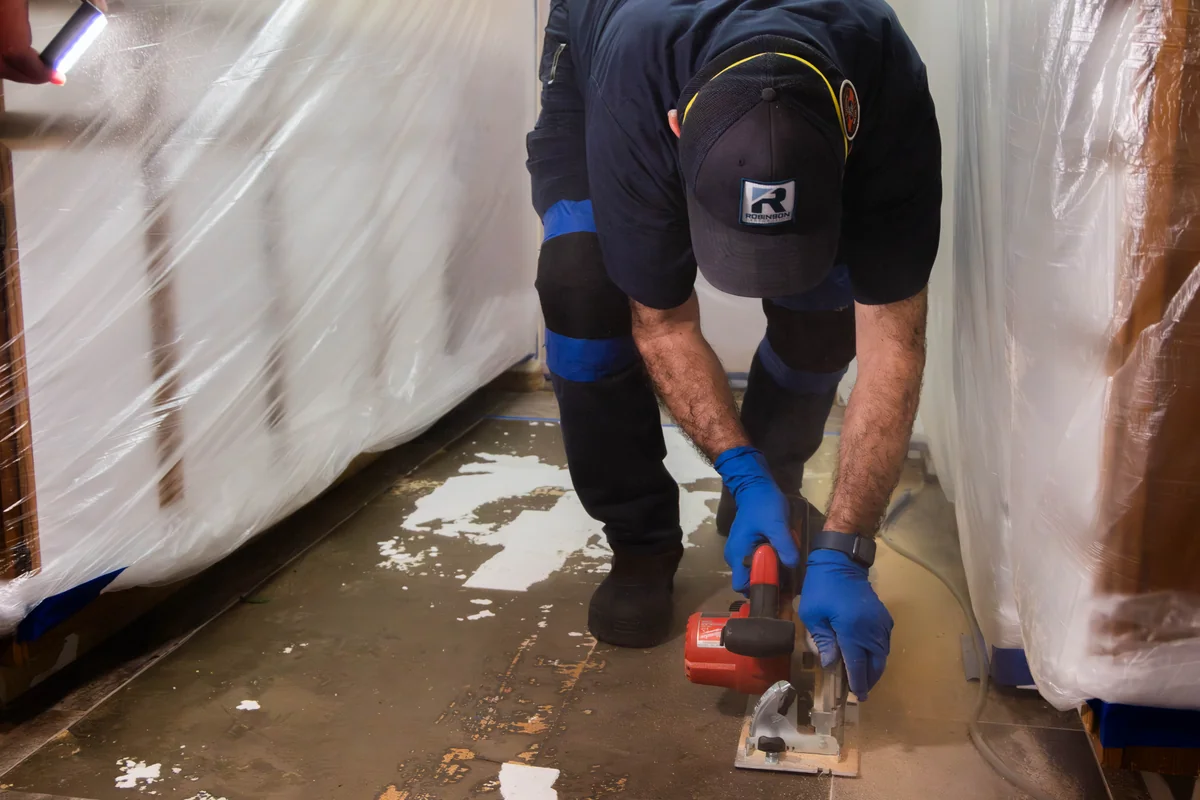
Somebody picks up the phone at any hour, and the crew that heads out for east Lewis County brings generators, extra cord, and equipment sized for a house without utility power. We follow IICRC S500 for drying and documentation: readings on every affected material, daily logs, and photos that show the adjuster what a description cannot. Billing goes to your insurer directly, and we flag well or septic involvement in the file because it changes how the loss gets scoped.

Ethel calls come in from country roads and hill properties, and our crews load for that before they leave the yard.
24 hours a day, 7 days a week, our crews dispatch the moment you call and start mitigation the same visit. Call dispatch or message us for immediate help.
We stop further damage with commercial extraction, structural drying, and antimicrobial treatment, and we walk you through the entire insurance claim as we work.
We manage your rebuild to pre-damaged condition through our trusted network of licensed contractors and sister companies. One manager, one timeline.
The foothills sit cold enough that a valley rainstorm turns into ice up here. Lines in crawlspaces, well houses, and unheated additions freeze first, and the break usually shows when things thaw and pressure returns to a split pipe. If a cold snap knocks out power, shut the main and open a low faucet to drain the system.
Foothill ground holds water and moves it sideways. A spring that ran quietly all summer can surface next to a foundation in January, and cut banks behind a house push water toward the crawlspace instead of away from it. Drying the structure is step one, and identifying the entry point is what keeps it from happening again next winter.
Log trucks, mills, and small logging outfits still shape this part of Lewis County, and the buildings reflect it: shops, equipment sheds, and older homes built by people who worked in the woods. Damage in a working shop involves tools, parts, and stored materials as much as the structure. We handle contents and structure together so nothing gets written off by default.
A lot of homes out here lean on a wood stove, which means the heat is uneven and the far bedrooms run cold. Plumbing in those cold corners and in additions framed against an old exterior wall is what fails first. Older roofs over those additions leak at the connection, so we check both the wall cavity and the ceiling above it.
Most of the losses we run in Ethel start one of three ways: frozen and split pipes, roof and storm leaks, and appliance failures. Here is why each one happens here, and what it takes to dry it properly.
Cold settles into these foothills harder than it does on the valley floor. Uninsulated runs in crawlspaces and unheated additions freeze during an outage, then split when the house warms back up.
Heavy timber over rural roofs drops needles and moss that hold water on the shingles. Add wet snow load and a plugged valley, and the leak lands in attic insulation long before a ceiling stain appears.
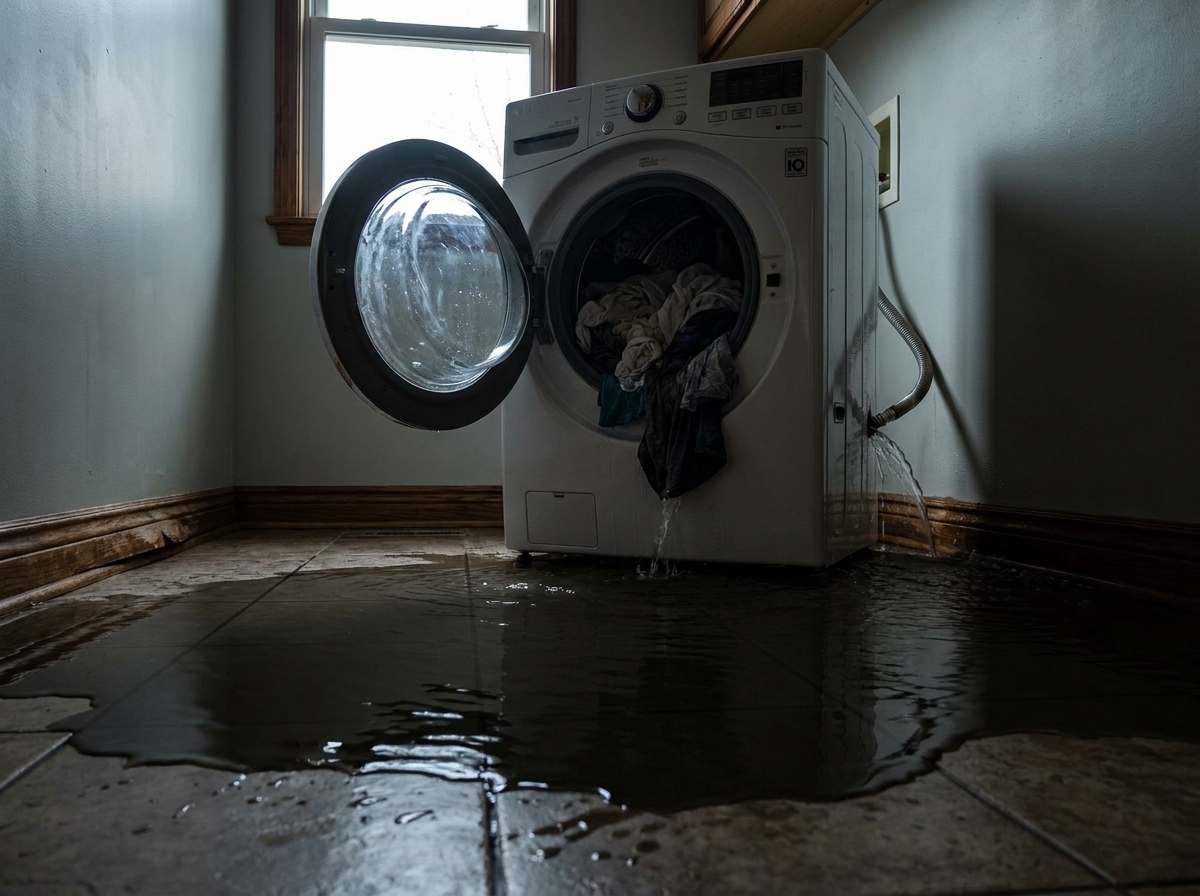
Chest freezers, second refrigerators, and laundry rooms in unheated back porches are common out here. A failed ice maker line or a cracked washer hose can run for hours in a room nobody uses daily.
Water is how most losses start. It’s rarely where they end. The same local crew handles all of it.
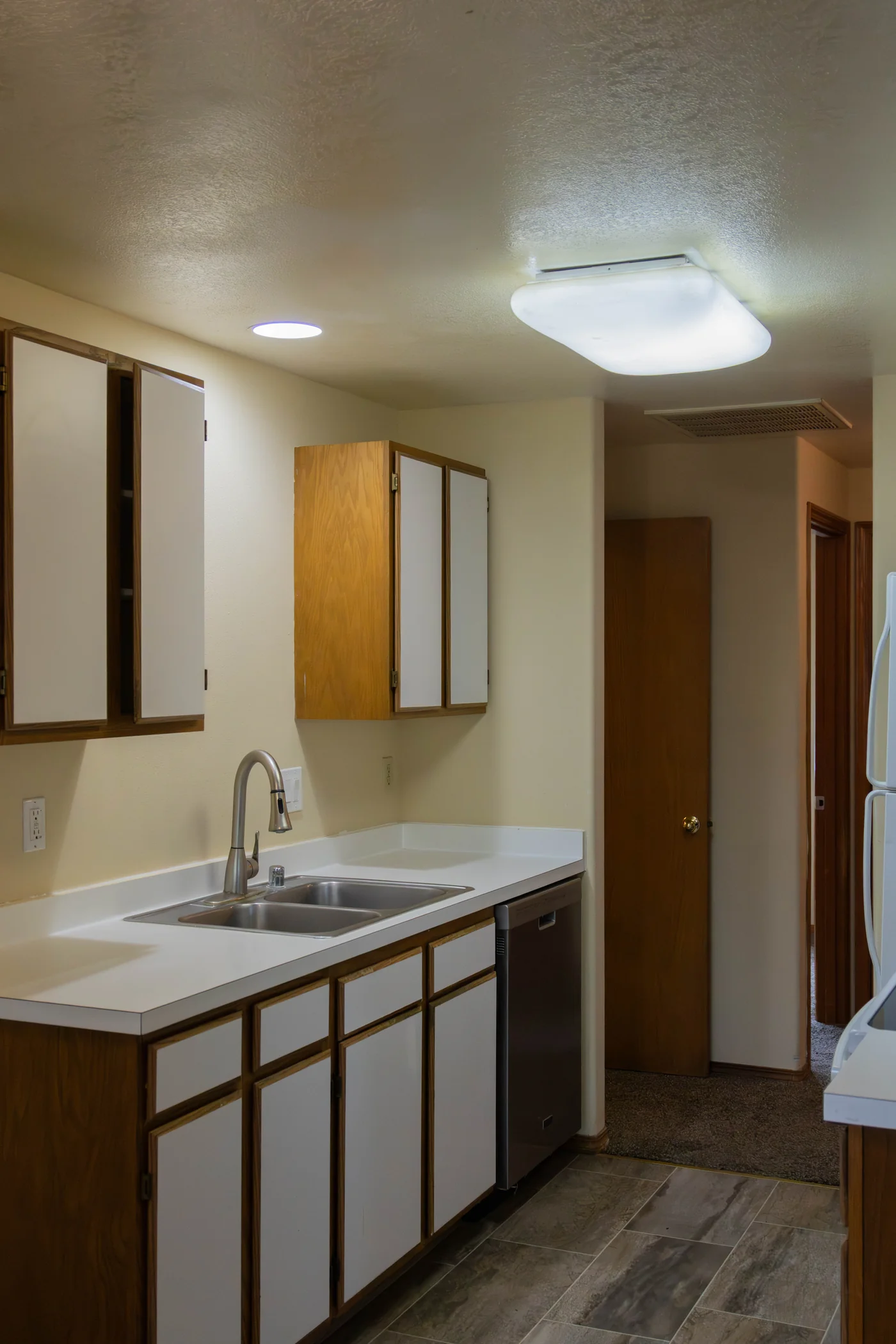
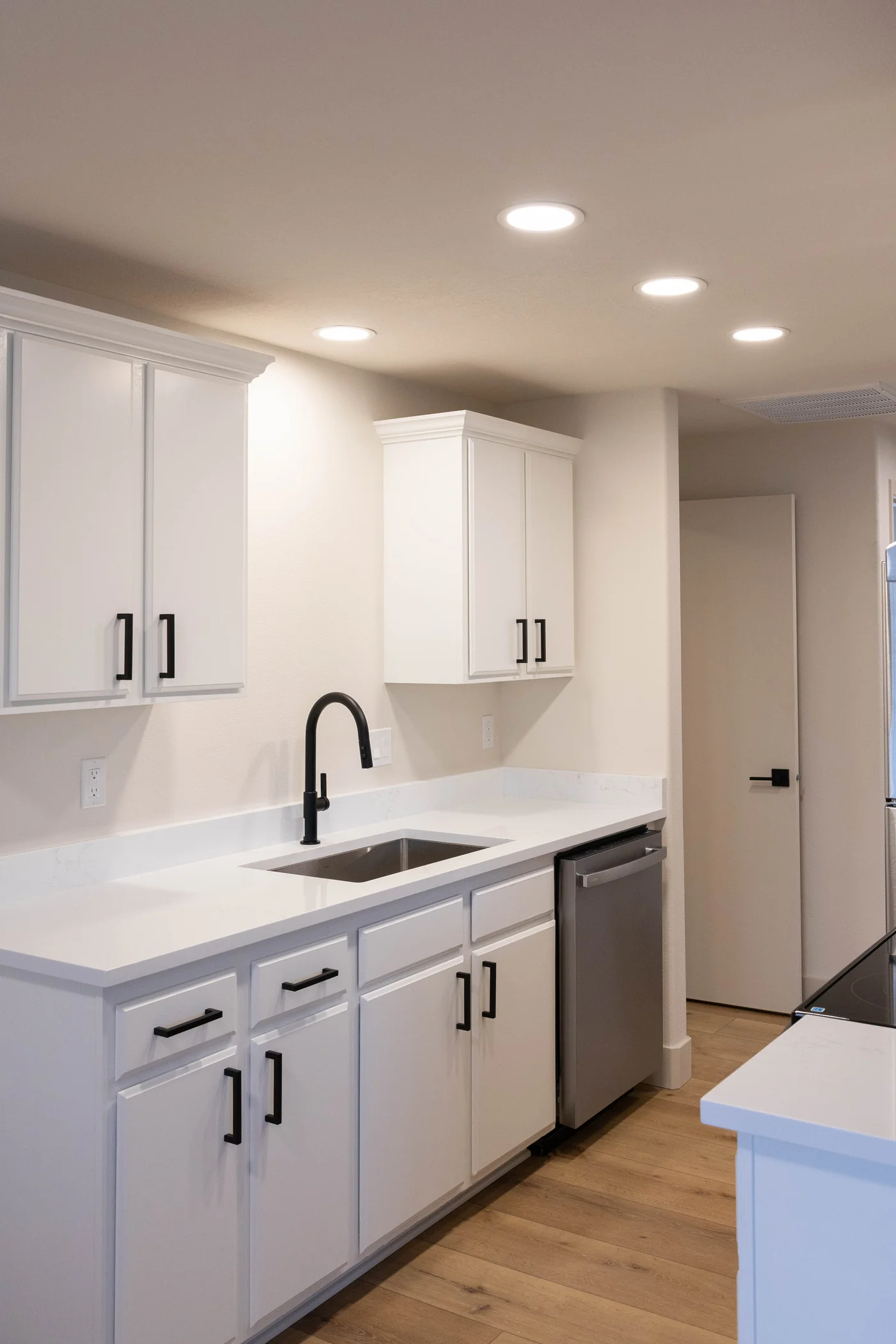
Three real projects, photo-documented for the insurance carrier. Drag each handle to compare.
“We've had the bittersweet opportunity to have Robinson in our lives twice now. First, for a major 3,000 sq ft mold remediation of our crawl space. Then last week, we had an unfortunate flood. I don't know what we would have done without them.”
T Marie C · Google Review
“Chuck and Cole were very professional, courteous and knowledgeable about their restoration skills including close out processes. I'm really happy they were the two employees assigned to our home.”
Joanna Gamble · Google Review
“We hired Robinson Restoration after a boiler joint failed and leaked what we thought was a small amount of water in our laundry room, but turned out to be more serious than it appeared. They did a fantastic job from first contact to insurance claim approval.”
Randi Covin · Google Review
In Washington, you choose your restoration contractor, and your carrier can’t penalize you for it. We document every Ethel loss with moisture maps, photos, and daily readings, then bill your insurer directly. You pay your deductible. That’s it.
Subject to policy coverage and deductible. We handle the paperwork, photos, and adjuster calls.
A burst pipe at 2 a.m. doesn't wait for business hours. Our phones are answered around the clock, and the Lewis County crew that covers Ethel works this area regularly. Extraction equipment, air movers, and commercial dehumidifiers come on the first truck, so there's no second trip for gear. Billing runs directly through your insurance carrier, and we log the moisture readings adjusters look for.
We plan for it. Winter work in east Lewis County means chains, generators, and crews used to driving hill roads, and dispatch stays live through storms. Tell us about road conditions and grade when you call so the right vehicle heads out. Getting standing water out early matters most, because a house that stays wet through a cold week loses insulation, subfloor, and drywall that could have been saved.
Shut the water down at the source. On a well that means killing power to the pump at the breaker and closing the valve at the pressure tank, not looking for a curb meter you do not have. Then cut power to the wet area if outlets are involved, and get contents up off the floor. Call while you are doing it and we will walk you through the rest.
In this foothill country it is usually ground water. A seasonal spring, a saturated hillside, or runoff that gets past a failing ditch will find the crawlspace and sit there. Ethel homes with plastic sheeting laid loosely on bare dirt look dry on top while the soil underneath is soaked. We measure, dry the framing and floor system, and tell you what is driving it.
Yes. A frozen pipe that splits is sudden and accidental damage, and most policies cover it as long as the home was reasonably heated or the system was drained. Surface water entering the house is a flood matter and needs its own coverage. Our report separates the two clearly, which keeps a freeze claim from getting mislabeled and slowed down.
Less than people expect, usually. Structural framing, subfloor, and hardwood can often be dried in place with the right equipment and enough time. Wet insulation, carpet pad, and drywall that wicked water above the baseboard generally come out, because they hold moisture and slow the whole dry-down. We show you the readings behind every removal decision instead of asking you to take our word for it.
Robinson manages the rebuild through vetted licensed contractors and sister companies rather than leaving you to find trades on your own. That means one scope, one set of photos, and one point of contact from the first extraction through the last coat of paint. For rural properties it also means the repair estimate reflects what the crew actually saw under the house, not a guess made from a desk.
Cold, wet, and getting worse. Call Robinson and we will start the dry-out in Ethel.
Licensed · Insured · IICRC Certified · Serving Washington & Oregon