Robinson Restoration is an IICRC-certified water damage restoration company serving Warren, OR. Crews dispatch 24 hours a day, arrive on-site in 90 minutes or less, document the readings and photos your carrier needs, and bill your insurance directly on covered claims.
Out along the Highway 30 corridor, Warren is acreage country: farmhouses, manufactured homes, shops and outbuildings, nearly all of it on a private well and a septic drainfield. A line that lets go out here can run for hours before anyone notices. We answer 24/7 and bring generators and truck-mounted extraction.
This stretch of Columbia County sits between the Coast Range foothills and the Columbia River bottomlands, and both cause trouble. Hillside properties get sheet runoff and saturated slopes after a week of rain. Lower places deal with a water table that comes right up under the house. The building stock leans older farmhouse and 1970s to 1990s manufactured, which means post-and-pier foundations, skirted underbellies, and supply lines run through unconditioned space.
Our Vancouver headquarters dispatches into Columbia County around the clock, and rural calls get scoped for what rural jobs actually need: generator power when an outage caused the loss, containment for a septic backup, and drying equipment sized for open plans and long crawl runs. Every job is photographed, metered, and logged to IICRC S500 standards. We bill your carrier directly and handle the adjuster conversation ourselves.

Rural properties, long driveways, and gated shop buildings are normal for us, so tell dispatch how to find you and we'll be ready.
24 hours a day, 7 days a week, our crews dispatch the moment you call and start mitigation the same visit. Call dispatch or message us for immediate help.
We stop further damage with commercial extraction, structural drying, and antimicrobial treatment, and we walk you through the entire insurance claim as we work.
We manage your rebuild to pre-damaged condition through our trusted network of licensed contractors and sister companies. One manager, one timeline.
Warren runs on private wells, and the failure points aren't in the house. A cracked pressure tank, a stuck pump relay, or a split line between the well house and the crawlspace will pump continuously into the ground or under the floor. Nothing trips, nothing alarms. The first sign is often a soft spot in the hallway or a musty smell that won't clear.
Drainfields out here are working against saturated ground from November on. Once the soil can't take any more, the system backs up into the lowest drain in the house, usually a basement shower or a laundry standpipe. That's a Category 3 loss, so it needs containment, removal of porous materials, and antimicrobial treatment before anything dries.
Wind coming off the Coast Range takes power lines down along this corridor most winters, and outages here can run a day or more. No power means no heat, and no heat in a manufactured home means the belly lines freeze. Homes on a well lose pressure during an outage, which hides a break until the power comes back and the pump refills the line.
Half the value on a Warren property is in the buildings that aren't the house. Shops, hay barns, and detached garages hold equipment, tools, and stored contents, and they usually have uninsulated plumbing and slab floors that wick. Coverage for those structures is separate on most policies, so we scope and document them on their own instead of folding them into the dwelling claim.
Most of the losses we run in Warren start one of three ways: sewage backups, frozen and split pipes, and water heater failures. Here is why each one happens here, and what it takes to dry it properly.
Septic systems around Warren carry the whole load, and a drainfield that's already saturated in February has nowhere to send it. The backup surfaces in the lowest fixture, and it's contaminated water from the first minute.
Manufactured homes and older farmhouses out here run supply lines through unheated bellies and crawl spaces. Add a multi-day power outage with no heat, and those lines split, then flood when the thaw arrives.
Water heaters in Warren often sit in a utility room, garage, or shop with a floor drain that clogged years ago. When the tank rusts through, thirty or forty gallons hits the slab and wicks into framing and stored contents.
Water is how most losses start. It’s rarely where they end. The same local crew handles all of it.
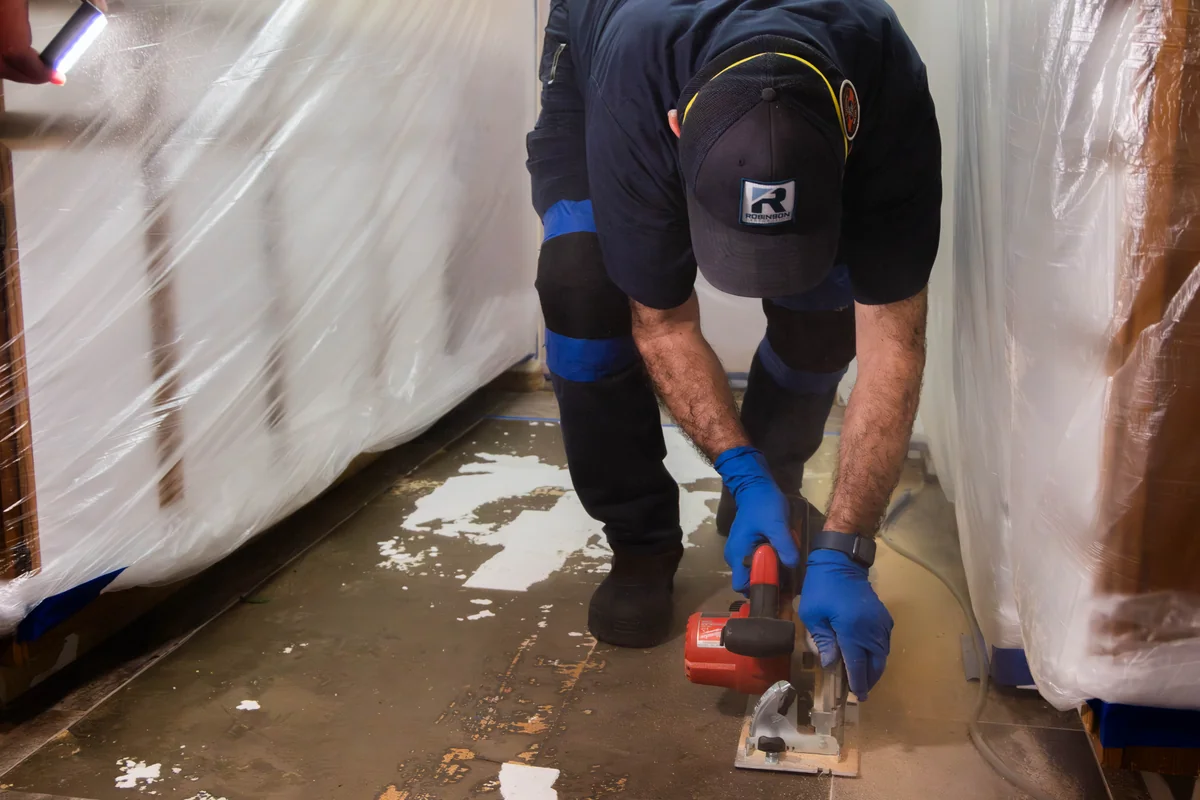
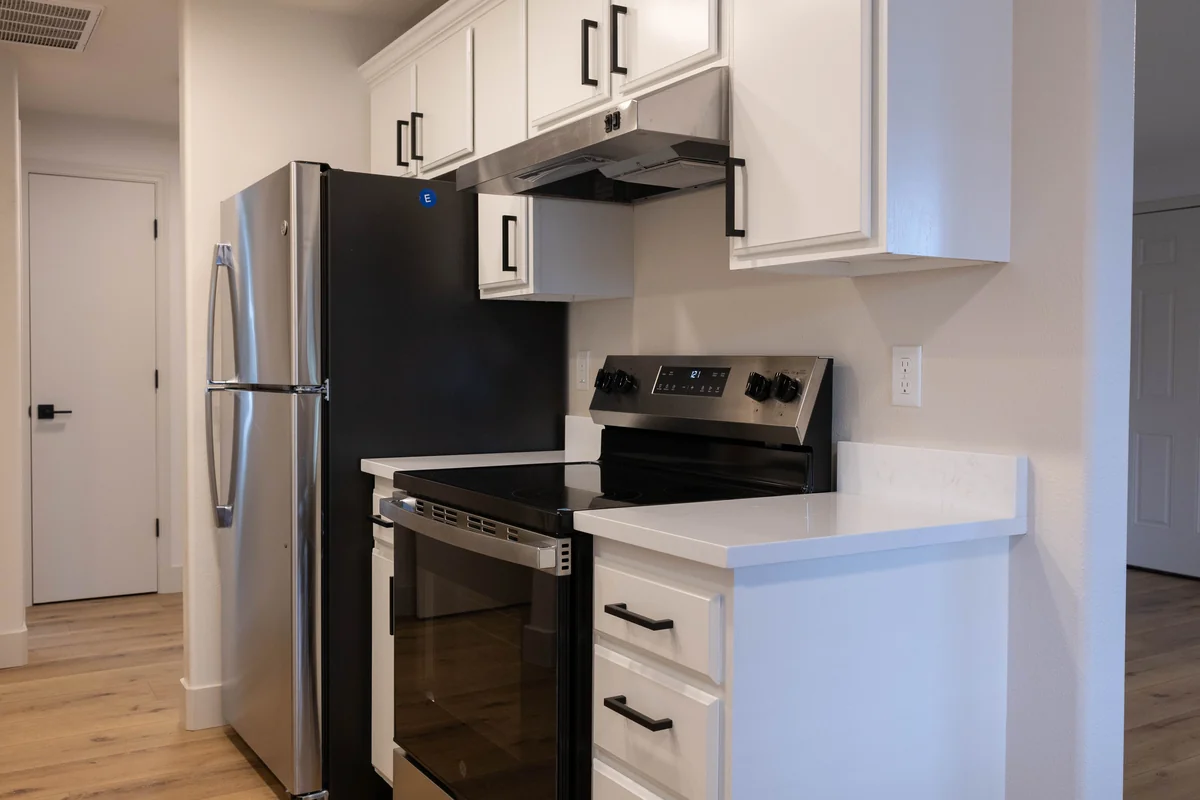
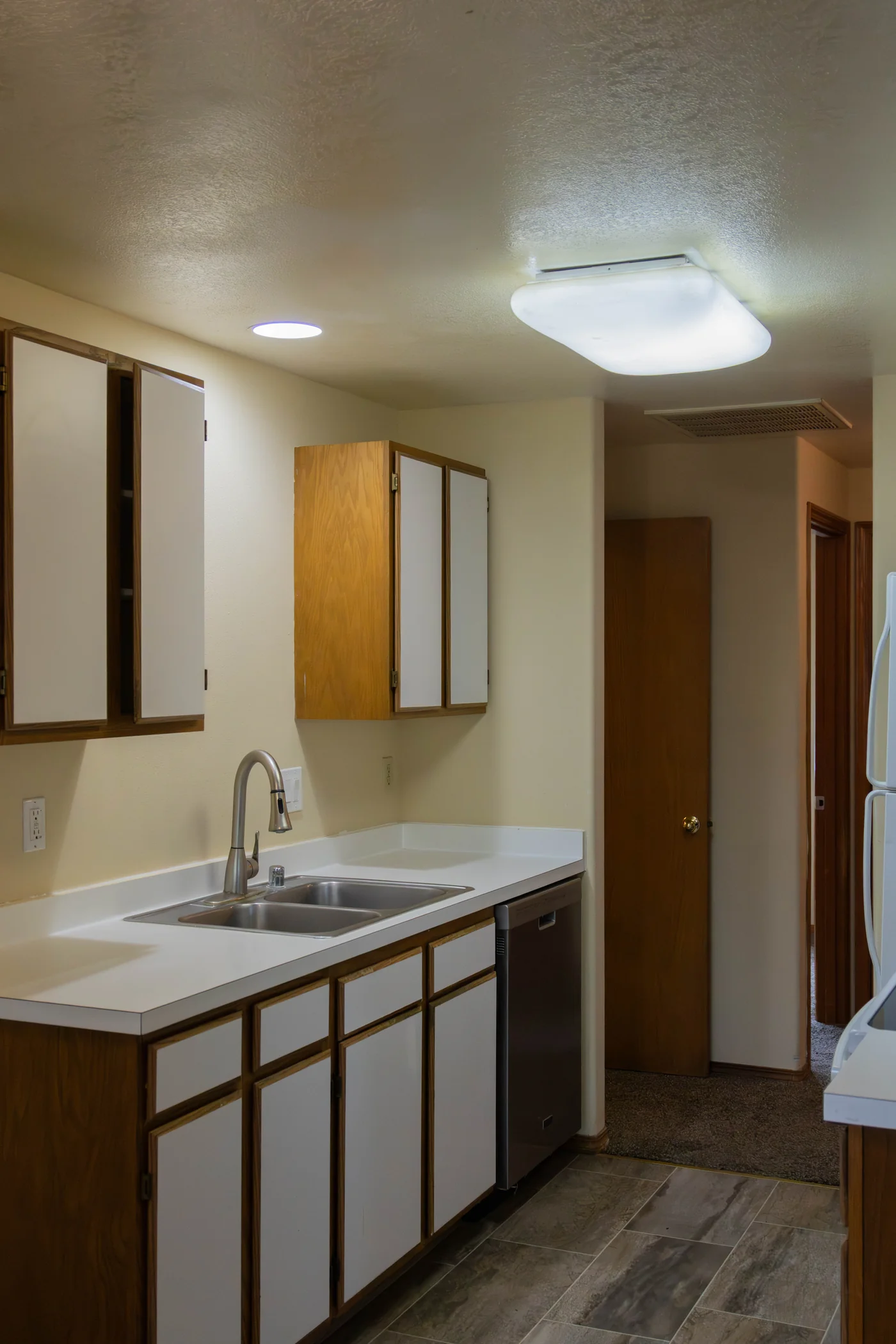
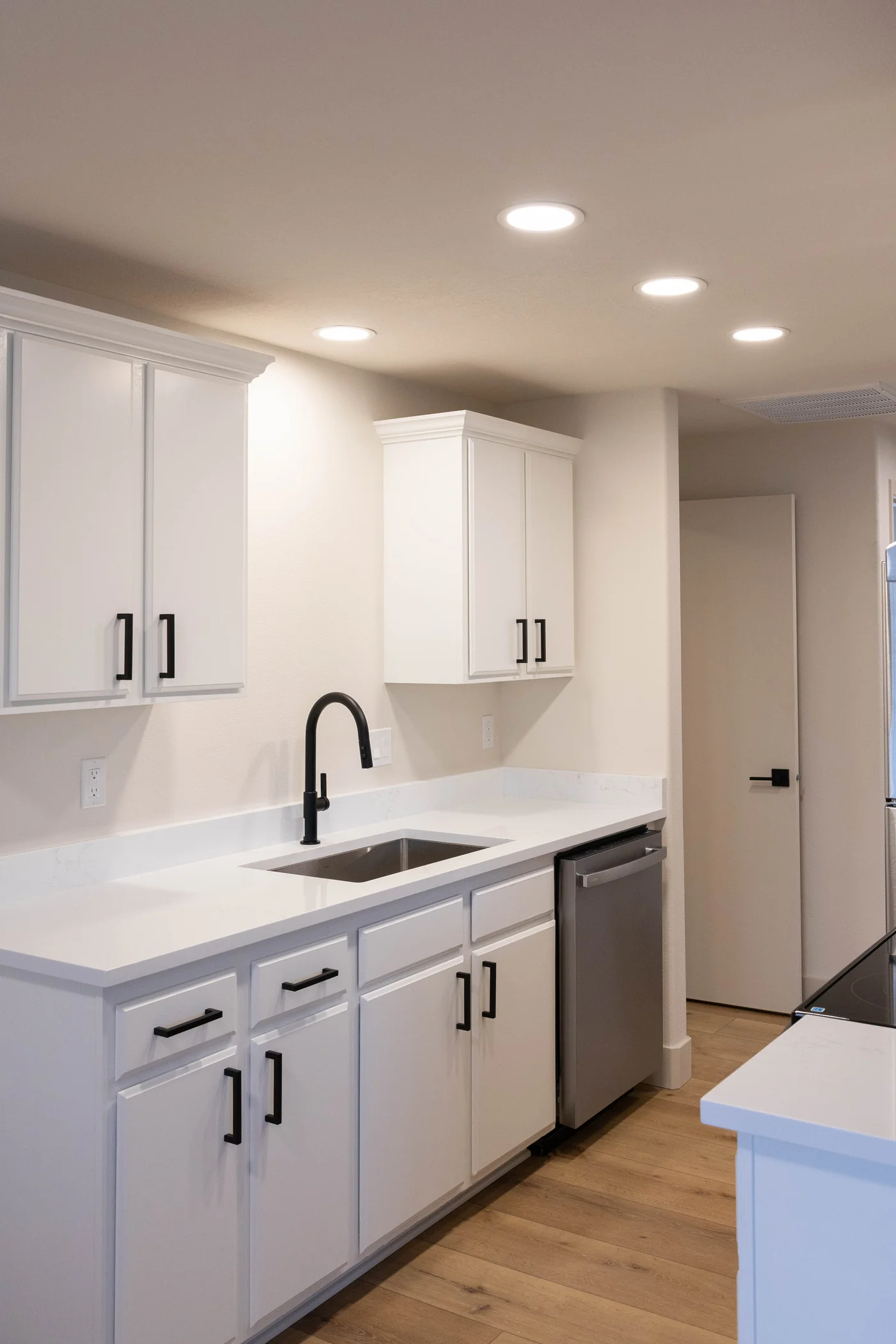
Three real projects, photo-documented for the insurance carrier. Drag each handle to compare.
“Had a leak in our wall and our plumber recommended Robinson Restoration to handle remediation of the water damage. Christian and Adolfo were awesome. Great communication throughout the setup of the containment area and installation of the equipment to start the drying process.”
Won Lee · Google Review
“We recently had an unfortunate plumbing issue that led to some significant flooding issues. On the recommendation of our plumber we reached out to Robinson Restoration to help us with drying out our house and getting it ready to be put back together.”
Don Warner · Google Review
“We've had the bittersweet opportunity to have Robinson in our lives twice now. First, for a major 3,000 sq ft mold remediation of our crawl space. Then last week, we had an unfortunate flood. I don't know what we would have done without them.”
T Marie C · Google Review
In Oregon, you choose your restoration contractor, and your carrier can’t penalize you for it. We document every Warren loss with moisture maps, photos, and daily readings, then bill your insurer directly. You pay your deductible. That’s it.
Subject to policy coverage and deductible. We handle the paperwork, photos, and adjuster calls.
Rural properties in Columbia County bring their own headaches: well pumps, septic backups, and long crawlspaces that trap humidity under the floor. We have a crew covering Warren and the surrounding lower Columbia communities, with dispatch answered 24/7. Trucks show up stocked with portable extractors, air movers, and dehumidifiers, and we invoice your insurance company directly.
Yes. Warren and the acreage between the two towns is regular territory for us. Long gravel driveways, gated entries, and detached shops don't slow the job down as long as dispatch knows what we're pulling into. Tell us whether a truck and trailer can get all the way to the structure, and mention if the property is on a well, because that changes how we shut water off.
Usually the water damage is covered and the pump isn't. Homeowners policies pay to clean up sudden and accidental discharge, so the wet subfloor, insulation, and framing under your Warren home are typically in scope. The failed pump, tank, or fitting is the excluded part, since that's considered maintenance. We separate the two clearly in the estimate so your adjuster doesn't deny the whole thing over one line item.
It can often be dried. The trouble with manufactured homes around Warren is the belly wrap, which holds water against the floor decking and hides it from a surface meter. We open the underbelly, extract what's trapped, and push warm dry air through the cavity while we monitor the decking. Particleboard decking that's already swollen and delaminating won't recover, and we'll tell you that early instead of running fans for a week.
Yes. Our trucks carry generators and the extraction units run off the truck, so a Warren property without power still gets water pulled out and air movers running the same visit. We'll also set up temporary heat if the house is cold enough to risk more freezing. Waiting for the utility to restore service is what turns a two-day dry-out into a mold remediation job.
We manage the rebuild for you. Once the Warren property passes final moisture readings, we coordinate flooring, drywall, paint, and trim through vetted licensed contractors and our sister companies, and we keep the file open until it's finished. On rural jobs that often includes outbuilding repairs and skirting or underbelly work, which we scope separately so the coverage lines stay clean.
Source decides it. Clean supply-line water starts as Category 1 and degrades over time. Anything from a septic system, a toilet trap, or ground water that ran across a Warren pasture is Category 3 from the start, and that means personal protective equipment, containment, and disposal of carpet, pad, and wet drywall. Don't run a shop vac through it, and keep pets and kids out of the room.
Standing water gets worse by the hour. One call sends a certified crew to your Warren property with gear and generators.
Licensed · Insured · IICRC Certified · Serving Washington & Oregon