Robinson Restoration is an IICRC-certified water damage restoration company serving Rainier, OR. Crews dispatch 24 hours a day, arrive on-site in 90 minutes or less, document the readings and photos your carrier needs, and bill your insurance directly on covered claims.
Rainier looks out at the Columbia from a hillside that climbs hard off Highway 30, and every one of those streets sends water downhill in a storm. Old houses, steep lots, big weather. Robinson Restoration runs 24/7 emergency response for the whole lower Columbia stretch.
A lot of the housing stock here dates to the mill and river-trade years, meaning early 1900s frame homes with basements dug into the slope, plus 1940s and 50s cottages, and manufactured homes on acreage up in the hills. The lower Columbia takes serious rain from October on, and winter east winds funneling down the river drop temperatures fast. Steep grades mean stormwater arrives at a foundation with force instead of soaking in.
Calls come into our Vancouver dispatch at any hour, and Columbia County jobs get the same standard as anything in the metro. Technicians arrive IICRC certified, find the moisture with meters and infrared rather than guessing at it, and set drying equipment sized to the actual space. Photos, readings, and equipment logs build the file your adjuster needs. Billing goes directly to the carrier, so a Rainier homeowner deals with the deductible and nothing else.

Rainier sits inside the river corridor our Vancouver crews cover nightly, with extraction and drying equipment loaded before the call ever comes in.
24 hours a day, 7 days a week, our crews dispatch the moment you call and start mitigation the same visit. Call dispatch or message us for immediate help.
We stop further damage with commercial extraction, structural drying, and antimicrobial treatment, and we walk you through the entire insurance claim as we work.
We manage your rebuild to pre-damaged condition through our trusted network of licensed contractors and sister companies. One manager, one timeline.
Rainier's street grid climbs steeply off the river, so a heavy storm turns pavement and driveways into channels. Homes on the low side of a block take runoff that started three streets up. Retaining walls, area drains, and window wells were sized for the rain of a different decade. When they overwhelm, water enters at grade and moves straight into a basement.
River-town houses built in the mill era have been re-piped in pieces, which leaves galvanized, copper, and plastic all connected in the same run. Dissimilar metals corrode at the joint, and unheated basements give those joints no protection during a cold snap. Owners of these homes often find the leak by way of a warped floor upstairs rather than a puddle in the basement.
Winter east winds coming down the Columbia can drop temperatures below freezing while driving rain sideways. That combination pushes water past siding laps and window flashing that handle normal weather fine, and it freezes exposed lines on the river side of a house first. Damage from an east wind event usually shows up in two places: an exterior wall and a crawlspace.
Between the river terminals, the marine trades, and the shops that support them, Rainier has a fair amount of commercial and mixed-use space in old buildings. Those structures have flat or low-slope roofs, aging service lines, and finished offices tucked into former warehouse floors. A pipe failure there shuts down a business, so we stage equipment to dry occupied space without closing the doors.
Most of the losses we run in Rainier start one of three ways: roof and storm leaks, flooding and groundwater, and burst and leaking pipes. Here is why each one happens here, and what it takes to dry it properly.
Steep-pitched roofs under heavy fir cover collect needles in the valleys, and lower Columbia rain finds every gap. Leaks often track along a rafter and appear in a room away from the actual breach.
Hillside streets funnel stormwater toward the properties below them. When area drains plug with leaves during a long rain, that water backs up against a foundation and finds the basement window well.
Century-old homes here run supply lines through uninsulated basements and crawl areas. A few nights of east wind below freezing splits the weakest joint, and it lets go when the house warms back up.
Water is how most losses start. It’s rarely where they end. The same local crew handles all of it.
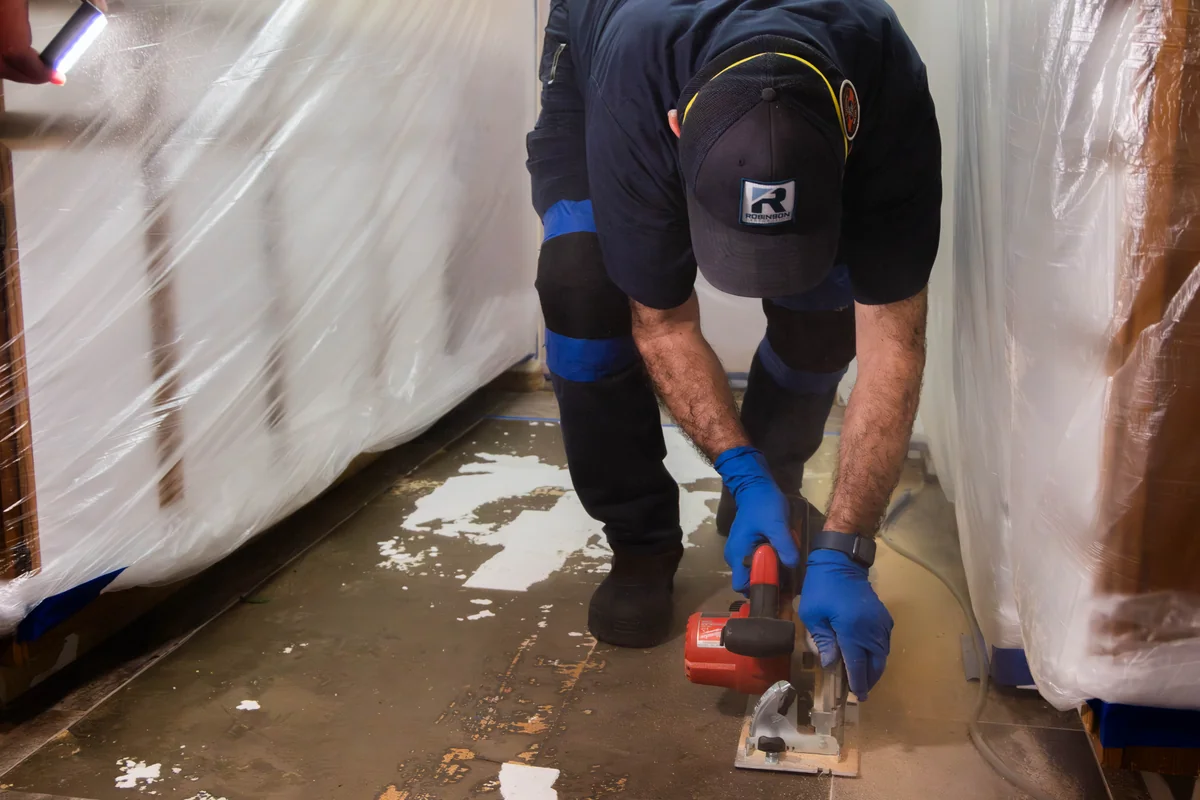
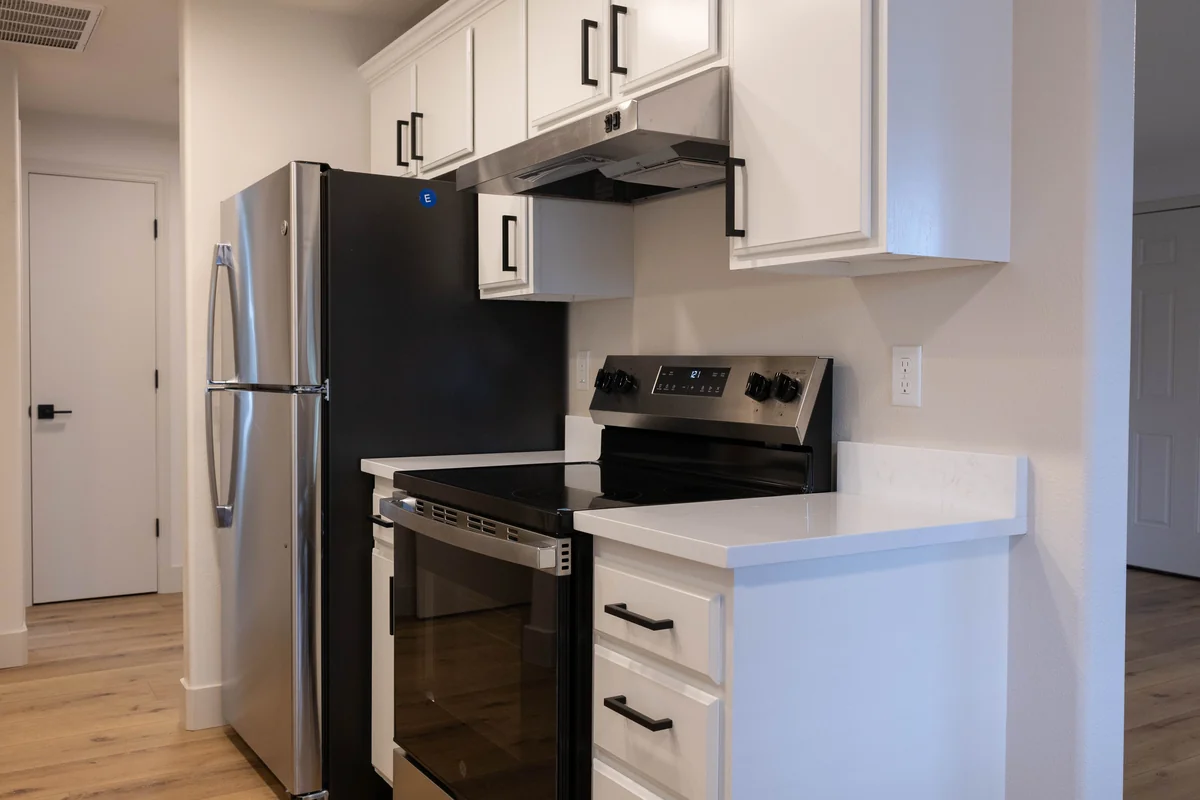
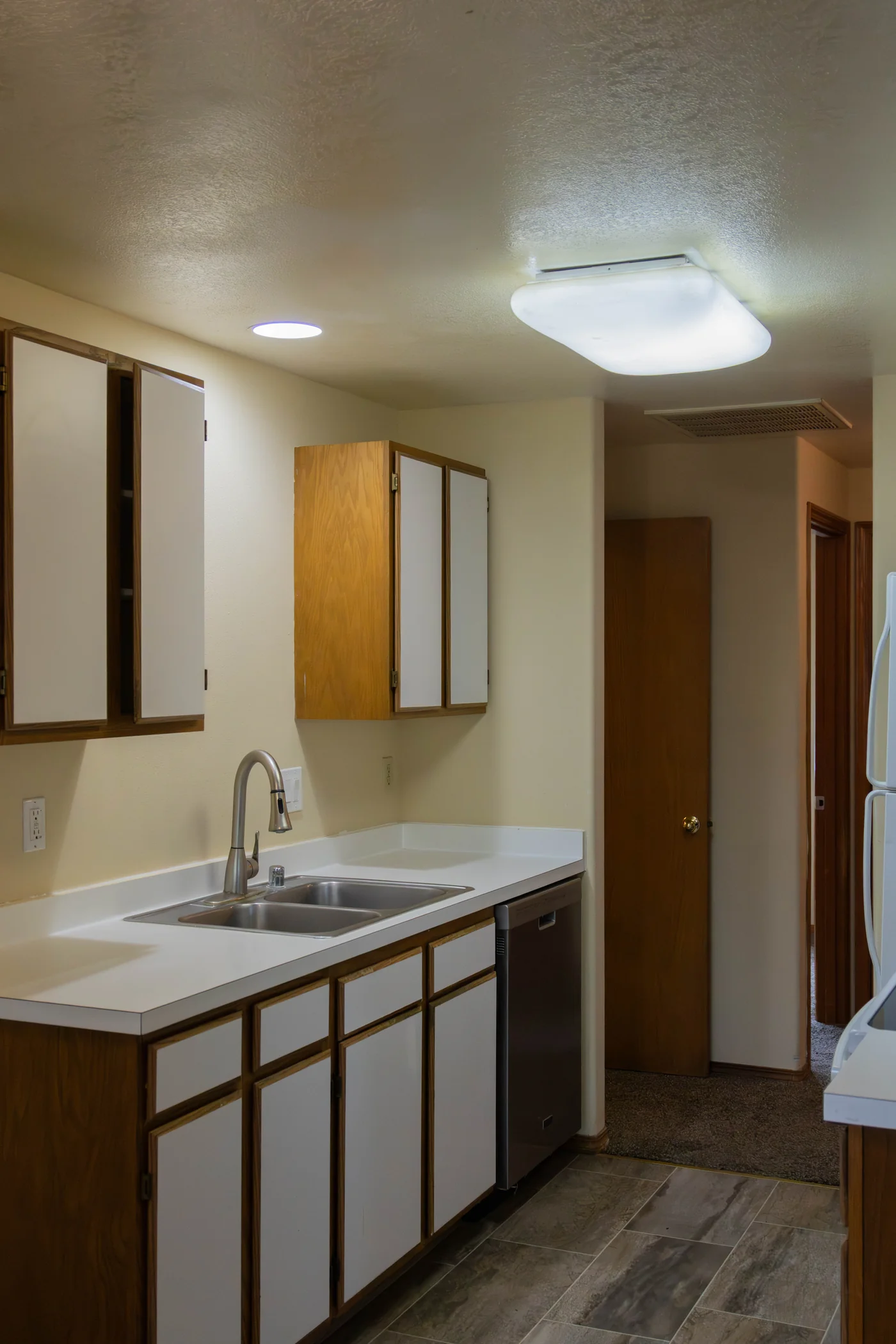
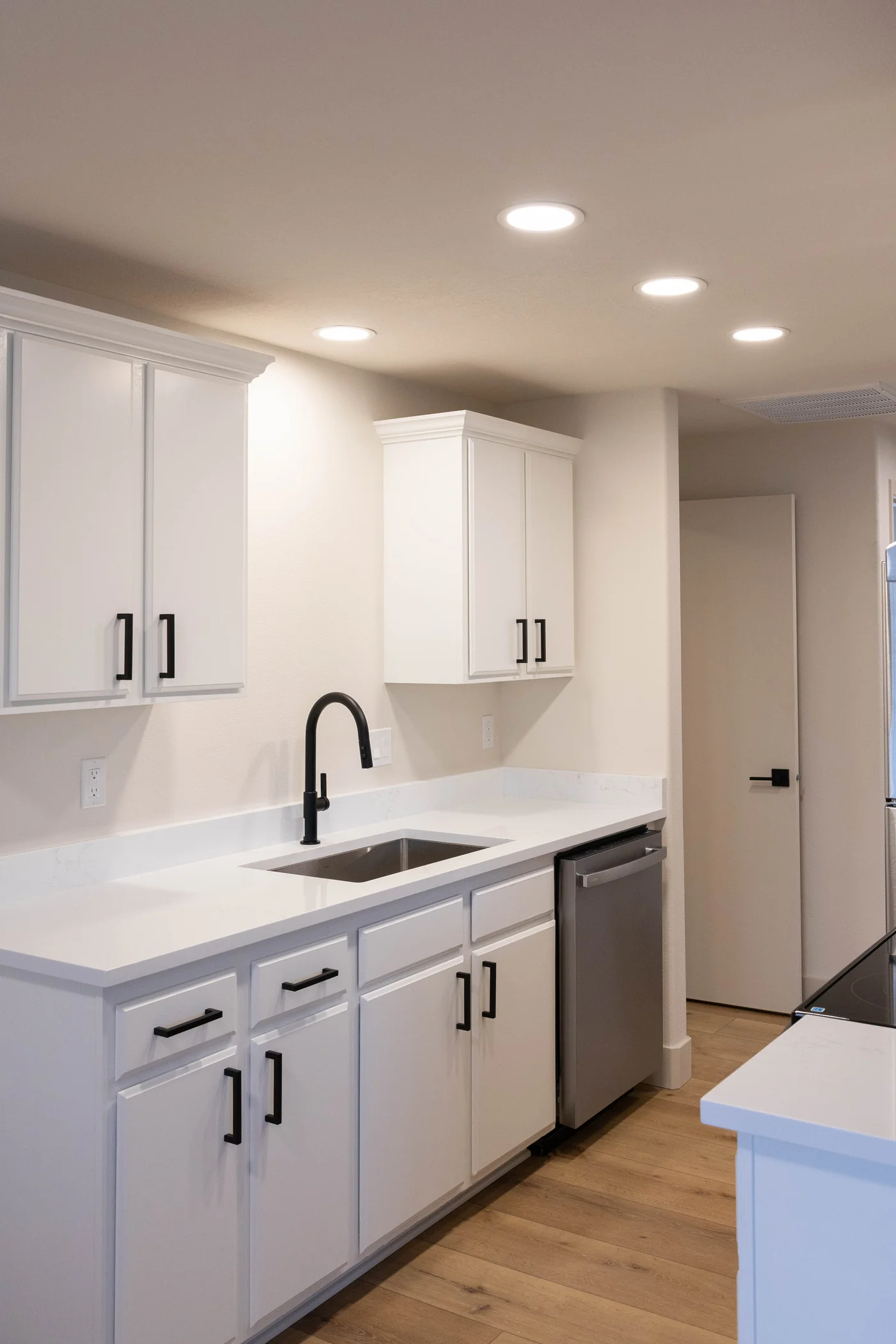
Three real projects, photo-documented for the insurance carrier. Drag each handle to compare.
“We've had the bittersweet opportunity to have Robinson in our lives twice now. First, for a major 3,000 sq ft mold remediation of our crawl space. Then last week, we had an unfortunate flood. I don't know what we would have done without them.”
T Marie C · Google Review
“Chuck and Cole were very professional, courteous and knowledgeable about their restoration skills including close out processes. I'm really happy they were the two employees assigned to our home.”
Joanna Gamble · Google Review
“We hired Robinson Restoration after a boiler joint failed and leaked what we thought was a small amount of water in our laundry room, but turned out to be more serious than it appeared. They did a fantastic job from first contact to insurance claim approval.”
Randi Covin · Google Review
In Oregon, you choose your restoration contractor, and your carrier can’t penalize you for it. We document every Rainier loss with moisture maps, photos, and daily readings, then bill your insurer directly. You pay your deductible. That’s it.
Subject to policy coverage and deductible. We handle the paperwork, photos, and adjuster calls.
Small towns along the lower Columbia get the same coverage as the metro, and Rainier is inside our regular service area. Dispatch answers 24/7, and the responding crew carries extraction gear, air movers, and dehumidifiers, enough to handle most jobs without a second trip. Damp river air slows evaporation, which is why we monitor moisture levels daily until the readings hold. Insurance is billed directly.
It changes the source. Rainier homes are rarely threatened by the Columbia itself. The water that gets into these houses comes off the slope above them during a heavy storm, arriving at grade with momentum. That matters for your claim, because surface water and sudden plumbing failures fall under different parts of a policy. We identify and document the source before we start drying.
That smell is moisture you haven't found yet. In older Rainier basements it's usually one of three things: a slow leak inside a wall, groundwater wicking up through an uncoated concrete slab, or a crawlspace vapor barrier that stopped doing its job. Meters and thermal imaging locate it in under an hour. Chasing the odor with an air freshener just delays the part that costs money.
Both. Shops, offices, church buildings, and mixed-use space along the river all get the same certified crews. Commercial work usually means drying around operations rather than shutting them down, so we build containment, run equipment on a schedule that fits your hours, and coordinate with the building owner and the carrier. Documentation matters even more on a commercial claim, and ours is built for it.
Dispatch is staffed 24/7, and our target for Rainier is on-site in 90 minutes. On the phone we'll walk you through shutting off the water and deciding whether power near the water is safe. The crew arrives with extraction equipment ready, so removal of standing water starts right away. Every hour that water sits, it moves further into framing and takes longer to dry.
You get a written scope and price before work begins, and we don't start tearing out material on an assumption. Emergency extraction and stabilization can be authorized separately so the damage stops spreading while coverage is being sorted out. If a claim is denied, we'll show you which parts are genuinely necessary and which can wait, and you decide from there.
Yes, and we manage that work for you. Our certified crews handle mitigation and drying. The rebuild goes through licensed contractors and sister companies we bring in, which keeps flooring, drywall, paint, and trim on one schedule under one point of contact. For older Rainier homes that often means matching original trim profiles or historic finishes, and we plan for that up front.
Water moves fast on a hillside. Call Robinson Restoration and a certified Rainier crew gets rolling right away.
Licensed · Insured · IICRC Certified · Serving Washington & Oregon