Robinson Restoration is an IICRC-certified water damage restoration company serving West Linn, OR. Crews dispatch 24 hours a day, arrive on-site in 90 minutes or less, document the readings and photos your carrier needs, and bill your insurance directly on covered claims.
West Linn sits on the bluffs above the Willamette and Tualatin rivers, which means steep lots, daylight basements, and a lot of water moving downhill every winter. When it finds a way inside, the finished lower level is usually where it lands. We're on call 24/7 for that.
Housing here spans three very different eras. The historic Willamette neighborhood holds 1920s and 1930s homes with original cast iron waste lines and unfinished basements. Bolton and Robinwood filled in with mid-century ranches and split-levels cut into the slope. The subdivisions up along Rosemont came later and bigger, with finished lower levels, hardwood, and more than one laundry hookup. Steep grade plus clay soil plus forty-plus inches of rain puts constant pressure on foundation drains.
We dispatch 24/7 out of Vancouver and cover the Clackamas County side every day. On a West Linn call the first job is finding the entry point, because water on a hillside rarely enters where it shows up. Thermal imaging and moisture mapping tell us where it traveled through the framing. Everything gets photographed, metered daily, and dried to IICRC S500 standards, and we bill your carrier directly so the paperwork isn't yours.

Steep driveways, tuck-under garages, and finished lower levels are what our crews expect on a West Linn call, and we stage equipment accordingly.
24 hours a day, 7 days a week, our crews dispatch the moment you call and start mitigation the same visit. Call dispatch or message us for immediate help.
We stop further damage with commercial extraction, structural drying, and antimicrobial treatment, and we walk you through the entire insurance claim as we work.
We manage your rebuild to pre-damaged condition through our trusted network of licensed contractors and sister companies. One manager, one timeline.
Nearly every West Linn lot has grade above it. When a footing drain silts up or a downspout line collapses, hydrostatic pressure pushes water through the cold joint at the base of a basement wall. It shows as a damp baseboard first. Behind that drywall the insulation is already saturated and the bottom plate has been wet for weeks.
The 1920s and 1930s homes in the historic Willamette neighborhood still run cast iron waste stacks and galvanized supply. Cast iron rusts from the inside and fails at the hub, often inside a wall between the kitchen and the bath above it. Old plaster and lath hides the leak and then holds the moisture, which is why these jobs need cavity drying rather than surface fans.
Douglas fir and big-leaf maple shade most of this town, and they fill gutters and downspout leaders every fall. Overflowing gutters dump against the foundation or back up under the shingle edge, and on a two-story West Linn home that water can enter a soffit and travel down inside a wall. Fall cleanout is cheaper than a ceiling.
A finished daylight basement changes the math on a claim. Hardwood, built-ins, media rooms, and stored contents are all in the path, and contents coverage runs out faster than people expect. Policies also treat surface water differently than a sudden pipe failure. We document the source, the path, and the affected materials in detail, because on West Linn losses that record is what protects the claim.
Most of the losses we run in West Linn start one of three ways: flooding and groundwater, roof and storm leaks, and burst and leaking pipes. Here is why each one happens here, and what it takes to dry it properly.
Storm water on a West Linn slope doesn't pool, it moves, and it finds the lowest opening: a window well, a garage threshold, or the base of a basement wall. Days of atmospheric river rain are what triggers it.
Heavy tree cover keeps West Linn roofs damp and mossy, and moss lifts shingles at the edges. Add wind-driven rain against a north-facing slope and water gets under the felt, then runs a rafter until it drops into a ceiling.
The older homes near the Willamette neighborhood still have galvanized and early copper with thin walls at the fittings. A pinhole above a plaster ceiling can soak framing for days before the stain finally shows.
Water is how most losses start. It’s rarely where they end. The same local crew handles all of it.
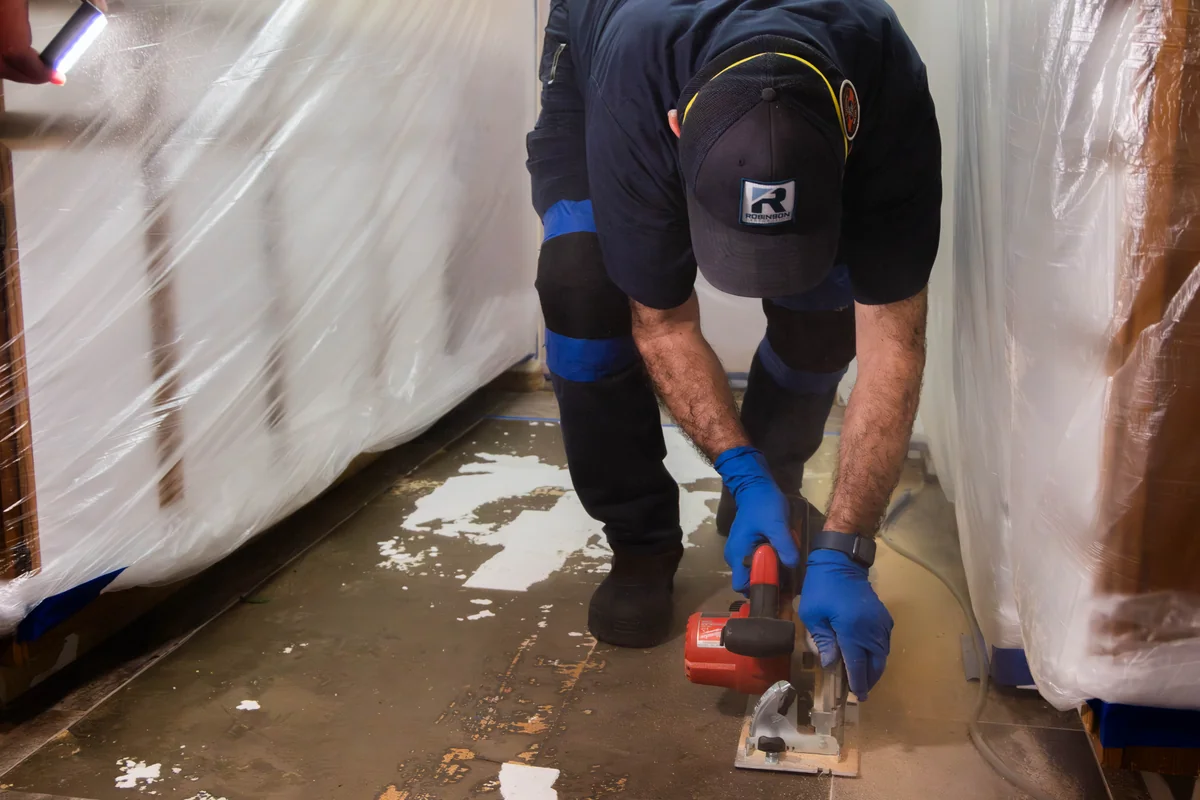
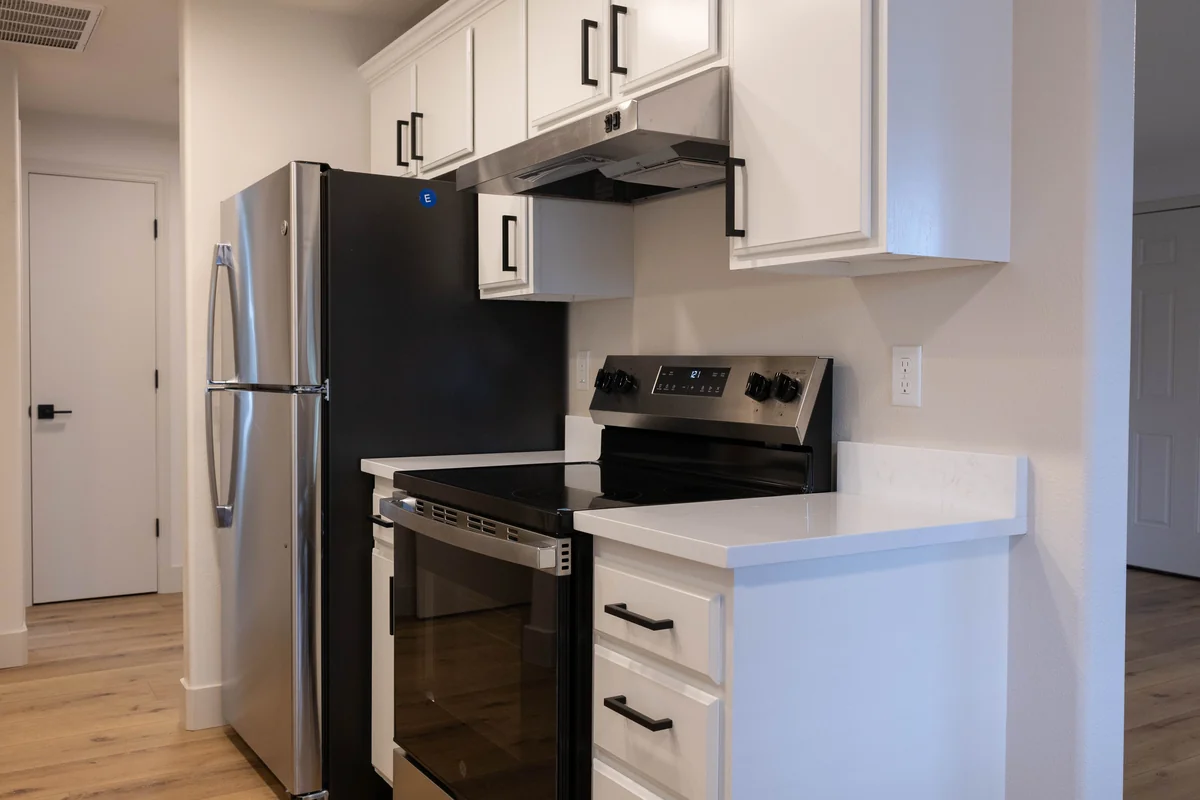
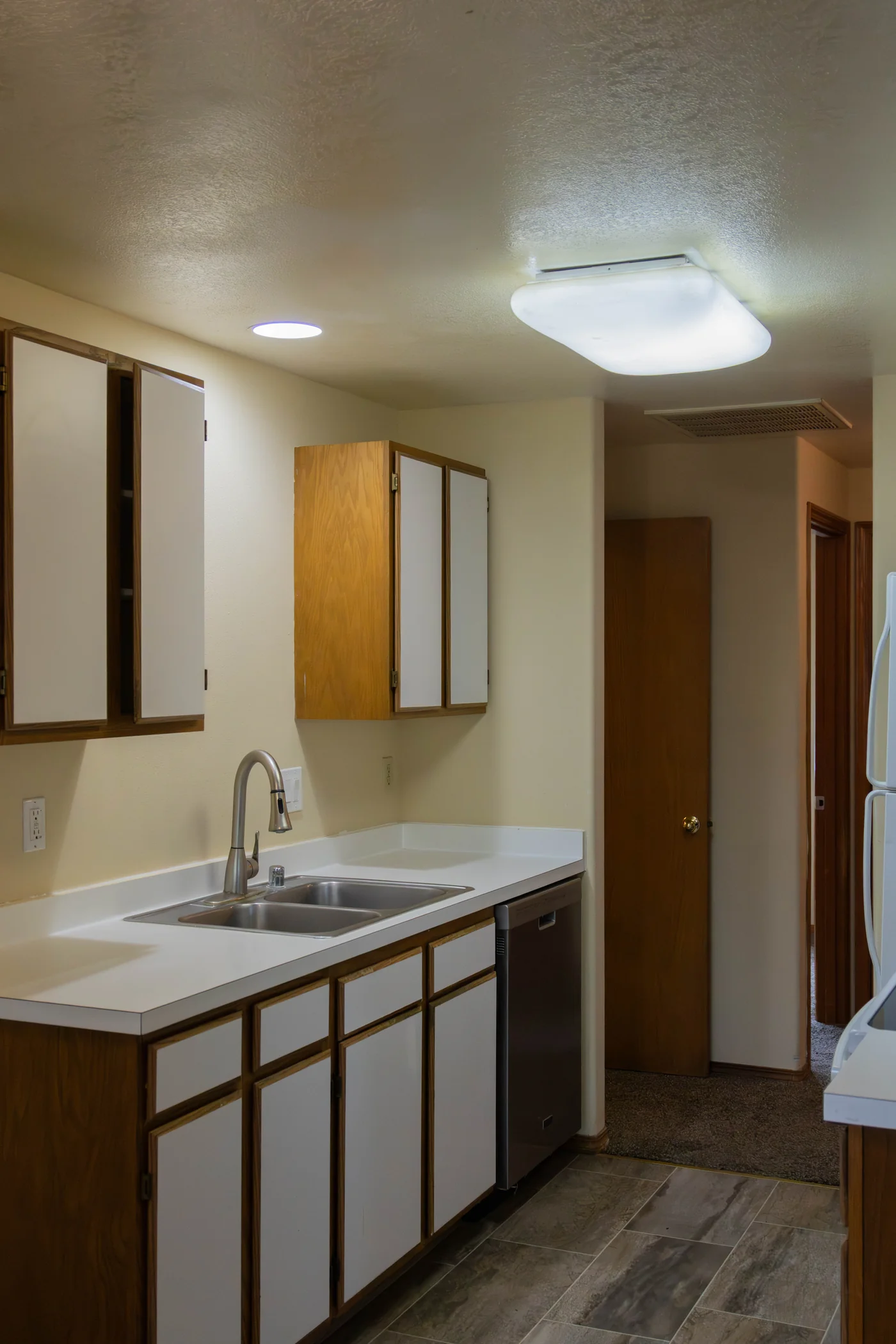
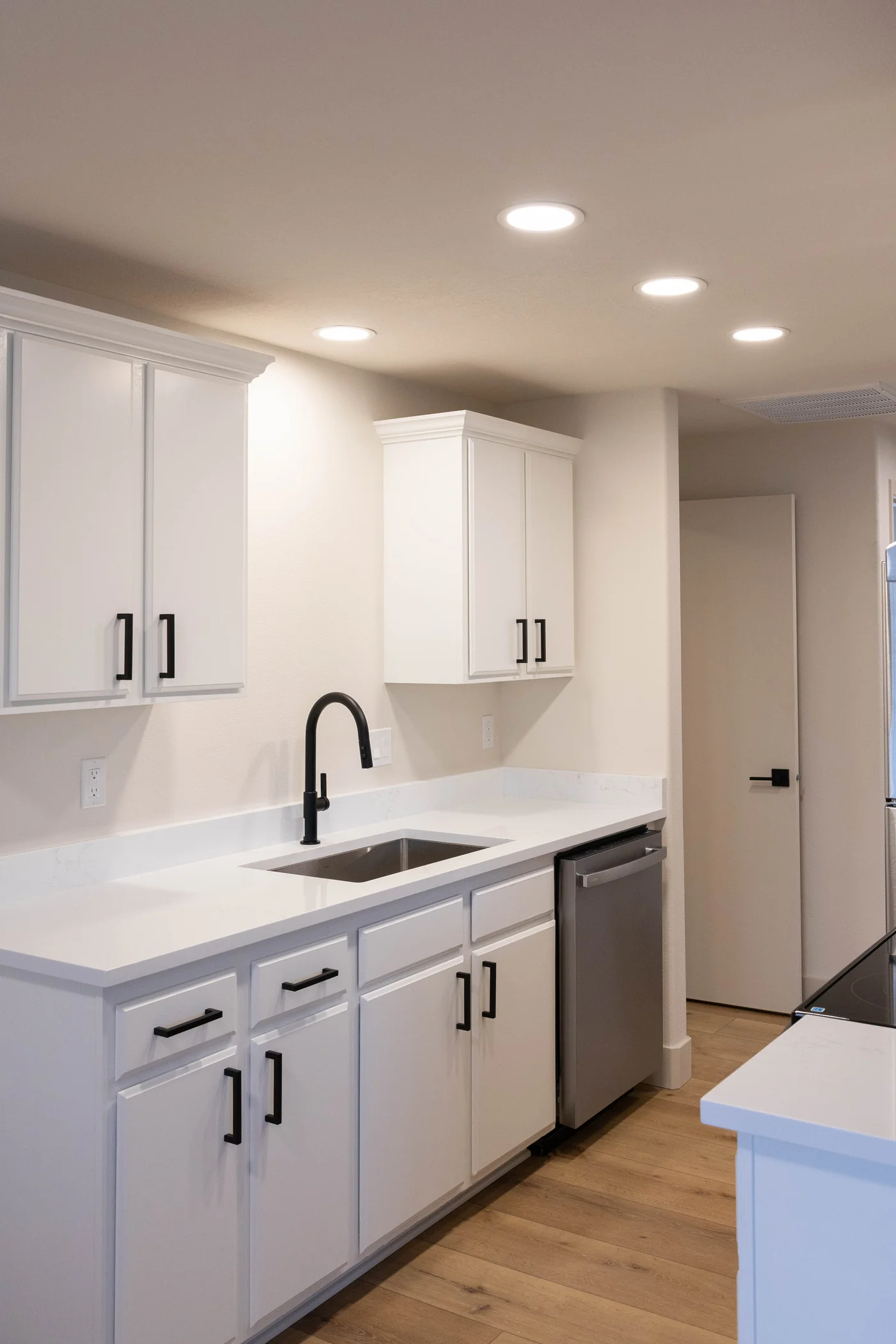
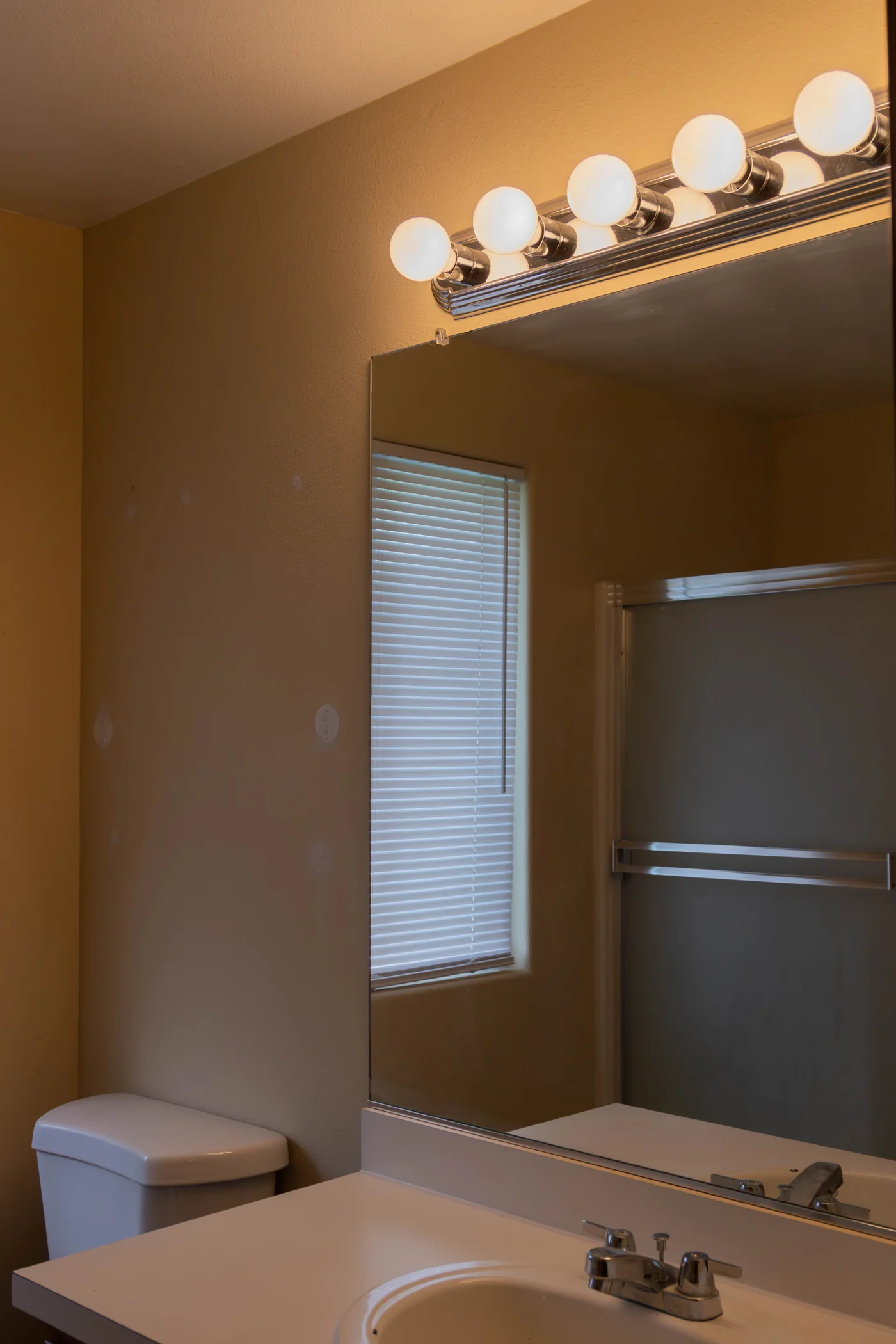
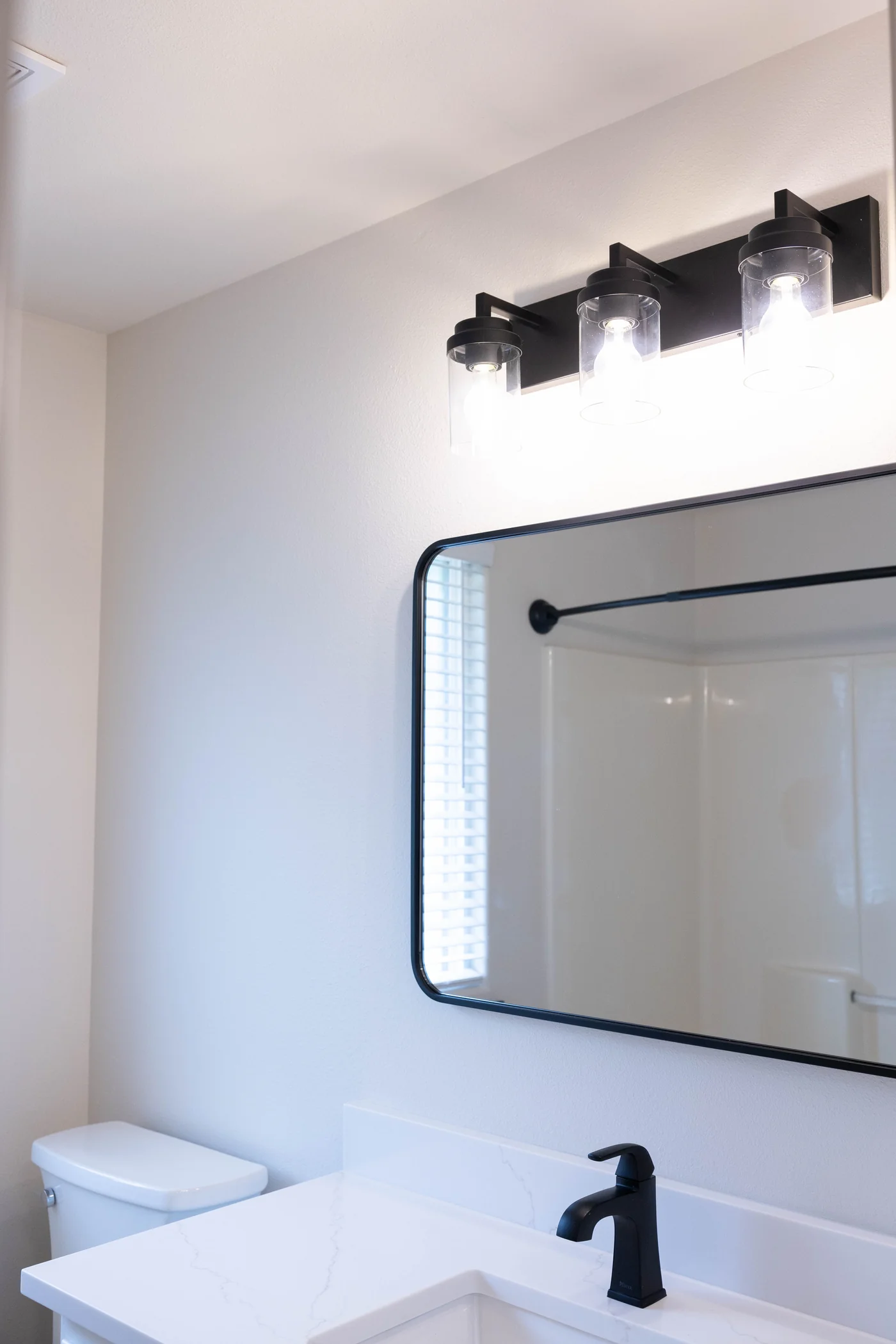
Three real projects, photo-documented for the insurance carrier. Drag each handle to compare.
“Just started a project with Cole and Chuck at Robinson Restoration and had to write a review straight away. These guys have been fantastic. We were away on a week long trip when we had a kitchen leak that destroyed our flooring and subfloor.”
Justin O'Neill · Google Review
“I want to express our sincere gratitude to the Robinson team that quickly moved to identify, rectify, repair, and then clean up the mess left by an itty-bitty hot water leak that went unnoticed because of its location.”
Michael Quinn · Google Review
“Kyla and Jake were super friendly and knowledgeable. Jake was at my house 90 minutes after I called and did a free inspection. I won't need their services this time, but I will definitely call them if I ever have to deal with water damage.”
Carmen Otten · Google Review
In Oregon, you choose your restoration contractor, and your carrier can’t penalize you for it. We document every West Linn loss with moisture maps, photos, and daily readings, then bill your insurer directly. You pay your deductible. That’s it.
Subject to policy coverage and deductible. We handle the paperwork, photos, and adjuster calls.
Our nearest crew covers the Willamette River communities in Clackamas County, so a West Linn call goes to technicians who work these hillside homes and daylight basements regularly. Dispatch is answered every hour of every day. When the truck arrives, water extractors and drying equipment come off it immediately, and we bill the insurance carrier directly so the claim moves without you chasing paperwork.
Both, usually, and the split matters. Cleanup and drying of a sudden intrusion is often covered, while fixing the failed footing drain or regrading the slope is a maintenance expense your policy won't pay. On West Linn hillside homes we document exactly where the water entered and how far it traveled, then give you a repair recommendation separately so you can decide what to do about the source.
Three to five days is typical for a West Linn basement, sometimes longer when hardwood or a subfloor is involved. Below-grade rooms hold humidity, so we usually run a desiccant or LGR dehumidifier alongside air movers and check readings daily. Equipment comes out when the materials hit dry standard, not on a schedule. You'll see the numbers each day, so there's no mystery about why the fans are still there.
Regularly. Those West Linn houses need a lighter touch than a 2005 build. Plaster and lath, original fir floors, and single-pane windows all respond differently to aggressive drying, and forcing heat into them can crack plaster or split trim. We control the rate, use cavity drying through small access points instead of gutting a wall, and salvage the original material wherever the readings say it's realistic.
Shut the water off at the main if the source is a pipe or appliance. Kill power to the affected area at the breaker if water is anywhere near outlets. Pull rugs, electronics, and anything with legs off wet flooring, and get photos on your phone before you move much. Then stay out of a finished lower level with standing water. We'll handle the rest once our West Linn crew is there.
Yes, and we'd rather do it that way. We write in Xactimate, submit moisture logs and photo documentation with the estimate, and talk directly with the adjuster on your West Linn claim so you aren't relaying technical questions between two parties. Direct billing means the carrier pays us and you cover the deductible. If a line item gets questioned, we defend it with the readings we took on site.
It's real, and West Linn's climate makes it faster. Growth can start in a day or two on wet drywall, insulation, and framing when a below-grade room stays humid. Proper drying prevents it, which is the whole point of getting equipment in early. If growth has already started, we contain the area, remove affected material under negative pressure, and clean the rest instead of spraying something over it.
Every hour of standing water costs more material. Call and get a West Linn crew moving on it now.
Licensed · Insured · IICRC Certified · Serving Washington & Oregon