Robinson Restoration is an IICRC-certified water damage restoration company serving Wilsonville, OR. Crews dispatch 24 hours a day, arrive on-site in 90 minutes or less, document the readings and photos your carrier needs, and bill your insurance directly on covered claims.
Wilsonville grew up fast around the I-5 crossing of the Willamette, and most of what got built is attached: townhomes, condos, apartments, and business parks sharing walls and stacked plumbing. One failed line reaches three households. That's why we answer around the clock and scope every unit the water touched.
Very little of this city predates 1980, which shapes the losses. Charbonneau's condos and townhomes went up in the seventies with shared walls, stacked units, and plumbing that's now old enough to fail. Villebois and the newer neighborhoods brought three-story construction, upstairs laundry, and tankless units in tight mechanical closets. Along the river and the low ground near Memorial Park, the Willamette's floodplain still matters when the valley gets a long wet stretch.
Our Vancouver dispatch runs 24/7 and covers the I-5 corridor south through Wilsonville. Multi-unit calls get a containment plan and separate documentation for each affected unit, so the HOA, the owners, and the carriers all see who owns which damage. Commercial jobs get scoped around keeping the space operating where that's possible. Drying follows IICRC S500, readings are logged daily, and we bill insurance directly.

We keep crews and equipment ready for the I-5 corridor, including after-hours calls at Wilsonville business parks and multi-unit buildings.
24 hours a day, 7 days a week, our crews dispatch the moment you call and start mitigation the same visit. Call dispatch or message us for immediate help.
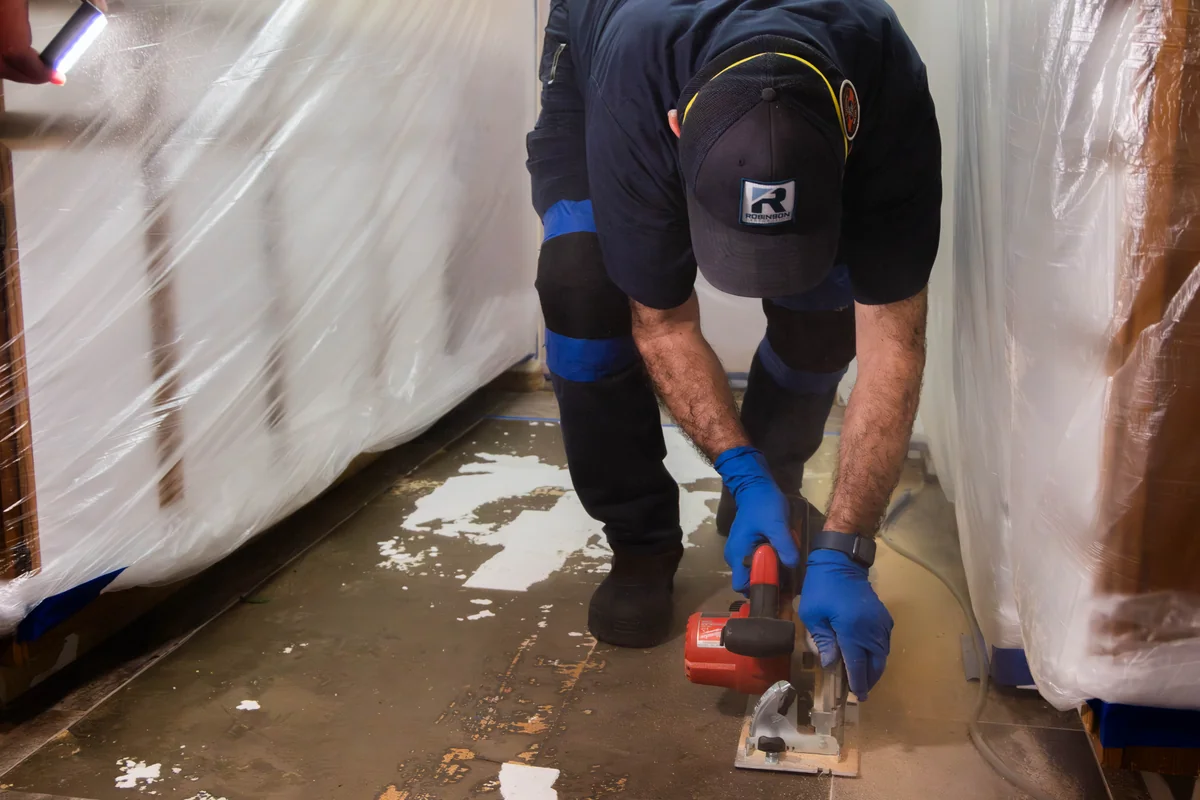
We stop further damage with commercial extraction, structural drying, and antimicrobial treatment, and we walk you through the entire insurance claim as we work.
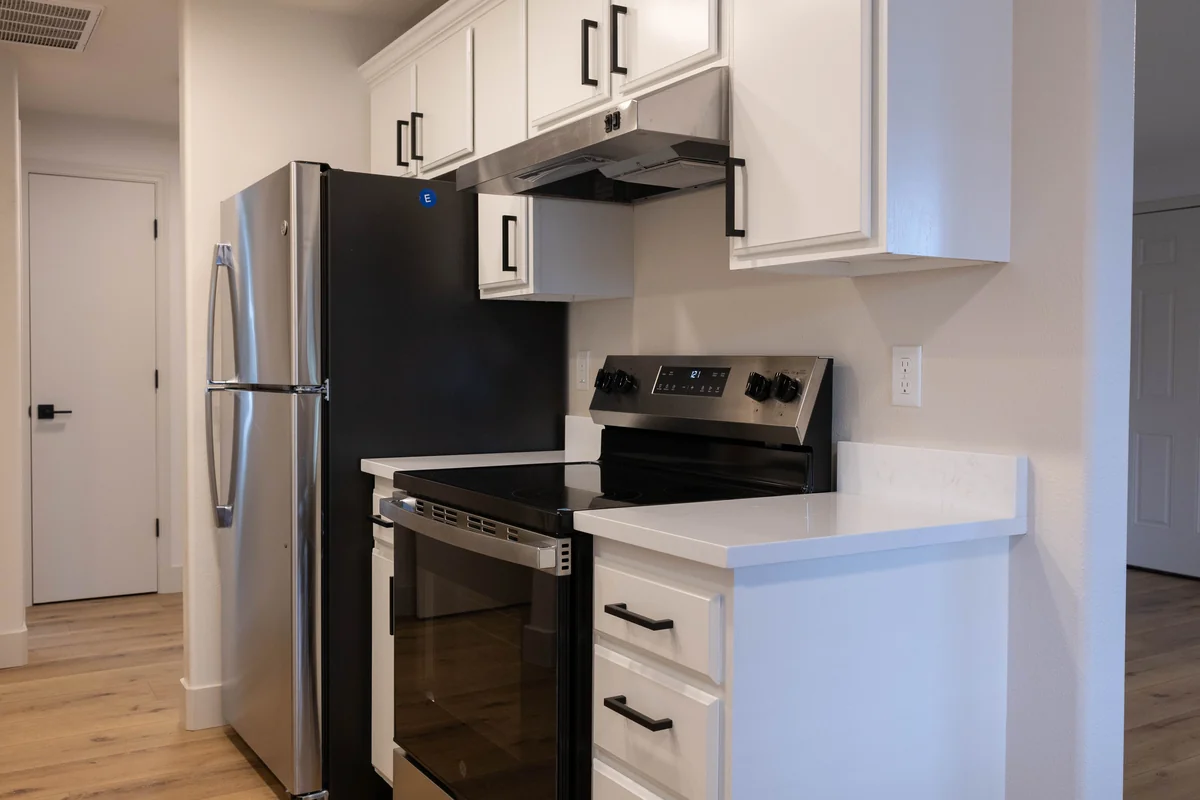
We manage your rebuild to pre-damaged condition through our trusted network of licensed contractors and sister companies. One manager, one timeline.
In Charbonneau and the townhome rows around Town Center, a supply line failure upstairs becomes three claims. Water runs the shared wall cavity, crosses the party wall at the top plate, and drops into the neighbor's ceiling. We map every unit that got wet on day one, because a unit skipped in the initial scope turns into a mold complaint two months later.
The industrial and office parks along I-5 hold inventory, servers, and production floors on slab. A fire sprinkler head that lets go over a warehouse aisle or a rooftop drain that backs up can put an inch of water across thousands of square feet fast. Those jobs need extraction, air movement, and content protection running at the same time, plus documentation your business interruption carrier will accept.
Wilsonville sits right on the Willamette, and the valley's long wet stretches raise the river and the water table together. Properties on the low ground see saturated soil, backed-up storm drains, and water pushing at garage slabs and ground-floor thresholds. It's slow water, so it rarely gets noticed until baseboards swell or the carpet edge stays damp for days.
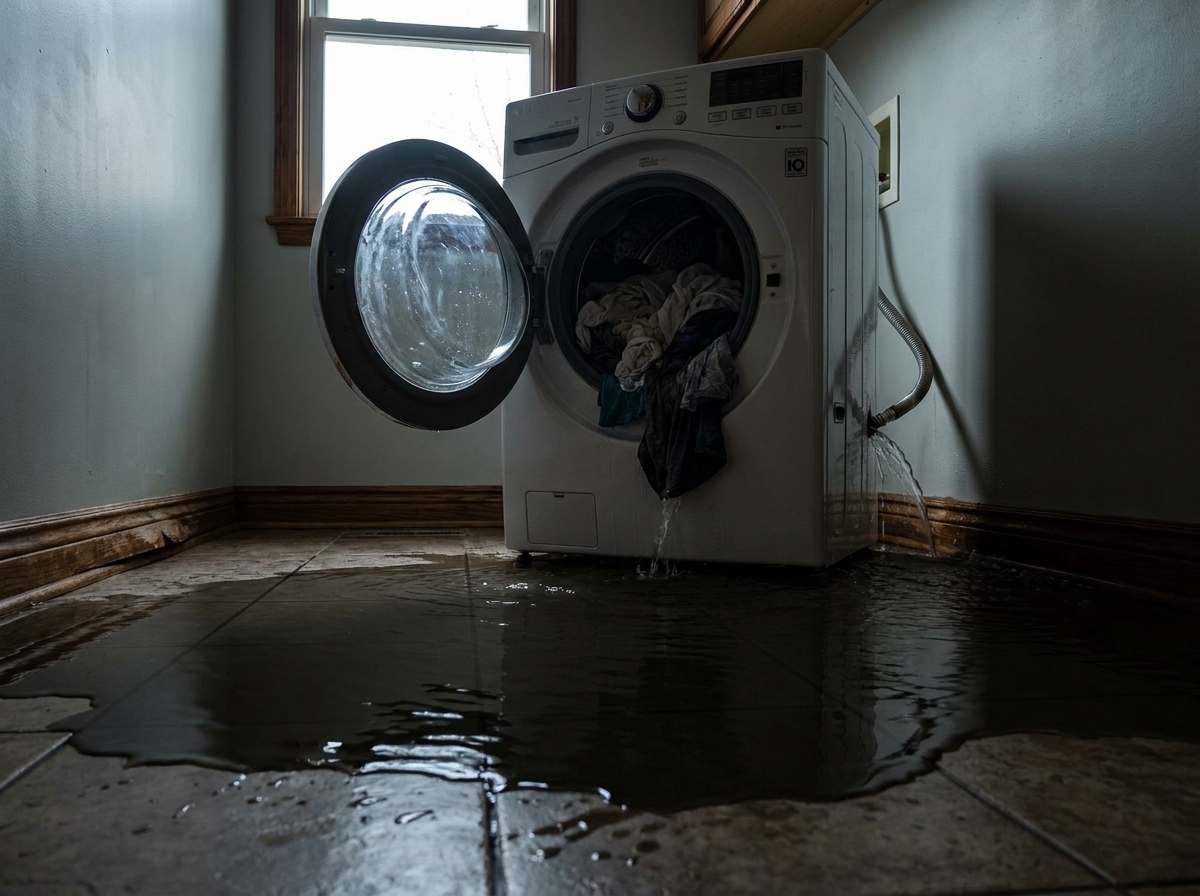
The newer Wilsonville neighborhoods stack living space, and the washer usually sits on the top floor. A braided hose that ruptures there sends water through two levels of framing before it reaches the garage slab. Engineered flooring, stair stringers, and the ceiling assemblies in between all take it. Catching the path early is what keeps the repair to one floor instead of three.
Most of the losses we run in Wilsonville start one of three ways: appliance failures, burst and leaking pipes, and flooding and groundwater. Here is why each one happens here, and what it takes to dry it properly.
Upstairs laundry rooms and second-floor dishwashers are standard in Wilsonville's newer construction. When a supply hose or a pump seal fails up there, gravity carries the loss through the whole stack before anyone notices a stain.
Charbonneau's seventies condos and townhomes have original supply lines running through shared walls and unheated attic space. A cold snap or a corroded fitting there puts water into more than one unit at once.
Sitting on the Willamette means Wilsonville's low ground saturates during long valley storms. Storm drains surcharge, ground water rises against slabs, and garages and ground-floor units take on water from outside rather than from a pipe.
Water is how most losses start. It’s rarely where they end. The same local crew handles all of it.
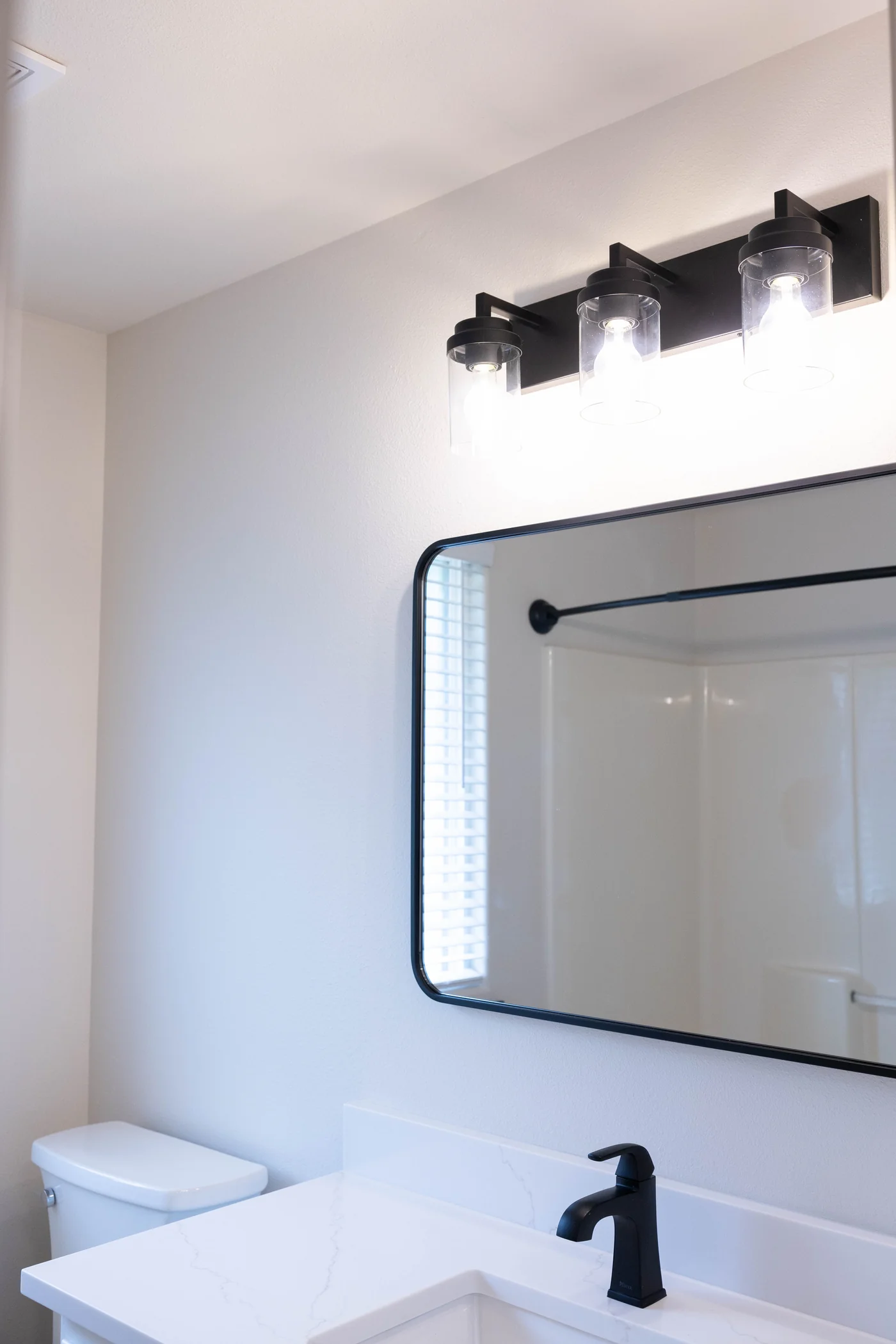
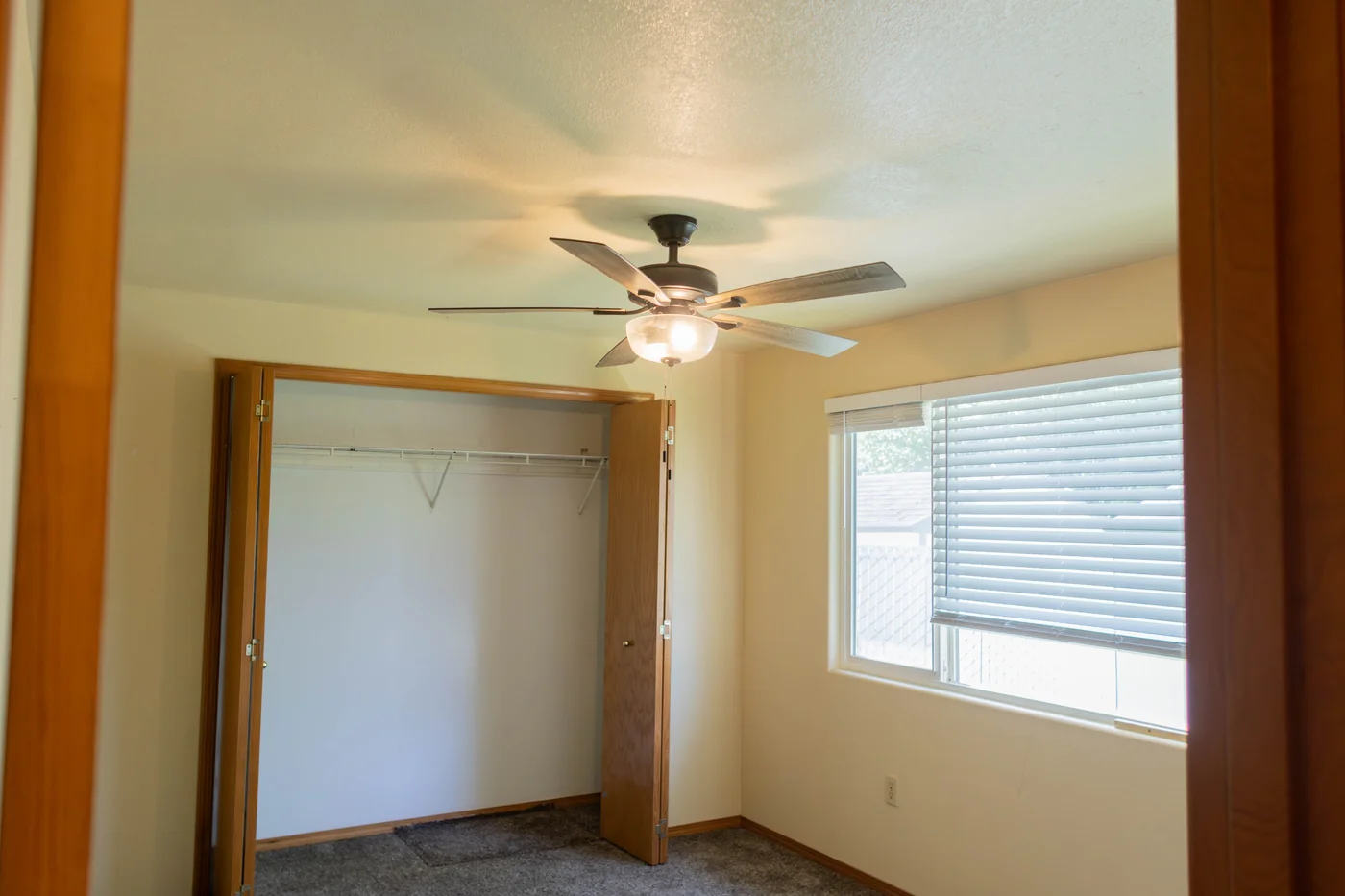
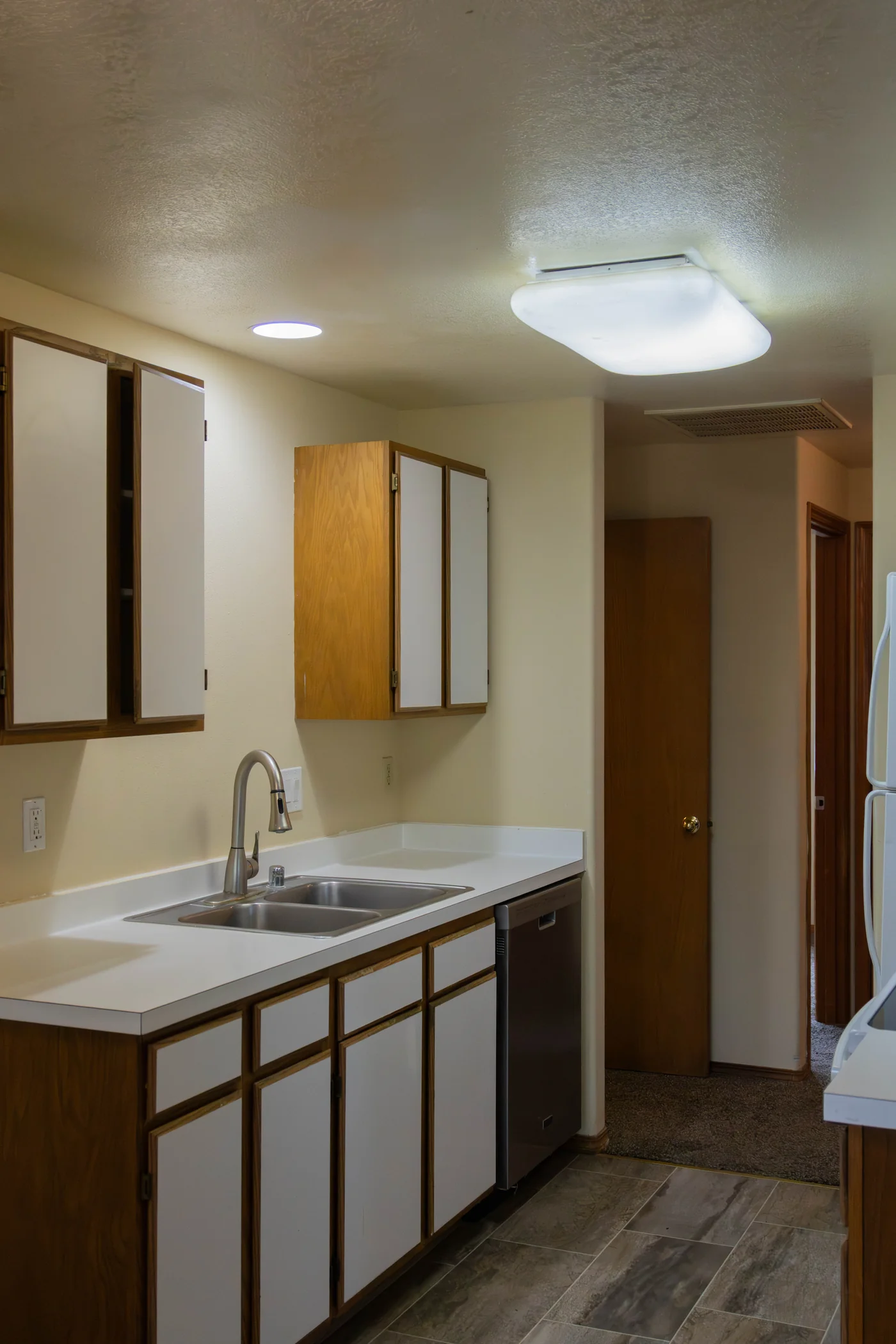
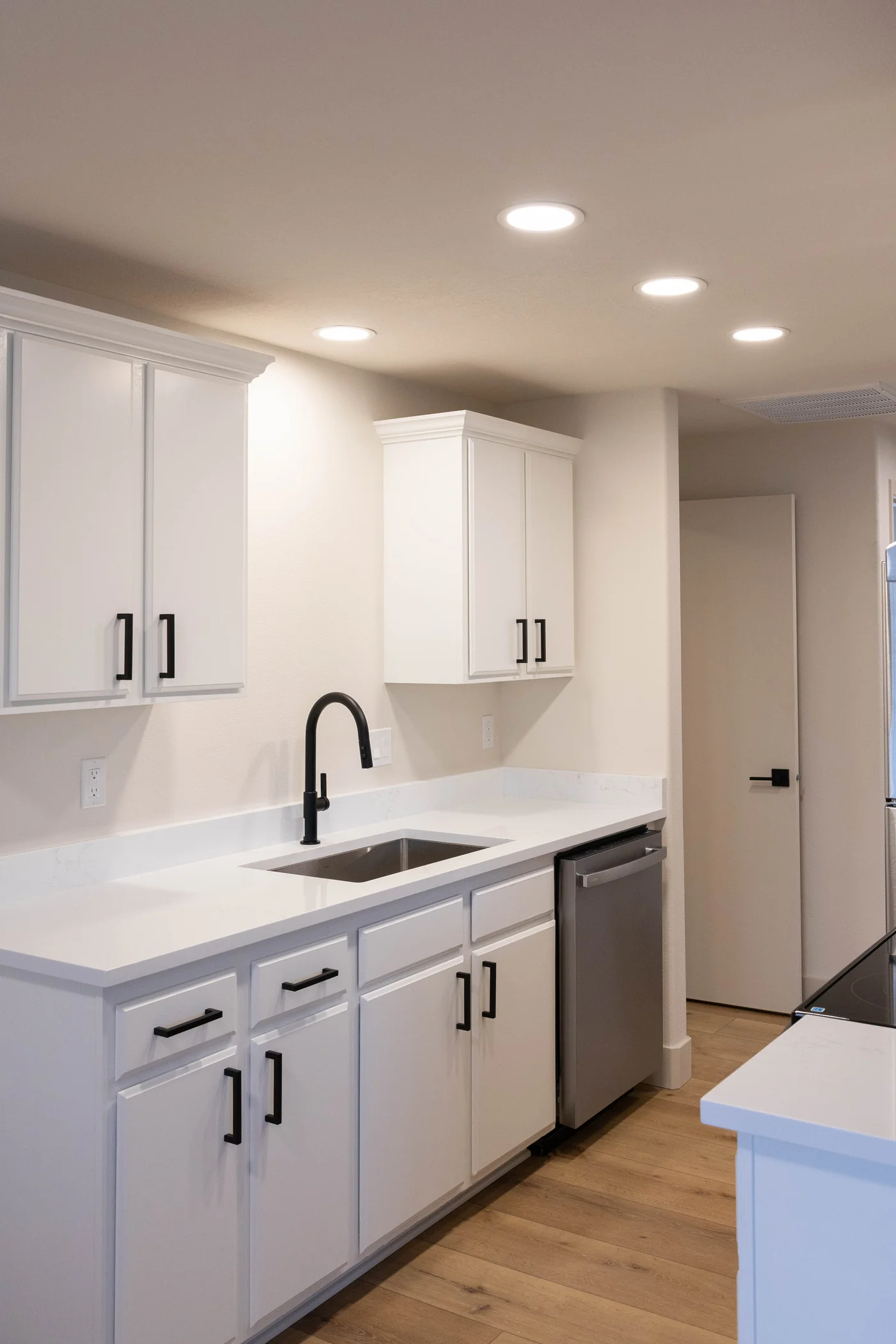
Three real projects, photo-documented for the insurance carrier. Drag each handle to compare.
“One of the pipes in the shower burst and water damage got all over the roof in the kitchen. As new home owners we were very scared and panicked. We contacted Kelly Farmer from Robinson Restoration and believe me when I say I felt like more than half of my problem was solved.”
Nav Basra · Google Review
“Just started a project with Cole and Chuck at Robinson Restoration and had to write a review straight away. These guys have been fantastic. We were away on a week long trip when we had a kitchen leak that destroyed our flooring and subfloor.”
Justin O'Neill · Google Review
“I want to express our sincere gratitude to the Robinson team that quickly moved to identify, rectify, repair, and then clean up the mess left by an itty-bitty hot water leak that went unnoticed because of its location.”
Michael Quinn · Google Review
In Oregon, you choose your restoration contractor, and your carrier can’t penalize you for it. We document every Wilsonville loss with moisture maps, photos, and daily readings, then bill your insurer directly. You pay your deductible. That’s it.
Subject to policy coverage and deductible. We handle the paperwork, photos, and adjuster calls.
You're covered here. Robinson serves the I-5 corridor south of Portland, and Wilsonville sits squarely in that territory, from newer subdivisions to office and warehouse space. Dispatch answers around the clock, weekends and holidays included. Crews roll in with extraction equipment and commercial drying gear, document the loss with photos and moisture readings, then bill your insurer directly.
It depends on the HOA's governing documents and where the failure happened. In Wilsonville condo and townhome losses, the master policy typically covers the building structure to a defined point, the owner's HO-6 covers interior finishes and improvements, and each household's contents fall to their own policy. We document each unit separately with its own photos and moisture readings so three carriers can sort it out without guessing.
Yes. The business parks along the I-5 corridor in Wilsonville are a regular part of our work: offices, warehouses, light manufacturing, and multi-tenant buildings. We stage extraction and drying to keep as much of the operation running as we can, work after hours when that's what it takes, and provide the documentation your carrier and your landlord both need. Sprinkler discharge and roof drain failures are the two we see most.
Dispatch runs 24 hours a day and our target is on-site in 90 minutes for emergency water losses in Wilsonville. The person who takes your call will walk you through shutting off the water and getting power off in the wet area while a crew is en route. If it's a multi-unit building, tell us how many units are affected so we send enough equipment the first trip.
Generally no. Standard policies cover sudden internal failures, and rising ground water or storm runoff needs separate flood coverage. That distinction comes up often on the low ground near the Willamette in Wilsonville. We still respond and still document, because part of what we do is establish the source clearly. Knowing whether it was a slab intrusion or a failed line changes which policy you file under.
We move into repairs. Once your Wilsonville property hits dry standard and we've documented final readings, we manage the rebuild through vetted licensed contractors and our sister companies. Drywall, texture, paint, flooring, trim, and cabinets get scheduled and supervised by us, so you deal with one file and one point of contact rather than lining up trades yourself while the claim sits open.
Usually yes. We contain the work areas with plastic and negative air so dust and humidity stay put, run quieter equipment in occupied units when we can, and schedule the loud work during reasonable hours. Wilsonville property managers get a unit-by-unit status so they know what to tell residents. Units with Category 3 water or heavy demolition are the exception, and we'll say so up front.
Water travels between units fast. Call now and we'll get the whole Wilsonville building scoped and drying.
Licensed · Insured · IICRC Certified · Serving Washington & Oregon