Robinson Restoration is an IICRC-certified water damage restoration company serving Connell, WA. Crews dispatch 24 hours a day, arrive on-site in 90 minutes or less, document the readings and photos your carrier needs, and bill your insurance directly on covered claims.
Wheat trucks, the highway, and the rail line set the rhythm in Connell, and the Esquatzel Coulee cuts right through the middle of it. Plumbing failures do not wait for business hours out here. Our crews answer at any hour with extraction and drying equipment ready to roll, on-site in 90 minutes or less.
The core of town holds older wood-frame houses with crawl spaces, galvanized supply lines, and cast-iron drains that have been in service a very long time. Around the edges it turns to ranch homes on slab, manufactured homes on acreage, wells, septic systems, and long gravel driveways. Annual rainfall barely reaches eight inches, so the ground is hard and the real water threat lives inside the buildings.
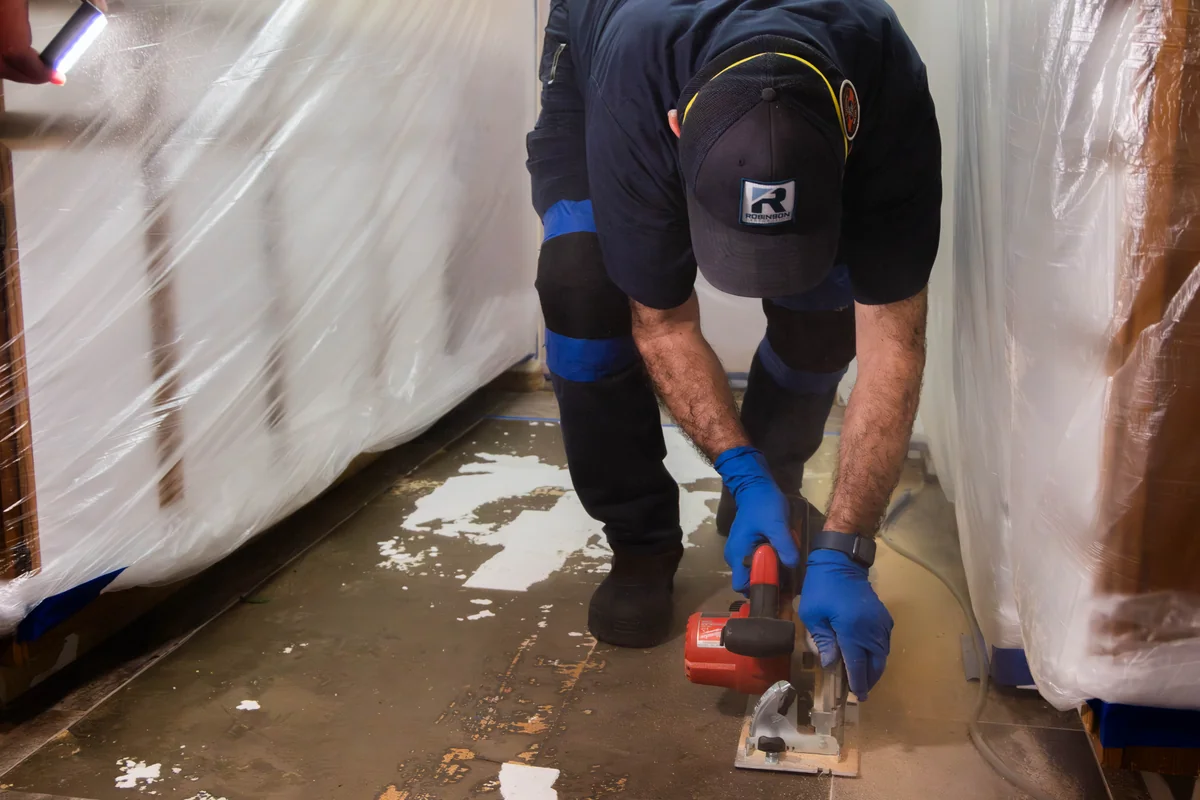
Franklin County work runs out of our Tri-Cities base, close enough that equipment does not have to be staged from three counties over. Crews are IICRC certified and document to S500: initial moisture mapping, a written scope, containment where the water was contaminated, then daily meter readings until materials hold at dry standard. Photos and logs go into a file we submit to your carrier, and we bill them directly rather than handing you an invoice to chase.

Connell sits on our regular Franklin County route, and dispatch runs 24/7 with a target of on-site in 90 minutes or less.
24 hours a day, 7 days a week, our crews dispatch the moment you call and start mitigation the same visit. Call dispatch or message us for immediate help.
We stop further damage with commercial extraction, structural drying, and antimicrobial treatment, and we walk you through the entire insurance claim as we work.
We manage your rebuild to pre-damaged condition through our trusted network of licensed contractors and sister companies. One manager, one timeline.
Plenty of houses near the center of Connell still run galvanized steel that has been narrowing from the inside for decades. It scales, it thins at the threads, then it splits. Cast-iron drain lines crack at the hub and weep into a crawl space where nobody looks. Neither failure is loud, and both do their worst damage to framing and insulation before a stain ever reaches the ceiling.
Elevators, equipment shops, the school campus, and county facilities all carry big mechanical systems and long runs of pipe through unconditioned space. A boiler line, a rooftop unit, or a frozen wet-system sprinkler can put an inch of water across a hard floor overnight. We handle those with containment, desiccant drying, and a documented scope so the building can reopen on a known schedule.
The eight inches of moisture this area gets does not arrive politely. A summer thunderstorm can dump a large share of the annual total in an hour, and thin soil over hardpan sheds it instead of absorbing it. Water sheets toward the coulee and toward whatever sits low, which means garages, shops, and daylight basements take it first.
Once you leave the city limits, houses run on wells, pressure tanks, and septic drainfields. A pump house that loses heat in January can freeze, thaw, and pump water for hours before anyone is home to hear it. Distance is not an obstacle for us, but it does mean the loss usually has a head start, and we scope accordingly when we arrive.
Most of the losses we run in Connell start one of three ways: burst and leaking pipes, water heater failures, and roof and storm leaks. Here is why each one happens here, and what it takes to dry it properly.
Freezing nights, dry air, and long runs through unheated crawl spaces and pump houses are a bad combination. Aging galvanized pipe splits at its weakest thread, and the water keeps coming until someone finds the main.
Sediment from hard water builds on the bottom of the tank, the steel gives, and a fifty-gallon heater empties across the floor. Units tucked into garages and utility closets send that water straight into adjoining rooms.
Wind out here strips shingles and lifts flashing without much ceremony. The gap sits unnoticed through months of dry weather, then the first real storm sends water down a rafter and into the insulation above a bedroom.
Water is how most losses start. It’s rarely where they end. The same local crew handles all of it.
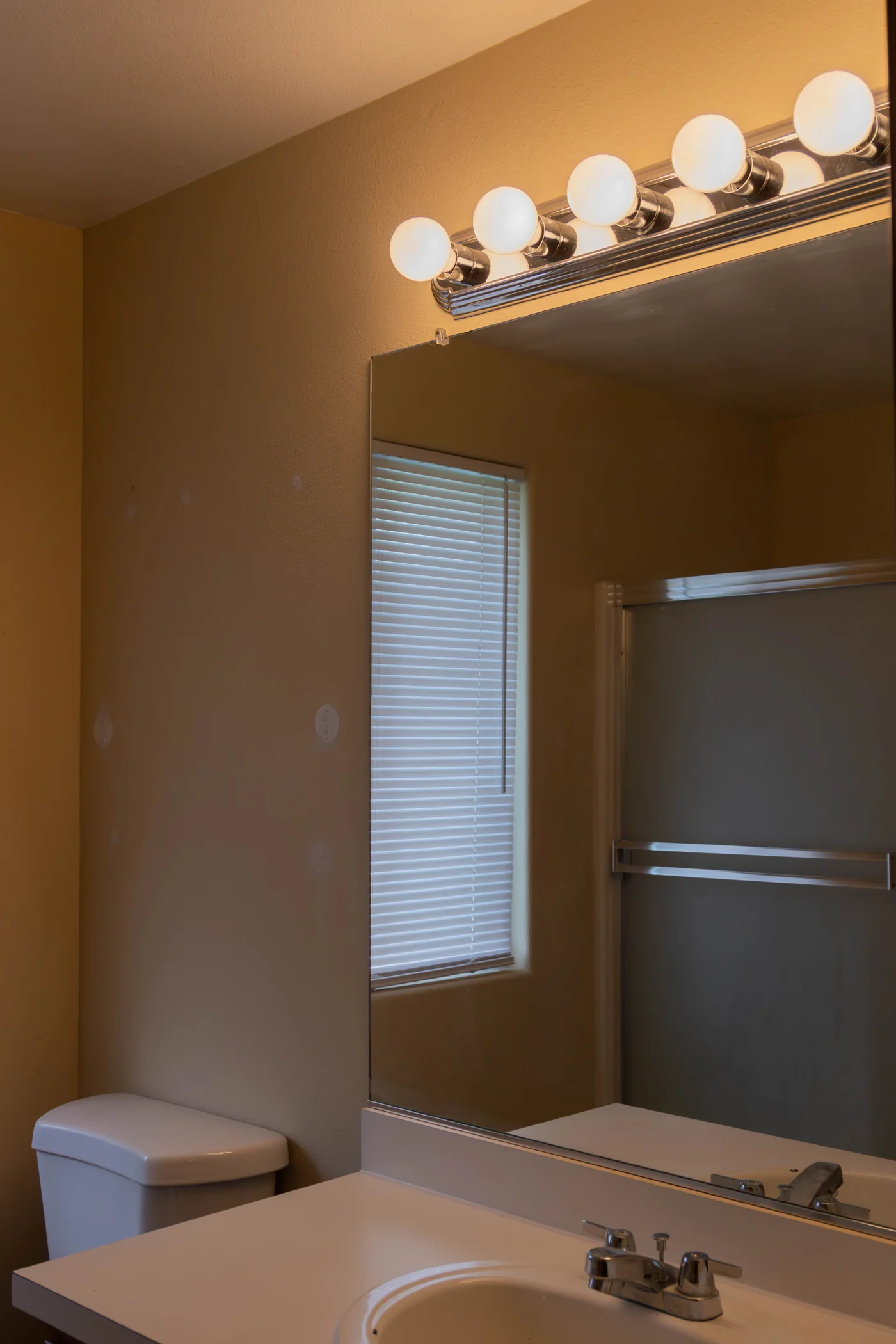
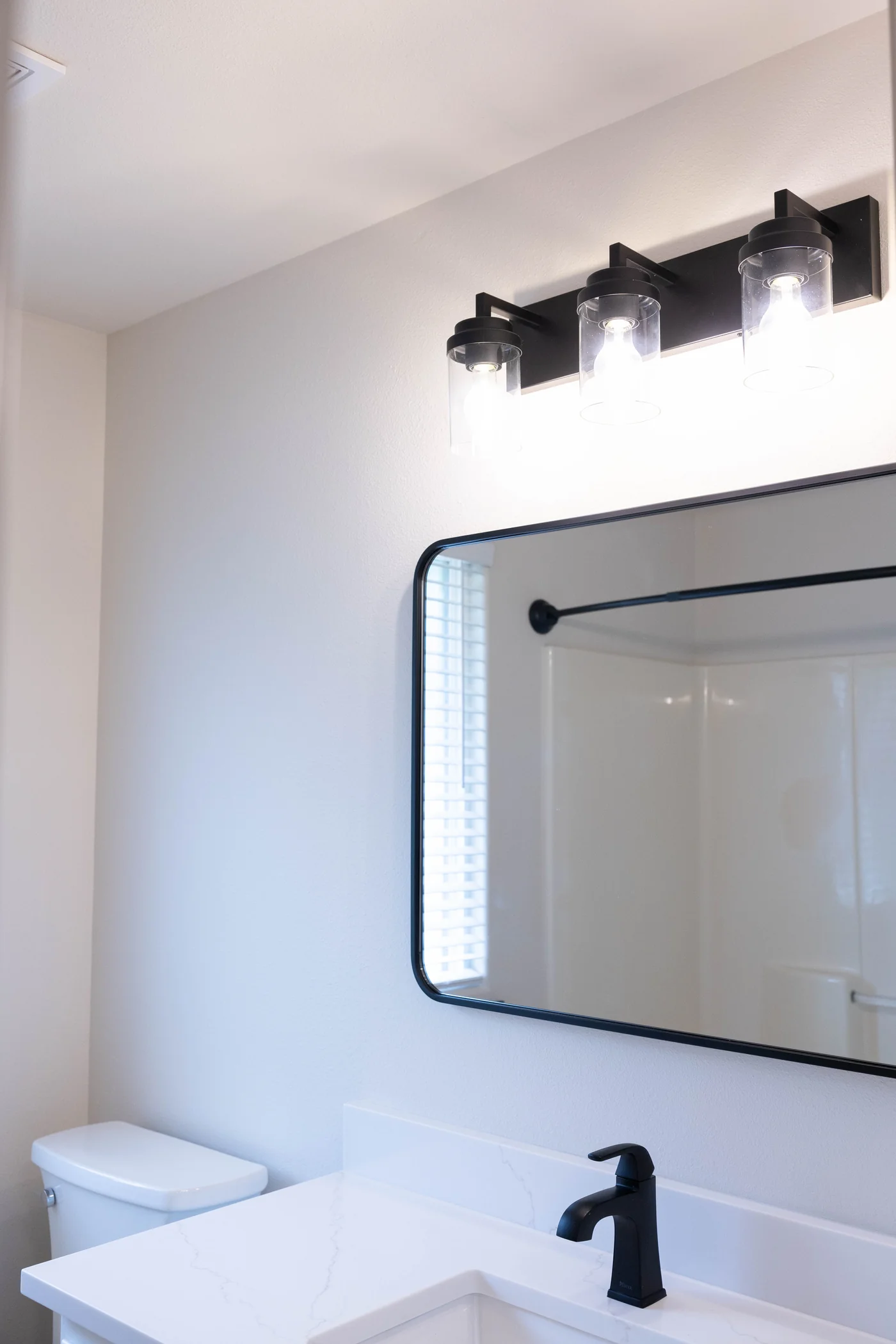
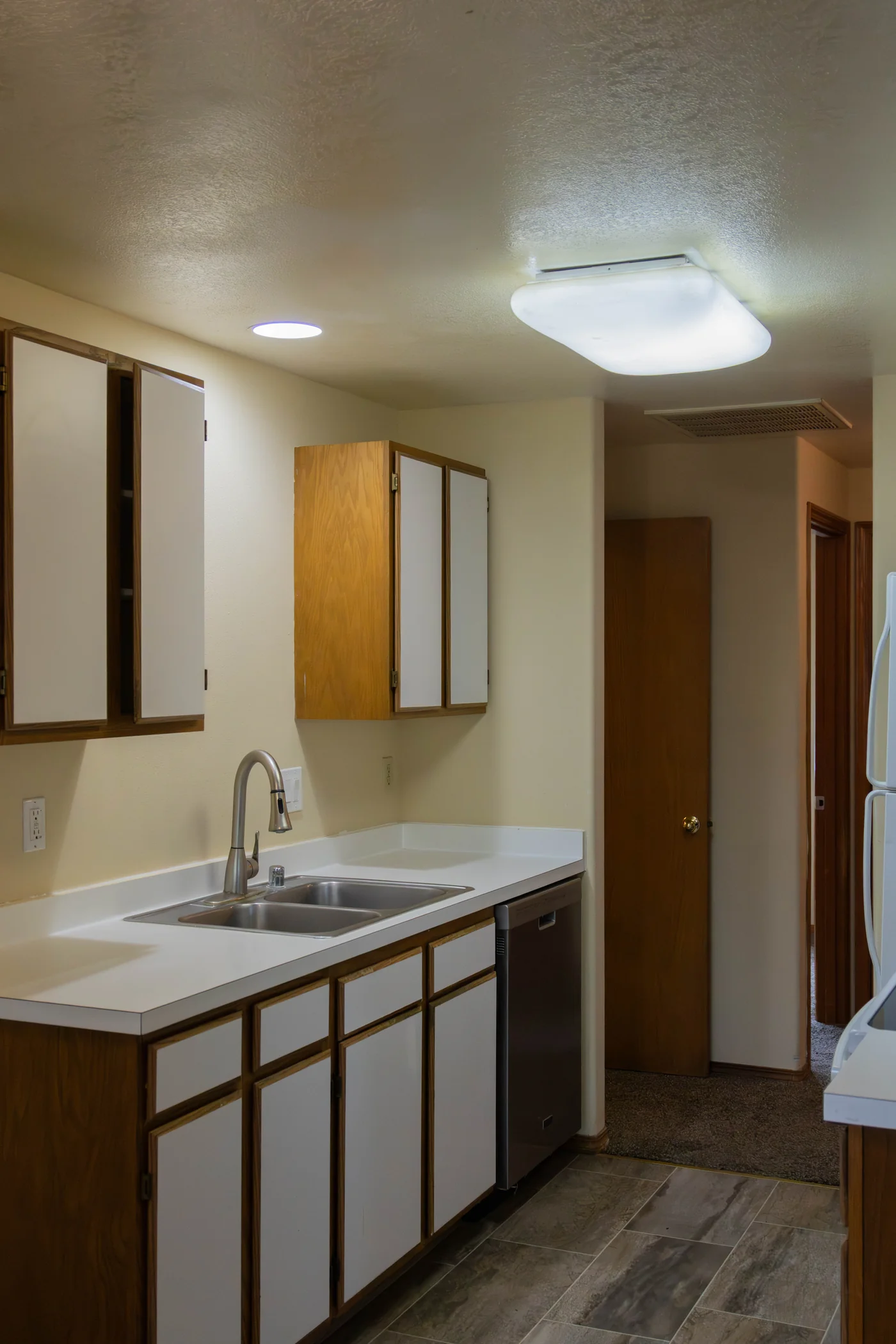
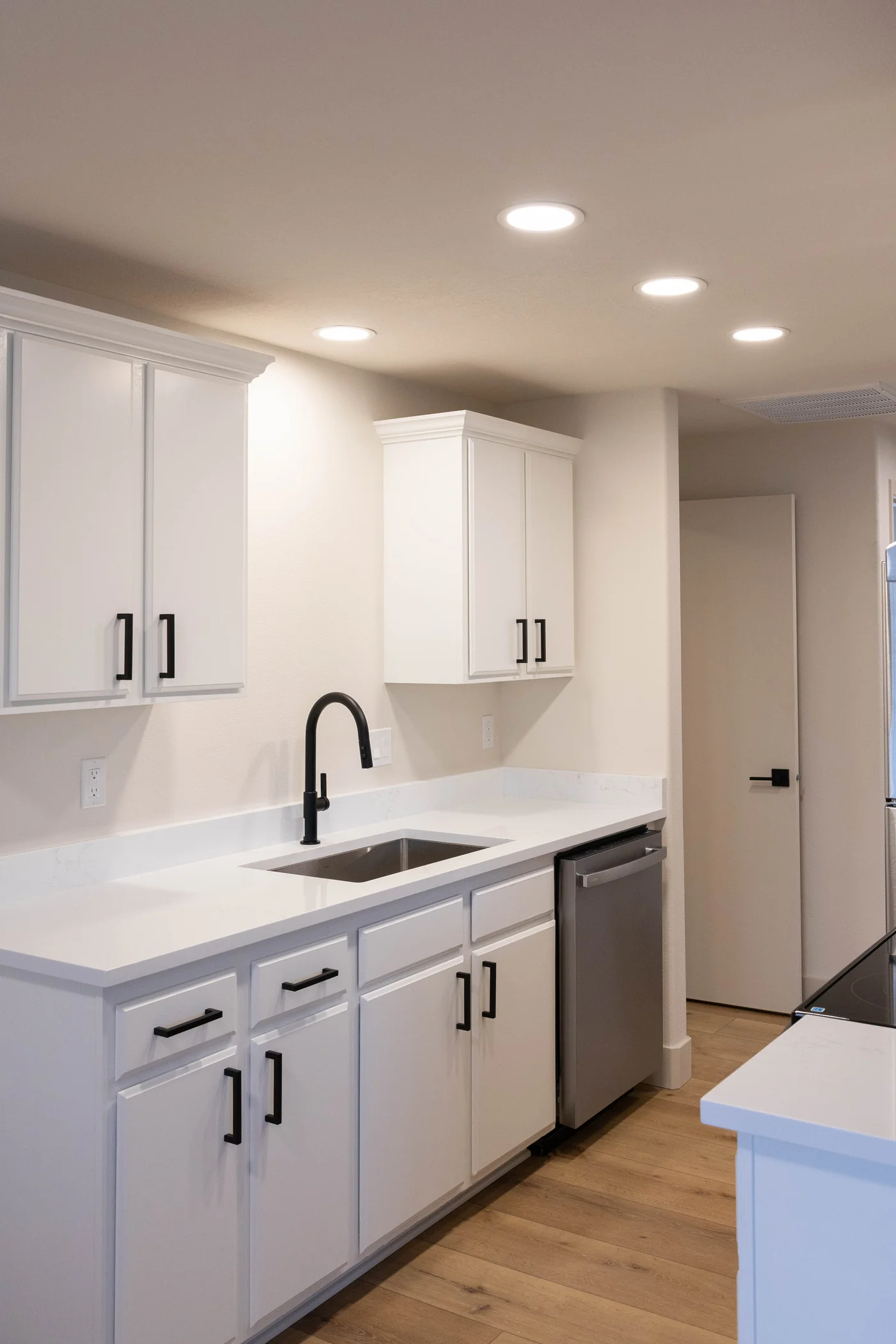
Three real projects, photo-documented for the insurance carrier. Drag each handle to compare.
“I want to express our sincere gratitude to the Robinson team that quickly moved to identify, rectify, repair, and then clean up the mess left by an itty-bitty hot water leak that went unnoticed because of its location.”
Michael Quinn · Google Review
“Kyla and Jake were super friendly and knowledgeable. Jake was at my house 90 minutes after I called and did a free inspection. I won't need their services this time, but I will definitely call them if I ever have to deal with water damage.”
Carmen Otten · Google Review
“Had a leak in our wall and our plumber recommended Robinson Restoration to handle remediation of the water damage. Christian and Adolfo were awesome. Great communication throughout the setup of the containment area and installation of the equipment to start the drying process.”
Won Lee · Google Review
In Washington, you choose your restoration contractor, and your carrier can’t penalize you for it. We document every Connell loss with moisture maps, photos, and daily readings, then bill your insurer directly. You pay your deductible. That’s it.
Subject to policy coverage and deductible. We handle the paperwork, photos, and adjuster calls.
Rural addresses get skipped by a lot of restoration companies. Connell does not get skipped by ours. Dispatch runs 24/7, the responding crew is IICRC certified, and the truck carries extraction units, air movers, dehumidifiers, antimicrobial supplies, and metering gear so mitigation begins on the first visit. We photograph and log from the start, then bill your insurance carrier directly instead of leaving you to file it.
We come to Connell. This is part of our standing Franklin County coverage, not an occasional exception, and the same certified crews and the same equipment come with them. Dispatch is live overnight and on weekends. Give the person who answers your address, what failed if you know, and whether the water is still running, and the truck gets assigned while you are still on the line.
Clean water does not stay clean. Once it contacts flooring adhesive, drywall paper, insulation, and whatever is on the floor, the category changes, and after roughly two days bacterial growth pushes it further. The materials that could have been dried and saved on day one often have to come out on day three. That is the whole argument for calling a Connell crew immediately rather than waiting for daylight.
Most crawl spaces can be dried. We pump or extract standing water, pull saturated vapor barrier, and set dehumidification with directed airflow underneath rather than just blowing air around. Wet fiberglass batts between the joists get removed because they hold water against the wood. Once readings in the framing come down and hold, new barrier and insulation go back in.
Say so early. Most homeowner policies include loss of use coverage that pays for temporary lodging while your home is uninhabitable, and adjusters move faster on it when the file documents the reason clearly from the start. We note the affected rooms, the equipment placement, and any safety issues in the initial report so that request has support behind it.
Shut off the water at the main if you can reach it safely, and kill power to any room with standing water at the breaker rather than at a switch. Lift what you can off wet carpet, especially anything with color that can bleed into the fibers. Then stop and wait. Do not run a shop vac across a wet floor with live outlets nearby, and do not pull up flooring yourself.
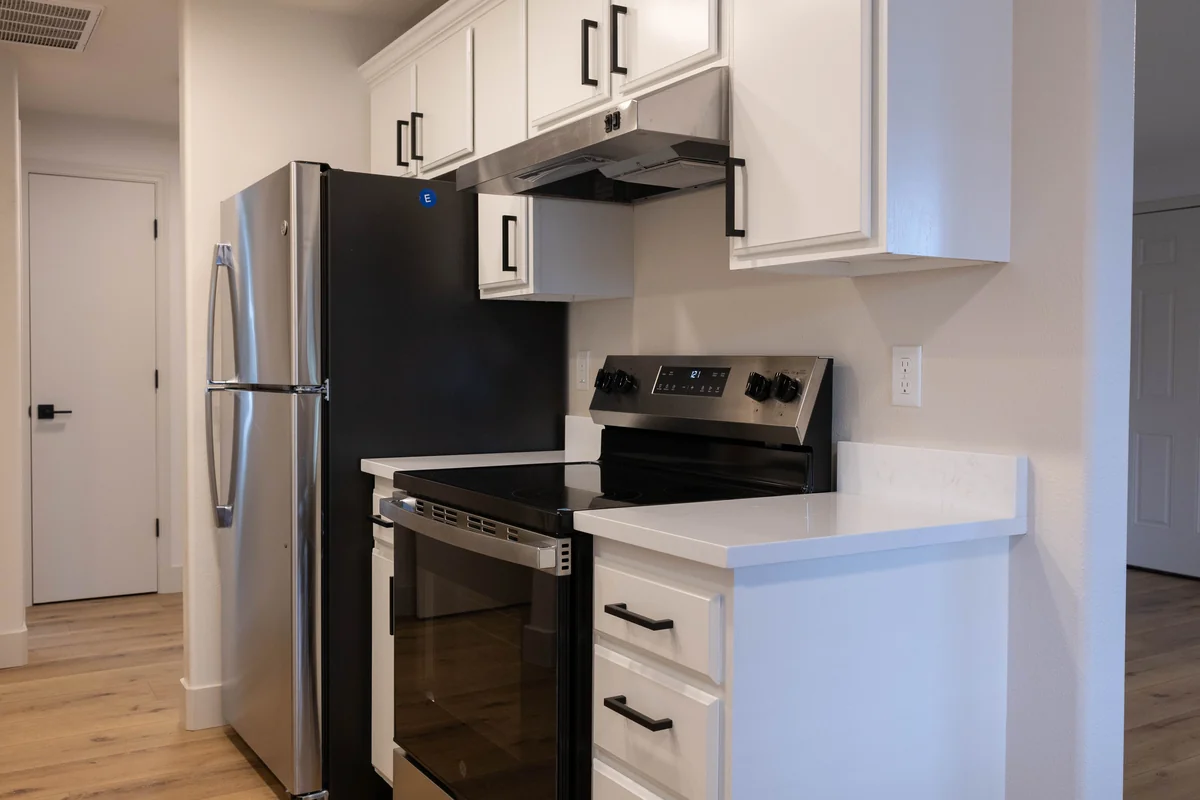
Robinson manages reconstruction through licensed contractors and sister companies we have vetted, so drywall, texture, paint, flooring, and cabinets all get scheduled and inspected under one file. You keep one point of contact from the first extraction visit through the final walkthrough. That continuity matters most on older Connell homes, where matching existing trim and finish work takes a crew that has done it before.
A broken line will not wait until morning. Call now and a certified crew starts heading your direction.
Licensed · Insured · IICRC Certified · Serving Washington & Oregon