CERTIFIED • LICENSED • INSURED
WA #ROBINRL752MZ · OR CCB# 256698
24/7 Emergency Dispatch | 90-Minute Response
24/7 Eugene Dispatch

Mold Remediation in Eugene, OR

Moisture source found and fixed
Air tested clean before we call it done
We bill your insurance directly
1,000+ 5-Star Reviews
Free Eugene Mold Inspection
90 MIN
On-Site Response
24/7
Emergency Dispatch
1,000+
5-Star Reviews
IICRC
Certified Crews
Robinson Restoration technician setting drying equipment on a water loss
90 min
On-Site Response
Certified
IICRC
S500 Standard
Local Experts

Mold Remediation Built for Eugene

Robinson Restoration is an IICRC-certified mold remediation company serving Eugene, OR. We find the moisture source first, contain the work area with negative air and HEPA filtration, remove what the water damaged, and verify the space is clean before the containment comes down.

Mold in Eugene usually starts under the floor. A crawl space that stayed damp through a long wet winter feeds humidity into the rooms above, and by the time anyone notices the musty smell in a hall closet, the growth has been working on joists and subfloor for months.

The southern valley gets a long, cool, soaking wet season instead of a handful of big storms, so there's no real drying window from October into May. Older houses here sit on vented crawl spaces over bare ground. Midcentury ranches went up with thin insulation and single-pane glass, and the retrofits that followed sealed the shell without adding ventilation. Heavy tree cover shades roofs and north walls, and those surfaces stay cold and damp for months.

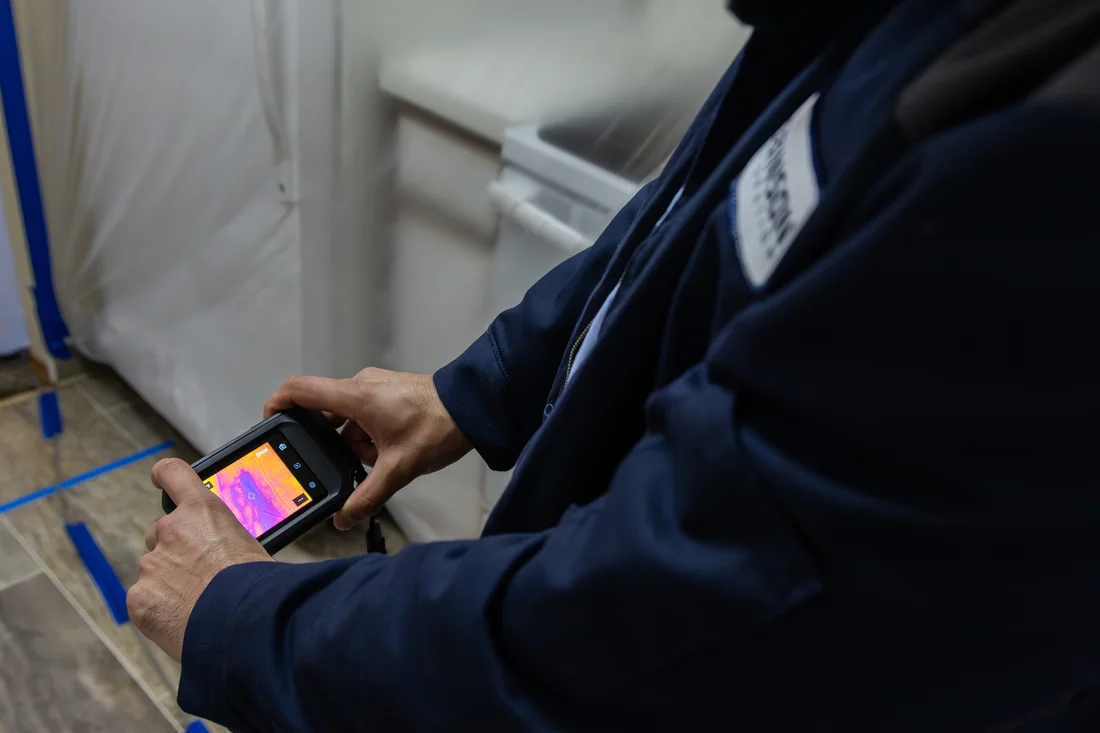
Our Eugene and Springfield crews open with an inspection: moisture meters, thermal imaging, and a hard look at where the water is coming from. Before anything gets disturbed we build containment, run negative air under HEPA filtration, and set a debris path that keeps spores out of clean rooms. We fix the moisture source, treat what stays, then verify air and surfaces before clearing. Photos, readings, and scope notes go to your carrier as we work.

True 24-Hour Service
Direct Insurance Billing
IICRC Certified
How We Respond

Inspect. Contain. Clear.

Mold work starts with finding the water, so we inspect first and scope containment around what the readings actually show.

Robinson Restoration technician documenting damaged contents during the initial assessment
Phase 1

Inspect.

We start with moisture readings and thermal imaging to find the source and map how far growth has spread. Mold you can see is rarely all of it, and treating the symptom without the source means it comes back.

Robinson Restoration technician setting drying equipment on a water loss
Phase 2

Contain.

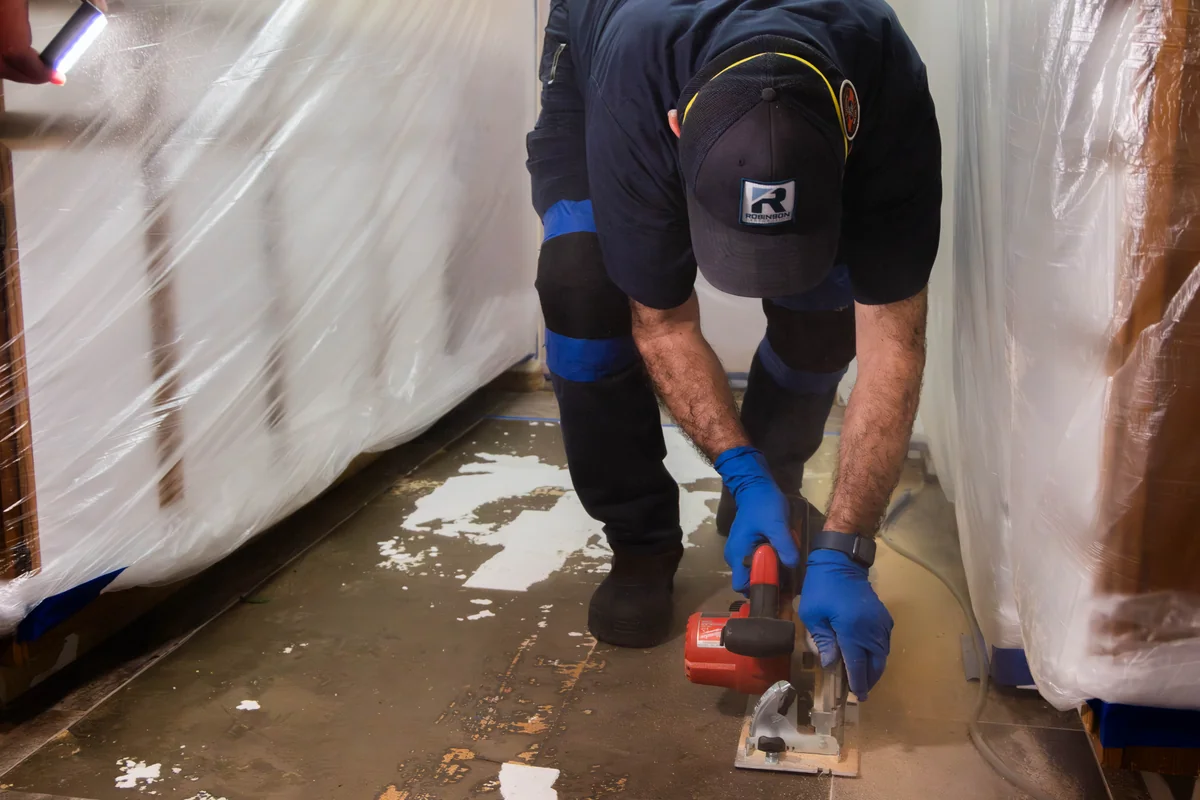
Plastic containment and negative air with HEPA filtration go up before removal starts, so spores never travel to clean rooms while affected drywall, insulation, and framing come out.

Finished bathroom after a Robinson Restoration managed rebuild
Phase 3

Clear.

Air and surface checks verify the space is clean before containment comes down. Any repairs are managed through vetted licensed contractors and sister companies, with one point of contact.

Local Knowledge

Why Eugene Calls Robinson

Shade, Moss, and Fir Needles

Eugene sits under a dense canopy of firs and big leaf maples, which is great for summer shade and hard on buildings. North-facing walls and roof slopes barely see sun from November to March. Needles and leaves pack gutters until water spills behind the fascia, soaks the rim joist, and starts growth inside a wall that looks fine from the street.

Rentals, Duplexes, and Campus Housing

Older rentals and duplexes around the University of Oregon run showers most of the day and get maintenance in batches. Tenants report a musty bedroom, the landlord sends someone to paint over a stain, and the source keeps feeding. We inspect for owners and property managers, document what's behind the finish, and scope the repair so the next tenant doesn't inherit it.

Farm Towns on the Valley Floor

Past the city limits, the valley floor runs to grass seed fields, older farmhouses, and manufactured homes on unvented crawls or belly wrap. Ground moisture moves up, summer irrigation keeps the air heavy, and a well pump or water heater in a closet adds its own leaks. We work these properties across Lane, Linn, Benton, and Marion counties the same way we work town jobs.

The Leak Dried With Box Fans

Plenty of calls here start with a leak somebody already handled: a supply line under a sink, a dishwasher, a slow drip behind a toilet. Box fans dried the surface, and the cabinet base, the pad, and the bottom plate never did. Six weeks later a smell comes up through the floor. A surface that feels dry to the hand can still read wet on a meter.

What We See in Eugene

Where Does Mold Show Up in Eugene Homes?

In Eugene the growth we find is concentrated in three places: crawl spaces, bathrooms, and attics and roof decks. Each one holds moisture for a different reason, which changes how the work gets scoped.

Crawl Spaces

Vented crawls over bare dirt are the default under older Eugene houses. Winter groundwater sits close to the surface, and once the vapor barrier is torn or missing, joists, insulation, and subfloor stay damp long enough for growth to take hold.

Bathrooms

A bath with an undersized fan, or one that vents into the attic instead of outside, never clears the humidity from back-to-back showers. Grout, caulk lines, and the drywall behind the tile surround go first, then the subfloor at the toilet flange.

Attics & Roof Decks

Shaded roofs here hold moss through the wet season, and blocked soffit vents stop the airflow that would dry the sheathing. Warm indoor air leaks up through can lights and hatches, condenses on cold plywood, and leaves dark staining across the north slope.

Every Restoration Service, One Eugene Call

Water is how most losses start. It’s rarely where they end. The same local crew handles all of it.

Documented Results

After Clearance, a Managed Rebuild

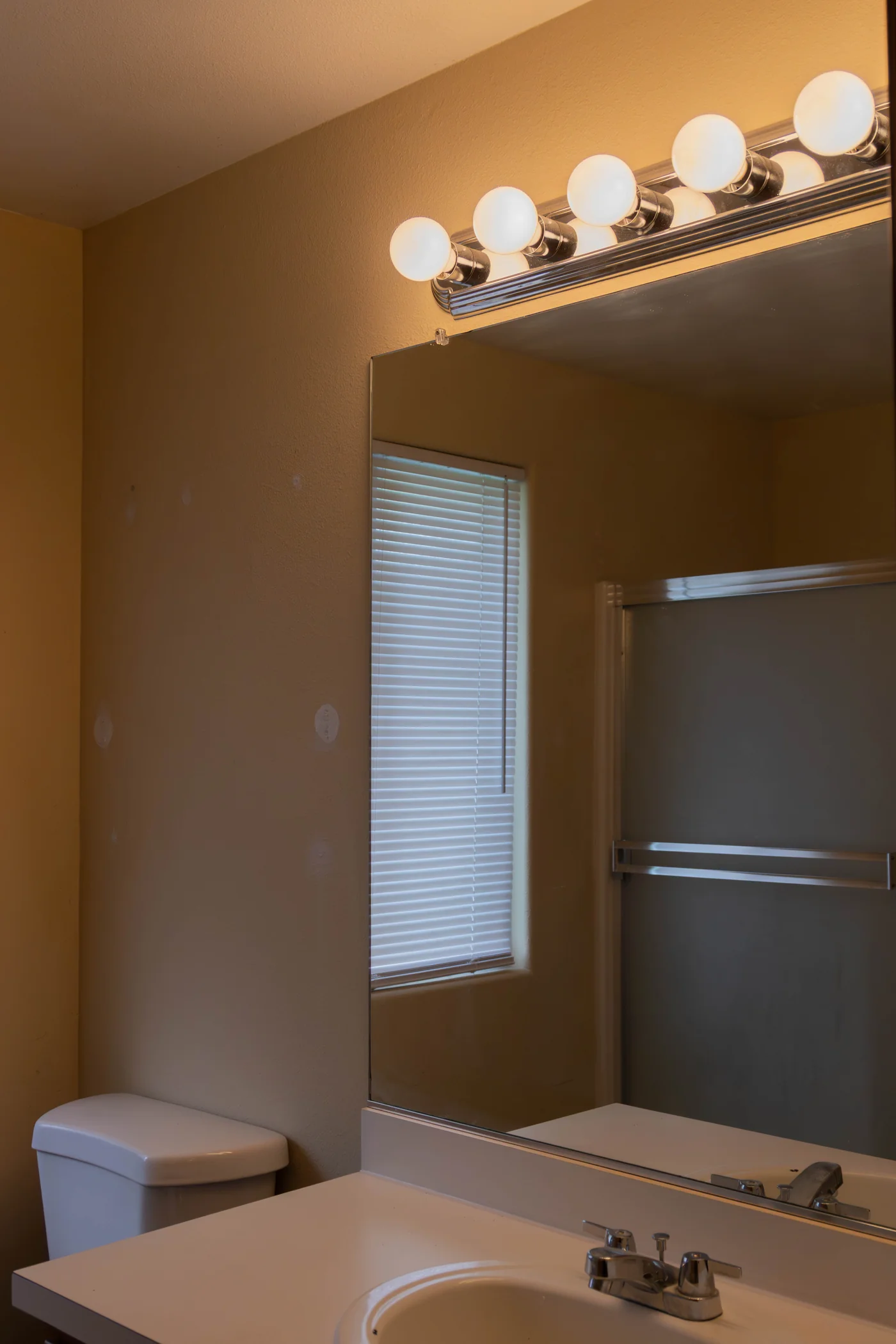
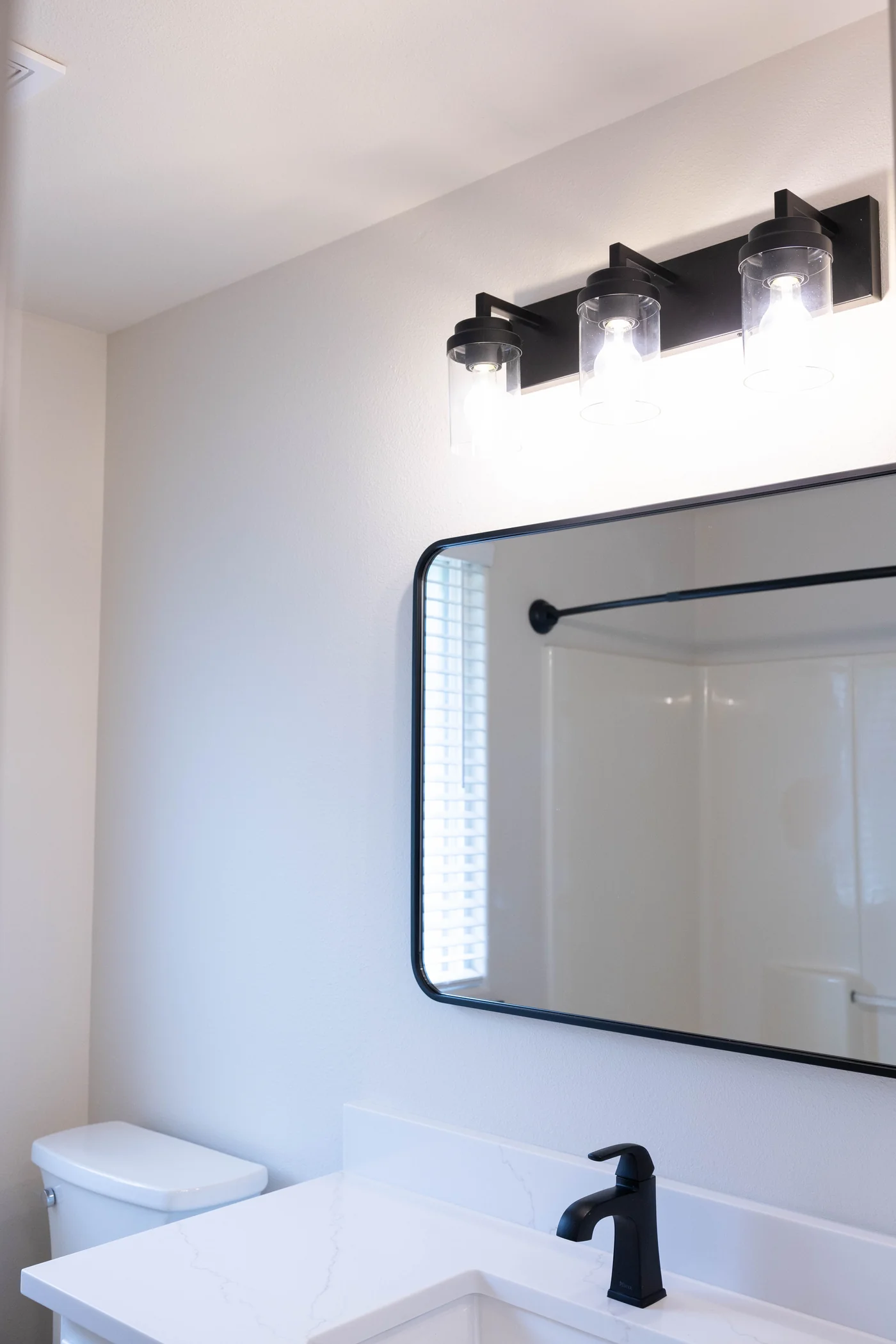
When remediation requires taking out drywall or flooring, we manage the rebuild too. Drag the handle to compare a documented Robinson project.

Bathroom Rebuild before restoration
Bathroom Rebuild after restoration
Before
After
Bathroom Rebuild · A Robinson Managed Rebuild
Real Customer Reviews

1,000+ Five-Star Reviews

5.0 on Google

“We've had the bittersweet opportunity to have Robinson in our lives twice now. First, for a major 3,000 sq ft mold remediation of our crawl space. Then last week, we had an unfortunate flood. I don't know what we would have done without them.”

T Marie C · Google Review

“Chuck and Cole were very professional, courteous and knowledgeable about their restoration skills including close out processes. I'm really happy they were the two employees assigned to our home.”

Joanna Gamble · Google Review

“I want to express our sincere gratitude to the Robinson team that quickly moved to identify, rectify, repair, and then clean up the mess left by an itty-bitty hot water leak that went unnoticed because of its location.”

Michael Quinn · Google Review

Insurance, Handled

$0 Out of Pocket on Covered Claims

In Oregon, you choose your restoration contractor, and your carrier can’t penalize you for it. We document every Eugene loss with moisture maps, photos, and daily readings, then bill your insurer directly. You pay your deductible. That’s it.

Subject to policy coverage and deductible. We handle the paperwork, photos, and adjuster calls.

SAFECO
STATE FARM
ALLSTATE
FARMERS
NATIONWIDE
USAA

Looking for Mold Removal Near Me in Eugene?

Search results will hand you a list of names. What matters is who shows up, who finds the water feeding the growth, and who proves the job is finished before the containment comes down. Robinson crews work Eugene, Springfield, and the surrounding southern valley every week, dispatch runs 24/7, and inspections are free. Call and we'll get someone out to look.

Frequently Asked

Eugene Mold Questions

Why does mold keep coming back in my Eugene crawl space?

Because the remediation stopped at cleaning. Killing surface growth on joists does nothing if the ground under them is still feeding humidity into the framing. We look for the actual supply: groundwater, a failed vapor barrier, a leaking drain line, a downspout dumping against the foundation, poor grade on the uphill side. The cleaning matters, and it holds only once the crawl can stay dry through a Willamette Valley winter.

Sometimes, and it depends on your policy and the cause. Most carriers pay for mold that resulted from a sudden covered water loss, like a burst supply line, and many cap that payout at a set dollar limit. Mold traced to long-term seepage, groundwater, humidity, or deferred maintenance is usually excluded. We document the source and the moisture readings so the claim gets decided on evidence, and we tell you straight if we think it won't be covered.

Testing before remediation is optional in most cases, since visible growth and moisture readings already tell us the scope. It's worth doing when the source is hidden, when a sale is involved, or when a carrier asks. Verification at the end is different: we sample air and surfaces after removal and drying, compare inside to outside, and clear the containment only when results and readings both come back where they should be.

Often it isn't. On Eugene homes the more common cause is warm, humid indoor air leaking into a cold attic through light cans, the access hatch, and gaps around ductwork, then condensing on the plywood. Moss and blocked soffit vents make it worse by keeping the sheathing from drying. We check the roof for actual leaks first, then treat the staining and correct the air path and ventilation so it doesn't return.

Ask for an inspection in writing and keep your own record: photos, dates, where the smell is strongest, whether the bath fan actually moves air. Condensation causes plenty of mold in this climate, and it points straight at ventilation and insulation that need work. Owners and property managers call us for exactly this. We report what the meters show, name the source, and price the correction so both sides work from the same document.

Most residential jobs run a few days: setup and containment, removal, drying, then verification. Larger crawl space work, which is a lot of what we see in Eugene, takes longer. In many cases you can stay, since containment and negative air keep the work area sealed off from the rest of the house, though we'll say so if a bedroom or a bathroom needs to be off limits. Repairs come after clearance, managed through vetted licensed contractors and sister companies.

24/7 Emergency Dispatch · Live Now

Eugene Mold Problem?

Musty smell, staining, or a leak that never dried right? We'll inspect and tell you what's actually there.

Licensed · Insured · IICRC Certified · Serving Washington & Oregon