Robinson Restoration is an IICRC-certified water damage restoration company serving Snoqualmie, WA. Crews dispatch 24 hours a day, arrive on-site in 90 minutes or less, document the readings and photos your carrier needs, and bill your insurance directly on covered claims.
One city, two very different water problems. Down on the valley floor the river sets the terms, and up on the Ridge it's a supply line above a finished ceiling. Snoqualmie crews are dispatched around the clock, and a certified team can be on-site in 90 minutes with extraction gear.
Historic downtown sits on the river below the falls, in ground that has flooded regularly for as long as the town has existed. The housing there runs to mill-era frame houses and cottages, many raised, most over crawlspaces that take on groundwater every wet season. The Ridge above is a different world: late-nineties through 2010s construction, three stories, engineered floor systems, and finished basements. Cold air settles in the valley bottom, which makes freezes down there sharper.
Our Kent crews work both halves of Snoqualmie and carry gear for each, since a flooded crawlspace downtown and a three-story ceiling failure on the Ridge need different setups. Dispatch runs 24/7. Every job follows IICRC S500 with moisture mapping before demo, daily logged readings, and photos of each affected assembly. We bill your carrier directly, and rebuild work is managed through vetted licensed contractors and our sister companies.

When the valley gets a flood watch, we move equipment and crews into position for Snoqualmie before the calls start coming in.
24 hours a day, 7 days a week, our crews dispatch the moment you call and start mitigation the same visit. Call dispatch or message us for immediate help.
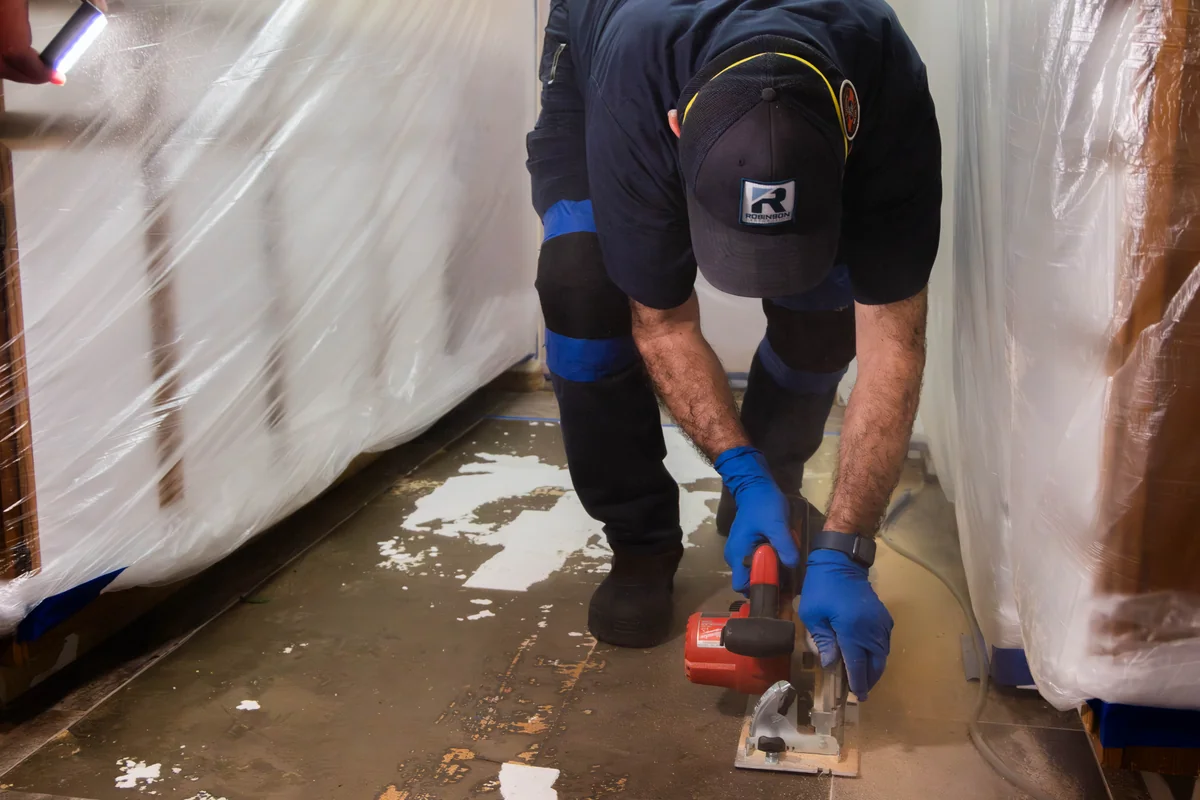
We stop further damage with commercial extraction, structural drying, and antimicrobial treatment, and we walk you through the entire insurance claim as we work.
We manage your rebuild to pre-damaged condition through our trusted network of licensed contractors and sister companies. One manager, one timeline.
Downtown sits low on the river, and high water there is a scheduled event rather than a surprise. Even in a year the river stays in its channel, the water table under the old neighborhood rises enough to fill crawlspaces and wet the underside of floors. Property owners down there plan for it, and the drying work has to account for ground moisture that isn't going away.
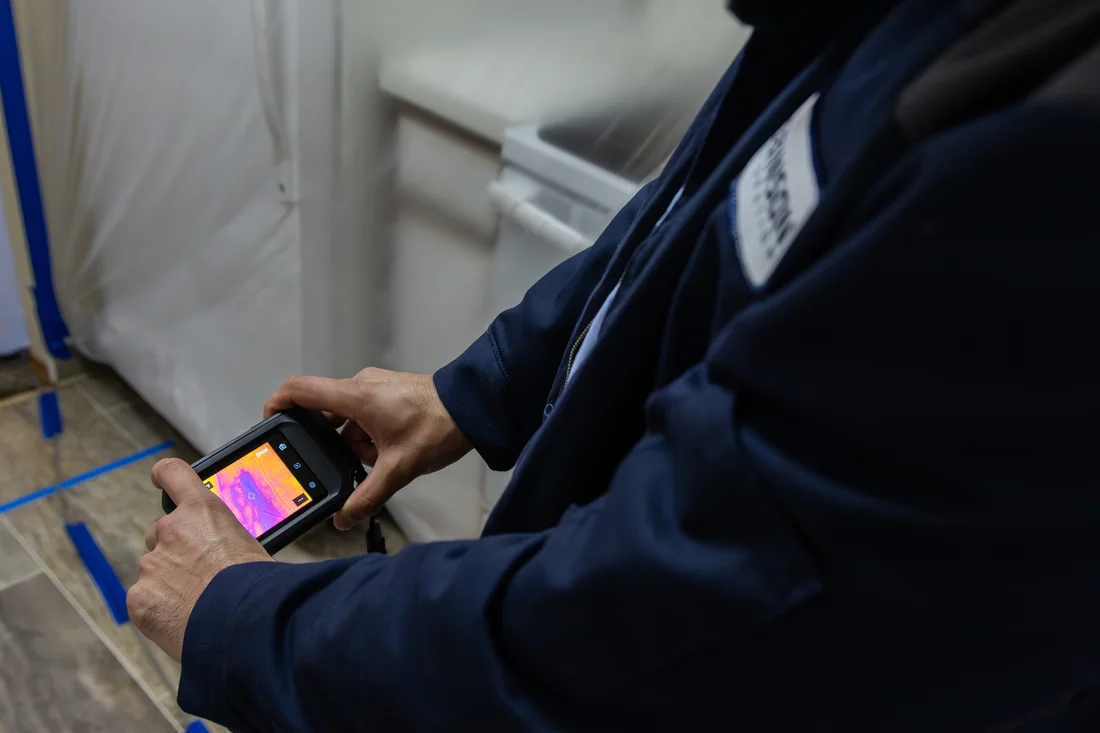
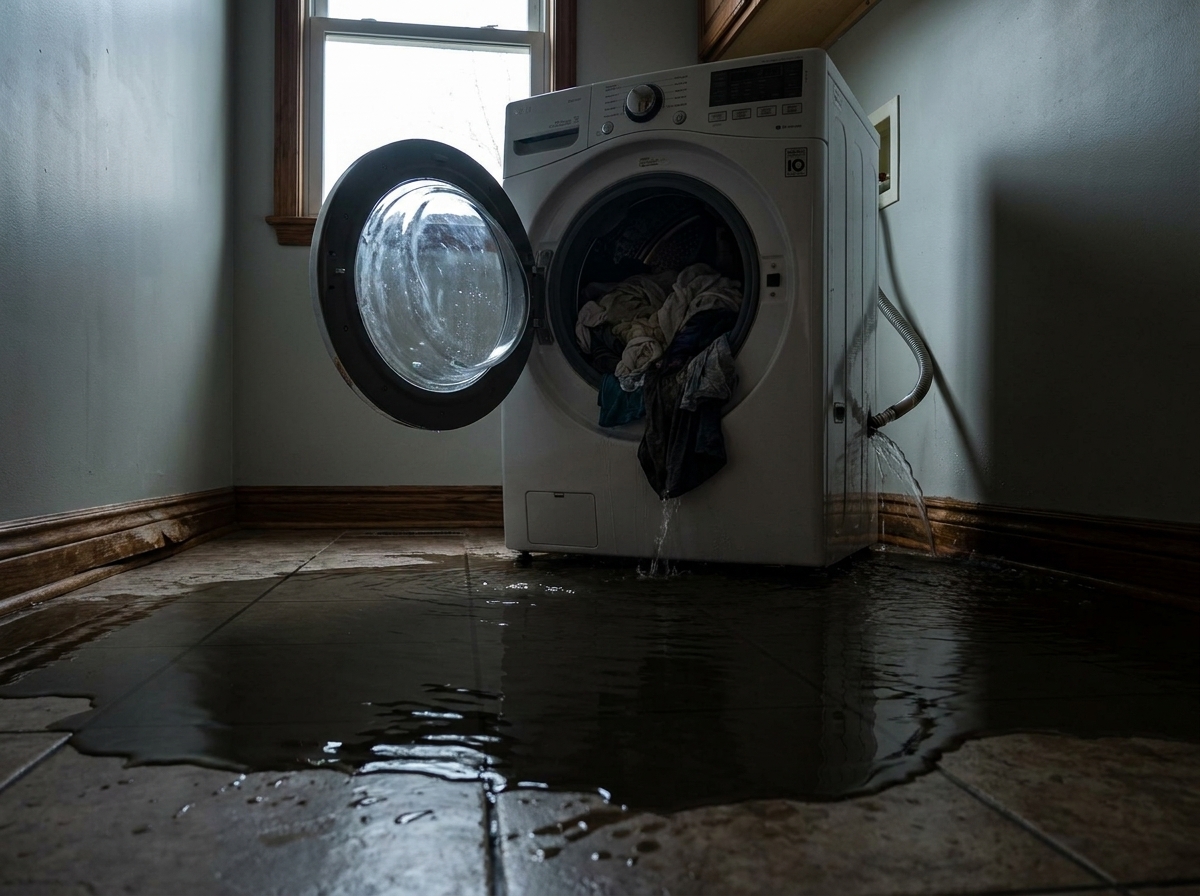
Up on the Ridge the houses are newer and taller, with laundry on the second floor and finished space below it. A washer hose or a toilet supply that lets go up high sends water through engineered floor trusses, along the ductwork, and into ceilings two levels down. Thermal imaging and meters find the full footprint before anybody starts cutting drywall.
Clear winter nights drop cold air off the surrounding hills and pool it on the valley floor, so the low part of town runs several degrees colder than the Ridge on the same night. Older houses down there have pipe in unheated crawlspaces and against uninsulated exterior walls. Those are the lines that split, and the failure usually announces itself during the thaw.
Coverage looks different depending on which part of Snoqualmie you're in. Valley floor properties often carry separate flood policies with their own deductibles and rules, while Ridge claims are usually straight homeowners losses with larger finished square footage in play. We document the source precisely either way, because down in the valley the difference between groundwater and a broken line decides which policy pays.
Most of the losses we run in Snoqualmie start one of three ways: flooding and groundwater, appliance failures, and frozen and split pipes. Here is why each one happens here, and what it takes to dry it properly.
High water on the Snoqualmie reaches the low neighborhoods regularly, and the water table rises under them well before that. Crawlspaces, garages, and ground-floor rooms take it first.
Ridge homes put washers, dishwashers, and refrigerator lines on floors with living space underneath. A failed braided hose runs unnoticed until it comes through a ceiling on the level below.
Cold air settling on the valley floor pushes overnight lows past what an old crawlspace or an uninsulated exterior wall can protect. The split shows up when the line thaws and pressure returns.
Water is how most losses start. It’s rarely where they end. The same local crew handles all of it.
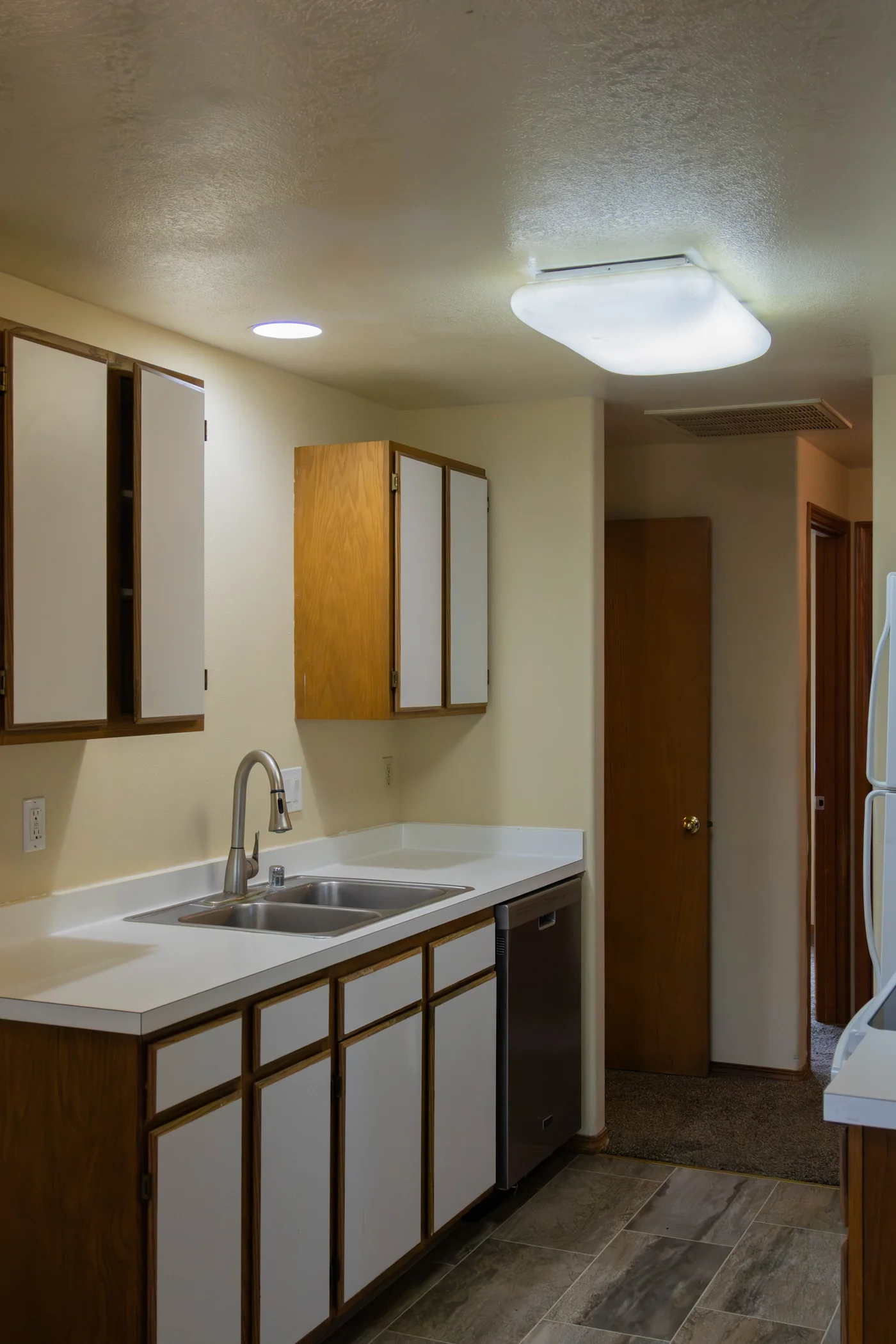
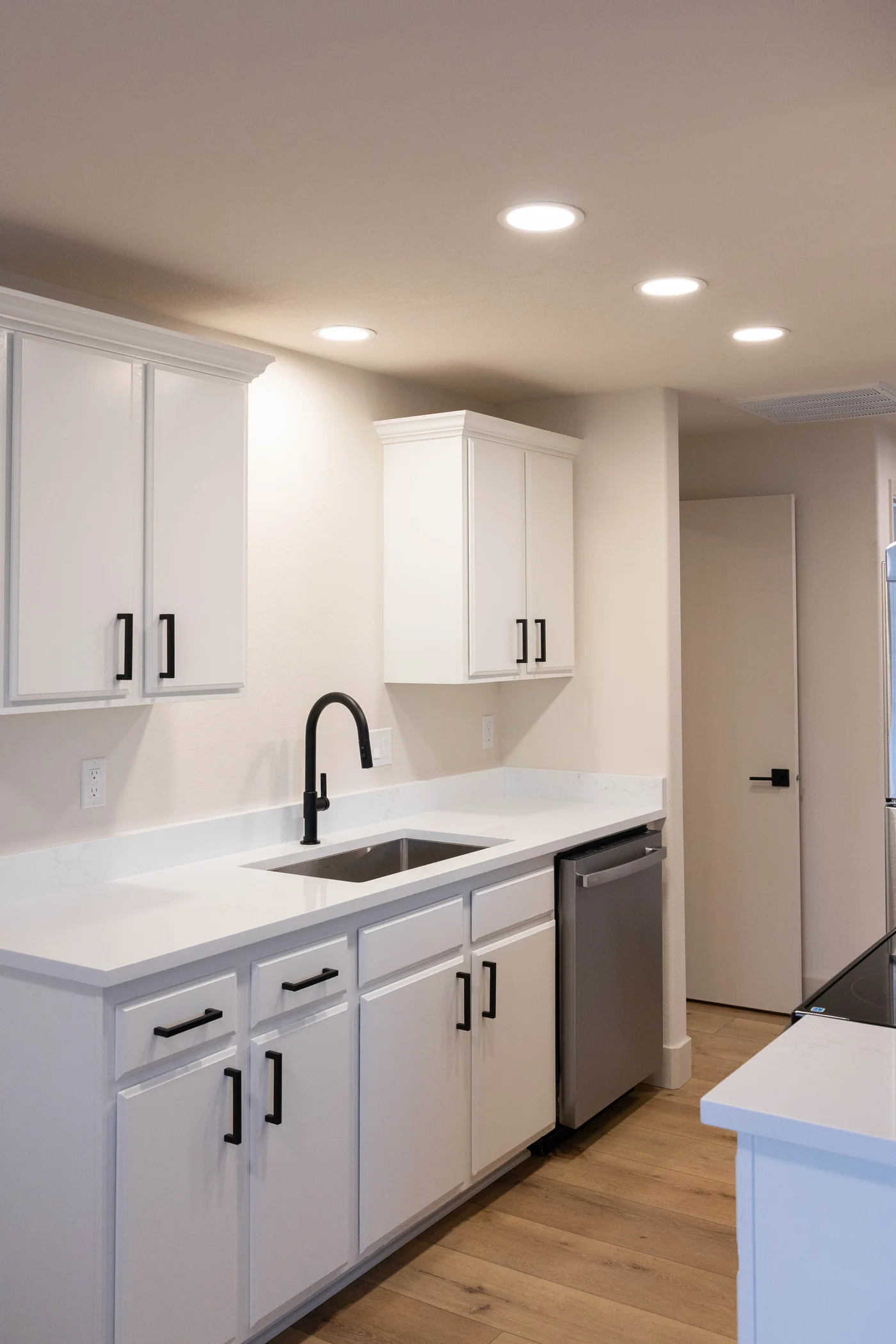
Three real projects, photo-documented for the insurance carrier and backed by our 5-year workmanship warranty. Drag each handle to compare.
“We recently had an unfortunate plumbing issue that led to some significant flooding issues. On the recommendation of our plumber we reached out to Robinson Restoration to help us with drying out our house and getting it ready to be put back together.”
Don Warner · Google Review
“We've had the bittersweet opportunity to have Robinson in our lives twice now. First, for a major 3,000 sq ft mold remediation of our crawl space. Then last week, we had an unfortunate flood. I don't know what we would have done without them.”
T Marie C · Google Review
“Chuck and Cole were very professional, courteous and knowledgeable about their restoration skills including close out processes. I'm really happy they were the two employees assigned to our home.”
Joanna Gamble · Google Review
In Washington, you choose your restoration contractor, and your carrier can’t penalize you for it. We document every Snoqualmie loss with moisture maps, photos, and daily readings, then bill your insurer directly. You pay your deductible. That’s it.
Subject to policy coverage and deductible. We handle the paperwork, photos, and adjuster calls.
Ridge subdivisions and valley-floor houses both call us, usually for the same reasons: a failed water heater, a washer hose, a slab or crawlspace leak nobody caught. We cover Snoqualmie with local crews, and someone is on the emergency line at every hour. Extraction and drying equipment comes on the first truck. Billing goes to your insurance carrier directly, with photos and readings attached.
In the low part of Snoqualmie it's usually groundwater, which standard homeowners coverage excludes and a flood policy handles. That doesn't mean you ignore it, since repeated saturation rots framing and feeds mold under the floor. We dry and treat the crawlspace properly, document the cause honestly, and tell you plainly which one this is: an insurance claim or a drainage fix.
Less than you'd fear if the call comes in early, more than you'd like if it sat overnight. On a Ridge home the water follows the floor trusses and the ductwork, so we map the whole path with meters and thermal imaging before cutting anything. Wet insulation above a ceiling comes out regardless. Drywall that reads dry within the first day often stays put.
Yes, and they're genuinely different jobs. A crawlspace on the valley floor needs extraction, vapor barrier removal, and dedicated dehumidification underneath the house. A three-story Ridge home needs equipment staged on multiple levels and a plan for containing dust and access. Our Kent crews carry both setups, and dispatch is staffed 24/7 for either call.
Three to five days is common for a contained loss. Snoqualmie jobs on the valley floor often run longer, because the ground under the structure keeps feeding moisture back into the air. We measure instead of guessing, log readings every day, and pull equipment once materials hit a dry standard matched to an unaffected area of the same building.
Move what you can to the highest floor, get vehicles and equipment out of low garages, and shut off power to any space likely to take water. Photograph the house before anything happens, since a clear before and after helps a Snoqualmie flood claim considerably. Then call early rather than after the water drops, because the queue fills fast on those nights.
That phase is managed through vetted licensed contractors and our sister companies, with mitigation handled by our own crews first. Extraction, controlled demo, and drying to IICRC standards produce the documented scope the rebuild follows. You keep one point of contact through both parts, which stops a Snoqualmie claim from splitting into two projects that don't talk to each other.
The sooner extraction starts, the less comes out later. Call and a Snoqualmie crew gets dispatched now.
Licensed · Insured · IICRC Certified · Serving Washington & Oregon