Robinson Restoration is an IICRC-certified water damage restoration company serving Kapowsin, WA. Crews dispatch 24 hours a day, arrive on-site in 90 minutes or less, document the readings and photos your carrier needs, and bill your insurance directly on covered claims.
Kapowsin is a handful of homes and timberland on the lake of the same name, out where Pierce County stops being suburban. Property here means wells, septic, gravel drives, and outbuildings. Our crews bring extraction equipment, dehumidifiers, and generators, because a lot of these calls come in during a storm.
The old mill is long gone and what is left is timber, pasture, and houses set back in the trees: cabins, farmhouses, manufactured homes, and a few newer builds on acreage. Winter here means weeks of rain running off logged hillsides, saturated ground that will not take another inch, and enough cold nights to split an unprotected line. Buildings sit unheated for stretches, which is how small failures become big ones.
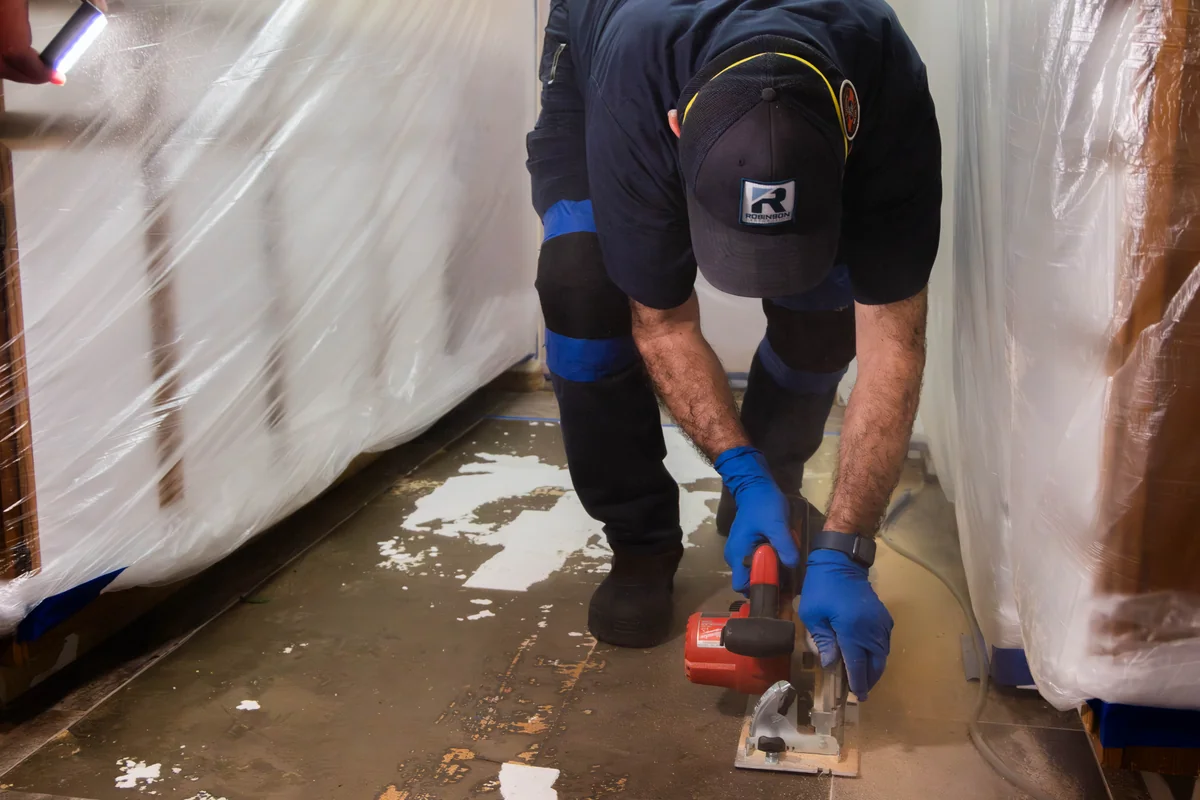
Calls out here go through the same 24-hour dispatch our Kent operations center runs for the rest of Pierce County. Crews come stocked for rural work: generators for outages, extra hose for long runs from a truck to a back building, and drying equipment sized for unheated space. Documentation follows IICRC S500, with moisture readings and photos logged daily. We bill most carriers directly and manage any rebuild through licensed contractors.

Remote addresses and rough driveways are normal for our Pierce County crews, and someone answers the emergency line no matter the hour.
24 hours a day, 7 days a week, our crews dispatch the moment you call and start mitigation the same visit. Call dispatch or message us for immediate help.
We stop further damage with commercial extraction, structural drying, and antimicrobial treatment, and we walk you through the entire insurance claim as we work.
We manage your rebuild to pre-damaged condition through our trusted network of licensed contractors and sister companies. One manager, one timeline.
Logged and replanted ground sheds water instead of holding it, and everything above these properties drains through them. Ditches fill, culverts plug with slash and needles, and a driveway becomes a creek during a heavy December stretch. Water reaches crawlspaces and shop slabs from outside long before any pipe fails.
Foothill elevation above the Puyallup valley runs colder than town, and plenty of buildings out here sit unheated: shops, cabins, seasonal places, and homes whose owners work long shifts elsewhere. A line splits at two in the morning and nobody knows until they open the door. That is when a small break turns into a floor system.
No city utility means no shutoff at the curb and no sewer main. A failed pressure tank pumps until the breaker is off, and a drainfield sitting in saturated winter ground can stop accepting flow entirely. Both scenarios end with water inside the house, and each one needs a different cleanup category and a different scope.
Out here the house is often the smallest building on the parcel. Equipment shops, hay storage, and detached garages hold real value and take real damage, usually from a roof panel or a frozen hydrant line rather than household plumbing. We dry those structures to the same standard and document them as separate line items for the claim.
Most of the losses we run in Kapowsin start one of three ways: frozen and split pipes, flooding and groundwater, and burst and leaking pipes. Here is why each one happens here, and what it takes to dry it properly.
Owners who work shifts off the hill can leave a place cold for a week in January. Copper in an exterior wall or an uninsulated run to a pump house is the first thing to give.
Runoff from logged slopes above the lake has nowhere to soak in during a long wet stretch. Ditches and culverts overload, and surface water pushes into crawlspaces, garages, and shop floors.
With a private well there is no meter to shut off, so a broken line keeps drawing until someone finds the pump breaker. On a big parcel, that can take a while.
Water is how most losses start. It’s rarely where they end. The same local crew handles all of it.
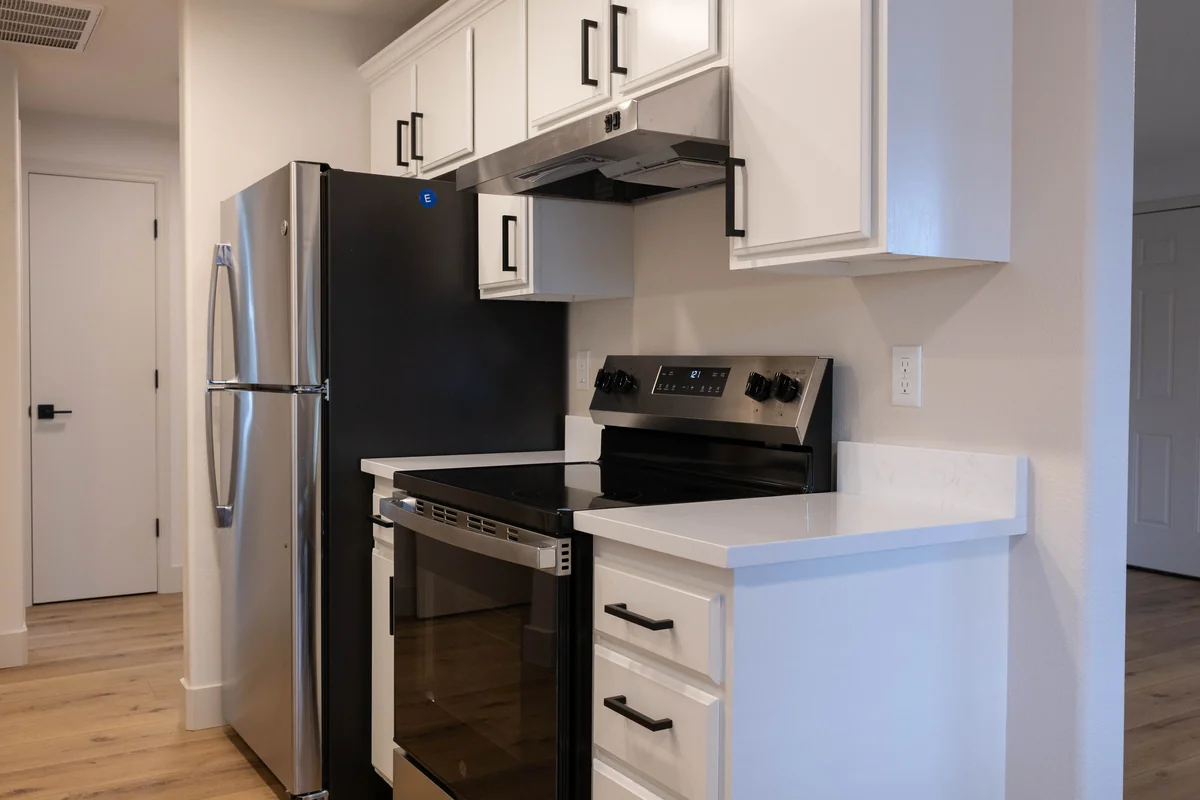
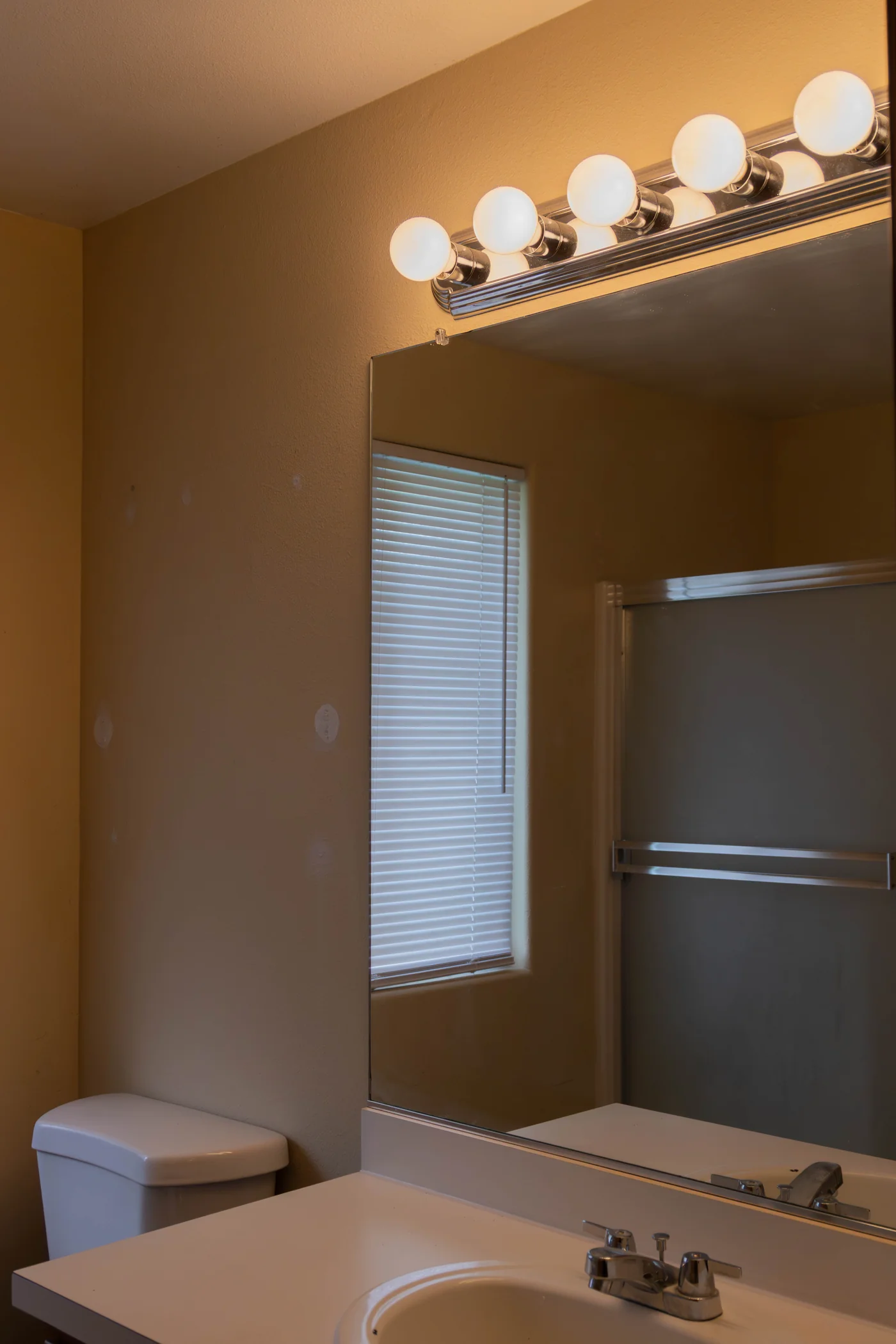
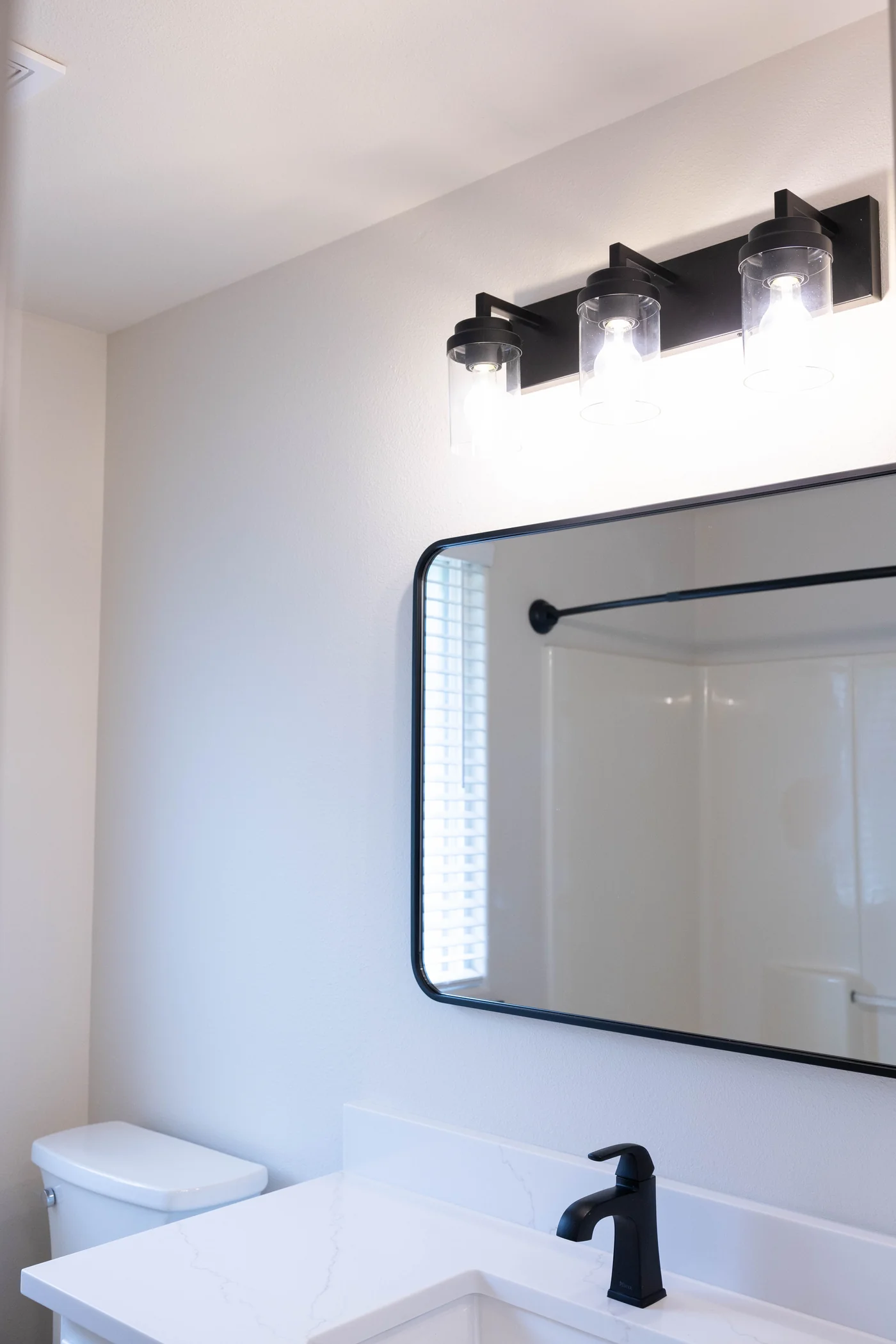
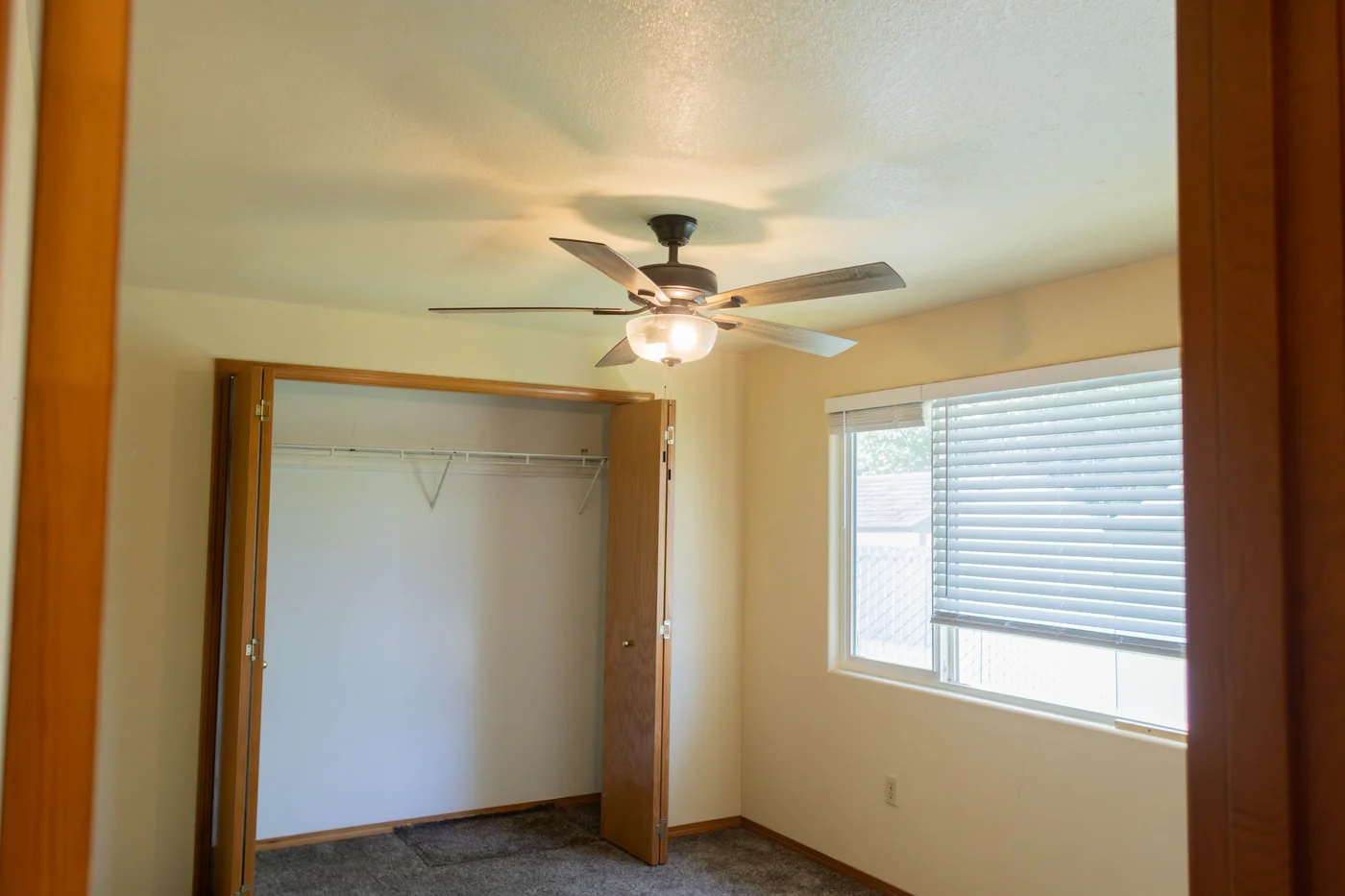
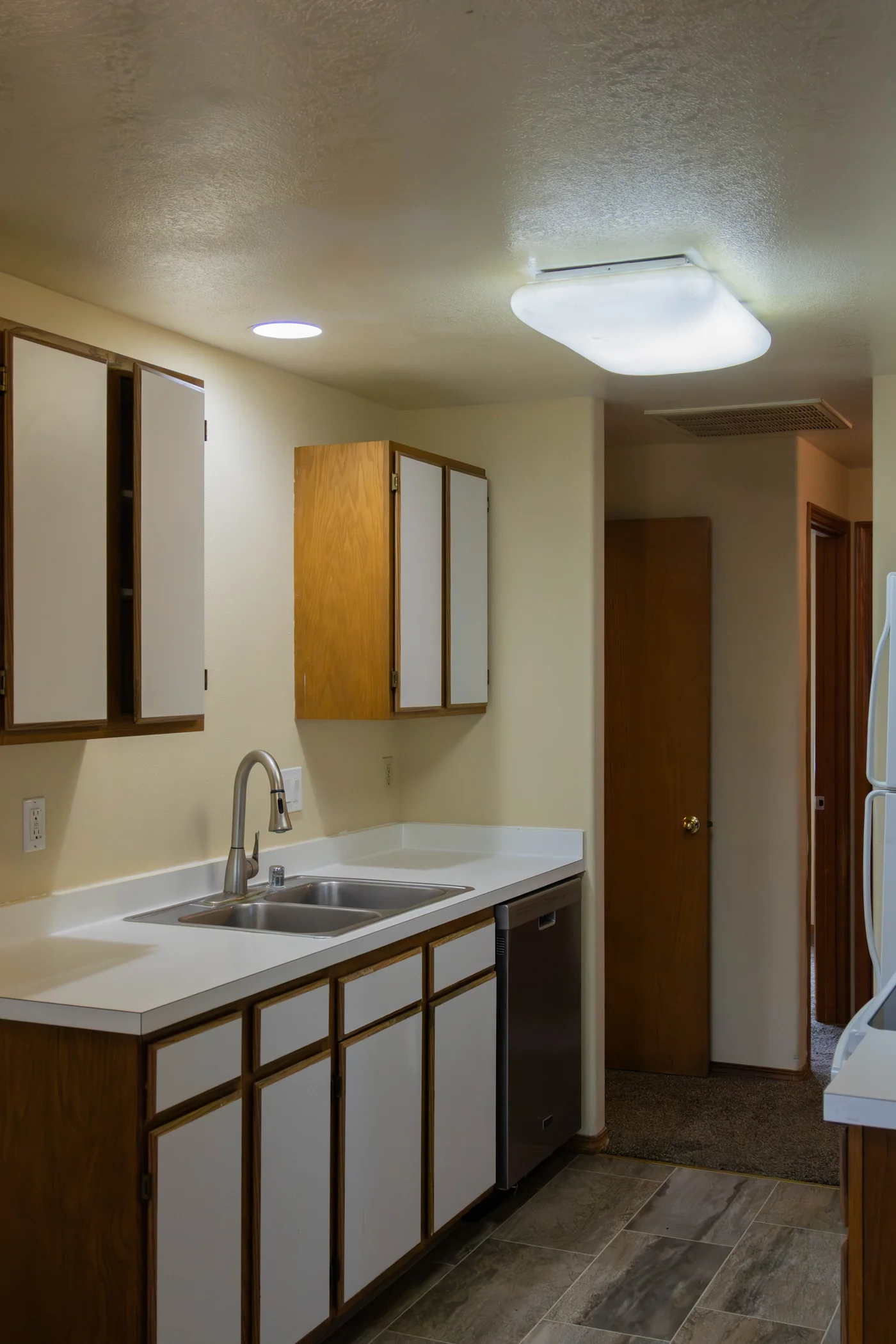
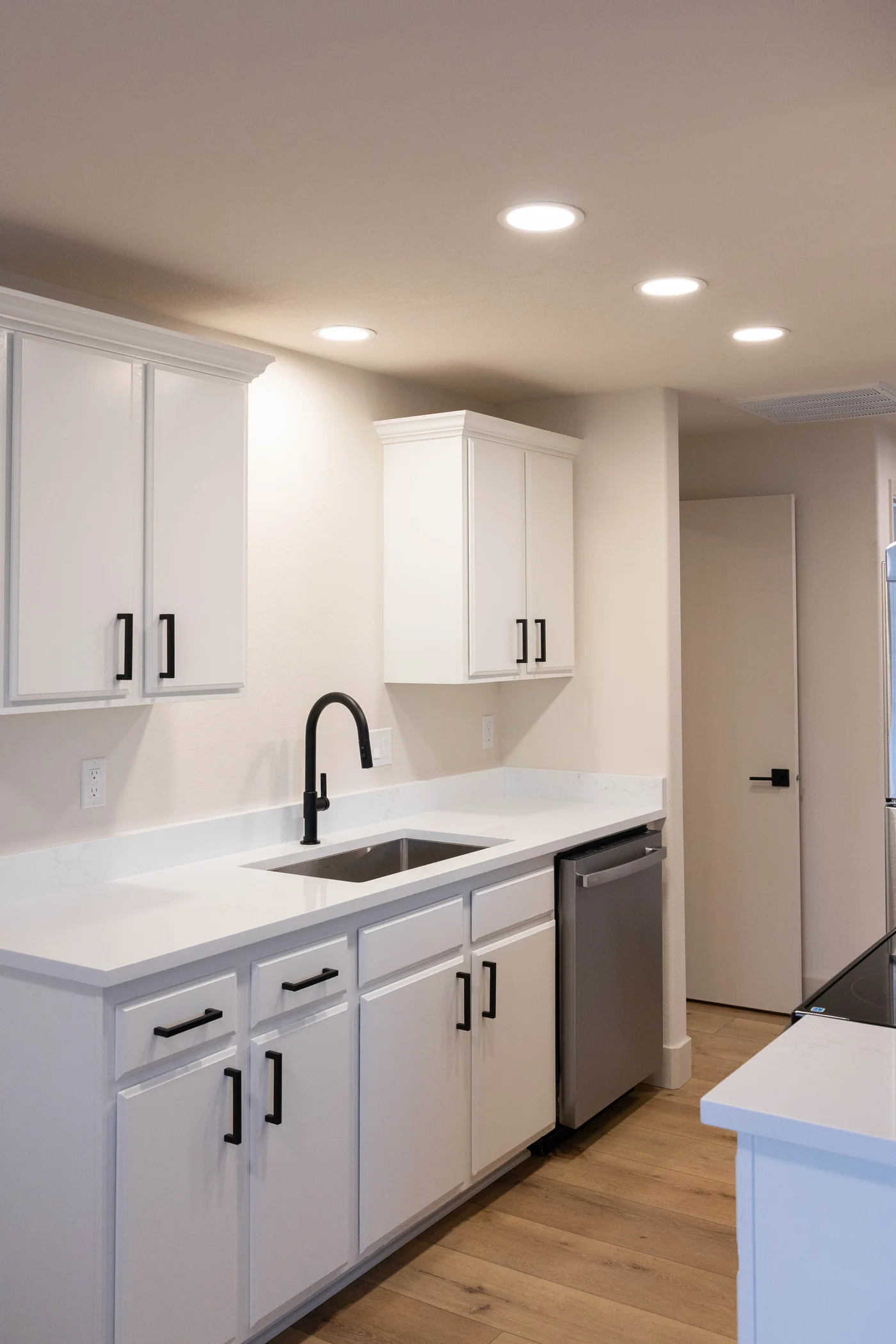
Three real projects, photo-documented for the insurance carrier and backed by our 5-year workmanship warranty. Drag each handle to compare.
“I want to express our sincere gratitude to the Robinson team that quickly moved to identify, rectify, repair, and then clean up the mess left by an itty-bitty hot water leak that went unnoticed because of its location.”
Michael Quinn · Google Review
“Kyla and Jake were super friendly and knowledgeable. Jake was at my house 90 minutes after I called and did a free inspection. I won't need their services this time, but I will definitely call them if I ever have to deal with water damage.”
Carmen Otten · Google Review
“Had a leak in our wall and our plumber recommended Robinson Restoration to handle remediation of the water damage. Christian and Adolfo were awesome. Great communication throughout the setup of the containment area and installation of the equipment to start the drying process.”
Won Lee · Google Review
In Washington, you choose your restoration contractor, and your carrier can’t penalize you for it. We document every Kapowsin loss with moisture maps, photos, and daily readings, then bill your insurer directly. You pay your deductible. That’s it.
Subject to policy coverage and deductible. We handle the paperwork, photos, and adjuster calls.
Rural properties still get a real crew. Robinson covers Kapowsin and the surrounding countryside, and our emergency line is answered live at any hour, holidays included. Technicians roll in with extraction equipment, commercial dehumidifiers, and air movers, so the drying plan starts immediately. Claims are billed straight to your carrier, and we supply the photos, readings, and scope they need.
We do. Rural Pierce County calls go to the same 24-hour dispatch as everything else, and the crews that run this area expect gravel roads, gates, and long driveways. Tell the dispatcher about access, livestock, and dogs when you call. Nothing about a small community changes the standards we dry to or the documentation your insurer receives.
Shut the water off at the pressure tank when you leave, and keep enough heat on to hold the crawlspace above freezing. A cellular leak sensor near the water heater and under the kitchen sink pays for itself the first time it works. If somebody local checks the property, ask them to walk the crawlspace access and look for a wet spot in the driveway.
Surface water entering a building is usually a flood exposure rather than a homeowners claim, and detached structures often carry their own sublimit. Contents stored in a shop may sit under a different limit again. We document what came in, how high it got, and what it touched, so your agent has facts to work with. Mitigation should not wait on that answer.
Clean well water caught early saves most of it: framing, subfloor, and often the insulation if we remove and replace only what is saturated. The variable is time. Two days of standing water in a closed crawlspace grows microbial activity and the category changes, which means more material comes out. Call before you start guessing at what is ruined.
Yes. Generators are standard on rural calls, since a Kapowsin outage after a wind event can last well past the day the water shows up. We run extraction and dehumidification off generator power and check your panel before anything gets re-energized. Starting drying during the outage is often the difference between a repair and a rebuild.
Our crews own the mitigation side: extraction, drying, cleanup, and documentation. The rebuild is managed through vetted licensed contractors and sister companies, with us coordinating the schedule and the scope. That is worth something on a Kapowsin property, where getting a subcontractor to commit to a drive out for one job can be its own project.
Standing water under a Kapowsin house does not drain on its own. Call and get drying underway.
Licensed · Insured · IICRC Certified · Serving Washington & Oregon