Robinson Restoration is an IICRC-certified water damage restoration company serving DuPont, WA. Crews dispatch 24 hours a day, arrive on-site in 90 minutes or less, document the readings and photos your carrier needs, and bill your insurance directly on covered claims.
Most of DuPont went up in the Northwest Landing era, which means newer homes packed close together on small lots. That works fine until a second-floor supply line lets go and the water has two stories to travel through. We handle those calls day and night, year round.
Construction here runs mostly 1990s through 2000s: two and three stories, upstairs laundry rooms, water heaters in closets and garages, engineered flooring over subfloor, and townhomes sharing walls with the neighbors. Add a heavy military presence, which means rentals and houses sitting empty through a deployment, and losses get discovered late. The Sound-side climate holds humidity high from November into March, so nothing here air-dries on its own.
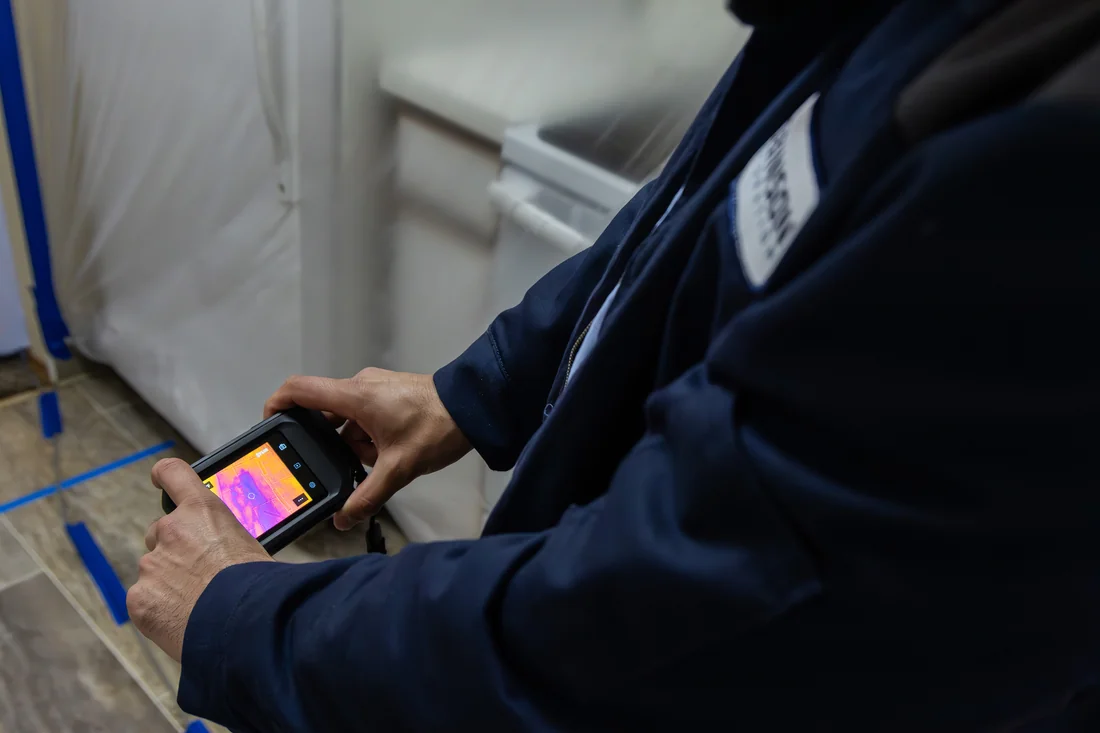
Calls reach 24/7 dispatch and route through our Kent operations center. A lead tech traces the water to its source, checks the rooms and units below and beside it, and writes a scope before equipment goes down. Drying follows IICRC S500 with logged readings until the structure meets a dry standard. We bill carriers directly, and in shared-wall situations we keep separate documentation for each affected owner and policy.

Multi-story homes lose the most in the first hour, so DuPont calls reach a staffed dispatch overnight, on weekends, and through holidays.
24 hours a day, 7 days a week, our crews dispatch the moment you call and start mitigation the same visit. Call dispatch or message us for immediate help.
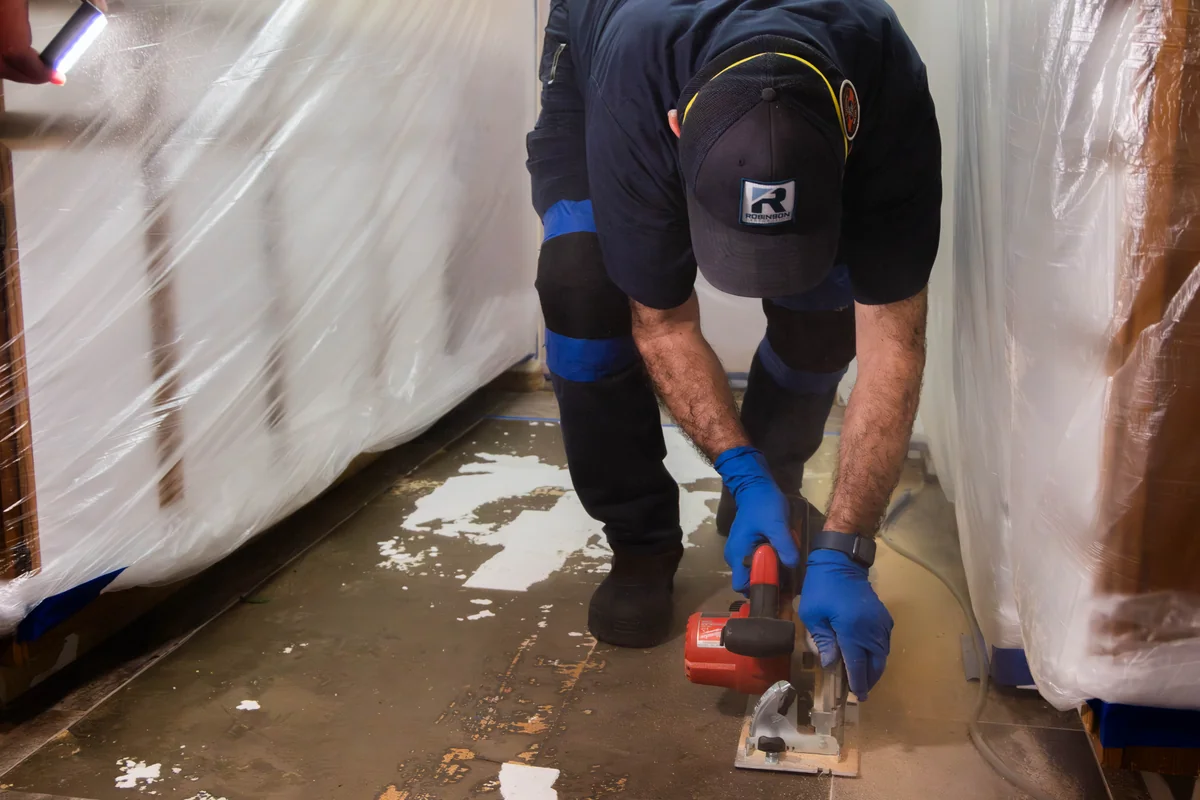
We stop further damage with commercial extraction, structural drying, and antimicrobial treatment, and we walk you through the entire insurance claim as we work.
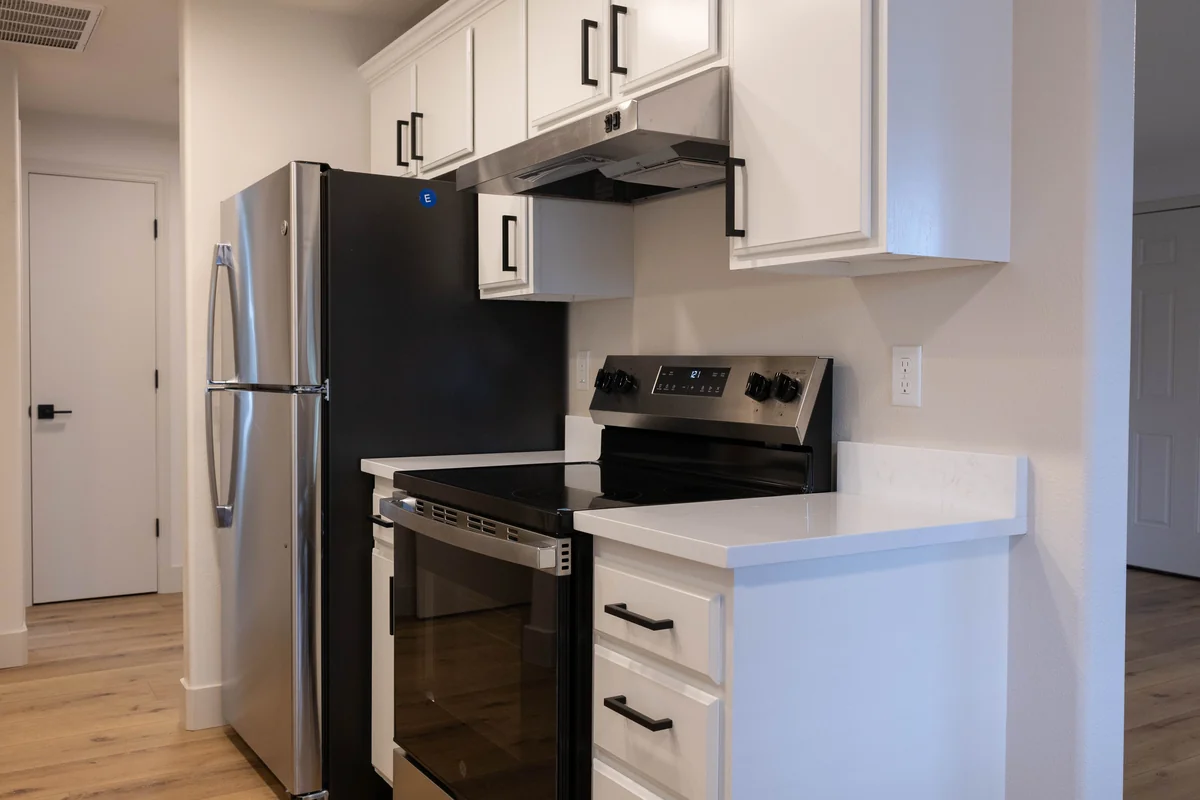
We manage your rebuild to pre-damaged condition through our trusted network of licensed contractors and sister companies. One manager, one timeline.
A supply failure in an upstairs bathroom or laundry room does not stay upstairs. Water runs down the wall cavity, saturates the ceiling assembly below, follows floor joists sideways, and ends up in the garage or the crawlspace. We open, meter, and dry every level the water touched, because a dry-looking main floor often hides a soaked ceiling.
Townhomes and attached units complicate a claim. A leak starts in one unit and the damage lands in another, and the association's master policy covers some assemblies while the owner's policy covers the rest. We document the source, the path, and each affected footprint separately, so the boundary between policies gets drawn by evidence rather than by argument.
Sitting on the bluff above Puget Sound near the Nisqually delta means wind-driven rain, months of high humidity, and stormwater with nowhere to go on tight lots. That rain finds siding gaps and window flashing on tall elevations. Opening the windows to dry a house in February only brings more moisture in, which is why we dry in a closed system.
Plenty of homes here are rentals or sit vacant while an owner is on orders. A slow supply leak or a failed water heater in an unoccupied house runs for days, and by the time somebody opens the door the loss involves cabinets, subfloor, and framing instead of a wet mat. Property managers get the same documentation package homeowners do.
Most of the losses we run in DuPont start one of three ways: appliance failures, water heater failures, and roof and storm leaks. Here is why each one happens here, and what it takes to dry it properly.
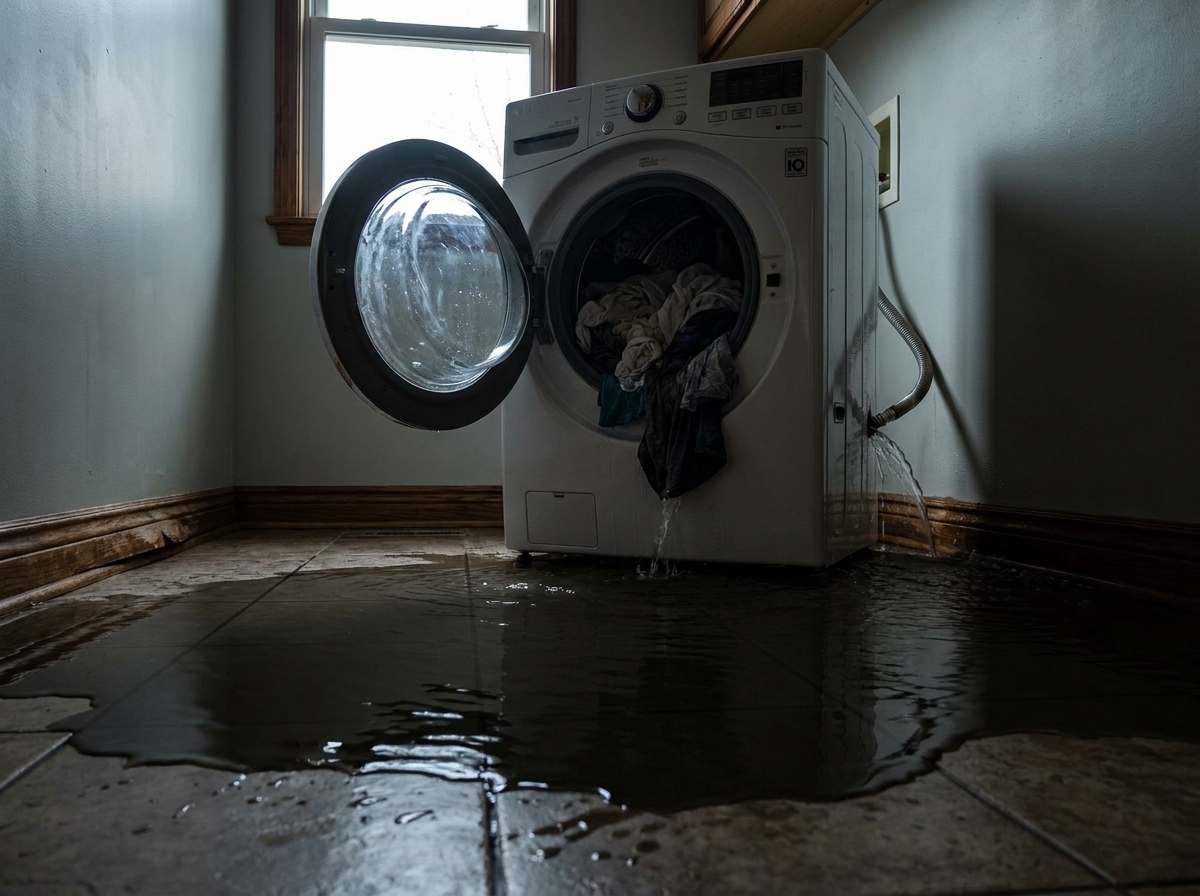
Second-floor laundry rooms, dishwashers, and refrigerator ice-maker lines cause the most failures in newer DuPont homes. A braided hose or a plastic fitting lets go and the water starts two floors above the garage.
Tanks tucked into garages and upstairs closets reach the end of their service life all at once in a neighborhood built within a few years of itself. A ruptured tank drains completely into finished space.
Wind-driven rain off the Sound works at siding seams, window flashing, and roof penetrations on tall elevations. Water enters high and surfaces as a stain on a ceiling or a second-floor wall.
Water is how most losses start. It’s rarely where they end. The same local crew handles all of it.
Three real projects, photo-documented for the insurance carrier. Drag each handle to compare.
“We've had the bittersweet opportunity to have Robinson in our lives twice now. First, for a major 3,000 sq ft mold remediation of our crawl space. Then last week, we had an unfortunate flood. I don't know what we would have done without them.”
T Marie C · Google Review
“Chuck and Cole were very professional, courteous and knowledgeable about their restoration skills including close out processes. I'm really happy they were the two employees assigned to our home.”
Joanna Gamble · Google Review
“We hired Robinson Restoration after a boiler joint failed and leaked what we thought was a small amount of water in our laundry room, but turned out to be more serious than it appeared. They did a fantastic job from first contact to insurance claim approval.”
Randi Covin · Google Review
In Washington, you choose your restoration contractor, and your carrier can’t penalize you for it. We document every DuPont loss with moisture maps, photos, and daily readings, then bill your insurer directly. You pay your deductible. That’s it.
Subject to policy coverage and deductible. We handle the paperwork, photos, and adjuster calls.
Short answer: yes. Robinson runs a South Sound crew, and DuPont sits inside the area we cover, so we can often be on-site in 90 minutes or less. Nobody waits for a morning callback, since dispatch never closes. The truck carries extraction gear, air movers, and dehumidifiers, plus moisture meters to find water that soaked under flooring. Insurance gets billed directly.
Further than it looks. Water leaves a second-floor bathroom through the subfloor and the wall cavity, wets the ceiling assembly below, then tracks along joists to a low point that can be in another room entirely. In most DuPont floor plans we check the main level, the garage ceiling, and any finished space under the stairs before deciding what opens up.
It depends on where the failure happened and what the association's documents say about the master policy. Typically the HOA covers the building envelope and common assemblies while your policy covers the interior and contents. We document the source, the path, and each affected unit separately. DuPont associations vary, so pull your CC&Rs early, since that document usually settles the question faster than the adjusters will.
Yes, and we do it often in DuPont. We coordinate directly with property managers and tenants, send photo documentation and daily moisture logs to whoever needs them, and get approvals in writing before any scope changes. If you're overseas or on orders, tell dispatch who has authority to approve work, and we'll keep you copied without stalling the job.
The age of the house matters less than the age of its components. Supply hoses, water heaters, dishwasher fittings, and angle stops have service lives measured in years, and in DuPont a whole neighborhood's worth of them hit that mark around the same time. Newer construction also uses more engineered flooring and paper-faced drywall, both of which fail quickly once wet.
Not from November through March. Outdoor air near the Sound carries enough moisture that opening the house adds humidity instead of removing it. Real drying is a closed system: contained space, dehumidification, directed airflow, and daily readings until material reaches a dry standard. Guessing is how a three-day DuPont job becomes a mold remediation in the spring.
We manage reconstruction through vetted licensed contractors and sister companies, so drywall, paint, trim, and flooring get handled without you sourcing trades. Matching builder-grade finishes across a DuPont neighborhood is usually straightforward, since the same products went into hundreds of homes. Mitigation documentation carries straight into the rebuild scope, so the adjuster reviews one continuous file.
One leak upstairs can reach three levels of the house. Call now and we'll stop the spread.
Licensed · Insured · IICRC Certified · Serving Washington & Oregon