Robinson Restoration is an IICRC-certified water damage restoration company serving University Place, WA. Crews dispatch 24 hours a day, arrive on-site in 90 minutes or less, document the readings and photos your carrier needs, and bill your insurance directly on covered claims.
Water finds the low spot fast in a bluff town. University Place sits on sloping ground above the Sound, where a failed supply line or a saturated crawlspace can travel further than you'd expect before anyone notices. Robinson Restoration answers around the clock and gets extraction started the same day you call.
Most of the housing here went up between the 1950s and the 1970s, before the city ever incorporated, which means galvanized supply lines, original angle stops, and cast iron drains are still in service under a lot of these homes. Add daylight basements cut into the bluff above Chambers Creek and a marine winter that keeps soil saturated from November through February, and groundwater pressure becomes as common a call as a burst pipe.
Our Kent operations center dispatches to Pierce County around the clock, and crews roll with meters, air movers, and dehumidifiers on the first truck. Every job gets documented from the start: moisture mapping, photos of affected materials, daily drying logs tied to IICRC S500 standards. We bill your carrier directly and send them the same file we build for you, so the adjuster is not guessing about what got wet or why it took the days it took.

University Place calls go out to on-call crews the moment they come in, day or night, with a target of on-site in 90 minutes.
24 hours a day, 7 days a week, our crews dispatch the moment you call and start mitigation the same visit. Call dispatch or message us for immediate help.
We stop further damage with commercial extraction, structural drying, and antimicrobial treatment, and we walk you through the entire insurance claim as we work.
We manage your rebuild to pre-damaged condition through our trusted network of licensed contractors and sister companies. One manager, one timeline.
Homes built through the 1950s and 1960s here often still run original galvanized supply, and the ones remodeled in the 1980s sometimes hide polybutylene behind the drywall. Both fail without much warning. We trace the source first, then dry the assembly rather than tearing out everything that got damp, which keeps the repair scope honest.
The land tilts toward the water across most of the city, and glacial till under the topsoil holds rain instead of letting it pass. Winter runoff finds footing drains, window wells, and daylight basement walls. We pull moisture out of the structure and identify where the water entered, which gives your repair a real target instead of a patched stain.
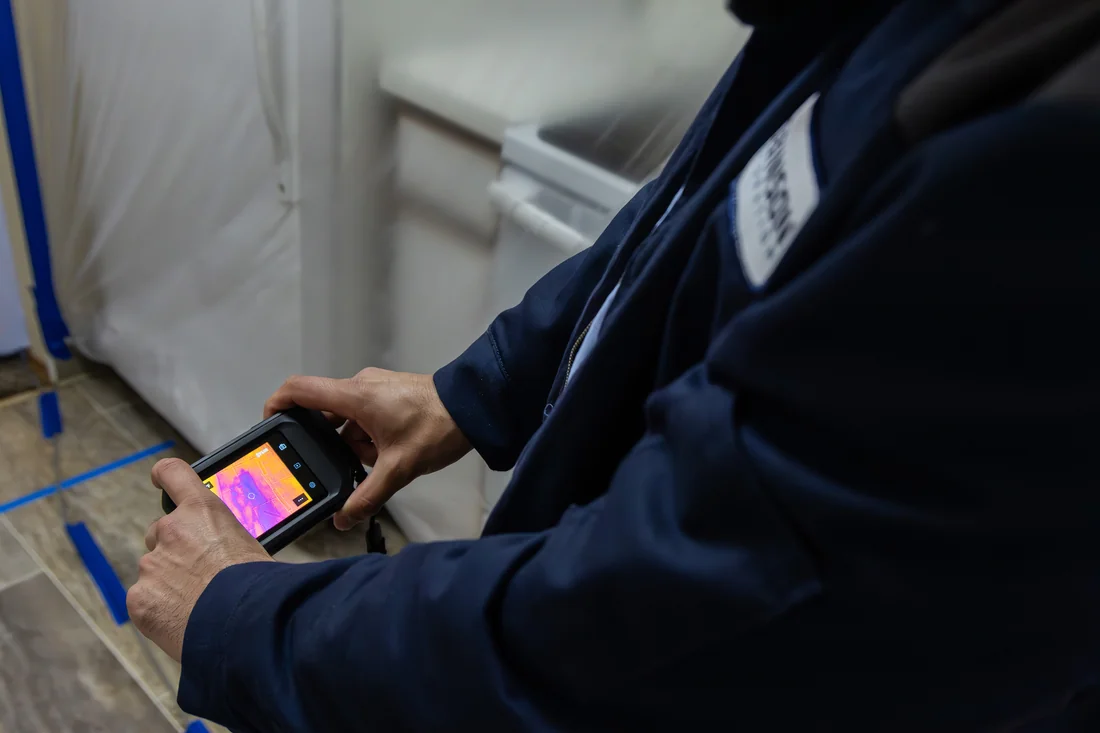
Storms coming in off Puget Sound push rain sideways into siding, window flashing, and roof-wall transitions that would shed a vertical drop just fine. The leak shows up on an interior wall weeks later, brown and soft. Thermal imaging and pin meters tell us how far it spread inside the cavity before we open anything up.
A good share of University Place housing is attached: condos near the town center, townhome clusters, and duplexes. Water rarely respects the party wall. We contain the work, coordinate with the association's management on what falls under the master policy versus the unit owner, and document each side separately so both claims can stand on their own.
Most of the losses we run in University Place start one of three ways: burst and leaking pipes, roof and storm leaks, and sewage backups. Here is why each one happens here, and what it takes to dry it properly.
Cold snaps off the Sound are short but sharp, and unheated crawlspaces under 1950s ranch homes leave supply lines exposed. A quarter-inch split can push hundreds of gallons into subfloor and insulation before anyone hears it.
Low-slope additions and aging composition roofs take a beating through a Puget Sound winter. Wind-driven rain works under lifted shingles and along flashing, then travels down rafters and shows up far from the actual entry point.
Cast iron and clay laterals from the postwar build-out sit under decades of mature root growth. When a line backs up, the water is category three from the first minute and the crawlspace or basement needs full decontamination.
Water is how most losses start. It’s rarely where they end. The same local crew handles all of it.
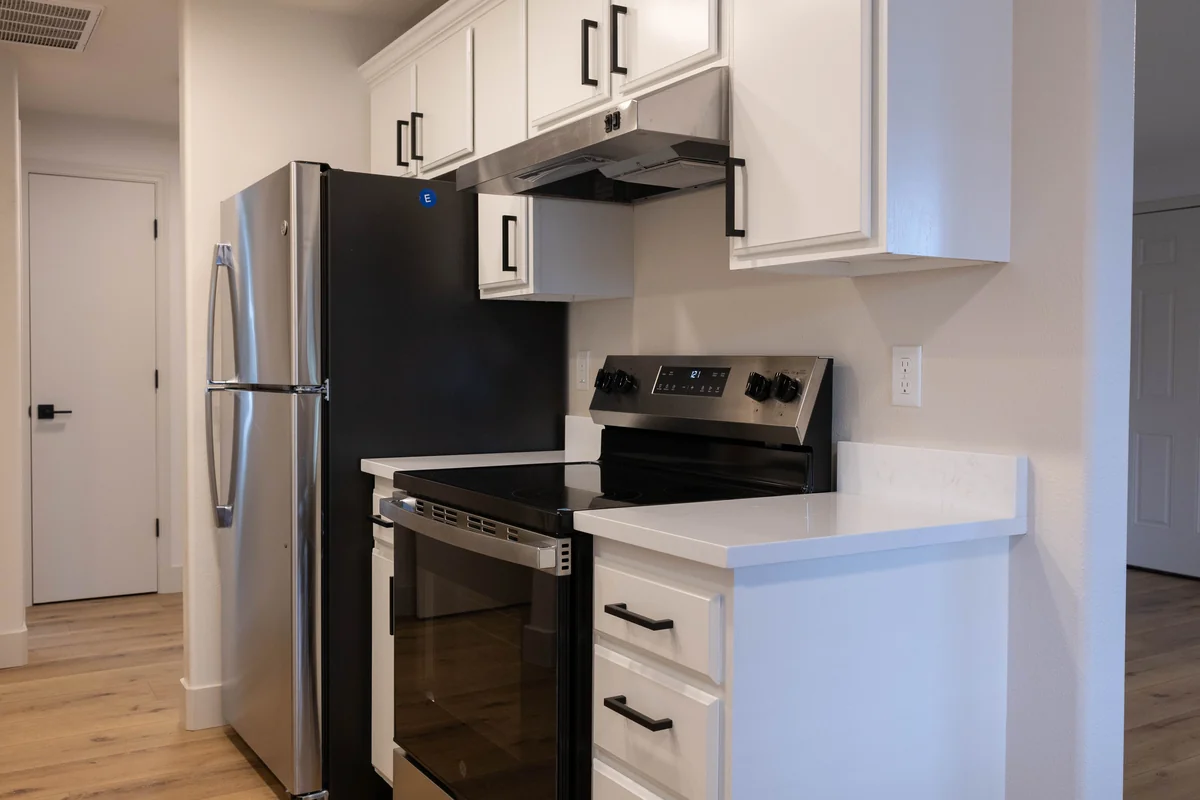
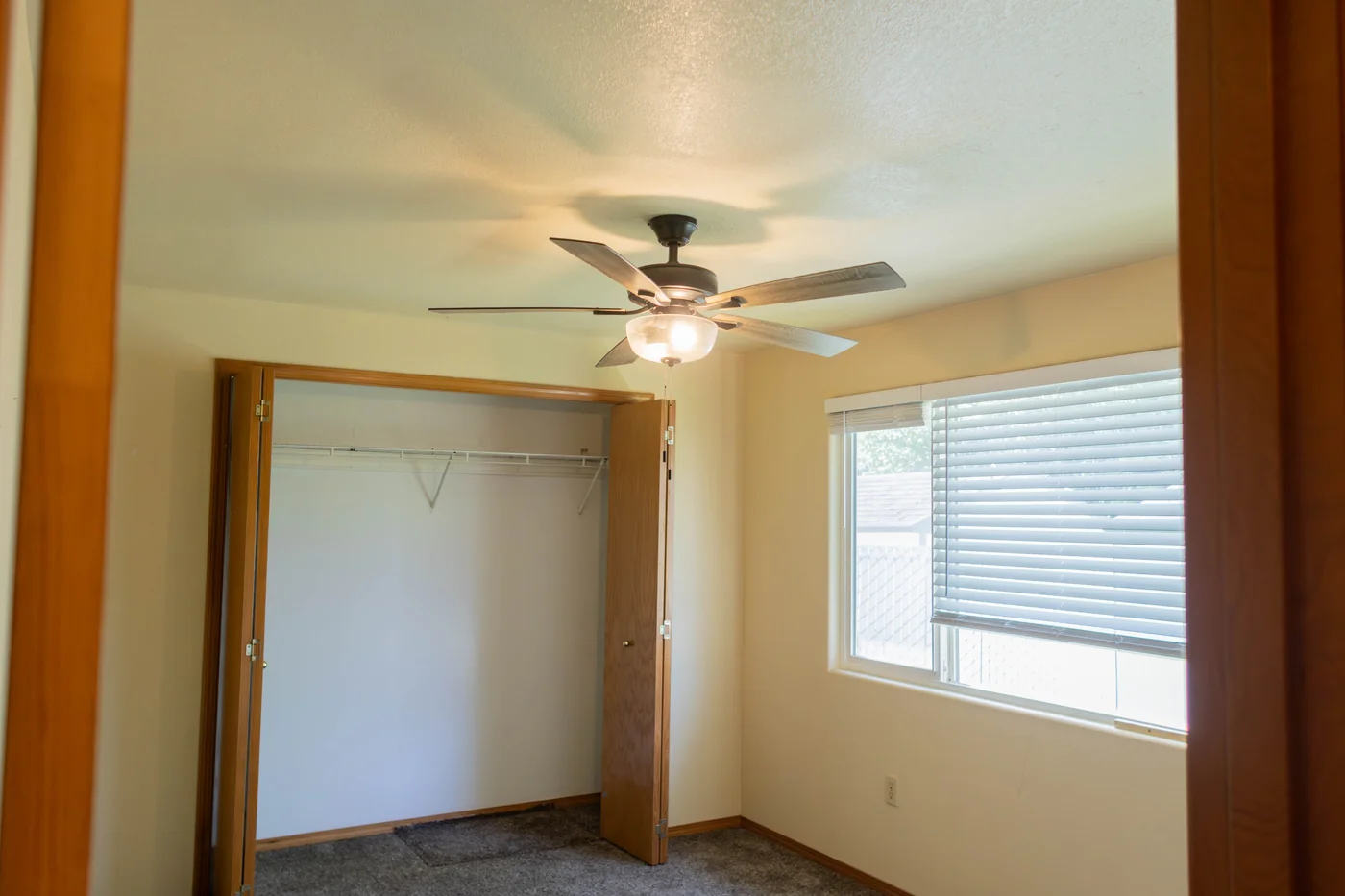
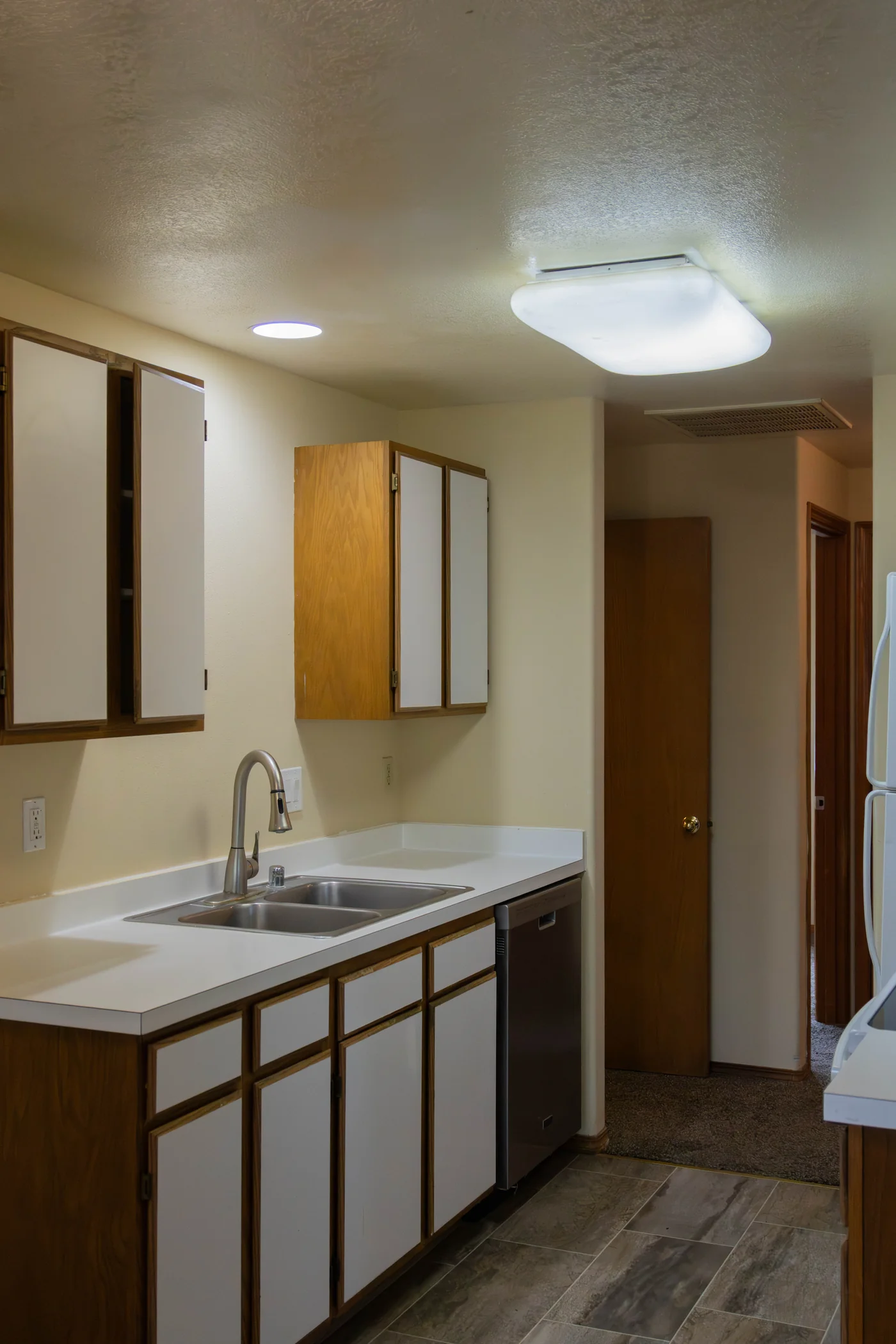
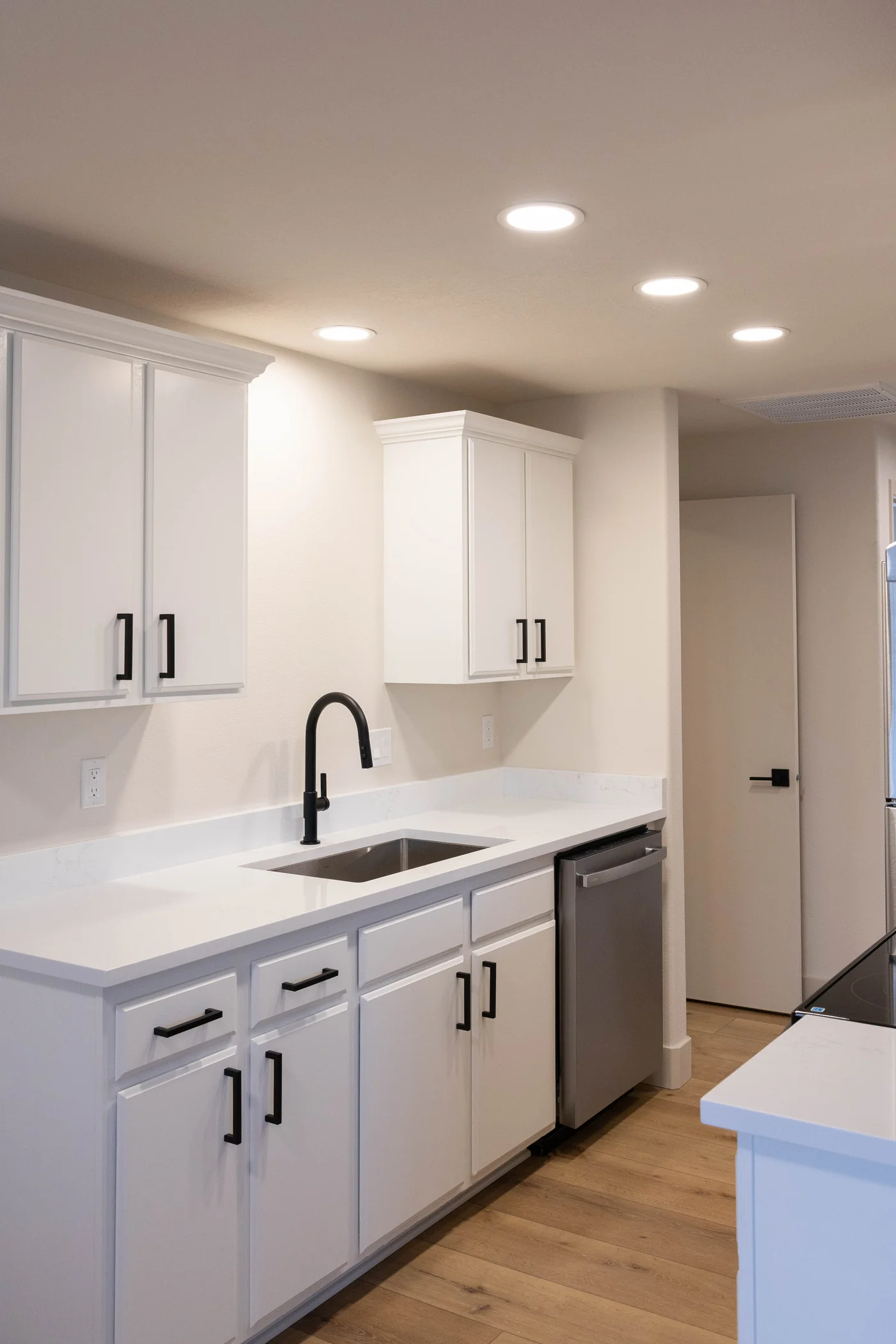
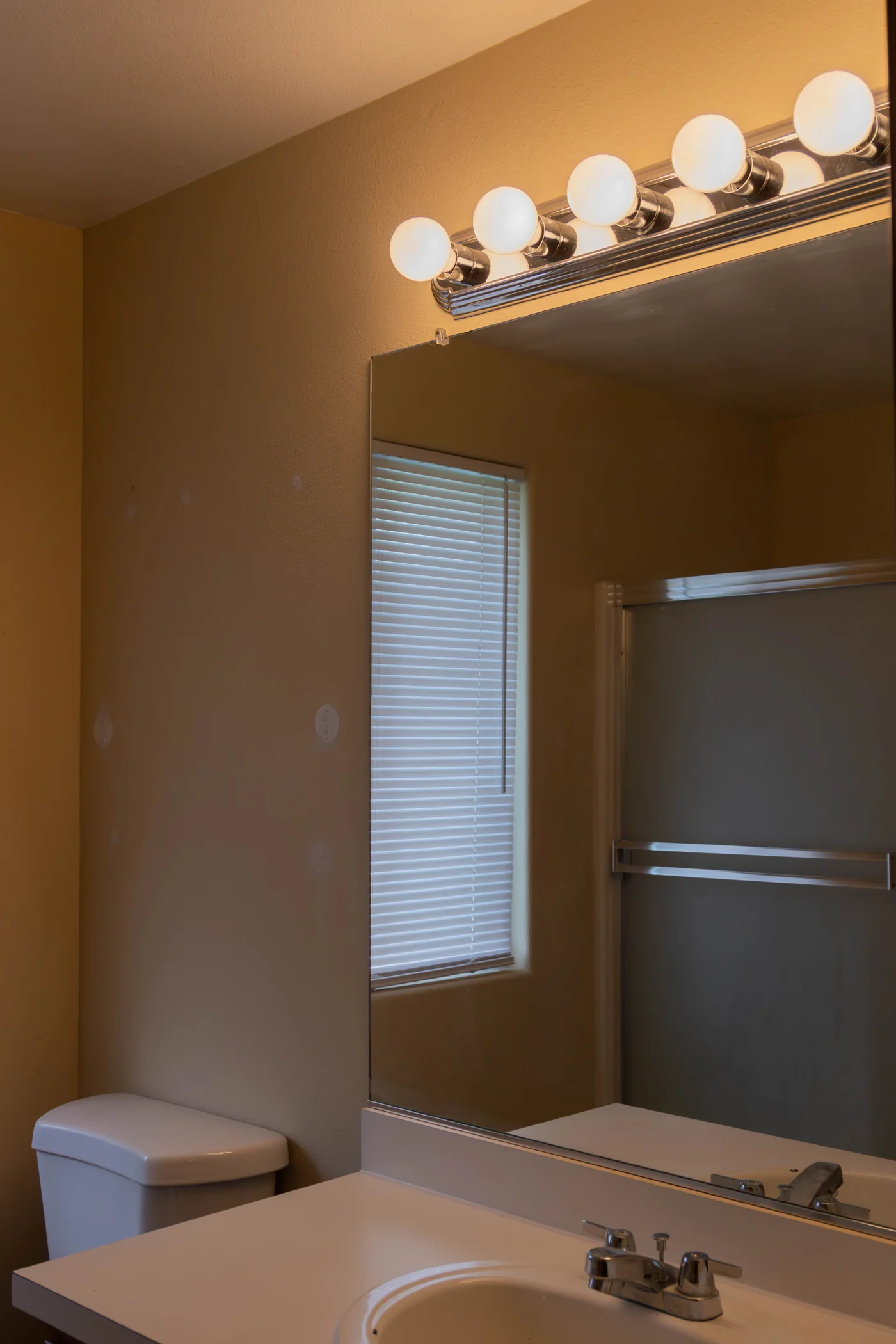
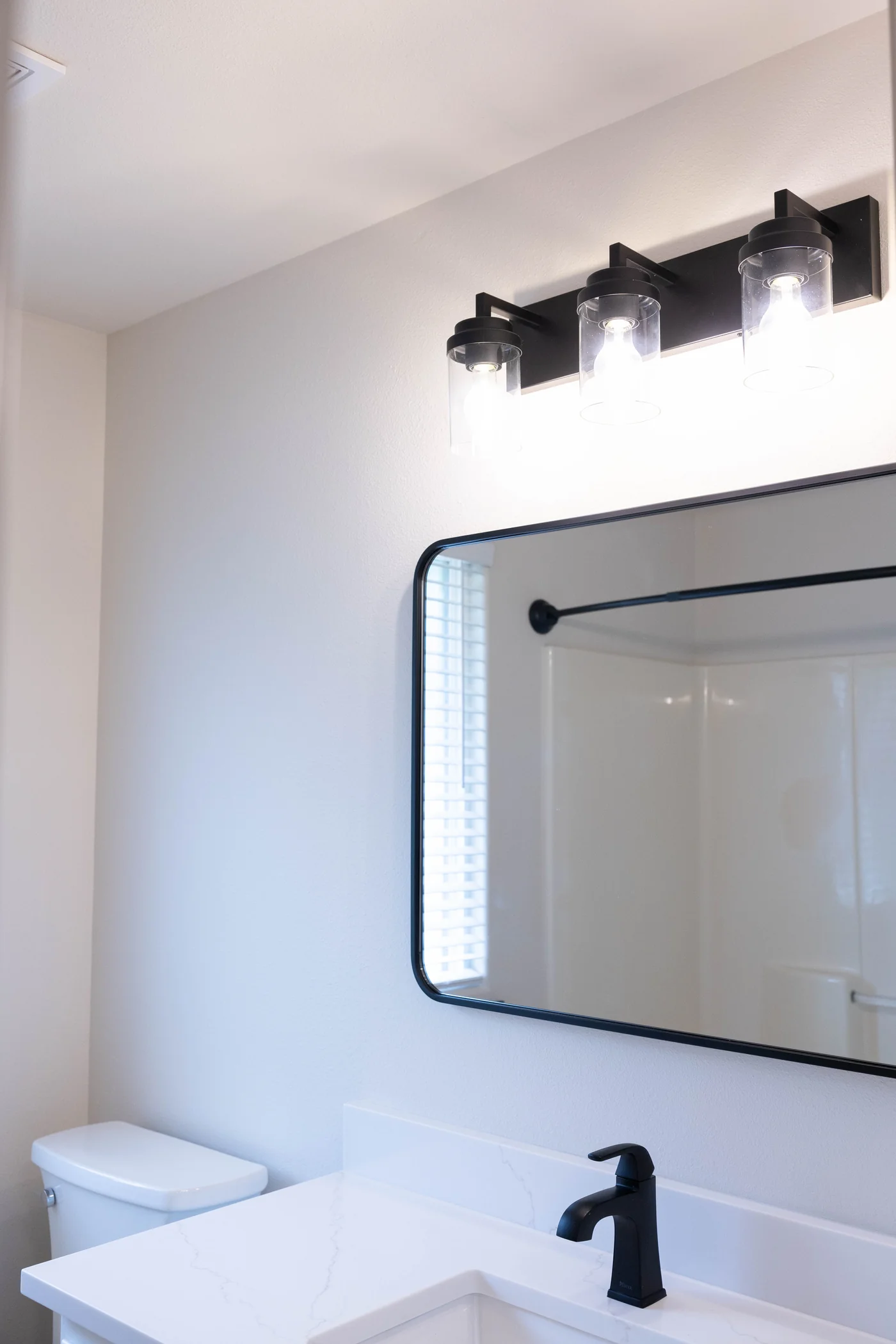
Three real projects, photo-documented for the insurance carrier. Drag each handle to compare.
“Had a leak in our wall and our plumber recommended Robinson Restoration to handle remediation of the water damage. Christian and Adolfo were awesome. Great communication throughout the setup of the containment area and installation of the equipment to start the drying process.”
Won Lee · Google Review
“We recently had an unfortunate plumbing issue that led to some significant flooding issues. On the recommendation of our plumber we reached out to Robinson Restoration to help us with drying out our house and getting it ready to be put back together.”
Don Warner · Google Review
“We've had the bittersweet opportunity to have Robinson in our lives twice now. First, for a major 3,000 sq ft mold remediation of our crawl space. Then last week, we had an unfortunate flood. I don't know what we would have done without them.”
T Marie C · Google Review
In Washington, you choose your restoration contractor, and your carrier can’t penalize you for it. We document every University Place loss with moisture maps, photos, and daily readings, then bill your insurer directly. You pay your deductible. That’s it.
Subject to policy coverage and deductible. We handle the paperwork, photos, and adjuster calls.
Ask whether anyone actually covers this corner of Pierce County and the answer is yes. A crew handles University Place year round, dispatch stays staffed overnight and on weekends, and every truck carries extraction units, air movers, and dehumidifiers for wet carpet, pad, and subfloor. Insurance gets billed directly, with moisture readings logged daily until the structure is dry.
Usually both. On the slopes above the Sound, glacial till holds winter rain against foundation walls until it finds a crack, a cold joint, or a tired footing drain. We handle the wet part: extraction, drying, and removing materials that cannot be saved. Then we document the entry point so your drainage contractor or landscaper has something concrete to work from before next November.
Standing water comes out first, then saturated vapor barrier and any insulation that fell or wicked. Ranch homes in University Place tend to have shallow crawls with limited access, so we set low-profile air movers and run dehumidification to the space rather than trying to move the air with fans alone. We monitor the framing and subfloor daily until wood moisture readings match a dry reference area in the same house.
It depends on how the association's governing documents split responsibility, and University Place condo and townhome communities are not consistent about it. Many master policies cover the structure to the studs while the unit owner's HO-6 covers finishes, cabinetry, and contents. We document both sides of the wall independently and provide separate files, which usually keeps the two carriers from stalling each other out.
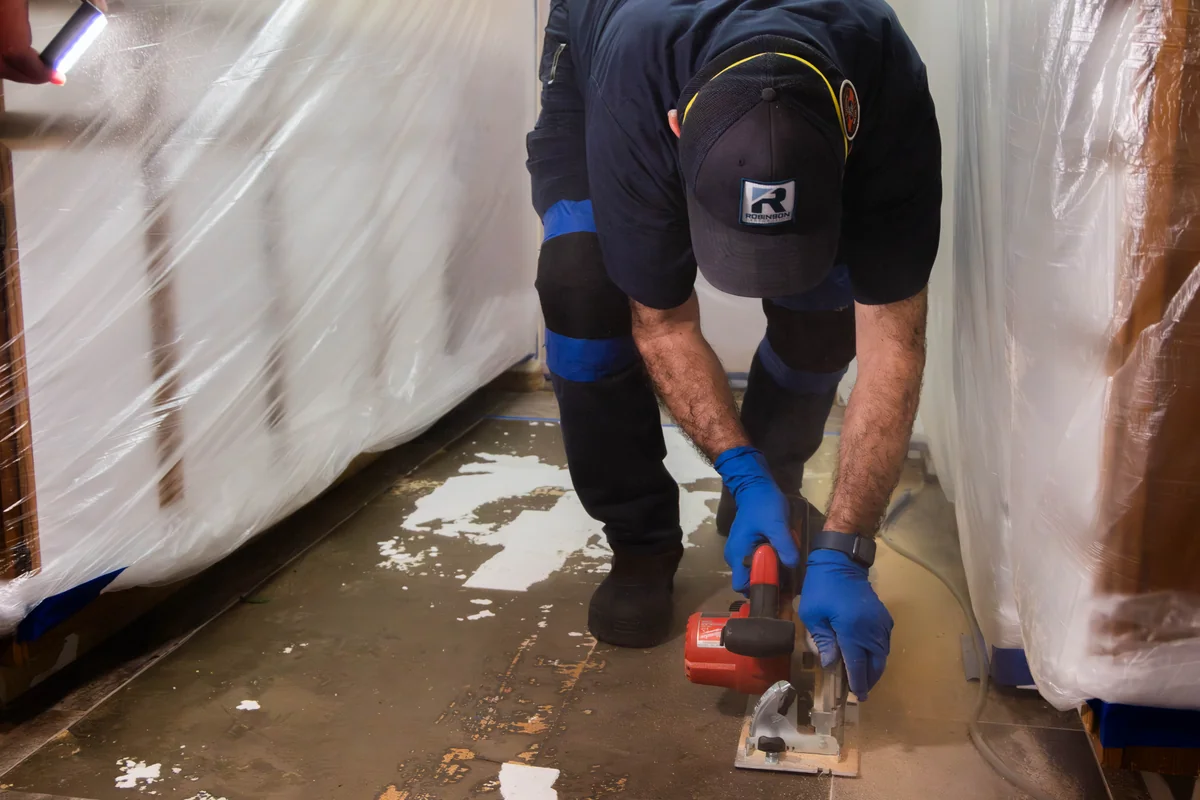
Our dispatcher takes the address, the water source if you know it, and whether power is safe to leave on. We talk you through shutting off supply at the main. Crews serving University Place stage equipment for the job type while they roll, with a target of on-site in 90 minutes. Extraction starts on arrival, and containment goes up before any demolition so the mess stays in one part of the house.
We manage it. Robinson handles mitigation directly, then coordinates the rebuild through vetted licensed contractors and our sister companies, so drywall, paint, flooring, and cabinetry get scheduled off the same file instead of you chasing three trades. You approve the scope before anything is ordered, and we keep your University Place claim documentation attached to the repair estimate the carrier receives.
Faster than most people expect. Interior humidity in University Place homes sits high from late fall through early spring, so wet gypsum and framing can support growth inside two or three days. That is the reason we push to get air movers and dehumidifiers running the same day rather than waiting on an adjuster. Drying early is what keeps a water claim from turning into a remediation claim.
Water spreads while you decide. Call now and we'll start extraction in University Place today.
Licensed · Insured · IICRC Certified · Serving Washington & Oregon