Robinson Restoration is an IICRC-certified water damage restoration company serving Tacoma, WA. Crews dispatch 24 hours a day, arrive on-site in 90 minutes or less, document the readings and photos your carrier needs, and bill your insurance directly on covered claims.
Tacoma is a city of hills, and gravity decides where water ends up. A leak that starts in a North End attic can finish in a basement two floors down. Our crews know this housing stock: Craftsman bungalows, brick apartment buildings, converted downtown lofts. Robinson Restoration answers 24/7.
Much of Tacoma's housing went up between 1900 and 1930, which puts original galvanized supply, cast iron waste stacks, and clay side sewers well past their expected service life. Many of those homes sit over unfinished basements cut into hillsides, where seepage arrives every winter through the uphill wall. Rain here falls in long, soaking stretches from November into March rather than in short bursts, so a slow leak has months to work before it announces itself.
Dispatch is live 24 hours a day through our Kent operations center, and Tacoma sits in the heart of our Pierce County coverage. Technicians carry IICRC S500 certification and treat documentation as part of the job: moisture maps, thermal imaging, daily readings, equipment logs, and photos of every affected area. We bill your carrier directly on covered losses, so you handle a deductible. On multi-unit buildings, we coordinate with owners, managers, and tenants so the work does not stall.

Tacoma calls reach a live dispatcher any hour, and a crew gets assigned before you finish describing the damage.
24 hours a day, 7 days a week, our crews dispatch the moment you call and start mitigation the same visit. Call dispatch or message us for immediate help.
We stop further damage with commercial extraction, structural drying, and antimicrobial treatment, and we walk you through the entire insurance claim as we work.
We manage your rebuild to pre-damaged condition through our trusted network of licensed contractors and sister companies. One manager, one timeline.
Bungalows and foursquares across the North End, Hilltop, and the East Side share the same aging systems: galvanized supply that closes up with corrosion, cast iron drains that crack at the hub, and plaster walls that hold water without showing a mark. We map moisture before opening anything, because pulling original fir trim and plaster is a decision you cannot undo.
Tacoma's slopes mean many houses have a basement dug into a grade, with living space on the downhill side. Winter rain saturates the soil above and pushes through foundation walls, old footing drains, and cold joints. Finished basements suffer the most, since carpet, framing, and drywall sit right against concrete that stays wet for months.
Multi-family and converted commercial buildings turn one unit's failure into three units' problem. Water runs along joists, drops through ceiling penetrations, and shows up two floors below the source. Sorting out HOA responsibility, building policy, and individual unit coverage takes documentation. We map the path the water actually traveled so nobody is guessing about scope or fault.
Tideflats warehouses, shops, and offices near the Port of Tacoma bring their own challenges: large slabs, fire suppression lines, and operations that cannot just stop for three days. We schedule around production, contain affected areas, and monitor concrete moisture rather than assuming a dry surface means a dry slab. Business interruption documentation gets built as we go.
Most of the losses we run in Tacoma start one of three ways: burst and leaking pipes, sewage backups, and appliance failures. Here is why each one happens here, and what it takes to dry it properly.
Original galvanized supply lines in Tacoma's pre-1930 houses corrode from the inside until a pinhole or a split opens inside a wall. Plaster and lath absorb the water quietly, so the first sign is often a buckled floor.
Clay and cast iron side sewers under the older neighborhoods take root intrusion at every joint. A blockage during a long winter storm backs contaminated water up into basement drains and lower-level fixtures.
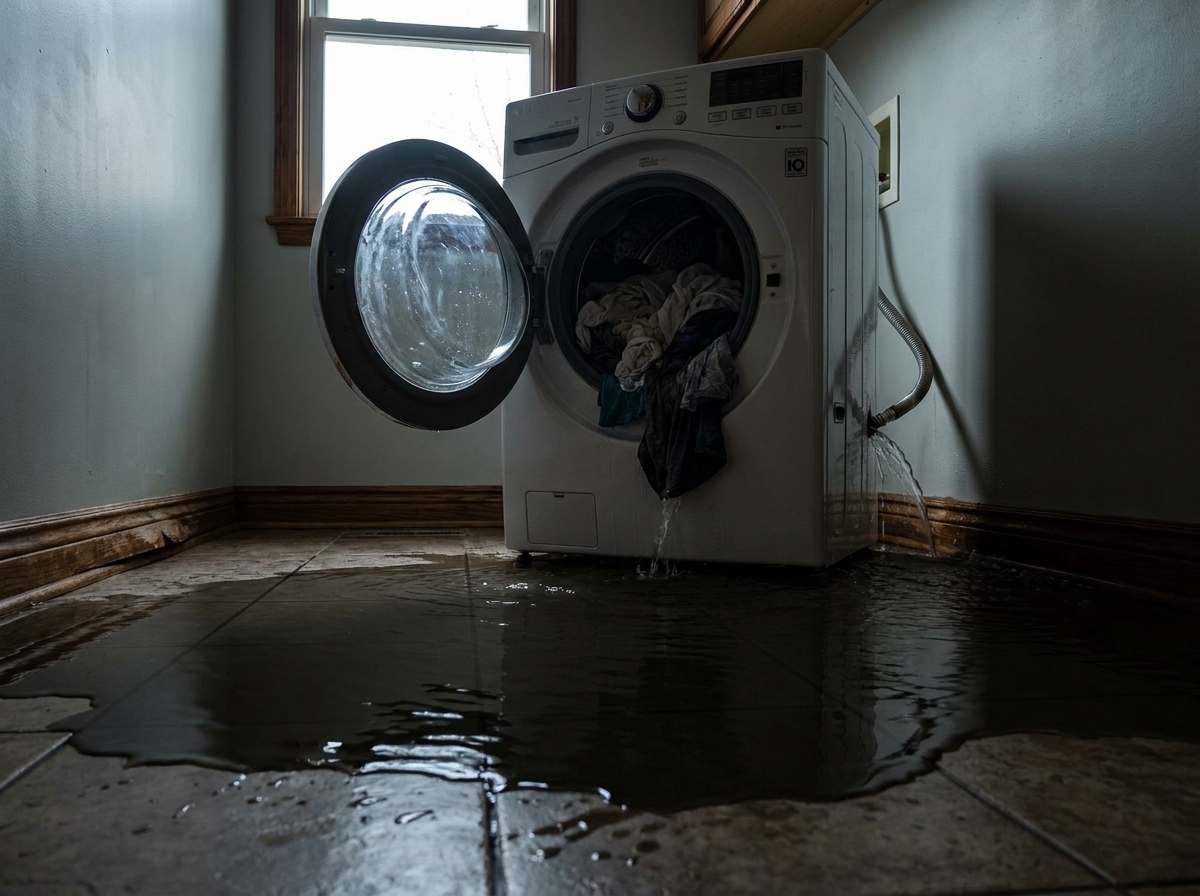
Apartment and condo laundry stacked above living space turns a failed washer hose into a three-unit loss. Water follows joists, then drops through ceiling penetrations well away from the unit where it started.
Grand early-1900s houses on the bluff above Commencement Bay, many split into apartments with stacked kitchens above.
Late-1800s and early-1900s houses on narrow lots, many now rentals where a slow leak goes unreported for weeks.
Homes from the 1920s under a dense fir and maple canopy, where blocked gutters push winter rain over the eaves.
Tacoma's oldest housing steps down a slope toward the bay, and century-old additions leak first at their roof transitions.
New mixed-use buildings now sit beside century-old houses, so one supply failure can involve two very different structures.
Postwar ramblers and split-levels near the Narrows, most built over shallow crawlspaces that trap water under the floor.
Bungalows and mid-century homes on flat gravel outwash, where a slab or crawlspace leak spreads sideways fast.
Modest older homes on steep streets above the Puyallup River valley, with water heaters and laundry on tuck-under lower levels.
Subdivisions built from the 1970s onward on the ridge above the tideflats, where aging plastic supply lines fail without warning.
Most people hire a restoration company on the worst day of their year, with water still on the floor and no time to compare options. A few questions sort out the serious companies from the rest. Ask them before you sign anything.
Washington requires restoration and repair contractors to register with Labor and Industries, and the state's lookup tool shows the bond, the liability coverage, and any history behind a company name. Ask for the registration number before work starts. A company that hesitates on that question has told you something.
Some local-looking numbers ring into a national call center that shops the job to whoever answers. Ask where the crew dispatches from, who employs the technicians, and what the response commitment actually is overnight and on weekends. In Tacoma that answer matters at two in the morning, when a scheduled crew beats a lead form.
IICRC certification covers water restoration, applied structural drying, and mold remediation as separate credentials, and it belongs to individual technicians rather than to a logo on a truck. Ask which certifications the crew lead holds. Tacoma housing runs from lath and plaster to engineered flooring over slab, and those two dry on completely different timelines.
Ask what the file looks like when the job closes: moisture maps, daily readings, equipment logs, photos of every affected area. Find out who talks to the adjuster, you or them. Then get the scope and the schedule in writing before the first fan turns on.
Run those questions past us and past anyone else you call. We answer them the same way at midnight as we do at noon, on every Tacoma loss we take.
Water is how most losses start. It’s rarely where they end. The same local crew handles all of it.
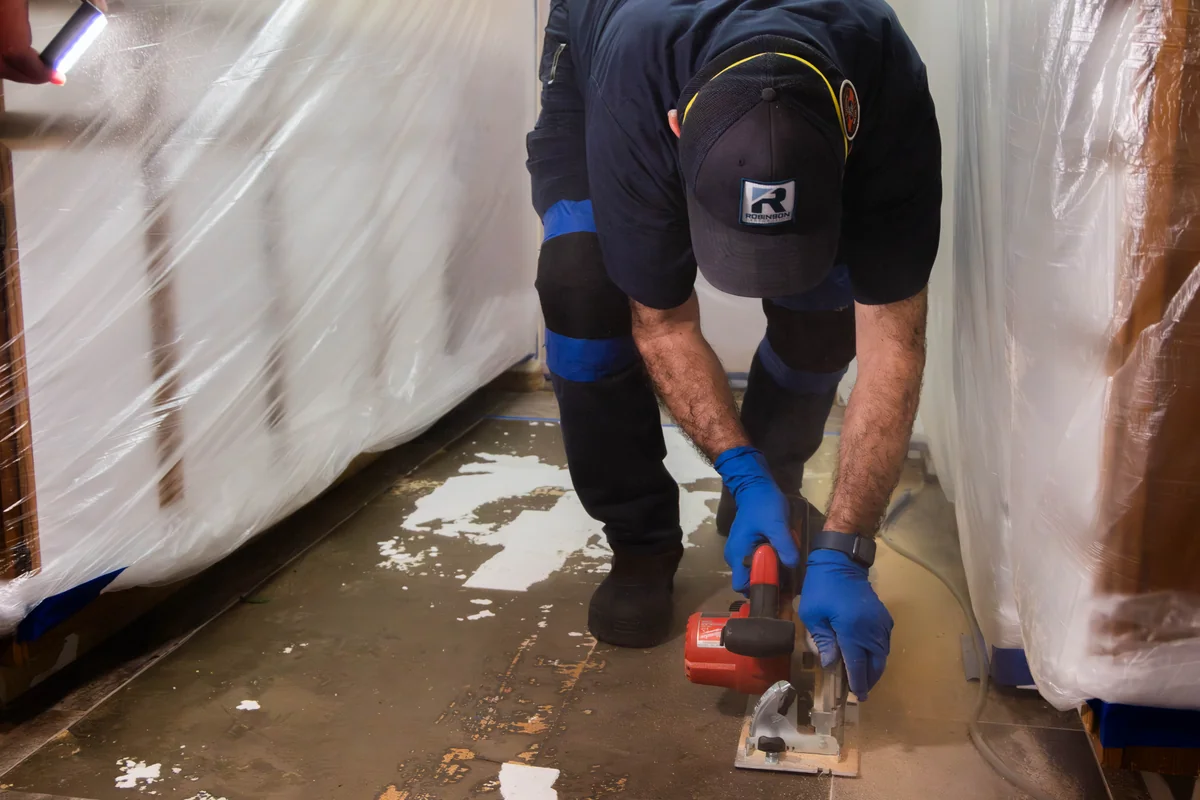
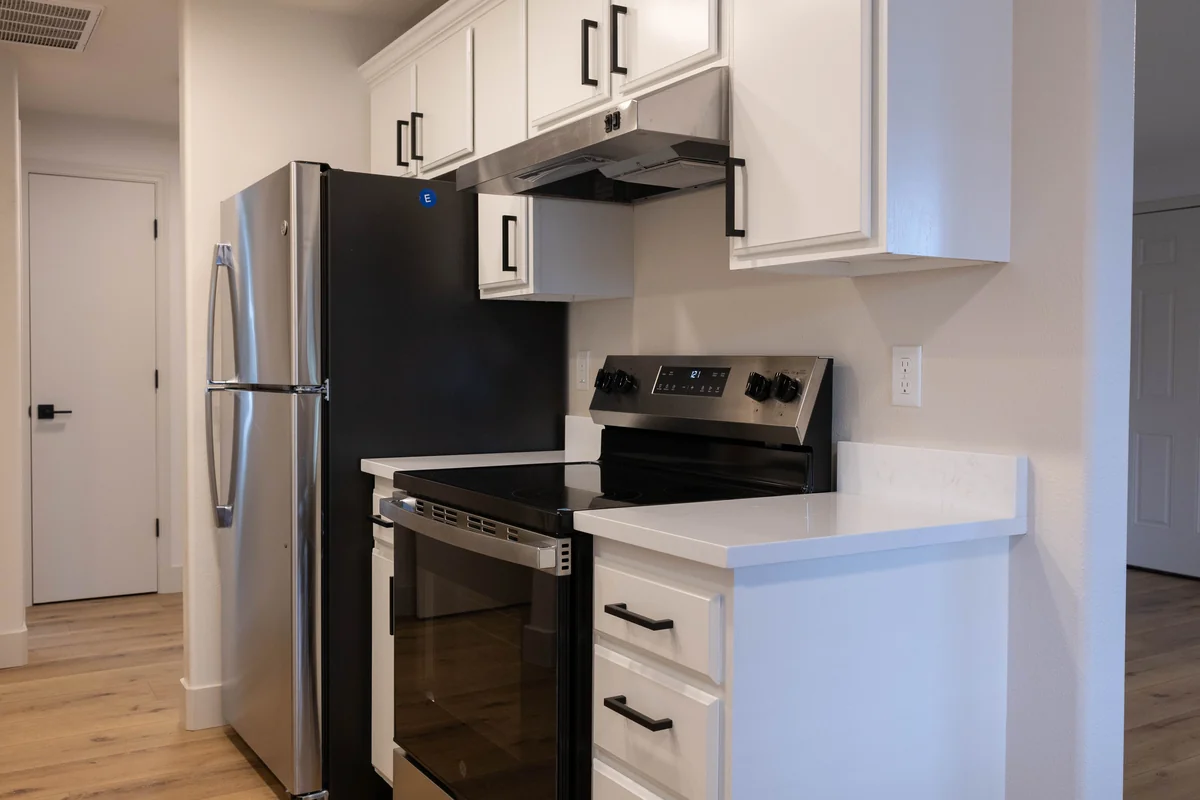
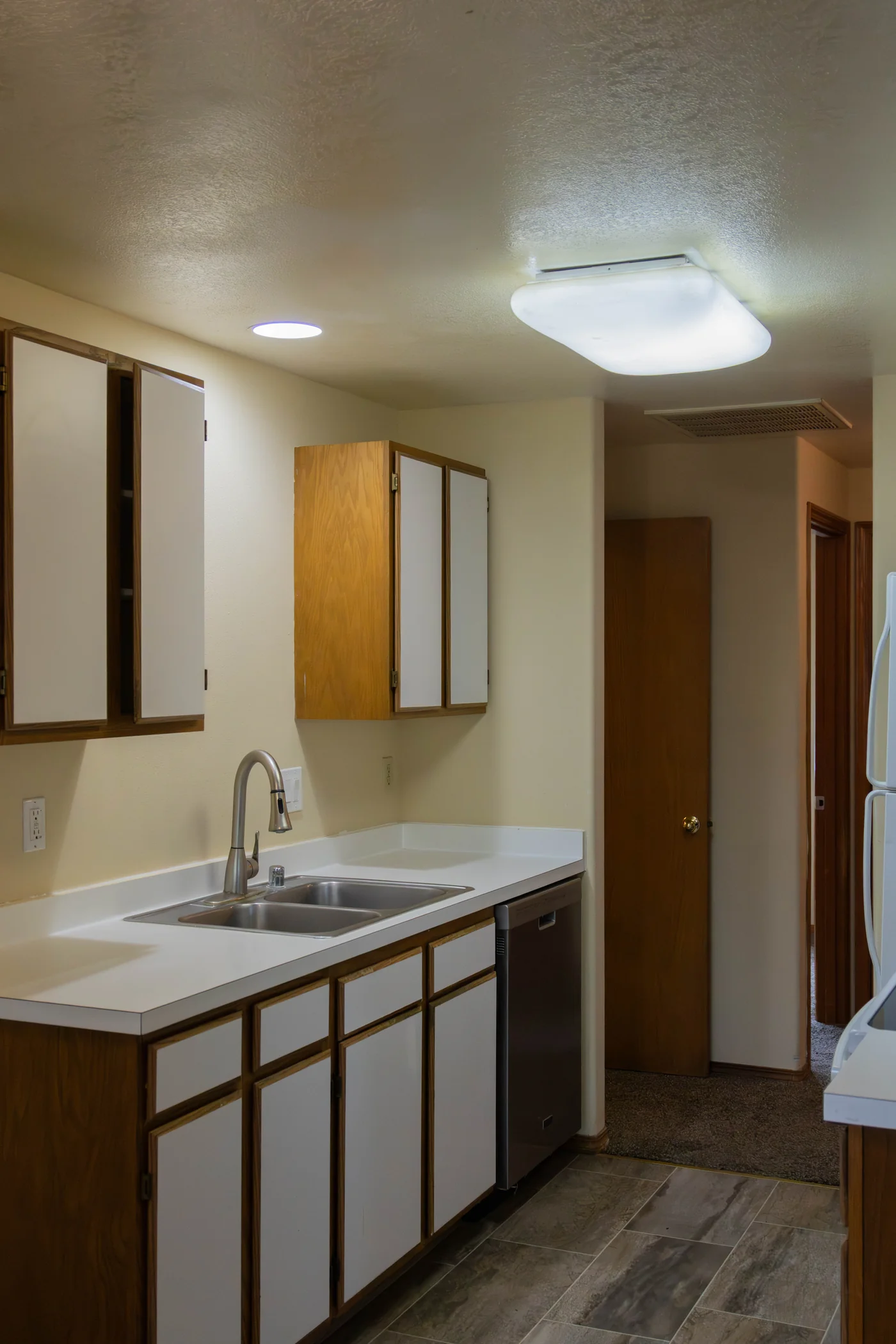
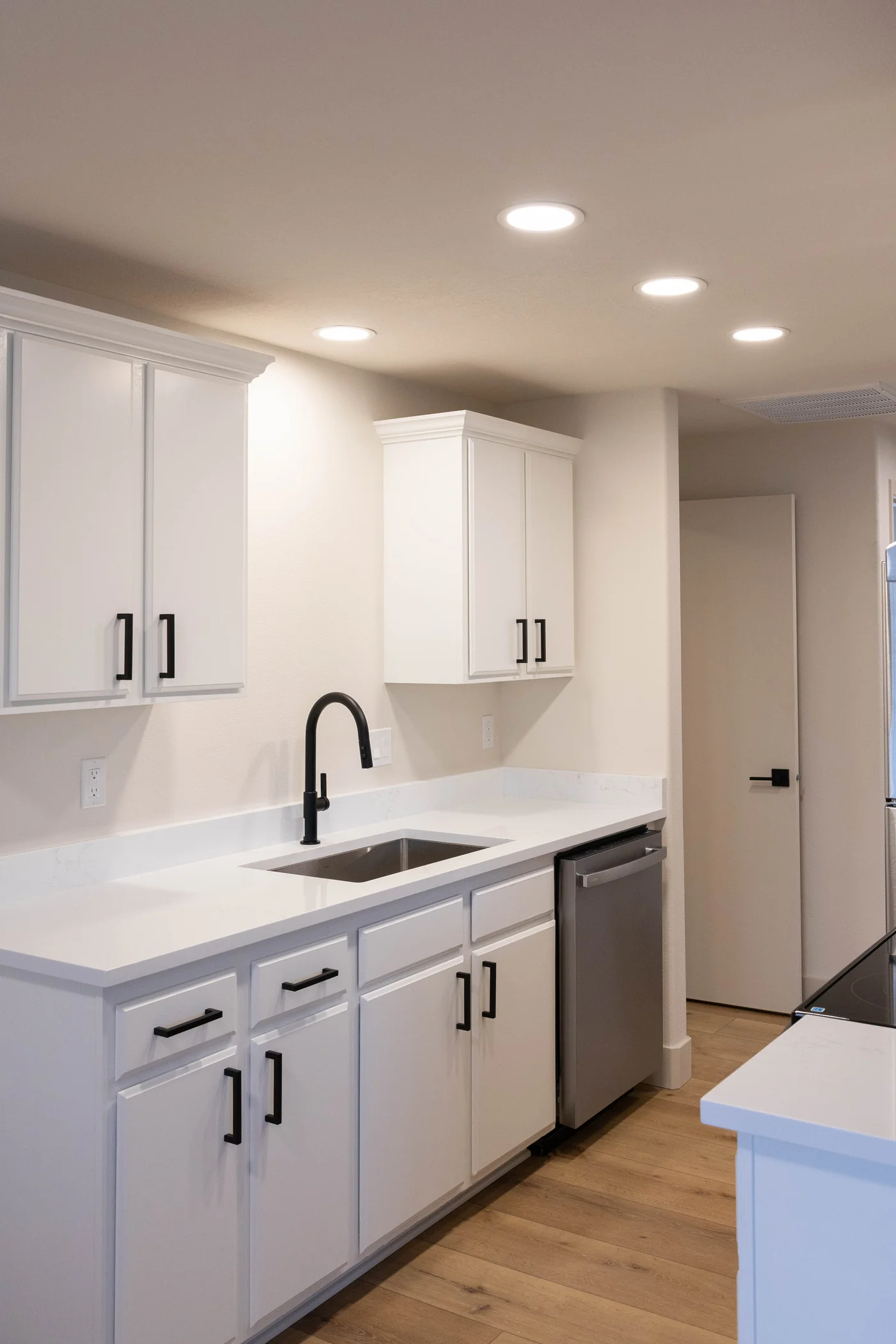
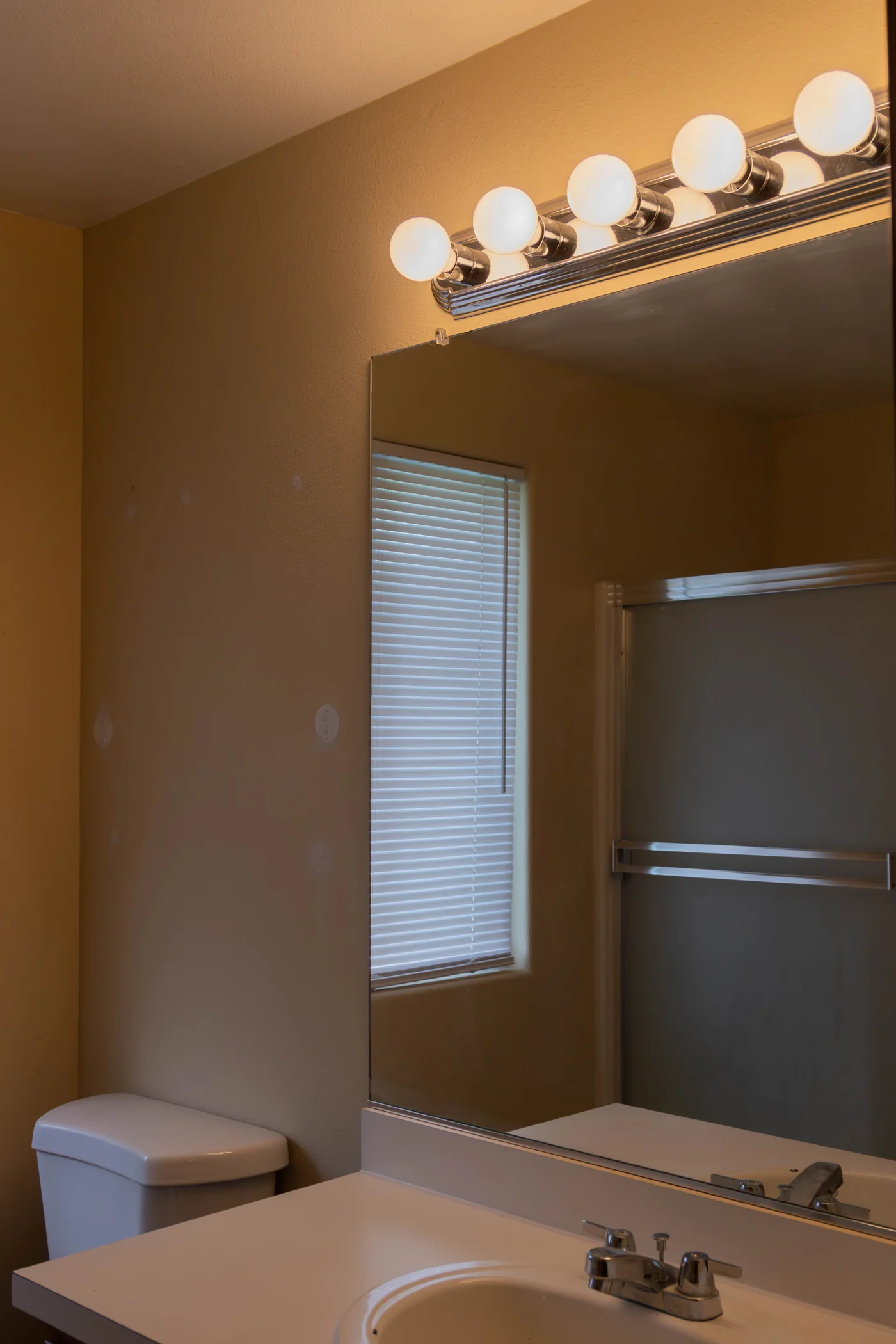
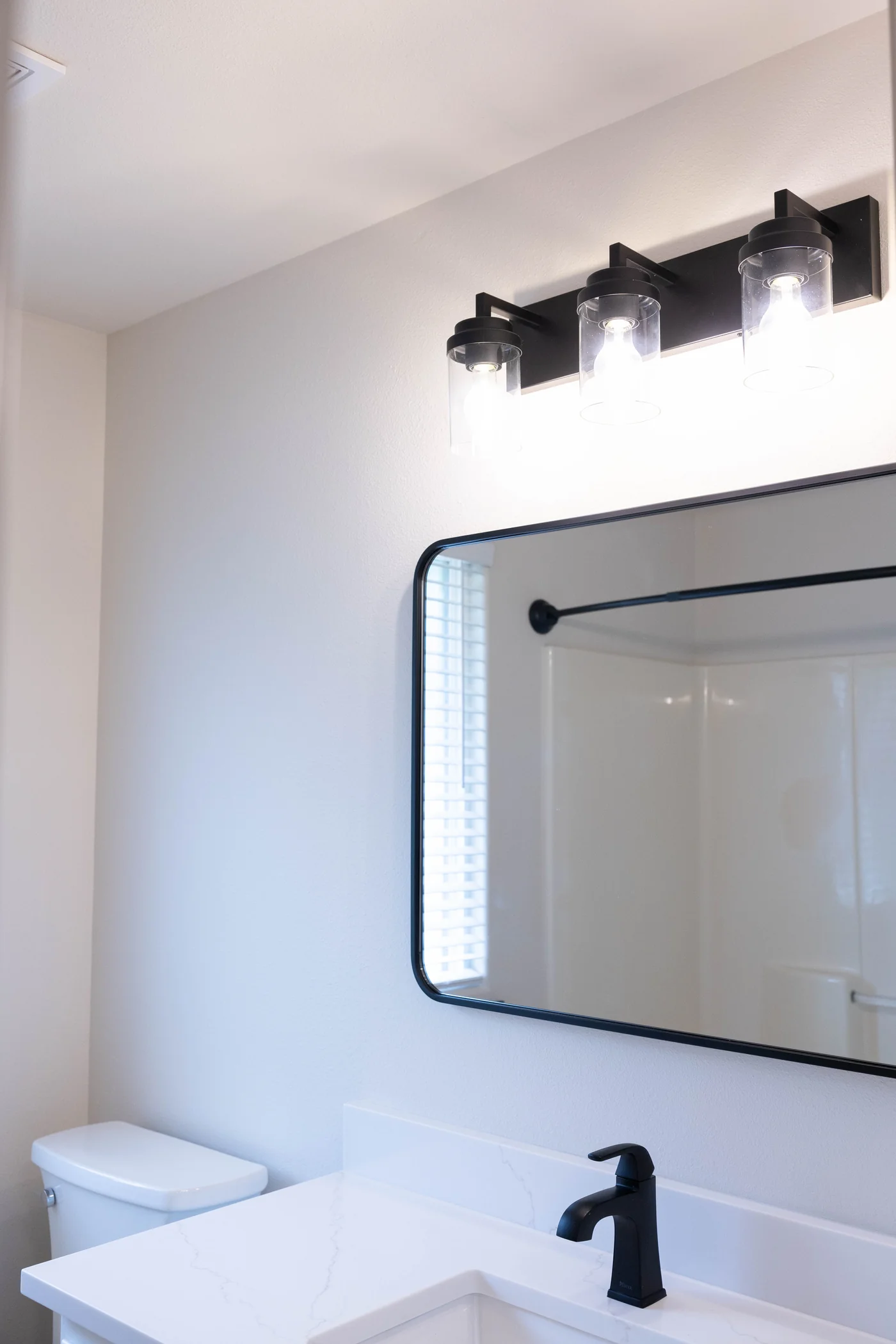
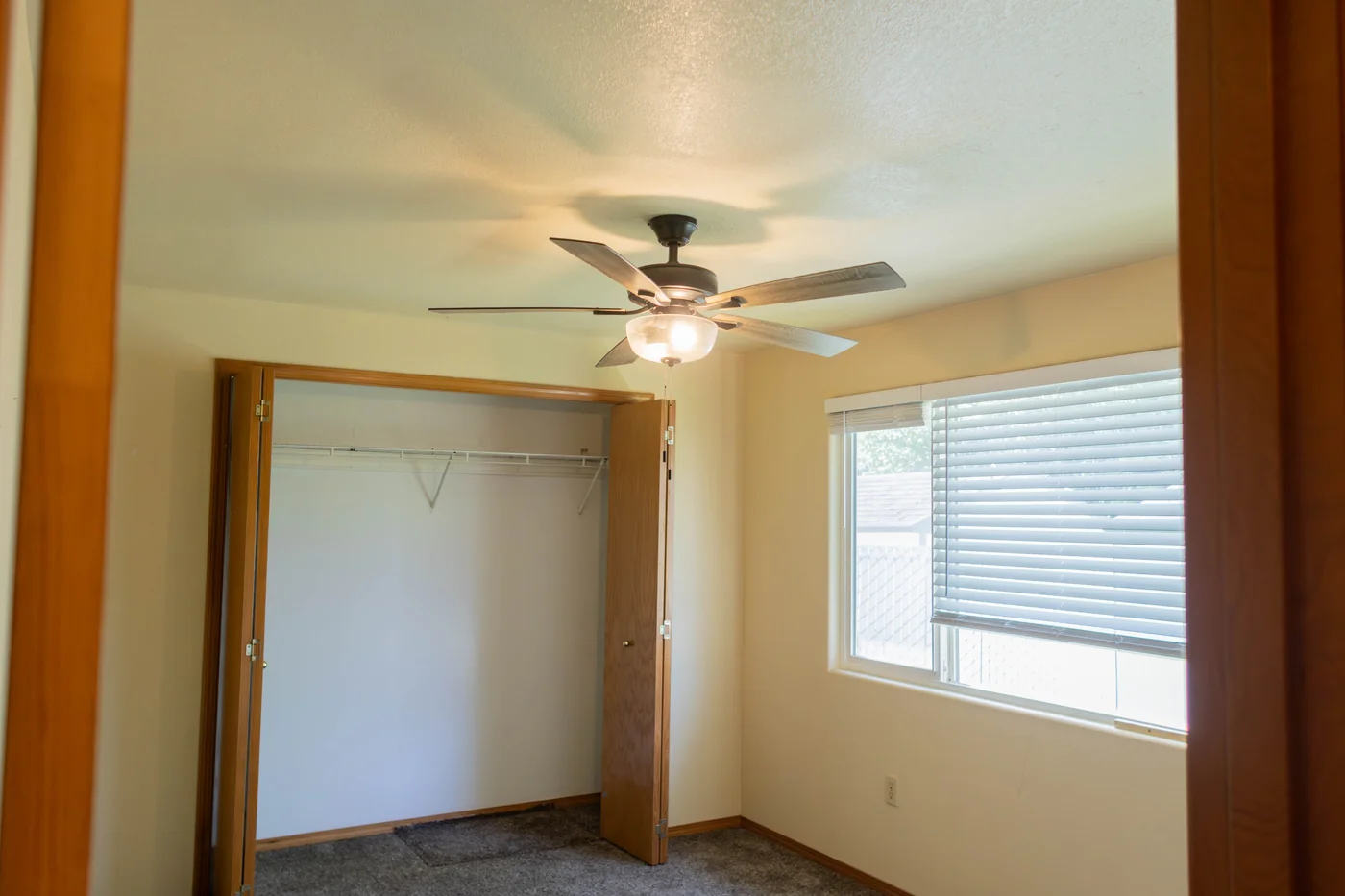
Three real projects, photo-documented for the insurance carrier. Drag each handle to compare.
“Kyla and Jake were super friendly and knowledgeable. Jake was at my house 90 minutes after I called and did a free inspection. I won't need their services this time, but I will definitely call them if I ever have to deal with water damage.”
Carmen Otten · Google Review
“Had a leak in our wall and our plumber recommended Robinson Restoration to handle remediation of the water damage. Christian and Adolfo were awesome. Great communication throughout the setup of the containment area and installation of the equipment to start the drying process.”
Won Lee · Google Review
“We recently had an unfortunate plumbing issue that led to some significant flooding issues. On the recommendation of our plumber we reached out to Robinson Restoration to help us with drying out our house and getting it ready to be put back together.”
Don Warner · Google Review
In Washington, you choose your restoration contractor, and your carrier can’t penalize you for it. We document every Tacoma loss with moisture maps, photos, and daily readings, then bill your insurer directly. You pay your deductible. That’s it.
Subject to policy coverage and deductible. We handle the paperwork, photos, and adjuster calls.
There's a Robinson crew assigned to Tacoma, so the answer is yes. Phones are staffed 24/7 by people who dispatch trucks, and those trucks carry extraction units, air movers, and dehumidifiers ready for basements, crawlspaces, and older wood framing. We bill insurance directly and keep the documentation an adjuster needs, which keeps your claim moving.
Seepage through foundation walls is normally treated as a maintenance or drainage issue rather than a sudden covered loss, and that surprises a lot of Tacoma homeowners with hillside basements. A failed sump pump is sometimes covered if you carry the right endorsement. We dry the space either way and document the source clearly, since the cause is what decides if your carrier pays or you are covering a drainage repair yourself.
No. Old Tacoma homes are worth protecting, and demolition is the last option rather than the first. We use thermal imaging and pin meters to locate the wet area, then create small access points, dry the cavity, and preserve fir trim, casings, and plaster where the readings allow it. Anything that has to come out gets photographed and documented so it can be replaced in kind.
Call us and your building manager at the same time. In Tacoma condos and converted lofts, the building policy usually covers structure while your unit policy covers finishes and contents, with the HOA declaration setting the line. We start mitigation to stop the spread, then map exactly where the water traveled. That map is what keeps two or three carriers from arguing over scope for a month.
Live dispatch answers 24 hours a day, and our target for Tacoma is on-site in 90 minutes or less. Before we get there, find your main shutoff and close it, and turn off power to affected circuits if the panel is dry and safe to reach. Move electronics, rugs, and anything paper off wet floors. Those minutes matter more than most people realize.
We work with every major carrier and bill directly on covered losses, so most Tacoma customers pay their deductible and nothing else. Our files include moisture maps, daily readings, equipment logs, and full photo documentation in the format adjusters and estimating platforms expect. If your adjuster wants additional detail or a second look, we handle that conversation instead of handing it to you.
We verify with readings that the structure is actually dry, then move into repairs. Robinson manages the rebuild through vetted licensed contractors and sister companies, so drywall, flooring, paint, and cabinetry get scheduled and supervised without you making a dozen calls. On older Tacoma homes we push for matching materials rather than the fastest substitute, and the carrier sees consistent documentation across both phases.
Every hour water sits, Tacoma drywall and framing take on more damage. Call us now.
Licensed · Insured · IICRC Certified · Serving Washington & Oregon