Robinson Restoration is an IICRC-certified water damage restoration company serving Brownsville, OR. Crews dispatch 24 hours a day, arrive on-site in 90 minutes or less, document the readings and photos your carrier needs, and bill your insurance directly on covered claims.
Brownsville is the oldest town in Linn County, and it still looks it, block after block of nineteenth-century wood-frame houses along the Calapooia. Old buildings and old plumbing go together. When a line lets go or the river comes up, our crews respond 24/7, on-site in 90 minutes or less.
This is farm country: grass seed, hay, and cattle on the ground between the Calapooia and the Cascade foothills. A lot of homes out here run on private wells and septic, with pump houses, pressure tanks, and long runs of exposed line that freeze the first hard week of December. In town, the historic houses sit on post-and-pier foundations with dirt crawl spaces that stay wet from October to May.
Our Eugene-area crews cover the southern valley and rural Linn County around the clock. Every job starts with moisture mapping and a documented scope, because a claim on a rural property with outbuildings needs to be clear about what got wet and when. We work to IICRC S500 standards, log readings daily, and bill your carrier directly. Rebuild work is managed through licensed contractors and sister companies, never subbed out blind.

Rural addresses take longer to find than they should, so we confirm gate codes and driveway access on the call before a Brownsville truck rolls.
24 hours a day, 7 days a week, our crews dispatch the moment you call and start mitigation the same visit. Call dispatch or message us for immediate help.
We stop further damage with commercial extraction, structural drying, and antimicrobial treatment, and we walk you through the entire insurance claim as we work.
We manage your rebuild to pre-damaged condition through our trusted network of licensed contractors and sister companies. One manager, one timeline.
Brownsville's historic homes have been re-piped in pieces over a century, which means one wall holds copper, the next holds galvanized, and somewhere there's a stub of old iron feeding a hose bib. Mixed metals corrode at the joints. When one lets go behind lath and plaster, water runs the length of a floor joist before you see a stain.
The Calapooia drains a steep foothill watershed, so it rises fast and drops fast. A warm December storm on melting snow up-drainage can put water over low pasture and into shop buildings within hours. Properties on the flat near the river deal with saturated ground long after the channel drops back, which is what actually gets into crawl spaces.
Out on the acreage, the failure points aren't where city homeowners expect. A cracked pressure tank floods a pump house. A stuck float runs a stock waterer all night. Septic backs up into a laundry room during a wet stretch when the drain field can't take another gallon. We dry shops, barns, and manufactured homes with the same documentation as the main house.
Brownsville sits high enough against the Cascade foothills to run colder than the valley floor on a clear night, and rural power goes out more often out here. An unheated house with the water still on is the classic setup: the line splits at the coldest point, then thaws and runs unattended until someone drives out to check.
Most of the losses we run in Brownsville start one of three ways: frozen and split pipes, flooding and groundwater, and roof and storm leaks. Here is why each one happens here, and what it takes to dry it properly.
Exposed lines in pump houses, unheated crawl spaces, and detached shops are the first casualties of a hard freeze out here, and the damage often runs for hours before anyone finds it.
The Calapooia responds quickly to foothill rain, and the flat ground around Brownsville stays saturated well after the river drops. Groundwater then finds its way into dirt crawl spaces and low shop slabs.
Moss takes hold fast on shaded roofs in this part of the valley and lifts composition shingles just enough for wind-driven rain to get under. Old chimney and valley flashing on historic houses is the other usual suspect.
Water is how most losses start. It’s rarely where they end. The same local crew handles all of it.
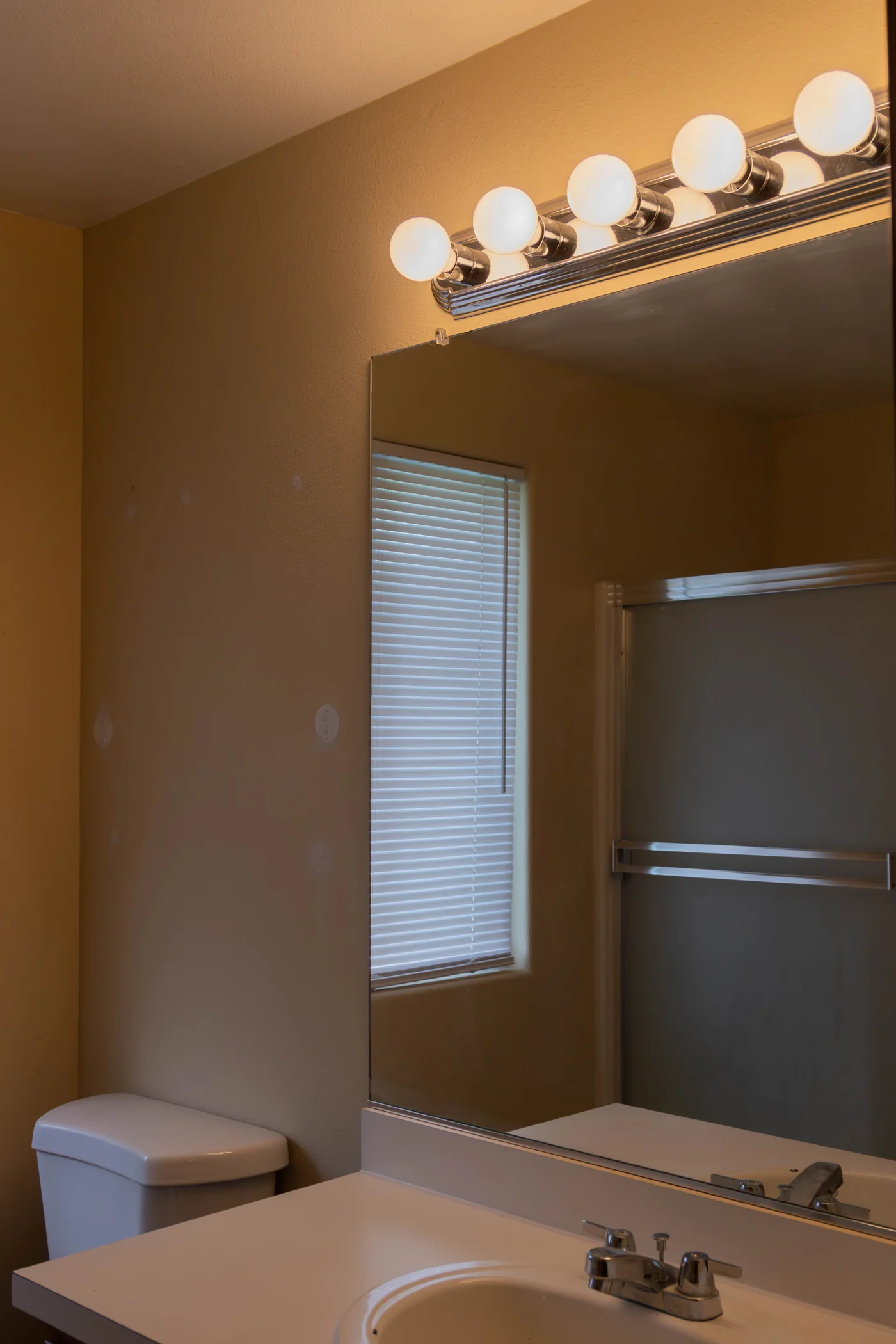
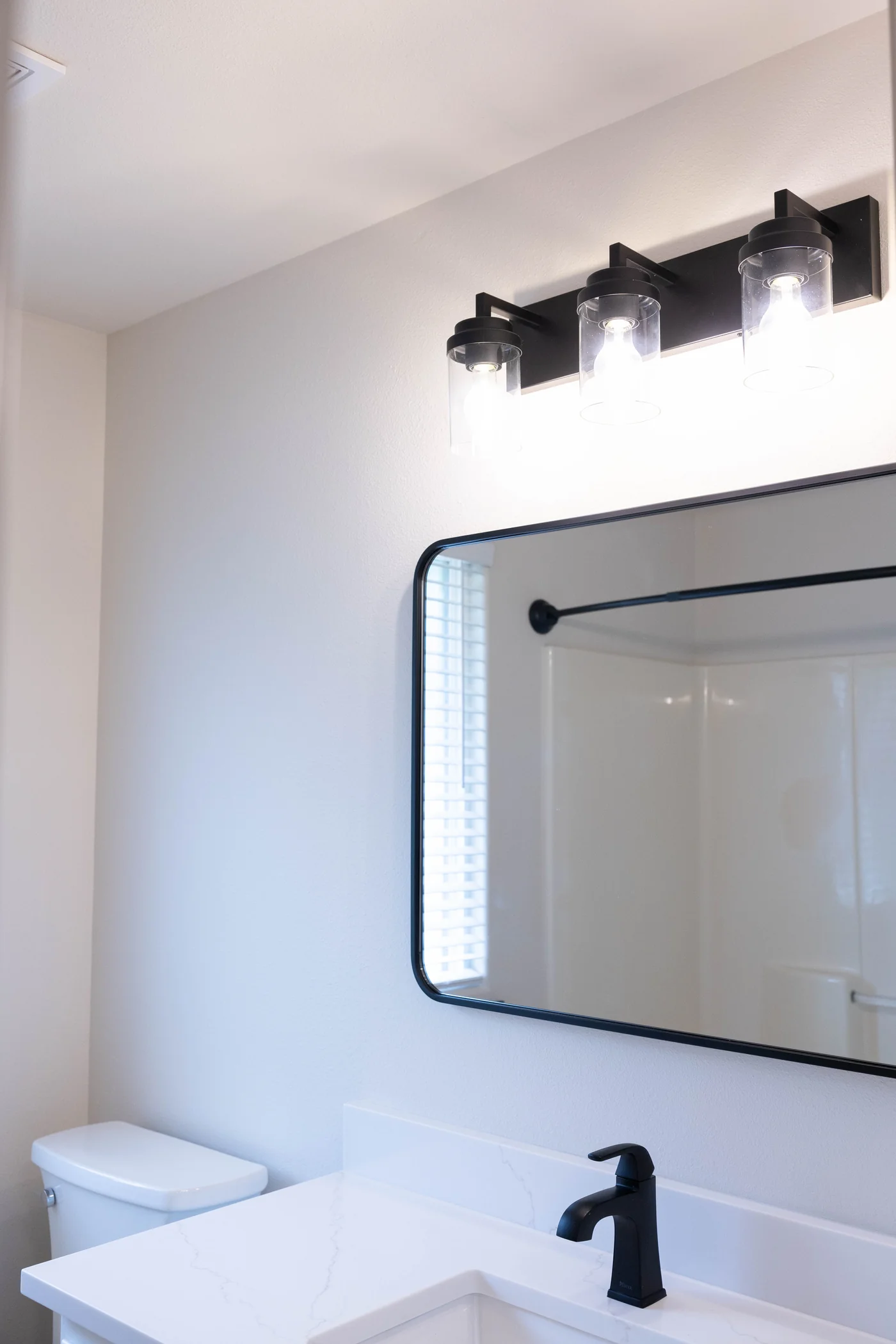
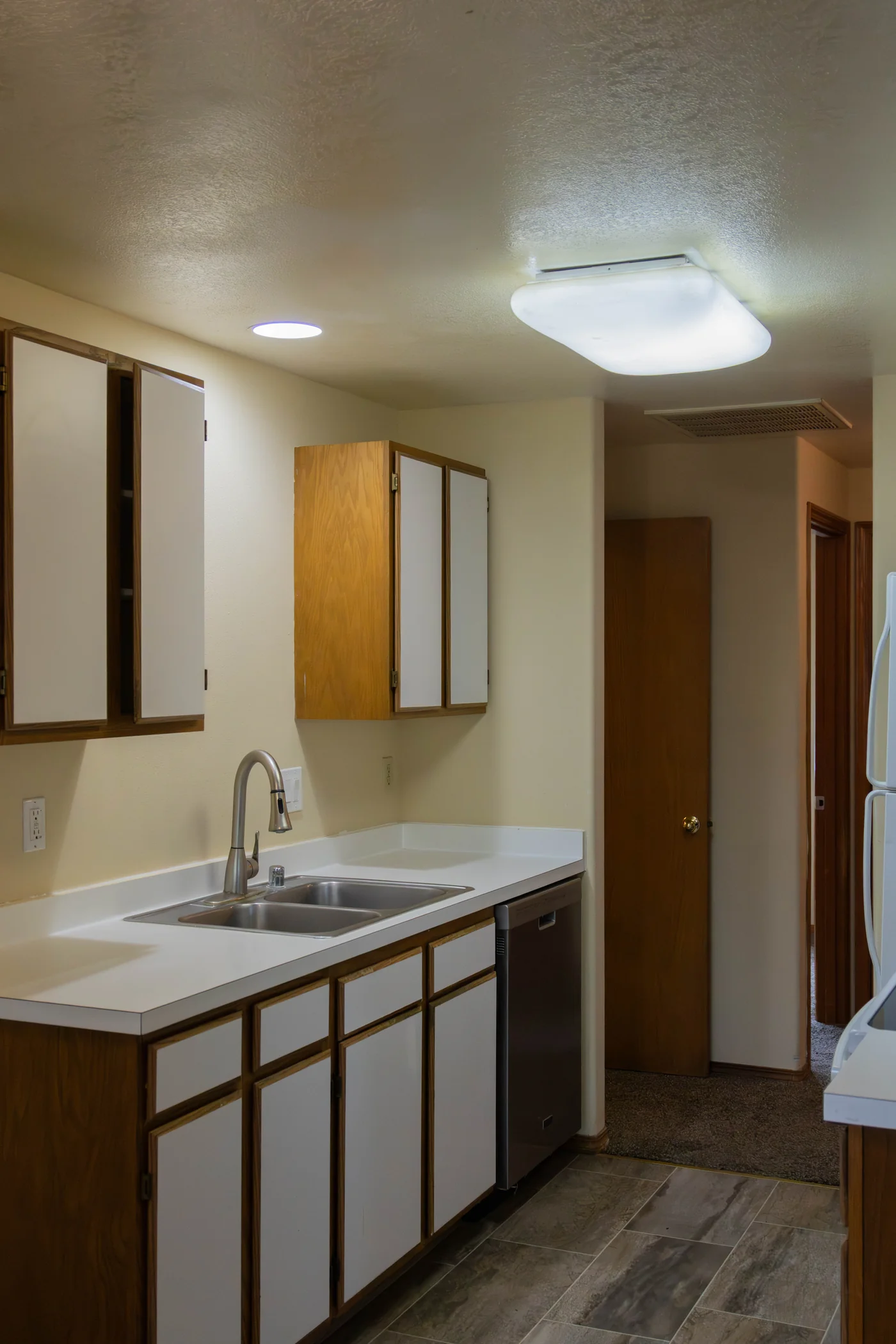
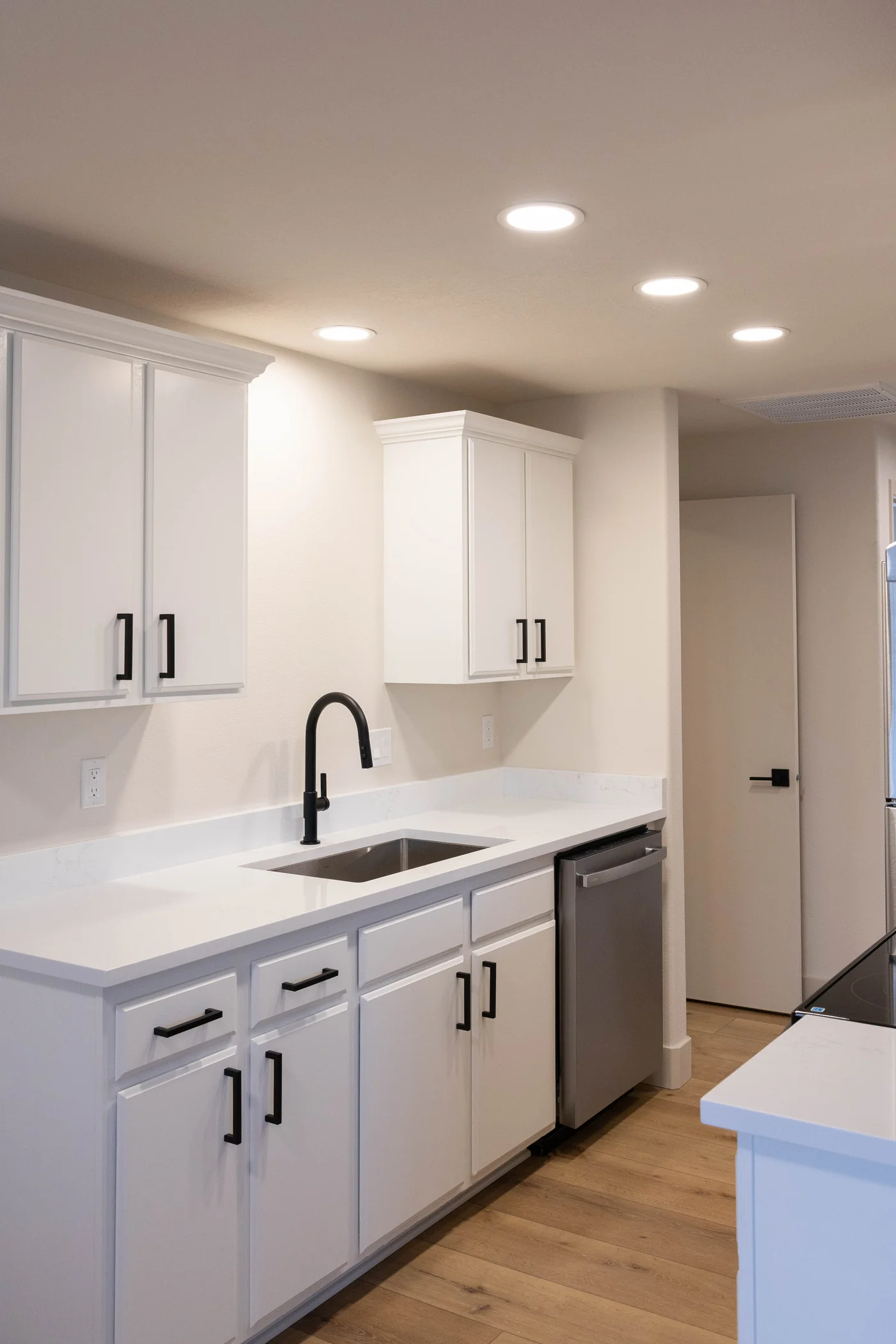
Three real projects, photo-documented for the insurance carrier. Drag each handle to compare.
“We hired Robinson Restoration after a boiler joint failed and leaked what we thought was a small amount of water in our laundry room, but turned out to be more serious than it appeared. They did a fantastic job from first contact to insurance claim approval.”
Randi Covin · Google Review
“We had a major sewer back up a couple of weeks ago, into the laundry room and downstairs bathroom. Panic! We were referred to Robinson Restoration and what a blessing. The whole crew has been wonderful.”
Lynn Dee King · Google Review
“One of the pipes in the shower burst and water damage got all over the roof in the kitchen. As new home owners we were very scared and panicked. We contacted Kelly Farmer from Robinson Restoration and believe me when I say I felt like more than half of my problem was solved.”
Nav Basra · Google Review
In Oregon, you choose your restoration contractor, and your carrier can’t penalize you for it. We document every Brownsville loss with moisture maps, photos, and daily readings, then bill your insurer directly. You pay your deductible. That’s it.
Subject to policy coverage and deductible. We handle the paperwork, photos, and adjuster calls.
Older farmhouses and historic homes near the Calapooia can hold water in places a shop vac never reaches, which is why Brownsville calls route to our mid-valley crew. The dispatch line is answered day and night. Trucks carry extractors, air movers, and dehumidifiers, and we set containment before drying starts. Every reading is logged for the adjuster, and your insurance company is billed directly.
Yes, and we plan for them. Long gravel driveways, gates, and low bridges all matter when a truck and trailer are coming, so dispatch asks about access while you're still on the phone. Brownsville-area properties with outbuildings, shops, and manufactured homes get the same equipment and the same documented process as a house in the middle of town.
It changes what happens before drying starts. If the pressure tank or a buried line failed, the water may be silty rather than clean, which moves the loss into a different category and changes what materials can be saved. We also have to plan around the pump being off while repairs happen, since flushing and cleaning take water you may not have for a day.
No. Rising water from the Calapooia or any other channel falls under flood insurance, which is a separate NFIP or private policy. Your homeowners coverage handles sudden internal discharge: a burst supply line, a failed water heater, an overflowing appliance. We document the source carefully either way, because the cause determines which policy pays and how the claim gets written.
Shut the main if you can find it, and on a well that means killing power to the pump. Cut power at the breaker to any room holding water. Move what you can lift off wet floors, especially anything on the bottom shelf of a closet. Take photos before you move much. Then leave the rest alone: pulled-up carpet and half-torn drywall complicate the claim.
Often yes. Lath and plaster, board sheathing, and old-growth framing respond well to controlled drying if we start early and get airflow into the cavities through small, patchable access points. Around Brownsville we'd rather drill and dry than demo, both because the materials are worth keeping and because matching century-old trim is expensive. Meter readings decide it, not guesswork.
We manage the rebuild. Robinson coordinates licensed contractors and sister companies through the repair phase, handles the schedule, and keeps one point of contact from the emergency call through the last coat of paint. That structure matters on rural jobs where a single loss can involve a house, a shop, and a well system, each with its own trade.
Standing water doesn't wait for business hours. Reach us any time and a Brownsville crew gets moving.
Licensed · Insured · IICRC Certified · Serving Washington & Oregon