Robinson Restoration is an IICRC-certified water damage restoration company serving Preston, WA. Crews dispatch 24 hours a day, arrive on-site in 90 minutes or less, document the readings and photos your carrier needs, and bill your insurance directly on covered claims.
Preston sits in the Raging River valley with forested hills closing in on both sides, and that terrain sends winter rain downhill toward houses. Mill-era cottages, hillside builds, and newer homes tucked in the trees each handle it differently. Robinson takes calls here around the clock.
Steep ground above and a river below is a hard combination in a wet winter. Water sheets off the hillsides, saturates soil that was already full, and finds daylight basements, crawl vents, and footing drains never sized for that volume. The housing mix runs from small mill-town homes with decades-old plumbing to newer construction set back in the timber, where heavy canopy keeps roofs damp and moss steadily working at the shingles.
Our dispatch runs 24/7 and the Kent operations center covers the I-90 corridor communities year-round. Crews scope with thermal imaging and meters, because hillside water almost never shows up where it entered. Everything gets photographed and logged daily, we bill your carrier directly, and drying follows IICRC S500. If the loss requires rebuild work, Robinson manages that through vetted licensed contractors and sister companies rather than handing you a list of numbers to call.

Preston sits on our regular I-90 corridor rotation, so a call at two in the morning gets the same crew response as a Tuesday afternoon.
24 hours a day, 7 days a week, our crews dispatch the moment you call and start mitigation the same visit. Call dispatch or message us for immediate help.
We stop further damage with commercial extraction, structural drying, and antimicrobial treatment, and we walk you through the entire insurance claim as we work.
We manage your rebuild to pre-damaged condition through our trusted network of licensed contractors and sister companies. One manager, one timeline.
Glacial till on these slopes sheds rain instead of absorbing it, so water travels along the surface and just under it until something interrupts the path. That something is often a foundation wall. Daylight basements, garages cut into a slope, and retaining walls take hydrostatic pressure all winter, and the water enters at cold joints and penetrations well below grade.
This is a flashy river in a steep drainage. A warm atmospheric river landing on an existing snowpack can put it up quickly, and low-lying property along the valley floor feels that within hours rather than days. Crawlspaces take on river water and groundwater at the same time, which pushes the loss into a contaminated category and changes what can be dried in place.
Dense evergreen cover keeps Preston roofs shaded and wet for most of the year. Needles pack gutters and valleys, moss lifts shingle edges, and the leak that results is small and persistent instead of dramatic. Water tracks along rafters and shows up as a stain in a room nowhere near the actual entry point, often after the sheathing has already gone soft.
Preston grew up around a lumber mill, and some of that original housing is still standing and still lived in. Small footprints, tight crawls, and supply piping measured in decades. Outside the older core, plenty of property runs on a well and a septic system, which adds failure points a city house never has and changes what a water loss looks like when it happens.
Most of the losses we run in Preston start one of three ways: roof and storm leaks, flooding and groundwater, and sewage backups. Here is why each one happens here, and what it takes to dry it properly.
Heavy timber canopy, constant winter rain, and moss on north-facing slopes keep Preston roofs from ever fully drying. Leaks start small at a valley or flashing and run inside the assembly for weeks before anything shows.
The Raging River responds fast to warm rain on snow, and the valley floor has limited room to absorb it. Surface water and rising groundwater reach crawlspaces and lower levels in the same event.
Properties outside sewer service run on septic, and a drainfield in already-saturated ground stops accepting flow. The backup comes up through the lowest fixture and is a Category 3 loss from the first minute.
Water is how most losses start. It’s rarely where they end. The same local crew handles all of it.
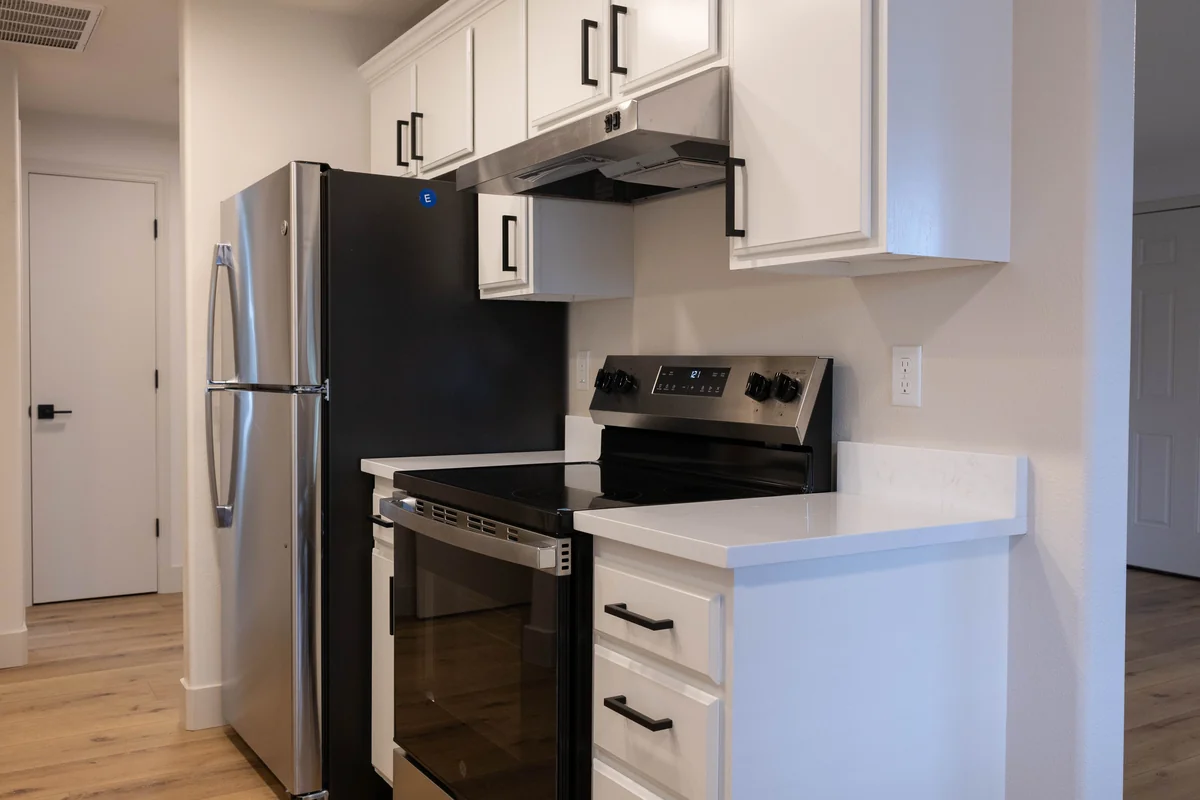
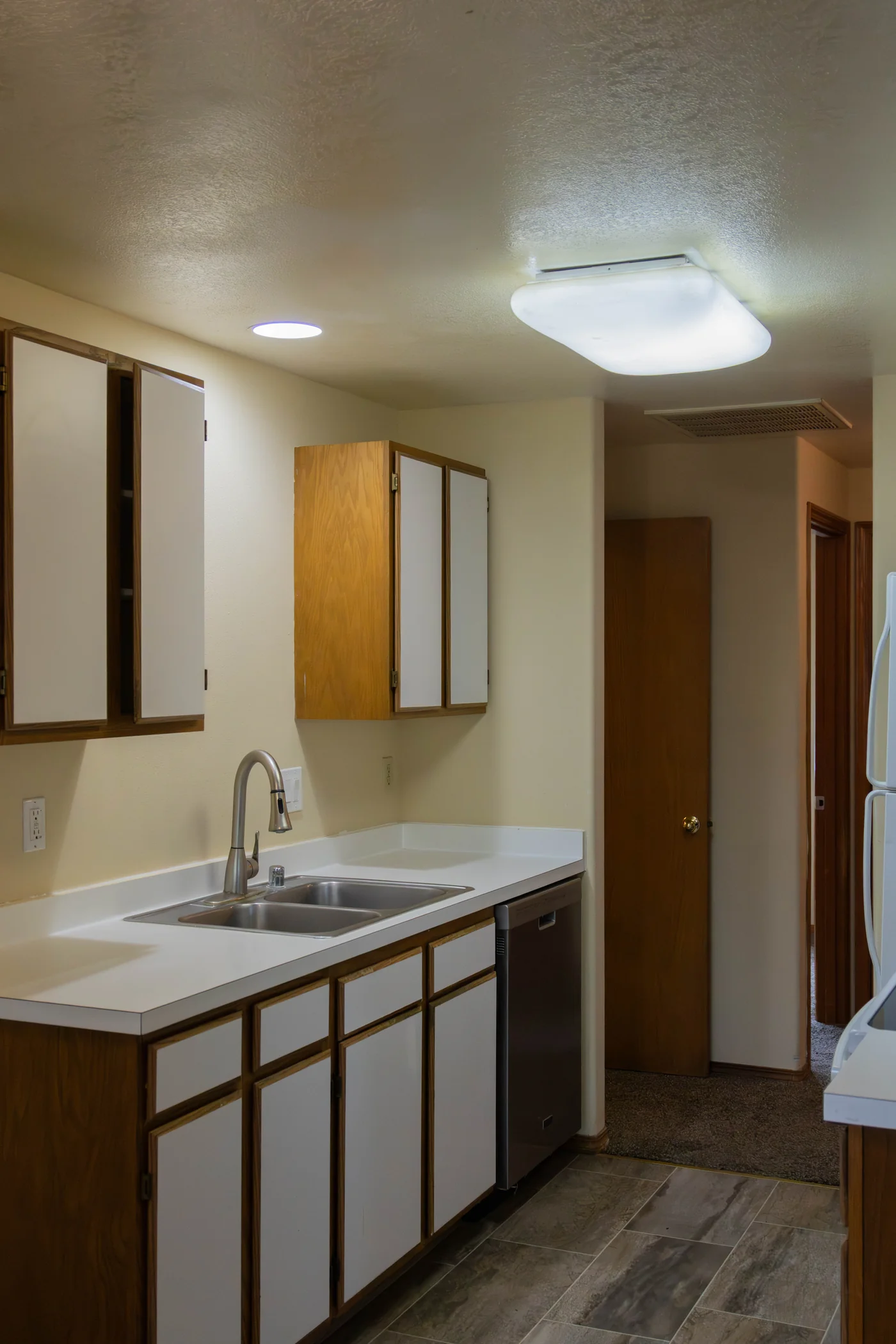
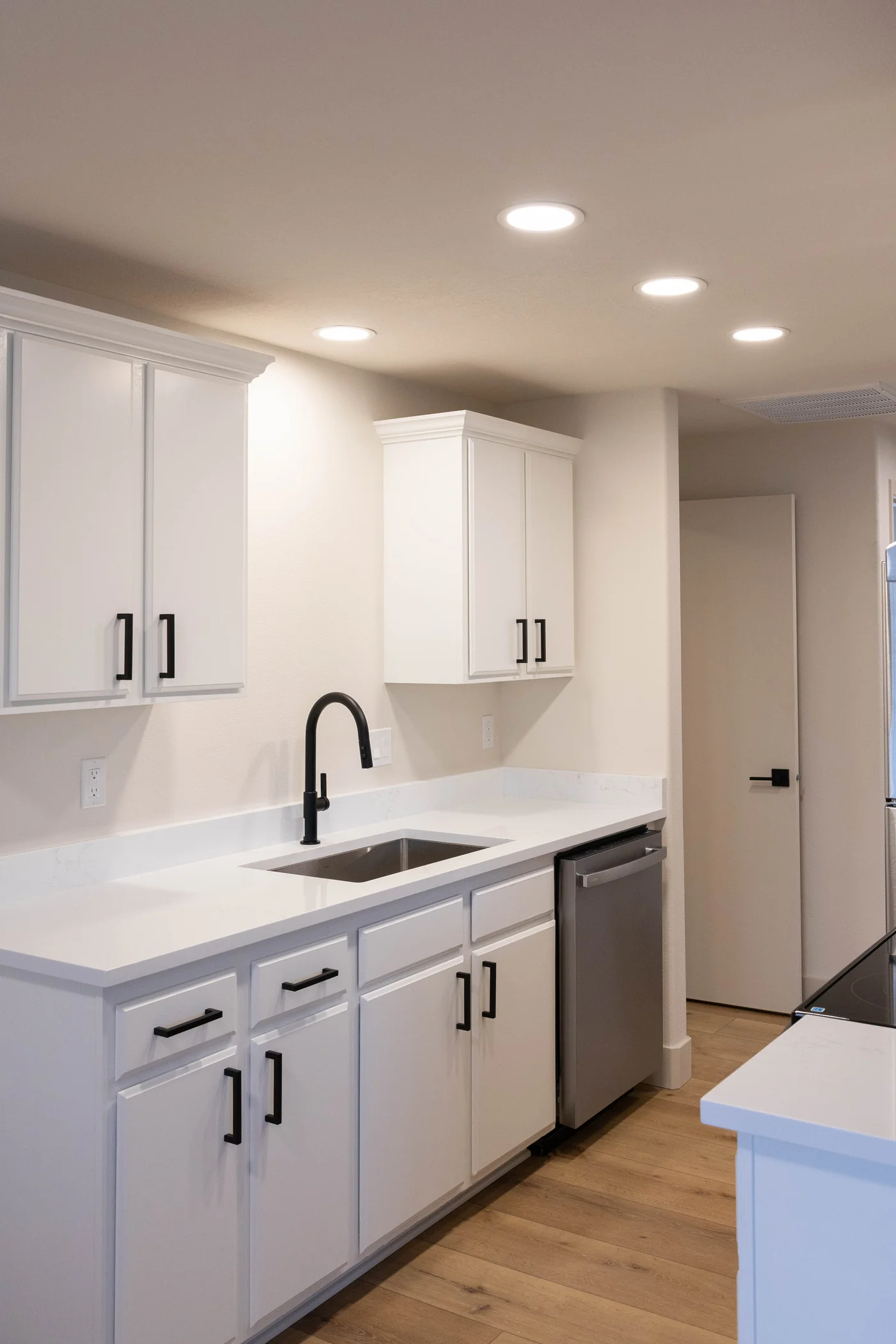
Three real projects, photo-documented for the insurance carrier. Drag each handle to compare.
“Chuck and Cole were very professional, courteous and knowledgeable about their restoration skills including close out processes. I'm really happy they were the two employees assigned to our home.”
Joanna Gamble · Google Review
“We hired Robinson Restoration after a boiler joint failed and leaked what we thought was a small amount of water in our laundry room, but turned out to be more serious than it appeared. They did a fantastic job from first contact to insurance claim approval.”
Randi Covin · Google Review
“We had a major sewer back up a couple of weeks ago, into the laundry room and downstairs bathroom. Panic! We were referred to Robinson Restoration and what a blessing. The whole crew has been wonderful.”
Lynn Dee King · Google Review
In Washington, you choose your restoration contractor, and your carrier can’t penalize you for it. We document every Preston loss with moisture maps, photos, and daily readings, then bill your insurer directly. You pay your deductible. That’s it.
Subject to policy coverage and deductible. We handle the paperwork, photos, and adjuster calls.
Call at any hour and a person answers, then a crew that works east King County heads out to Preston with extraction equipment, air movers, and dehumidifiers already loaded. In most of the area we can be on-site in 90 minutes or less. Wet winters and wooded lots make crawlspace saturation common here, so techs check under the house too. Your insurance carrier is billed directly.
Saturated ground around Preston keeps drainfields from accepting flow, and the backup that follows is contaminated water, so it gets handled as a Category 3 loss. Porous materials that were touched come out: carpet, pad, affected drywall, insulation. We set containment, extract, clean and apply antimicrobial to structural surfaces, then dry and verify. The septic repair itself is a separate trade, and we coordinate the sequence so drying is not undone.
Thermal imaging and meter readings usually answer that in the first half hour. Hillside water enters low and along a wall, often at a cold joint, and the pattern spreads horizontally near the floor. A supply break wets from a point and travels down through framing. The distinction matters in Preston because one is a covered sudden loss and the other is typically drainage work, and the documentation has to say which.
It changes a few things. There is no municipal shutoff at the curb, so the first move is killing power to the pump and closing the valve at the pressure tank. Pressure tanks and buried supply runs are their own failure points, and a tank rupture in a pump house or garage can discharge a lot of water quietly. We come equipped for properties without city water and without reliable power.
By following moisture rather than guessing. We map readings across the ceiling and up into the attic, then use thermal imaging to trace the wet path back along the rafters to the actual entry. In Preston that path is often long, because a low-slope run under heavy canopy lets water travel. Finding the true entry point keeps you from repairing drywall under a leak that is still active.
Carriers generally cover sudden and accidental discharge, and generally exclude long-term seepage, which is why slow roof and plumbing leaks in older Preston homes get scrutinized. Documentation is what decides it. We record the moisture pattern, the condition of the materials, and any evidence about how long the water has been present, then present that honestly rather than shaping it. Reporting early keeps you on the right side of that line.
Dispatch answers 24/7 and Preston is on our regular I-90 corridor rotation, with a target of on-site in 90 minutes for emergency calls. Give us the basics on the phone, standing water or saturated materials, one floor or several, clean water or contaminated, and the truck arrives loaded for that specific loss instead of making a second trip for equipment.
Hillside water and hidden roof leaks get worse quietly. Call Robinson and we will find the source.
Licensed · Insured · IICRC Certified · Serving Washington & Oregon