Robinson Restoration is an IICRC-certified water damage restoration company serving Junction City, OR. Crews dispatch 24 hours a day, arrive on-site in 90 minutes or less, document the readings and photos your carrier needs, and bill your insurance directly on covered claims.
Flat ground, heavy valley clay, and a winter water table that comes up under the whole town: Junction City gets its share of wet crawl spaces. When a line breaks or the ground wins, our crews arrive with extraction and drying gear loaded, on-site in 90 minutes or less.
Grass seed fields surround the town, and the same poorly drained soil that grows seed keeps rainwater sitting at the surface all winter. Housing runs from century-old farmhouses on Highway 99 to sixties ranches, manufactured home parks, and newer subdivisions built on former field ground. Crawl spaces here sit close to the water table, so a slow supply leak and a rising January groundwater level look identical until somebody takes readings.
Calls route to a dispatcher any hour of the night, and the truck that gets assigned is already stocked for a crawl-space job. Our southern Willamette Valley crews follow IICRC S500: map the moisture first, log readings every day, photograph the failure point and the drying progress, and stop when the structure meets a documented dry standard. Billing goes straight to your carrier. Reconstruction is managed through licensed contractors we have vetted.

A Junction City call gets a truck out of the valley operation with pumps, air movers, and meters already aboard before anyone asks about scope.
24 hours a day, 7 days a week, our crews dispatch the moment you call and start mitigation the same visit. Call dispatch or message us for immediate help.
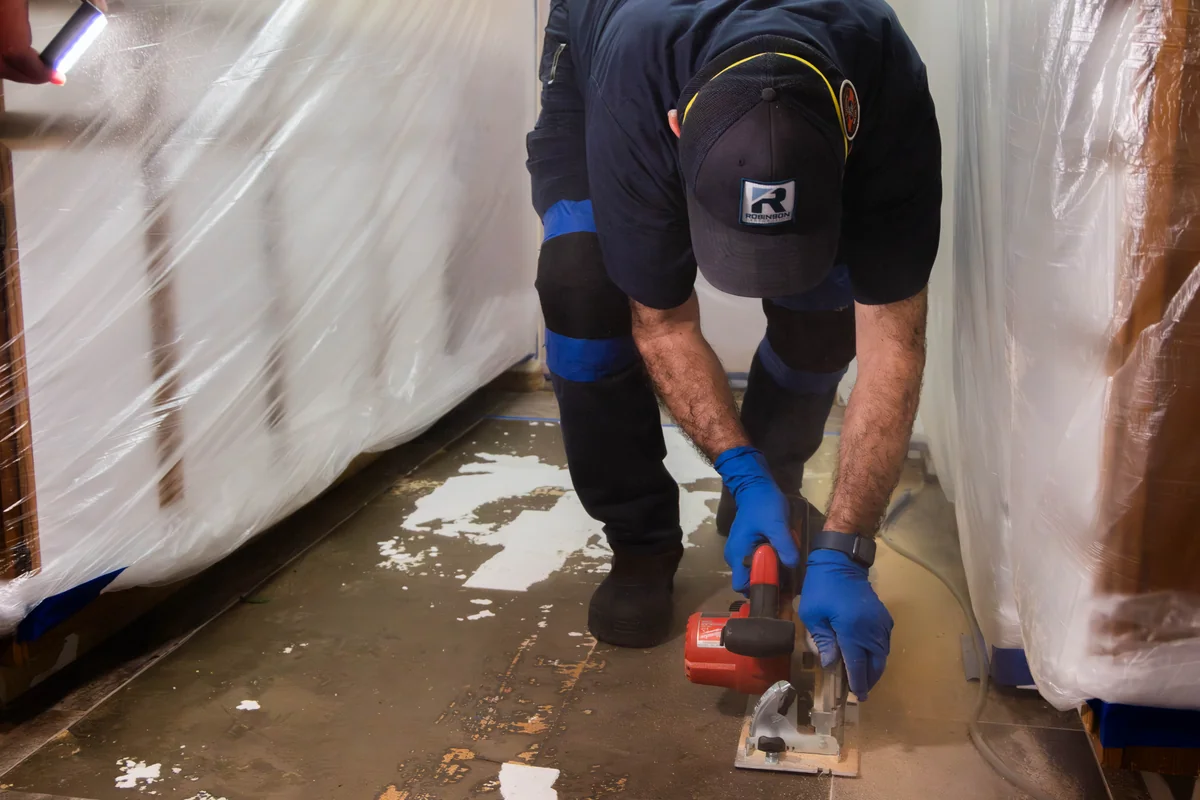
We stop further damage with commercial extraction, structural drying, and antimicrobial treatment, and we walk you through the entire insurance claim as we work.
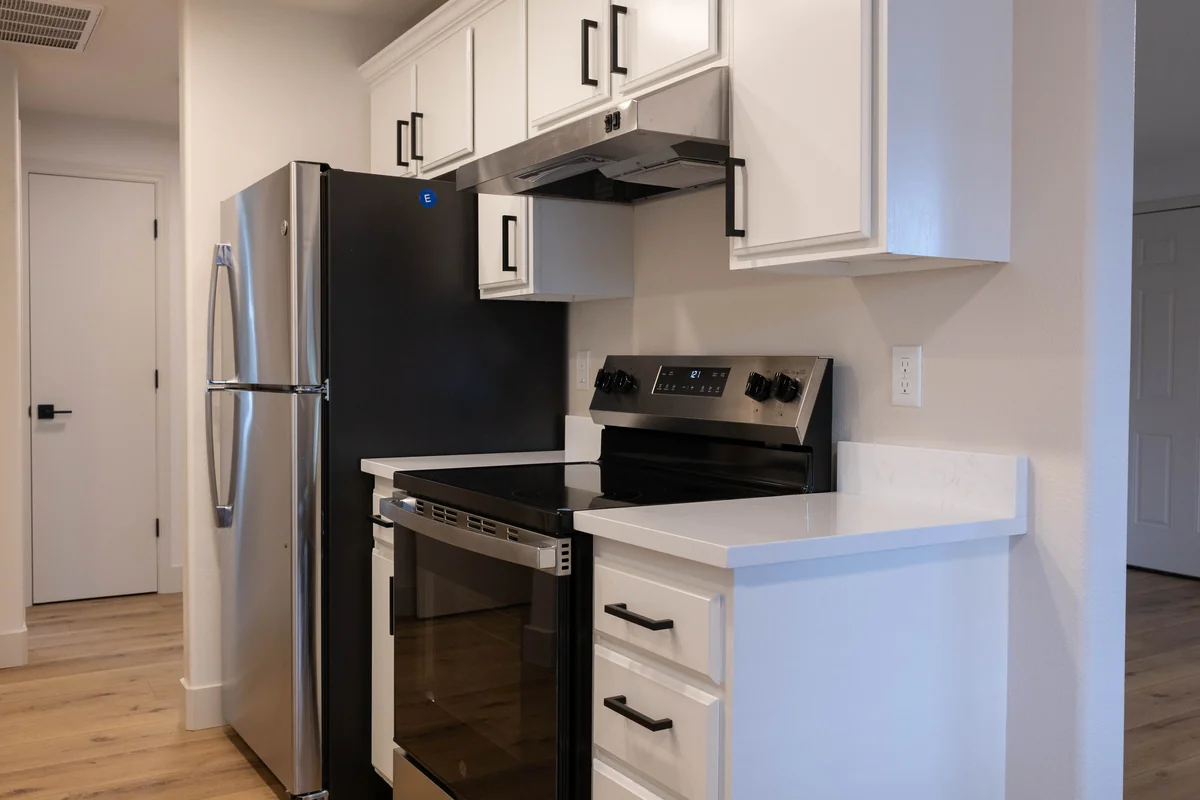
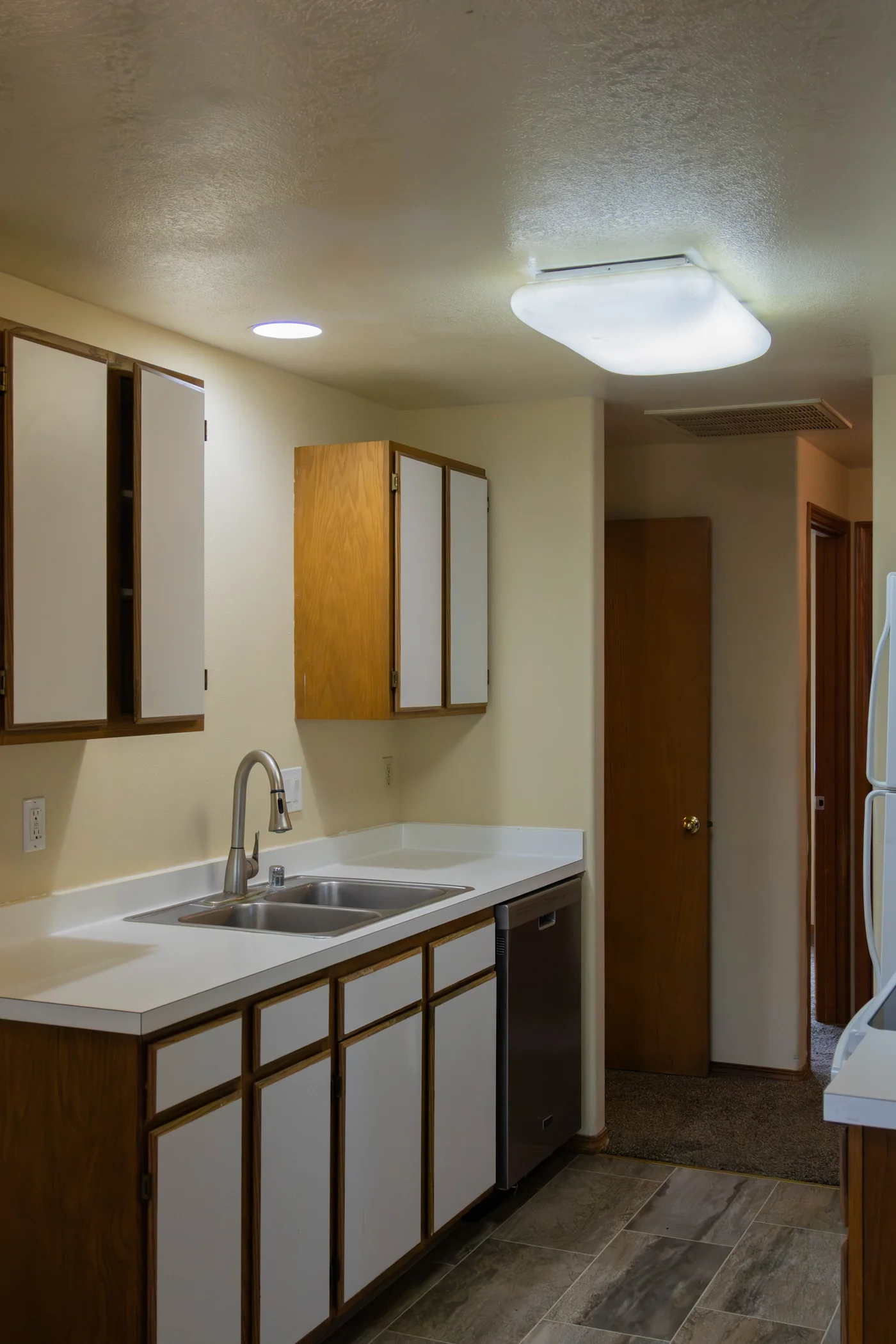
We manage your rebuild to pre-damaged condition through our trusted network of licensed contractors and sister companies. One manager, one timeline.
Much of the newer housing here sits on ground that grew grass seed a generation ago. That soil is heavy clay with a hardpan layer underneath, so winter rain does not percolate, it perches. Yards stay soft into April, footing drains silt up, and crawl spaces take on groundwater that has nowhere else to go.
The older stock around town still runs galvanized supply lines, cast-iron waste, and additions built by whoever owned the place at the time. Ranches from the sixties hide polybutylene and copper with pinhole corrosion behind lath and plaster. A leak inside those walls travels along a floor joist and surfaces two rooms away from where it started.
Coachbuilding and equipment work put a lot of large metal buildings around Junction City, most of them slab on grade with overhead fire suppression and inventory sitting on the floor. One broken line after hours can put water across thousands of square feet of shop. We dry those with desiccant units and containment so production keeps running.
Outside the city limits you are on a well and a septic system, which changes what a water loss looks like. A failed pressure tank floods a utility room overnight. Saturated drain fields push sewage back into the lowest fixture in the house. Access matters too, since a gravel lane in February decides what equipment we can get to the door.
Most of the losses we run in Junction City start one of three ways: flooding and groundwater, burst and leaking pipes, and sewage backups. Here is why each one happens here, and what it takes to dry it properly.
Winter groundwater sits high under the valley floor here, and flat lots with clay soil shed almost nothing. Crawl spaces fill from below, sump pumps run for weeks, and the failure usually happens during the heaviest stretch of rain.
Valley cold snaps are short but sharp, and a lot of local plumbing runs through vented crawl spaces and uninsulated exterior walls. Lines freeze on a clear night, then split when the temperature climbs back above freezing the next afternoon.
Rural properties around town run septic systems on ground that stays saturated all winter. When the drain field cannot accept flow, waste backs up into tubs and floor drains, and that category three water requires full removal of porous materials.
Water is how most losses start. It’s rarely where they end. The same local crew handles all of it.
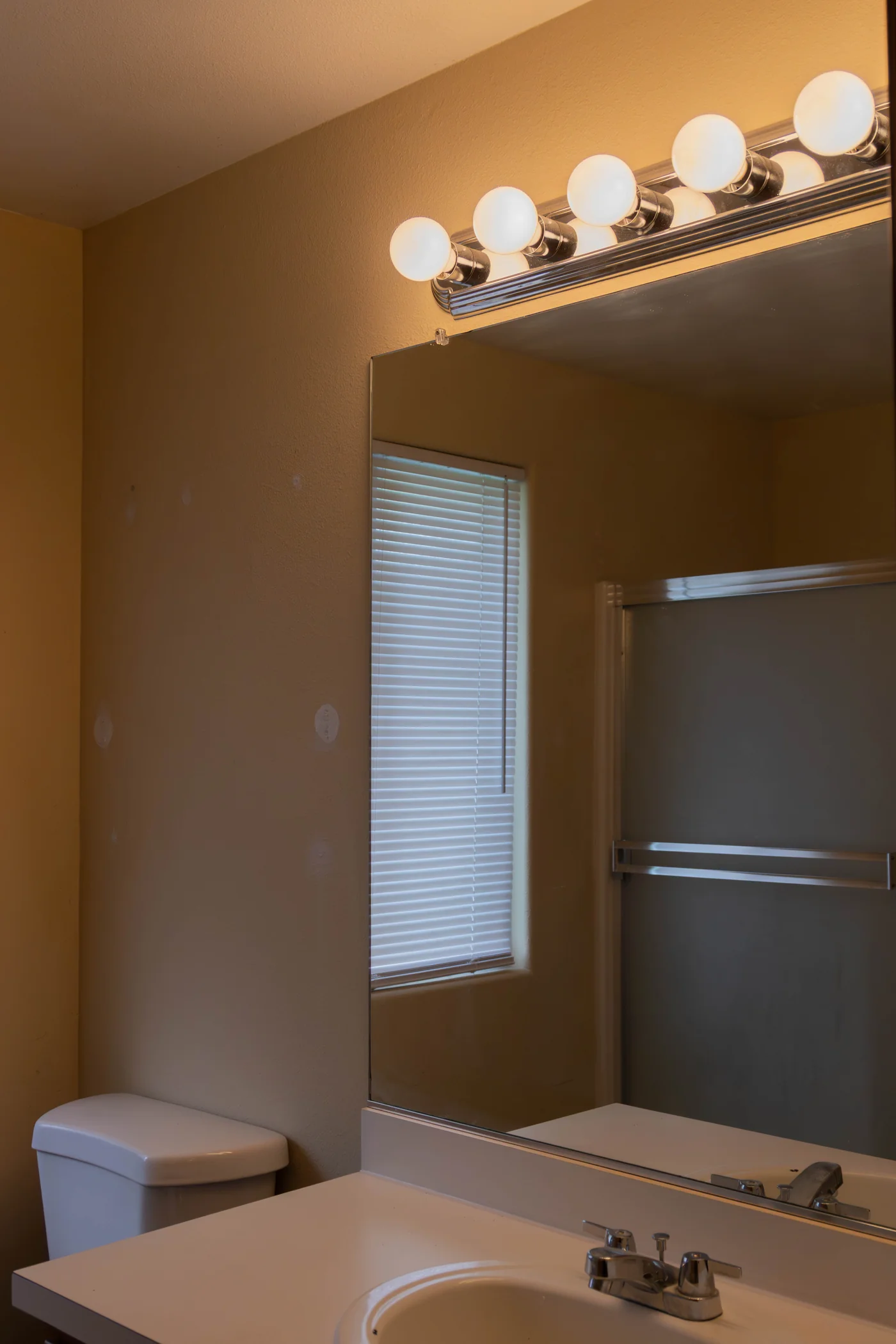
Three real projects, photo-documented for the insurance carrier and backed by our 5-year workmanship warranty. Drag each handle to compare.
“We recently had an unfortunate plumbing issue that led to some significant flooding issues. On the recommendation of our plumber we reached out to Robinson Restoration to help us with drying out our house and getting it ready to be put back together.”
Don Warner · Google Review
“We've had the bittersweet opportunity to have Robinson in our lives twice now. First, for a major 3,000 sq ft mold remediation of our crawl space. Then last week, we had an unfortunate flood. I don't know what we would have done without them.”
T Marie C · Google Review
“Chuck and Cole were very professional, courteous and knowledgeable about their restoration skills including close out processes. I'm really happy they were the two employees assigned to our home.”
Joanna Gamble · Google Review
In Oregon, you choose your restoration contractor, and your carrier can’t penalize you for it. We document every Junction City loss with moisture maps, photos, and daily readings, then bill your insurer directly. You pay your deductible. That’s it.
Subject to policy coverage and deductible. We handle the paperwork, photos, and adjuster calls.
Typing that into a phone at midnight usually means something is already running across a floor. Junction City calls reach a live dispatcher 24/7, and the responding crew carries truck-mounted extraction, air movers, dehumidifiers, thermal imaging, and moisture meters on the first trip. Documentation starts the moment we walk in, and we bill your insurance carrier directly instead of handing you an invoice to chase.
That is groundwater, not plumbing. The valley floor under Junction City holds a high water table from November through spring, and clay soil keeps surface rain from draining. Once the table rises above your footing line, water enters through the soil, not a pipe. The fix is a combination of drying, vapor barrier repair, drainage correction, and sometimes a sump. We identify which one you actually need.
Yes. A good share of our work in this area sits on county roads, gravel lanes, and acreage with well and septic service. We plan for access before dispatch, which sometimes means a smaller truck and longer hose runs. Rural jobs also need a different moisture strategy, since outbuildings, unconditioned shops, and open crawl spaces do not dry the way a sealed house does.
First we find every wet material with meters and thermal imaging, including what looks dry on the surface. Then we extract standing water, remove materials that cannot be saved, and set air movers and dehumidifiers sized to the space. Readings get logged daily so you can see the numbers falling. Equipment comes out when the structure hits its dry standard, not when the schedule says so.
Very differently. Sewage is category three water, which means contamination on top of moisture. Porous materials that took on waste get removed rather than dried: carpet, pad, drywall bottoms, insulation, and often subfloor. We contain the area under negative pressure, clean and treat structural surfaces with antimicrobial, then dry and verify. Documentation matters here because carriers look harder at backup claims than at supply line failures.
Most policies pay for sudden and accidental discharge, and mitigation is usually covered even before the claim is fully adjusted. What gets excluded is long-term seepage and surface flooding, which is why we document the failure point on day one. We bill your carrier directly, so your out of pocket is generally the deductible. If coverage is denied, you will know early and see the reasoning.
Yes. Robinson manages the full rebuild through licensed contractors and sister companies, so you deal with one file and one point of contact from the first extraction to the last coat of paint. That covers subfloor, drywall, texture, trim, flooring, and cabinets. Keeping the mitigation and the repair under one scope also keeps the adjuster from questioning why two estimates disagree.
Every hour of standing water costs you materials. Call now and get a crew moving tonight.
Licensed · Insured · IICRC Certified · Serving Washington & Oregon