CERTIFIED • LICENSED • INSURED
WA #ROBINRL752MZ · OR CCB# 256698
24/7 Emergency Dispatch | 90-Minute Response
Fully Managed Rebuilds

Property Damage Reconstruction & Rebuild Services

One manager, one timeline, one warranty
Vetted licensed contractors and sister companies
Insurance-ready scope and documentation
5-year workmanship warranty
Billed through your claim
Licensed & insured partners
Start Your Rebuild Estimate
90 MIN
On-Site Response
24/7
Emergency Dispatch
1,000+
5-Star Reviews
IICRC
Certified Crews

Robinson Restoration manages post-damage reconstruction across Washington and Oregon, from demo through final paint. The rebuild is delivered by vetted licensed contractors and our sister companies under one Robinson project manager, on one scope and one timeline, backed by a 5-year workmanship warranty.

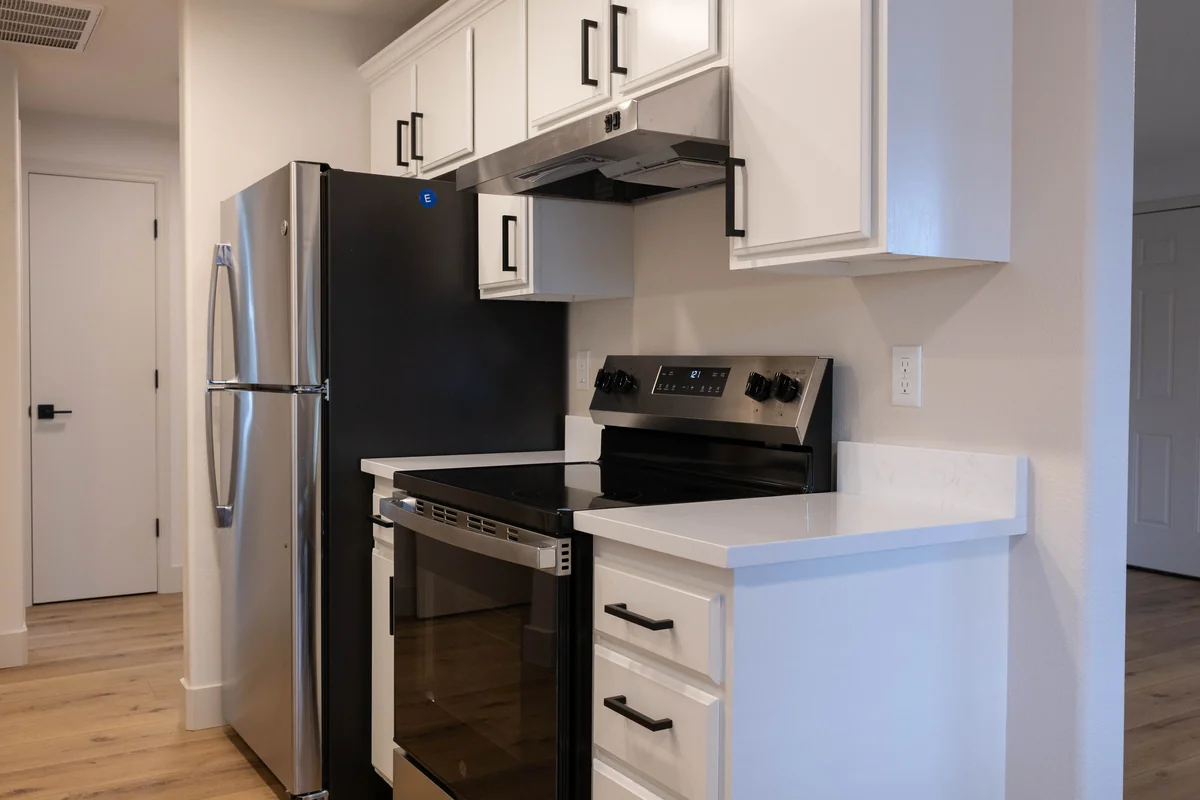
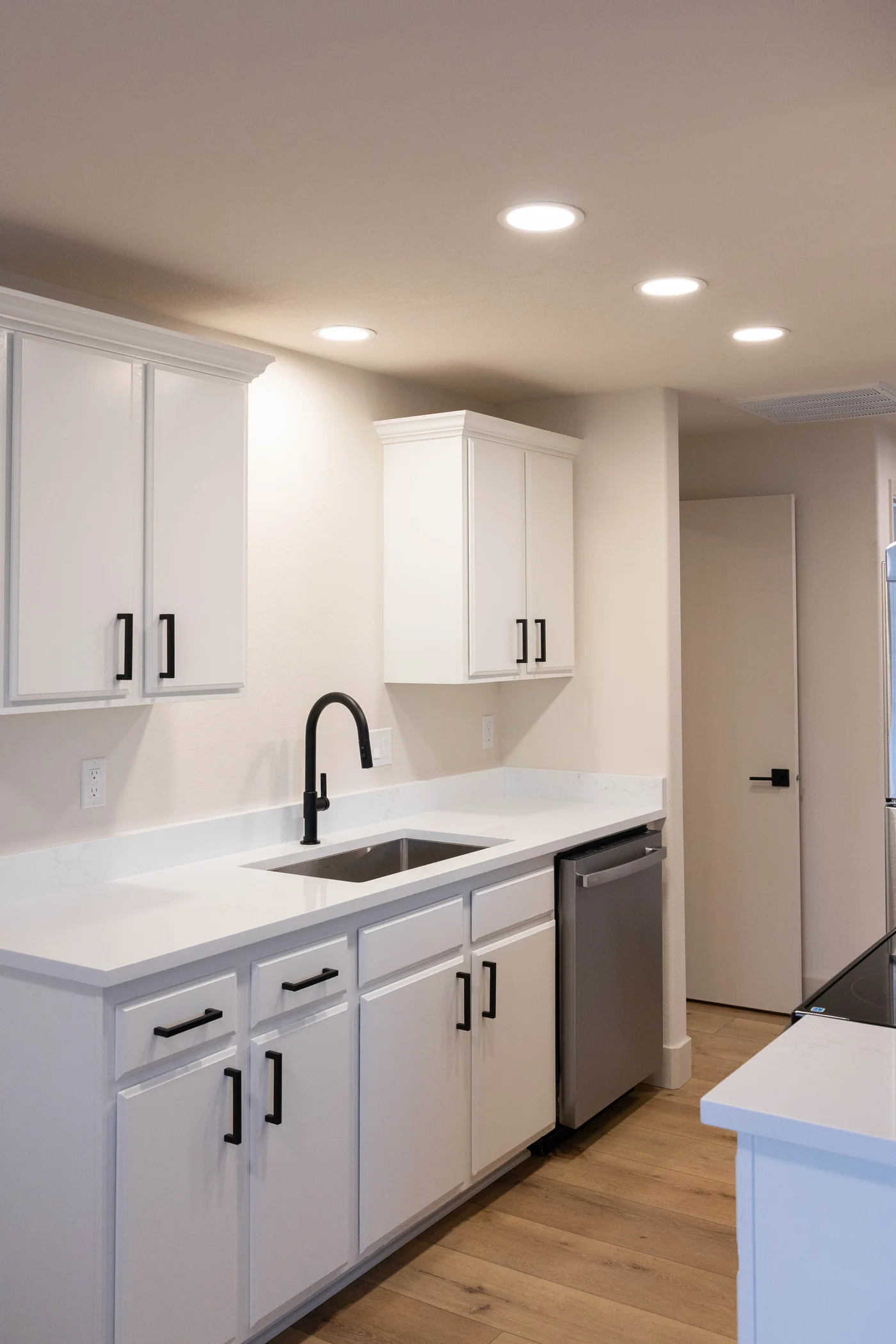
Rebuilt kitchen after a Robinson Restoration managed reconstruction
How It Works

You Get a Project Manager, Not a Phone Tree

Here's what "fully managed" actually means when the drying equipment comes out and the rebuild begins.

01

Scope & Approval

Your Robinson project manager writes a room-by-room scope from the mitigation documentation, gets it approved by your carrier, and walks you through every line before work starts. Change something? One conversation, not five.
02

The Right Crews

Drywall, flooring, cabinets, paint, trim. Each trade is handled by licensed, insured contractors from our vetted network and sister companies, crews we've worked with across hundreds of losses. We schedule them, sequence them, and hold their standard.

03

One Finish Line

Progress updates come from one person who actually knows your project. At the end, you do the final walkthrough with your manager, punch-list items get fixed, and the whole job is backed by our 5-year workmanship warranty.

Full Scope

Everything Between Studs and Move-In

If the loss touched it, the rebuild covers it. Structural to cosmetic, permits included where required.

Framing & structural repairs

Drywall, texture & paint

Flooring: hardwood, LVP, tile, carpet

Cabinets & countertops

Trim, doors & finish carpentry

Electrical & plumbing (licensed trades)

Insulation & vapor barriers

Roofing & siding repairs

Real Project

Drag to See a Finished Rebuild

A Robinson-managed kitchen rebuild after a water loss. Same room, start to finish.

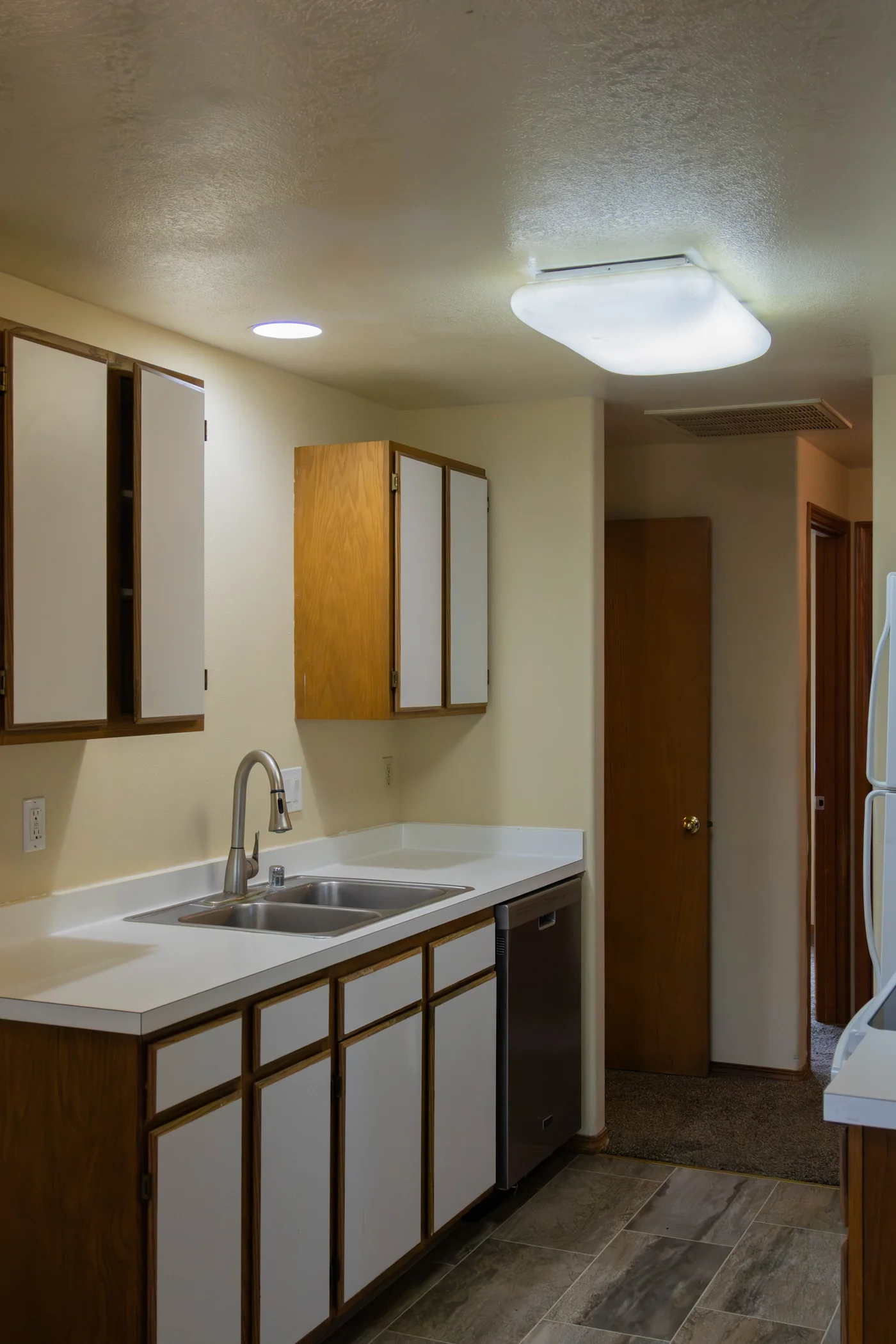
Kitchen before reconstruction
Kitchen after reconstruction
Before
After
Kitchen Rebuild · Vancouver, WA
Why It Matters

The Alternative Is You, Managing Five Contractors

On Your Own

Find and vet a drywaller, floorer, painter, electrician, plumber

Sequence their schedules so nobody blocks anybody

Translate between each trade and your adjuster

Chase whoever's warranty applies when something fails

With Robinson Managing

Trades come pre-vetted from our contractor network and sister companies

One sequenced timeline, managed daily by your project manager

Scope and billing run straight through your claim documentation

One 5-year workmanship warranty covering the finished job

Insurance, Straight

How Insurance Pays for the Rebuild

Coverage comes down to two things: what your policy says, and what caused the loss. A pipe that bursts overnight or a fire is a sudden, accidental event, and the repairs that follow are usually covered. Damage from a supply line that wept behind a cabinet for two years reads as maintenance, and carriers deny those. Rising water and groundwater fall under flood coverage, which is a separate policy.

The rebuild scope gets written off the mitigation file: moisture readings, photos, and a record of what had to come out. Your project manager submits it as a line-item estimate and works through whatever the adjuster questions. On a replacement cost policy, the carrier usually releases actual cash value first and holds the depreciation until work is finished and documented. You cover the deductible and any upgrade you choose.

Usually Covered

Repairs that put the property back to pre-loss condition after a covered sudden event: framing, drywall, flooring, cabinetry, trim, and paint tied to the documented damage.

Usually Not Covered

Slow leaks, deferred maintenance, and normal wear. Mold repairs often sit under a low policy sublimit, and flood or groundwater damage needs a separate flood policy entirely.

What the Adjuster Needs

Room-by-room measurements, before photos, the drying logs from mitigation, material specifications, and a written change order any time hidden damage pushes the scope past the original estimate.

How Billing Works

We bill the carrier directly at agreed pricing wherever the policy allows, so you handle the deductible and any upgrades instead of fronting the whole rebuild.

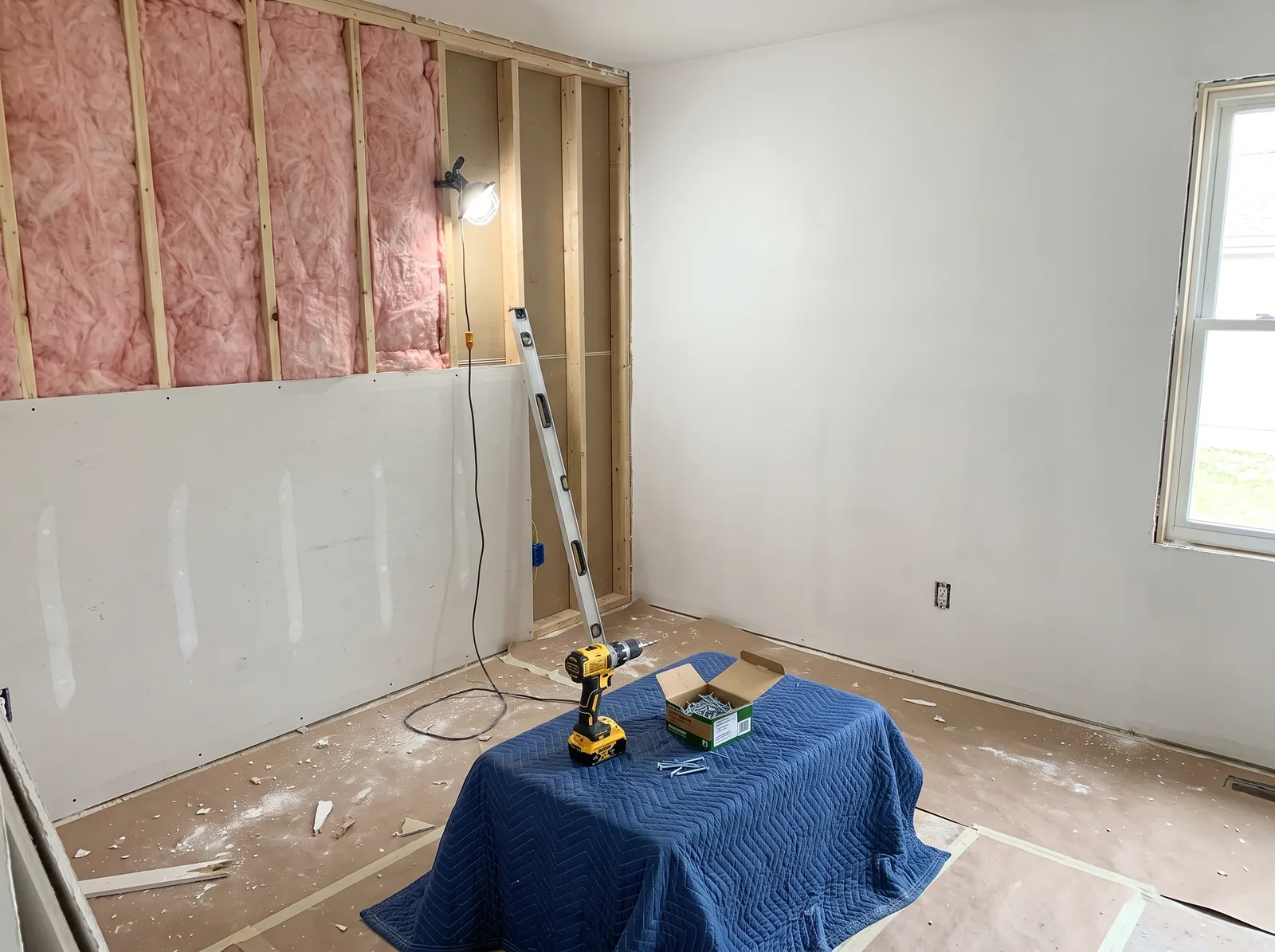
Bedroom mid-rebuild with new framing, insulation and drywall going back up after a water loss
Worth Knowing

What Actually Drives Your Rebuild Cost

Two rebuilds with identical square footage can land thousands apart. The variables are rarely the ones homeowners expect, and most of them get decided in the first week, before a single sheet of drywall is hung. Here is where the money actually goes.

Replacement Cost Versus Actual Cash

An actual cash value policy pays what the damaged materials were worth the day they were ruined, minus depreciation. Replacement cost coverage pays what it takes to rebuild, though the carrier typically holds the depreciation back until the work is done and documented. Read your declarations page before you set a budget. The difference between those two settlements shapes every material decision that follows.

Code Upgrades the Loss Triggers

Open a wall built in 1978 and current code comes with it. Arc-fault breakers, hardwired smoke alarms, insulation values, egress sizing, sometimes a permit-required change nobody planned for. A standard policy pays to replace what was there, not to bring the rest of the house current, so ordinance and law coverage (if you carry it) is what closes that gap.

Hidden Damage and Supplements

Demolition tells the truth. Subfloor that delaminated under the tile, a joist with old rot, wiring spliced by a previous owner: none of it lands in the first estimate, because nobody could see it. Each find gets photographed, measured, and submitted as a supplement. That is why an honest rebuild number moves once and settles, instead of creeping every week.

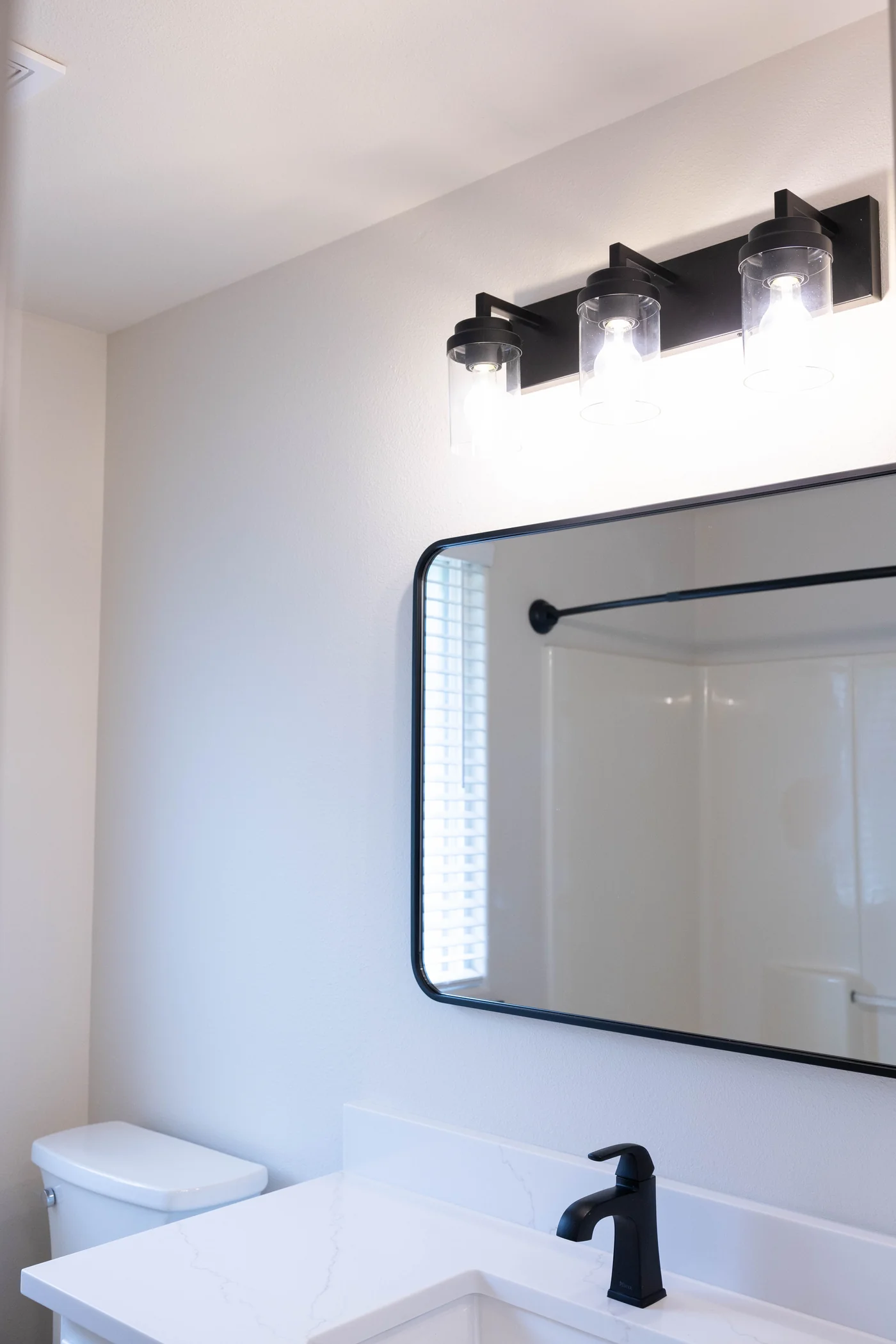
Bathroom Rebuild after restoration
Worth Knowing

Before the First Board Goes Up

The days between the drying equipment leaving and the rebuild starting decide how smoothly the rest of it goes. Three things have to be handled in that window, and two of them depend on you more than on us.

Proof the Structure Is Dry

Nobody closes a wall on a guess. Framing, subfloor, and sheathing get metered against unaffected materials of the same type until readings hit the documented dry standard, and mold work gets post-remediation verification before anything covers it. Insulation and drywall installed over damp framing trap the problem, and the callback shows up months later as odor or staining.

Selections Set the Schedule

Flooring, tile, cabinet doors, countertop material, paint sheen. Every one of those carries a lead time, and one unmade decision can idle three trades. Your project manager gives you a selection deadline per item, tied to the day that trade is scheduled to start. Pick early, and the schedule you were handed is the schedule you get.

Contents, Access, and Dust

Packed-out contents come back on an inventory, so tell your manager which rooms need to be usable first. Demolition throws dust no matter how careful the crew is, which is why containment barriers, negative air with HEPA filtration, and floor protection stay up through the messy phases. Gate codes, pets, parking, and alarm settings are worth sorting before day one.

Straight Answer

How Much Does Post-Damage Reconstruction Cost?

Reconstruction cost depends on how much material came out during mitigation, how deep into the structure the damage went, how many licensed trades the rebuild needs, and whether the building stays occupied while crews work. That mix is different in every property, so we don’t quote from a photo. A Robinson project manager measures room by room, builds a line-item scope from the mitigation documentation, and gives you a written estimate.

What Demolition Removed

The rebuild scope starts where demolition stopped. A Category 3 loss takes out porous material wholesale: drywall, insulation, cabinets, flooring. A clean-water Category 1 loss may need only flood cuts. More material out means more square footage to put back.

How Deep It Went

Drywall and paint is one job. Framing, subfloor, and sheathing repair is another. Structural work brings engineering review and inspection holds, and tight cavities like crawl spaces and attics slow crews that would move fast in an open room.

Trades the Scope Needs

A bedroom might need a drywaller and a painter. A kitchen pulls electricians, plumbers, cabinet installers, countertop fabricators, tile setters, and finish carpenters. Every added trade brings its own mobilization, its own inspection, and one more schedule to hold.

Occupied Space and Phasing

Rebuilding around residents, tenants, or an open business means working in zones instead of all at once. Containment and floor protection stay up longer, some tasks move to after hours, and every trade comes back more than once. Each return trip is billable time.

What Insurance Changes

On a covered loss we invoice the carrier directly, so what you actually pay is usually your deductible plus anything you upgrade beyond pre-loss condition. Coverage is never automatic. Excluded causes like slow leaks, wear, and flood come back to you.

Getting a Real Number

Call Robinson or request an estimate, and have your claim number, the mitigation drying logs, and photos of every affected room ready. That’s enough to start a scope.

Frequently Asked

Reconstruction FAQs

Do I have to use my insurance company's preferred contractor?

No. In Washington and Oregon you choose who rebuilds your home, and your carrier can't penalize you for it. Preferred-vendor programs exist to control the carrier's costs, not to get you the best rebuild. We work for you, document to industry standards, and bill the claim directly.

Licensed, insured trade contractors from our vetted network and sister companies, scheduled and quality-checked by your Robinson project manager. We're straightforward about this because it's a strength: you get specialists in each trade plus one accountable manager, instead of one crew stretching outside its lane.

That's the goal on every partial rebuild. Flooring gets lace-in repairs or full-room replacement depending on match quality, paint gets color-matched, and trim profiles get sourced or milled. When an exact match isn't possible, we'll show you the options before anything is installed.

A single-room rebuild typically runs 2–4 weeks once materials arrive. Multi-room losses run longer, and permit timelines vary by city. You get a written schedule up front and updates from your project manager as work progresses, including the honest version when something slips.

Absolutely, and it's the smartest time to do it since the room is already opened up. Insurance pays to restore what you had; you pay only the difference for upgrades. Your project manager prices both paths so you can decide with real numbers.

Yes, and it happens often. What we need from them is the paperwork: initial moisture readings, daily drying logs, photos, and the final dry standard documentation. If that record is thin or missing, we meter the affected materials ourselves before scoping anything, because we are not enclosing walls we cannot verify are dry. Then your project manager writes the rebuild scope and takes it to your adjuster.

Because the lender holds an interest in the property, most carriers list the mortgage servicer as a payee on rebuild checks. You endorse it, send it to their loss draft department, and they release funds in draws as the work passes inspection. It adds a step, so start that paperwork the week the claim is approved. Your project manager supplies the scope, invoices, and progress photos each draw requires.

Usually, with phasing. We split the space into work zones, seal each one with containment and negative air so dust stays put, and schedule the loud, disruptive tasks after hours where the lease and the building allow it. Fire alarm and sprinkler coordination gets settled with building management before demolition. Property managers get one point of contact, plus written notice they can forward to tenants.

Start Your Rebuild Estimate
Real Customer Reviews

1,000+ Five-Star Reviews

5.0 on Google

“Had a leak in our wall and our plumber recommended Robinson Restoration to handle remediation of the water damage. Christian and Adolfo were awesome. Great communication throughout the setup of the containment area and installation of the equipment to start the drying process.”

Won Lee · Google Review

“We recently had an unfortunate plumbing issue that led to some significant flooding issues. On the recommendation of our plumber we reached out to Robinson Restoration to help us with drying out our house and getting it ready to be put back together.”

Don Warner · Google Review

“We’ve had the bittersweet opportunity to have Robinson in our lives twice now. First, for a major 3,000 sq ft mold remediation of our crawl space. Then last week, we had an unfortunate flood. I don’t know what we would have done without them.”

T Marie C · Google Review

Local Crews

Where Our Crews Work

Robinson manages rebuilds across Washington and Oregon, and the crews on your project already know the local permit desks and inspectors. Pick your city below to see how reconstruction works there, from the mitigation handoff to the final walkthrough.

Your Home Isn't Finished
Until It's Rebuilt.

One call starts the scope. Your project manager takes it from there.

Licensed · Insured · 5-Year Workmanship Warranty · Serving Washington & Oregon