Robinson Restoration is an IICRC-certified water damage restoration company serving Camp Murray, WA. Crews dispatch 24 hours a day, arrive on-site in 90 minutes or less, document the readings and photos your carrier needs, and bill your insurance directly on covered claims.
Camp Murray sits on the American Lake shoreline, where a burst line in a barracks wing or an admin building doesn't wait for a drill weekend to end. Our crews are used to escorted access, facility managers who want a written scope before demolition, and buildings that have to stay operational while they dry.
The installation mixes eras: mid-century masonry buildings with original cast iron and galvanized runs, newer offices with fire sprinklers and rooftop HVAC, and shop and storage space on slab. Lakeside ground stays saturated through a Puget Sound winter, so below-grade rooms and utility spaces hold moisture that never gets a chance to leave. Water here spreads sideways under flooring and through partition track rather than dropping straight down.
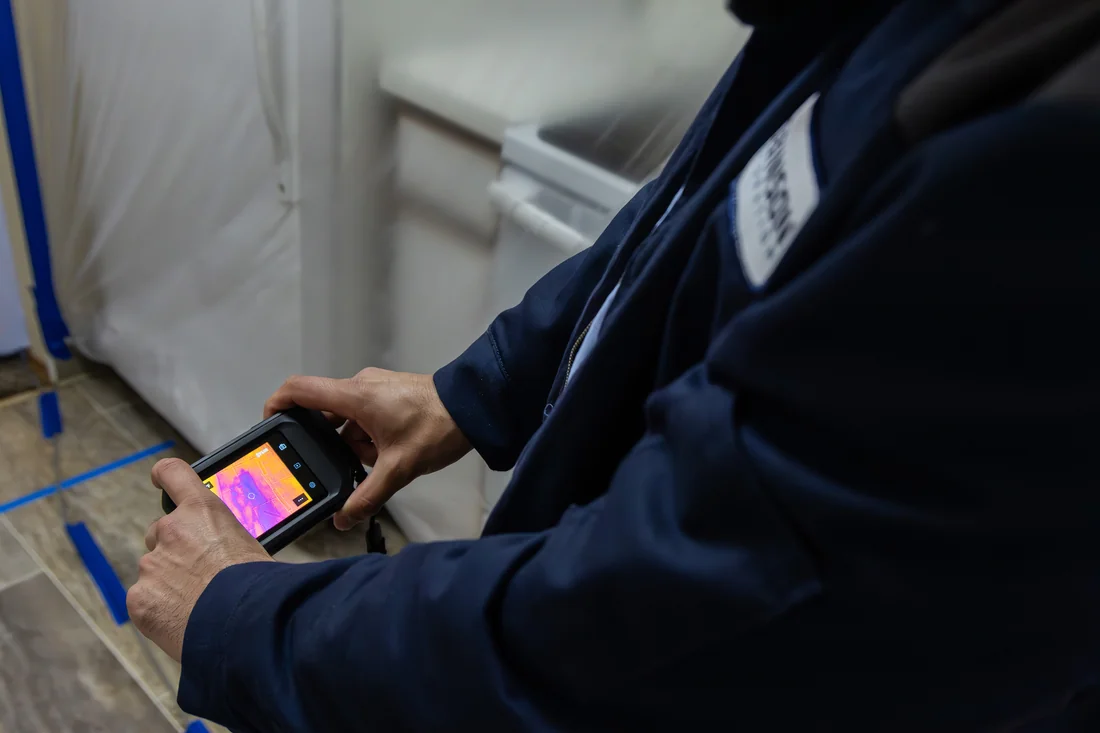
Dispatch answers 24/7 and routes to our Kent operations center, which runs commercial losses alongside residential. Every job starts with a moisture map, photographs, and a scope you can forward to a facility manager or a claims contact. We dry to IICRC S500 standards, log readings daily, and bill insurance carriers directly. For contract and facility work we format the documentation to match whatever reporting the property manager already uses.

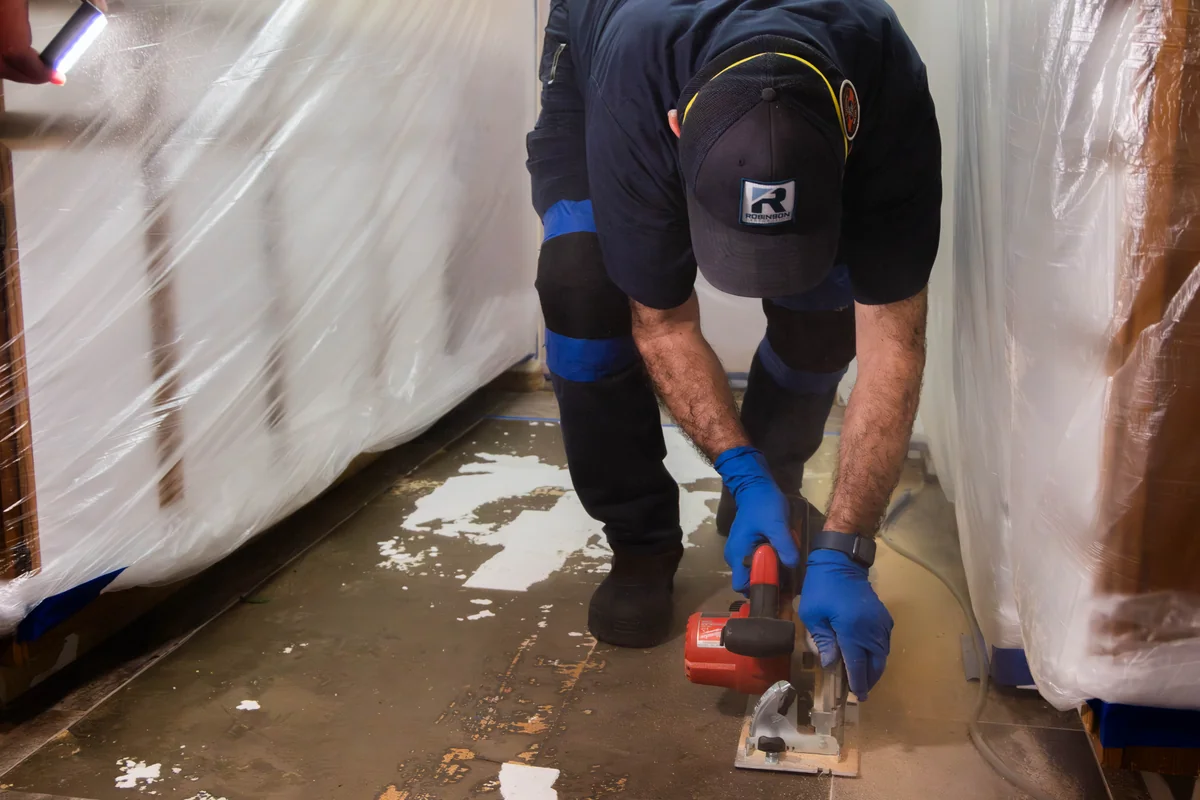
Secure sites need crews that arrive with ID, a written scope, and a containment plan before any equipment comes off the truck.
24 hours a day, 7 days a week, our crews dispatch the moment you call and start mitigation the same visit. Call dispatch or message us for immediate help.
We stop further damage with commercial extraction, structural drying, and antimicrobial treatment, and we walk you through the entire insurance claim as we work.
We manage your rebuild to pre-damaged condition through our trusted network of licensed contractors and sister companies. One manager, one timeline.
Barracks, admin space, and shops don't behave like houses. Water travels under vinyl tile, along the underside of glued flooring, and up steel stud track, then hides above lay-in ceilings. Drying takes larger air movers, desiccant dehumidification, and often negative-pressure containment so one wet wing doesn't shut down the rest of the building.
Ground along American Lake stays wet from November into spring, so anything below grade sits in damp soil for months. A minor plumbing leak in that environment never dries on its own, and indoor humidity stays high enough that growth outruns the repair. We set drying targets against a dry standard measured elsewhere in the same building, then monitor humidity rather than guessing at it.
Storage buildings and seasonal-use rooms run cold, and a Puget Sound freeze does its damage where nobody walked that week. Supply lines and sprinkler heads in unheated areas split, then release when temperatures climb back up. A single sprinkler discharge can push hundreds of gallons before anyone reaches the riser room, so we look for shutoff access first and drying second.
Offices hold paper files, servers, and gear that can still be saved if someone reaches them in the first hours. We stabilize the environment before moving anything, pull contents out of the affected footprint, and document what was where. Records that can't leave the building get dried in place under containment with the humidity held down.
Most of the losses we run in Camp Murray start one of three ways: burst and leaking pipes, frozen and split pipes, and roof and storm leaks. Here is why each one happens here, and what it takes to dry it properly.
Mid-century buildings still carry original supply lines, and a failure inside a wall or above a ceiling can run through an entire weekend before anyone opens the door. The overnight and holiday breaks are the expensive ones.
Unheated storage and shop space drops below freezing during a cold snap, splitting supply lines and sprinkler heads that only release once the building warms back up and pressure returns to the line.
Flat and low-slope roofs on institutional buildings pond water through a long Puget Sound rain. A failed seam or a plugged drain sends water down interior walls and into ceiling assemblies overnight.
Water is how most losses start. It’s rarely where they end. The same local crew handles all of it.
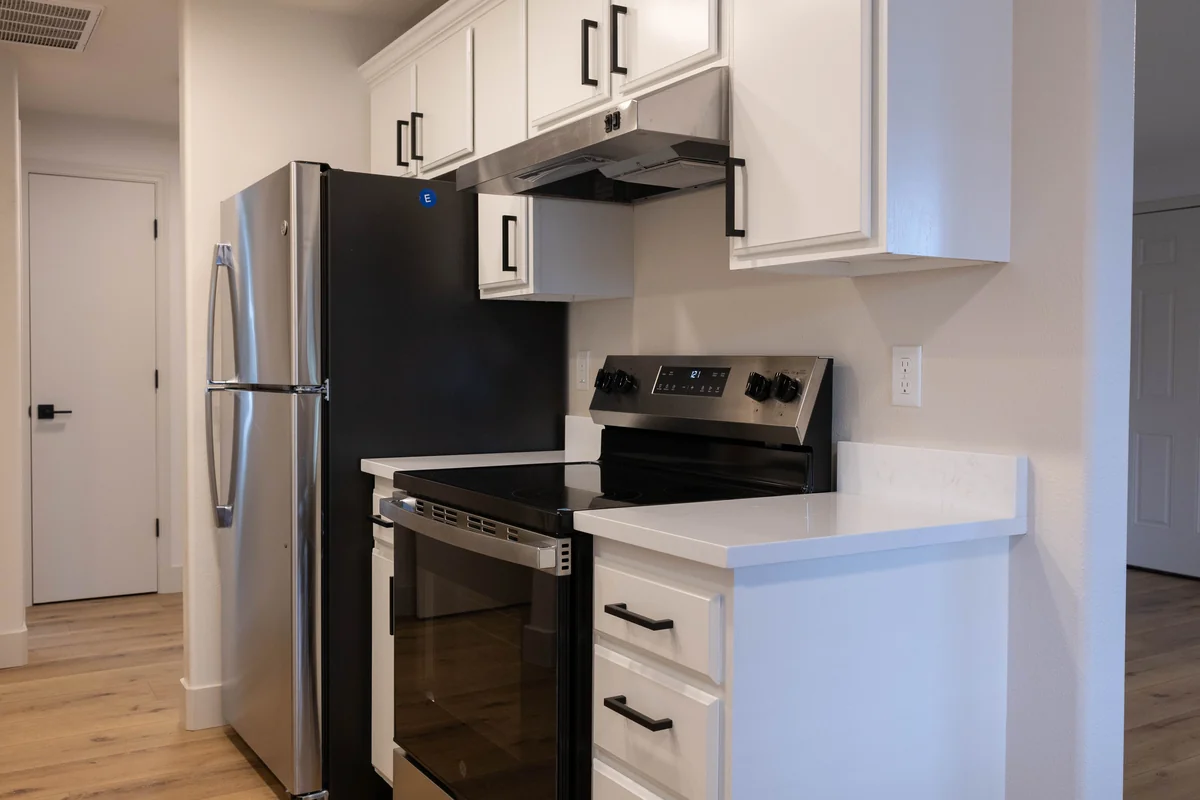
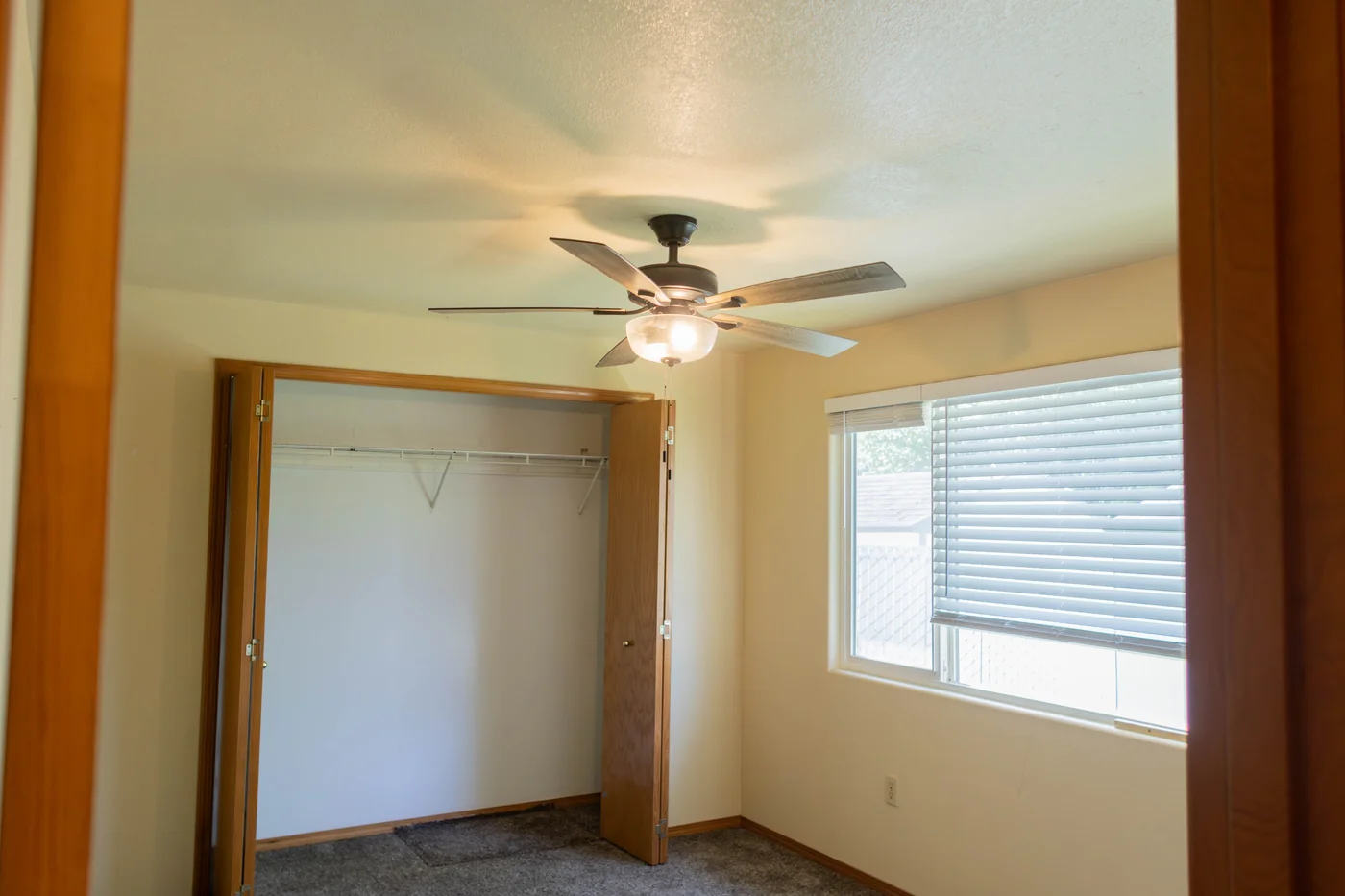
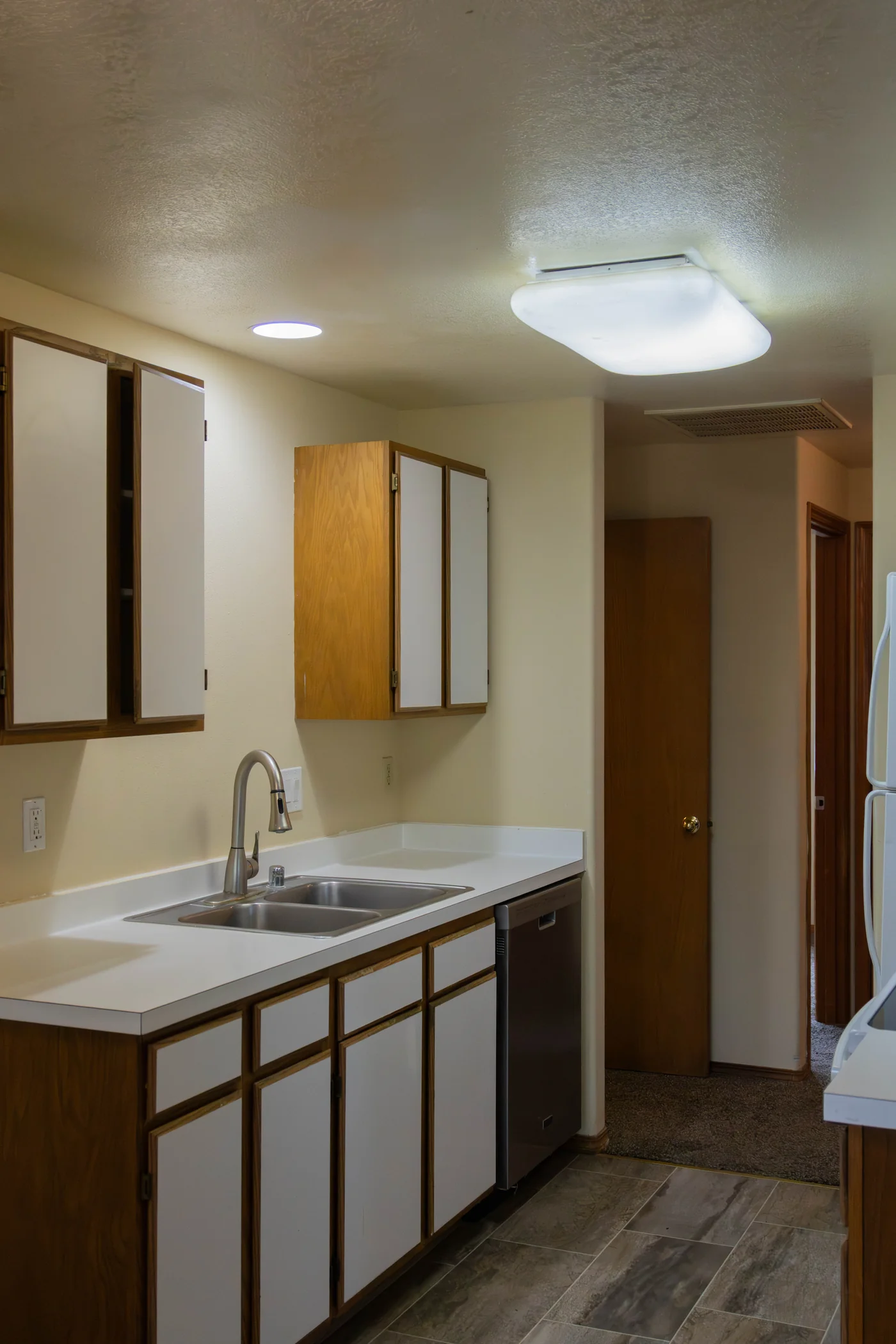
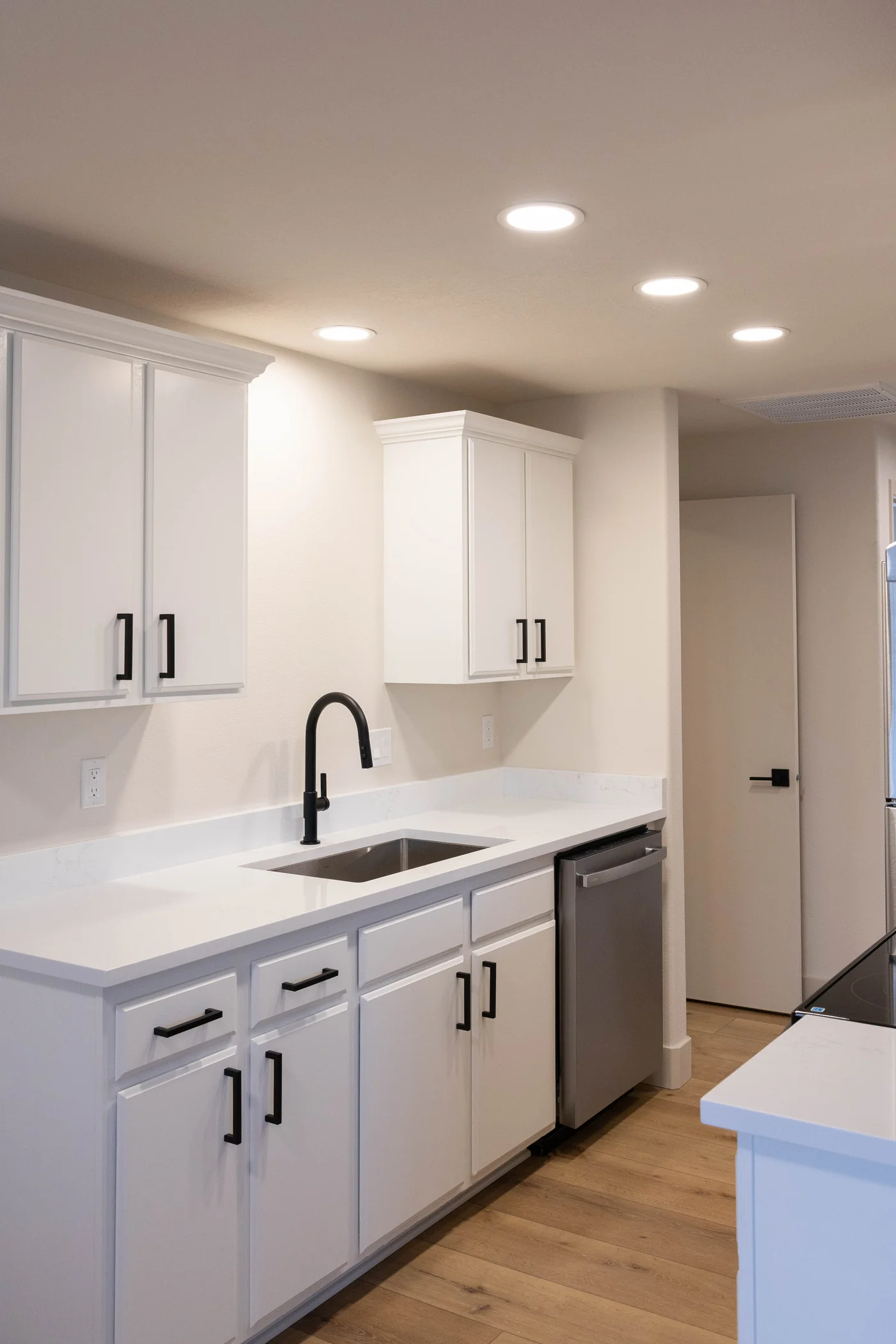
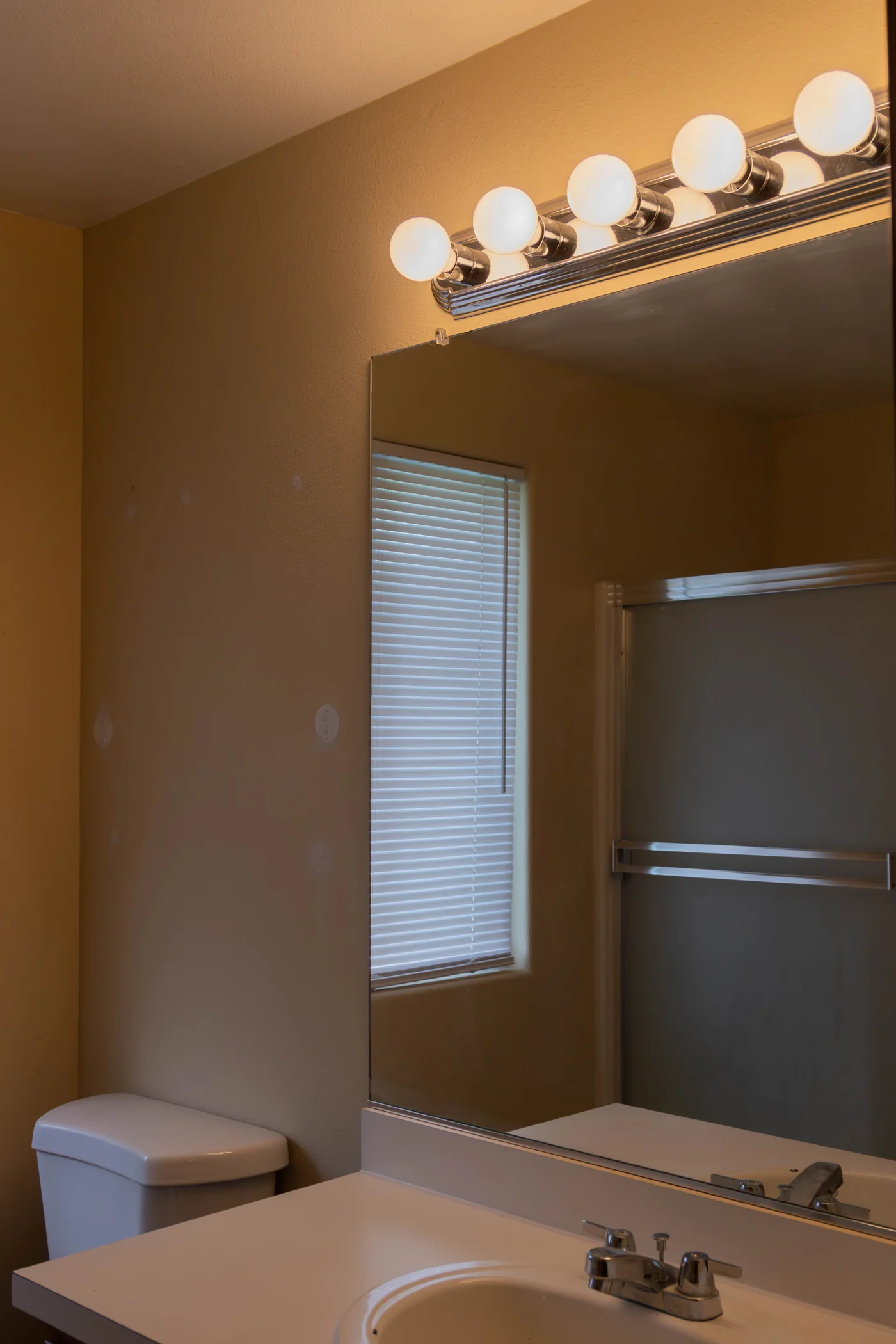
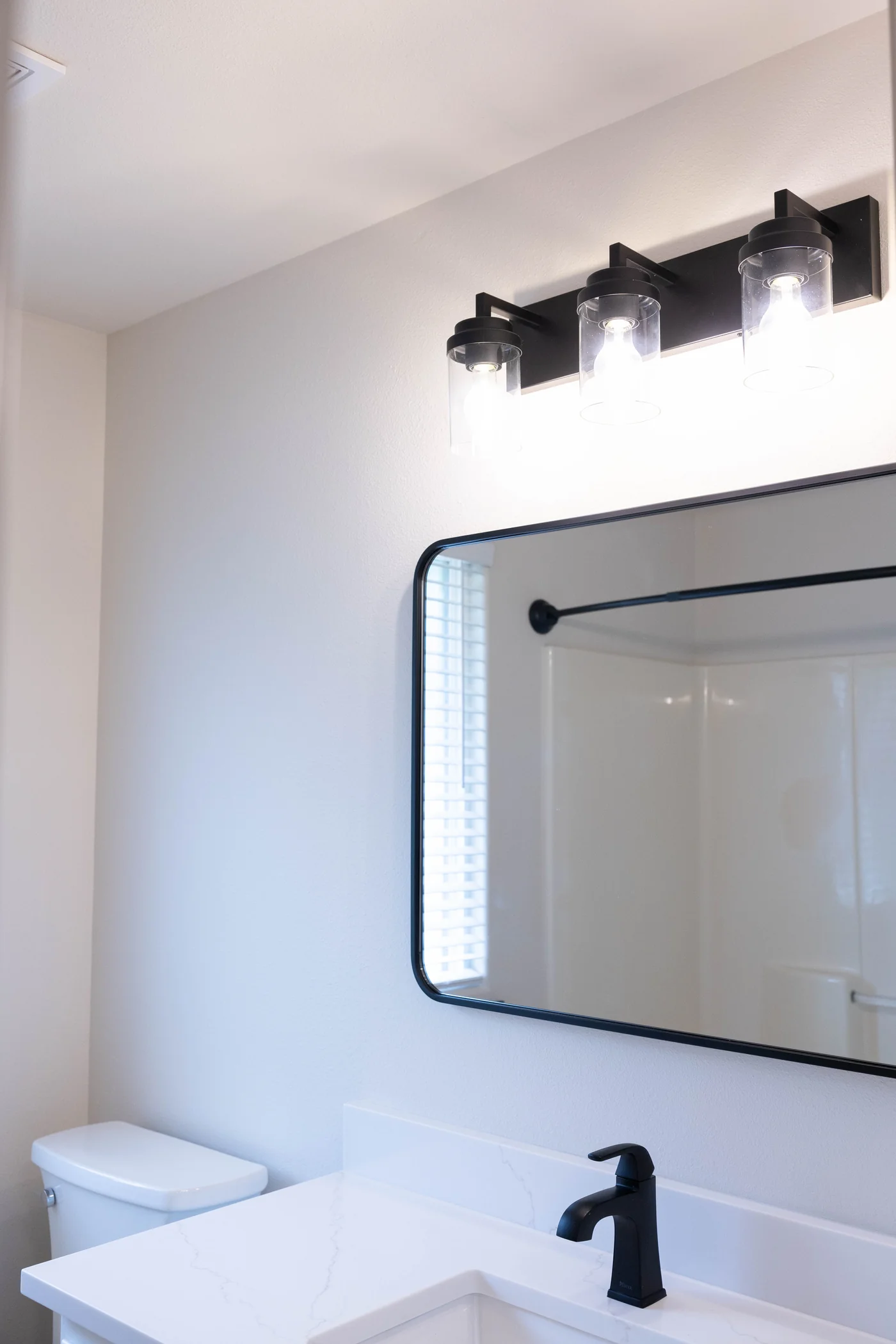
Three real projects, photo-documented for the insurance carrier. Drag each handle to compare.
“Had a leak in our wall and our plumber recommended Robinson Restoration to handle remediation of the water damage. Christian and Adolfo were awesome. Great communication throughout the setup of the containment area and installation of the equipment to start the drying process.”
Won Lee · Google Review
“We recently had an unfortunate plumbing issue that led to some significant flooding issues. On the recommendation of our plumber we reached out to Robinson Restoration to help us with drying out our house and getting it ready to be put back together.”
Don Warner · Google Review
“We've had the bittersweet opportunity to have Robinson in our lives twice now. First, for a major 3,000 sq ft mold remediation of our crawl space. Then last week, we had an unfortunate flood. I don't know what we would have done without them.”
T Marie C · Google Review
In Washington, you choose your restoration contractor, and your carrier can’t penalize you for it. We document every Camp Murray loss with moisture maps, photos, and daily readings, then bill your insurer directly. You pay your deductible. That’s it.
Subject to policy coverage and deductible. We handle the paperwork, photos, and adjuster calls.
We keep restoration crews staged in Pierce County, and a live dispatcher picks up the phone 24 hours a day. A technician arrives at Camp Murray with truck-mounted extraction, air movers, and dehumidifiers, then starts pulling water out before it soaks into subfloor and framing. Everything gets documented for your carrier, and we bill them directly.
Yes. We work regularly with escorted access and sign-in requirements, and techs carry ID ready. Give dispatch the point of contact, the gate you want us at, and any escort requirement when you call, and we'll stage the truck accordingly. Camp Murray jobs move fastest when a facility manager meets the lead tech at the building and walks the affected space with him.
Both. Commercial drying is a different problem: larger air volumes, desiccant equipment, containment so operations continue in the unaffected side of the building, and after-hours work when a space can't shut down during duty hours. Camp Murray buildings usually need a phased plan. Dry the critical rooms first, then work outward, and scope it so nothing essential goes offline unnecessarily.
It changes the target. Outdoor air here carries high humidity most of the winter, so open windows and box fans make the problem worse instead of better. We dry in a closed system with dehumidification and set the goal against a dry standard measured in an unaffected part of the same building. Below-grade rooms near the lake take longer and get monitored after equipment comes out.
Material that sat wet past roughly 48 hours becomes a contamination problem rather than a simple drying problem. We contain the area, run negative air, remove what can't be cleaned, and treat what stays. In Camp Murray buildings with lay-in ceilings and demountable partitions we open and check the cavities before signing off, because that's exactly where growth stays out of sight.
For privately insured property we bill the carrier directly and you cover the deductible. For facility and contract work we invoice against a written scope with photo documentation, daily moisture logs, and equipment counts, which is what most property managers and claims reviewers need to approve payment. We'd rather agree on that scope in writing before the first fan goes down.
Dispatch is staffed 24 hours a day and we can be on-site in 90 minutes or less. Before we arrive, shut off water at the source if the valve is safe to reach, kill power to affected areas at the panel, and keep people out of standing water. Photograph everything. Those pictures help a Camp Murray claim more than anything we can take later.
Water in a building that has to stay open tomorrow? Call now and we'll start the scope tonight.
Licensed · Insured · IICRC Certified · Serving Washington & Oregon