Robinson Restoration is an IICRC-certified water damage restoration company serving Castle Rock, WA. Crews dispatch 24 hours a day, arrive on-site in 90 minutes or less, document the readings and photos your carrier needs, and bill your insurance directly on covered claims.
Castle Rock sits on the Cowlitz River where the highway to Mount St. Helens begins, in a valley that water has reshaped more than once. Houses here know what rising water looks like. Robinson Restoration answers 24 hours a day and starts extraction on the same visit, not the next one.
The 1980 eruption sent lahars down the Toutle into the Cowlitz and left the riverbed carrying sediment it never carried before, which is why dredging and levee maintenance have stayed part of life in this valley. The town's housing is largely older wood frame from the timber years, with post-and-pier foundations, vented crawlspaces, and small partial basements. Heavy December rain landing on already saturated ground is what usually starts a loss.
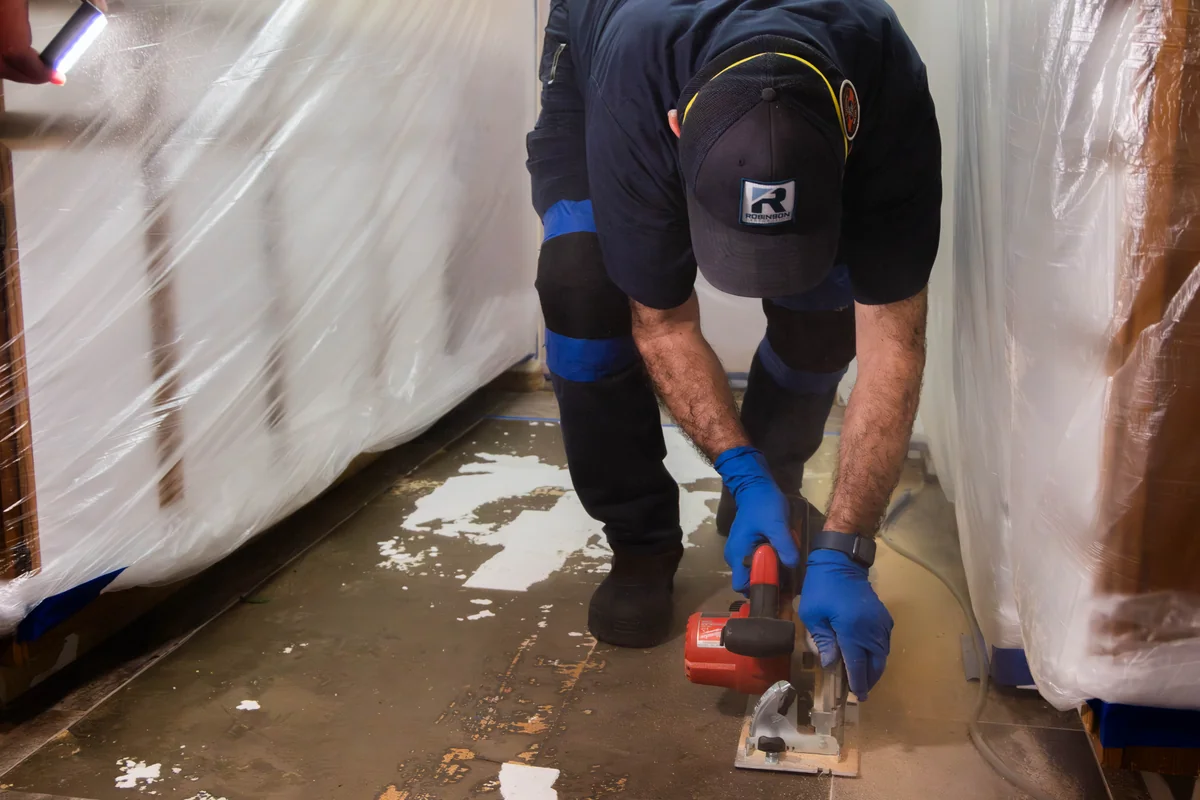
Robinson Restoration covers Cowlitz County with 24-hour dispatch from the Vancouver headquarters. Crews arrive with truck-mounted extraction, submersible pumps, and dehumidification matched to the structure, then document the loss with photos and moisture mapping before any material comes out. Drying is logged daily to IICRC S500. We bill your carrier directly, and if the structure needs rebuilding, we manage that work through vetted licensed contractors.

Castle Rock falls inside our regular Cowlitz County coverage, so crews stay loaded for river valley work right through the wet season.
24 hours a day, 7 days a week, our crews dispatch the moment you call and start mitigation the same visit. Call dispatch or message us for immediate help.
We stop further damage with commercial extraction, structural drying, and antimicrobial treatment, and we walk you through the entire insurance claim as we work.
We manage your rebuild to pre-damaged condition through our trusted network of licensed contractors and sister companies. One manager, one timeline.
Since the eruption filled the Toutle and Cowlitz with volcanic sediment, channel capacity in this valley has been managed rather than assumed. Dredging and levee work keep the river in its banks, but a big rain-on-snow event still raises groundwater across the floodplain. Homes near the low ground feel that in the crawlspace before they ever see it in the yard.
Much of the housing stock went up when logging drove the local economy, and those homes sit on post-and-pier or shallow stem walls with vented crawlspaces underneath. There is no slab or vapor barrier stopping ground moisture, so wet soil translates straight into wet framing. Girders and joists rot from the top down while the finished floor above still feels solid.
Cold air settles into the Cowlitz valley on clear nights and stays. Supply lines running through an open crawlspace under an older house have almost no protection from that. The split rarely leaks during the freeze itself, waiting instead for the thaw, which is why a warming trend after a cold week brings a wave of calls.
The older commercial buildings in town have low-slope roofs, aging plumbing stacks, and shared party walls with the storefront next door. One failed roof drain or supply line becomes two businesses with wet inventory. We contain the affected space so the neighboring tenant keeps working and document each occupancy separately for the carriers involved.
Most of the losses we run in Castle Rock start one of three ways: flooding and groundwater, roof and storm leaks, and frozen and split pipes. Here is why each one happens here, and what it takes to dry it properly.
Rain-on-snow events raise the Cowlitz and lift groundwater across the valley floor. Low-lying homes take water into crawlspaces and ground-level rooms without a single pipe failing.
Long wet seasons wear out flashing and valleys on older timber-era roofs, and steady rain finds every gap. Attic insulation soaks first and the ceiling stain arrives well after the damage.
Cold air pools in the valley overnight and reaches plumbing in open crawlspaces under post-and-pier homes. The split shows itself when pressure returns during the thaw.
Water is how most losses start. It’s rarely where they end. The same local crew handles all of it.
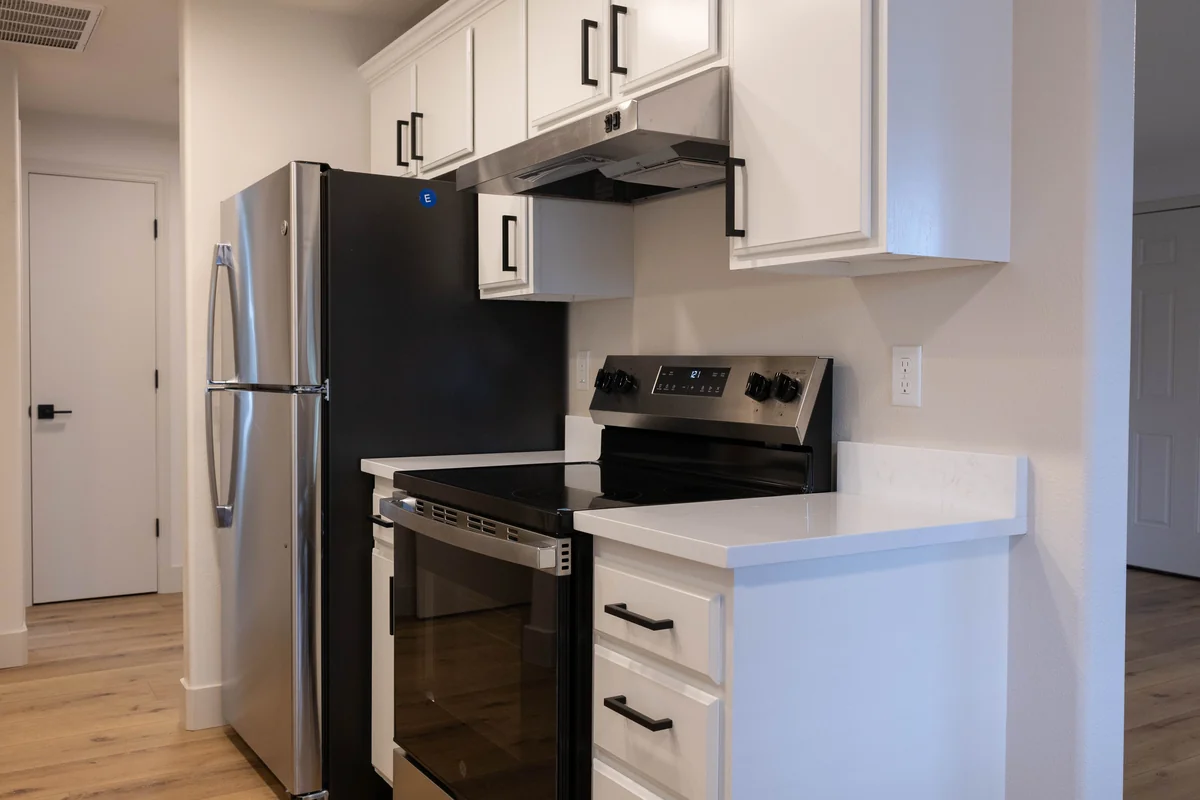
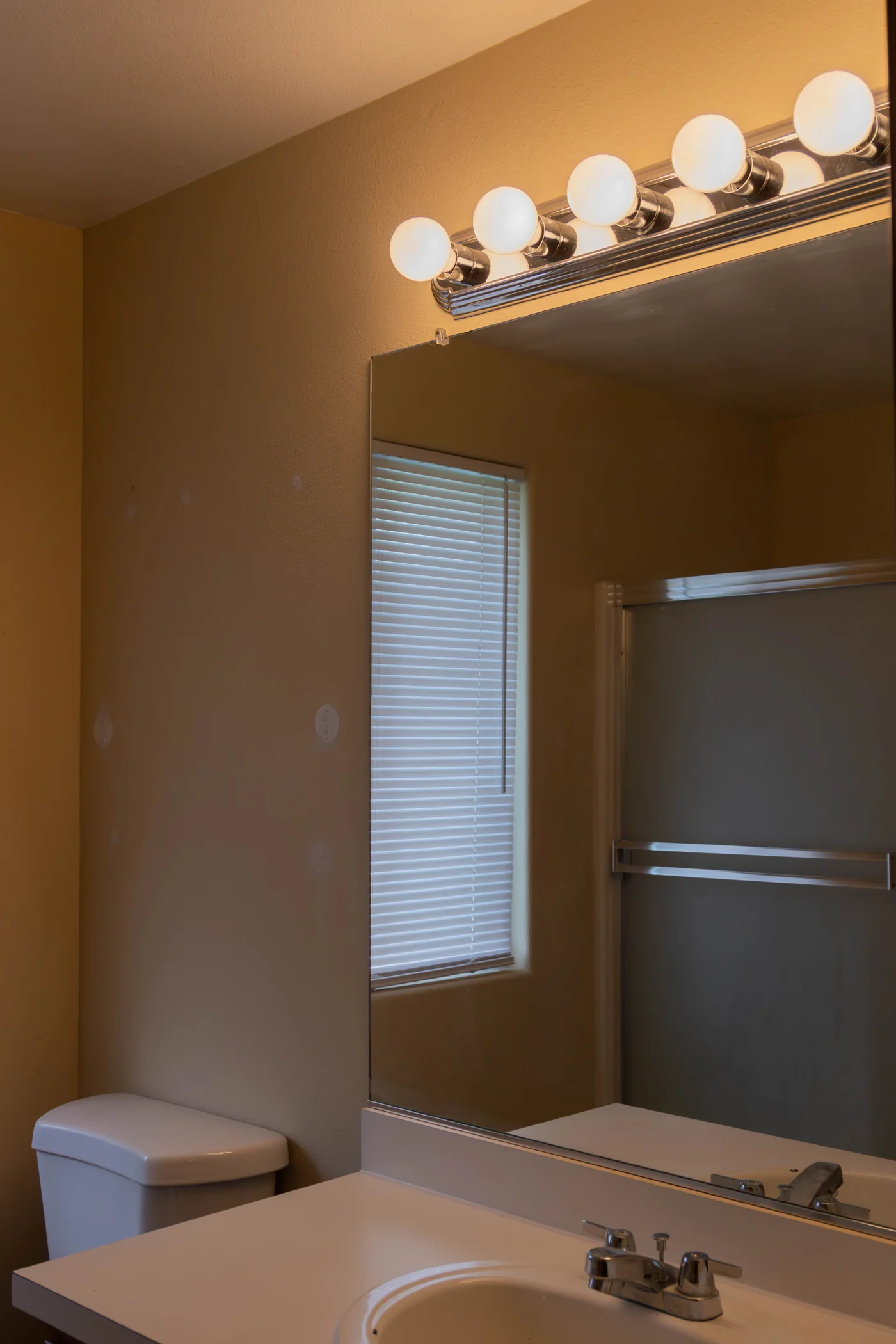
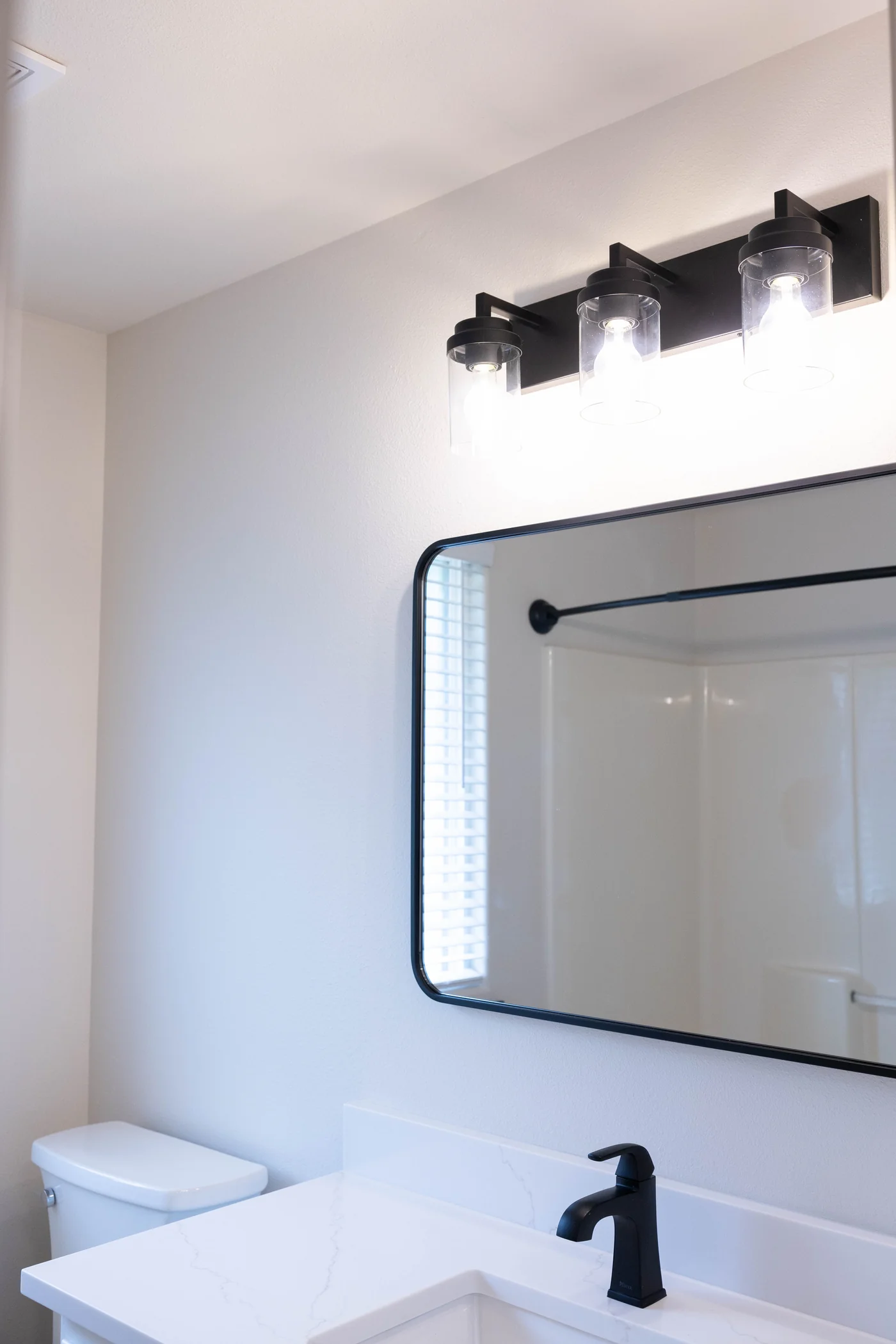
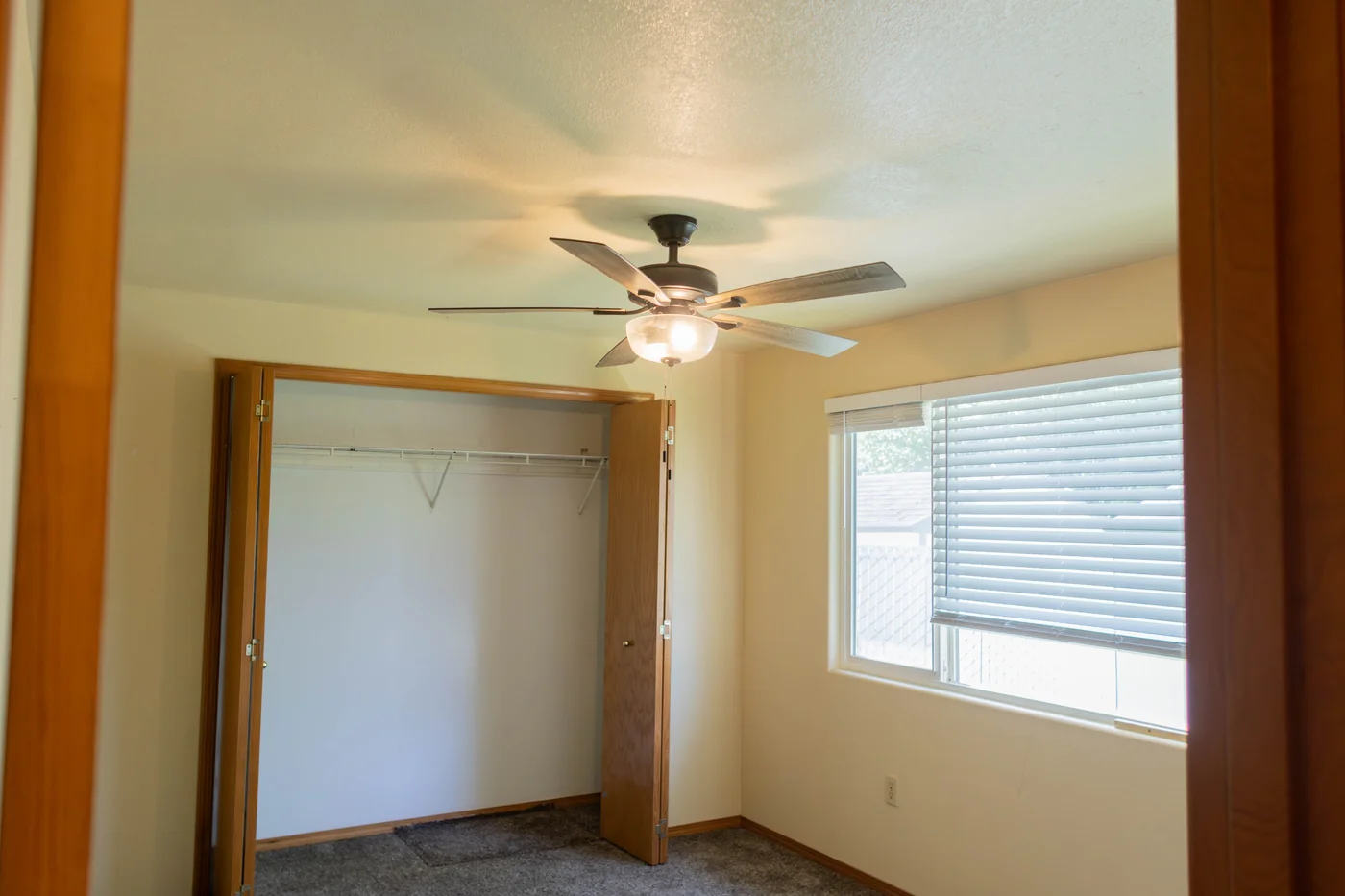
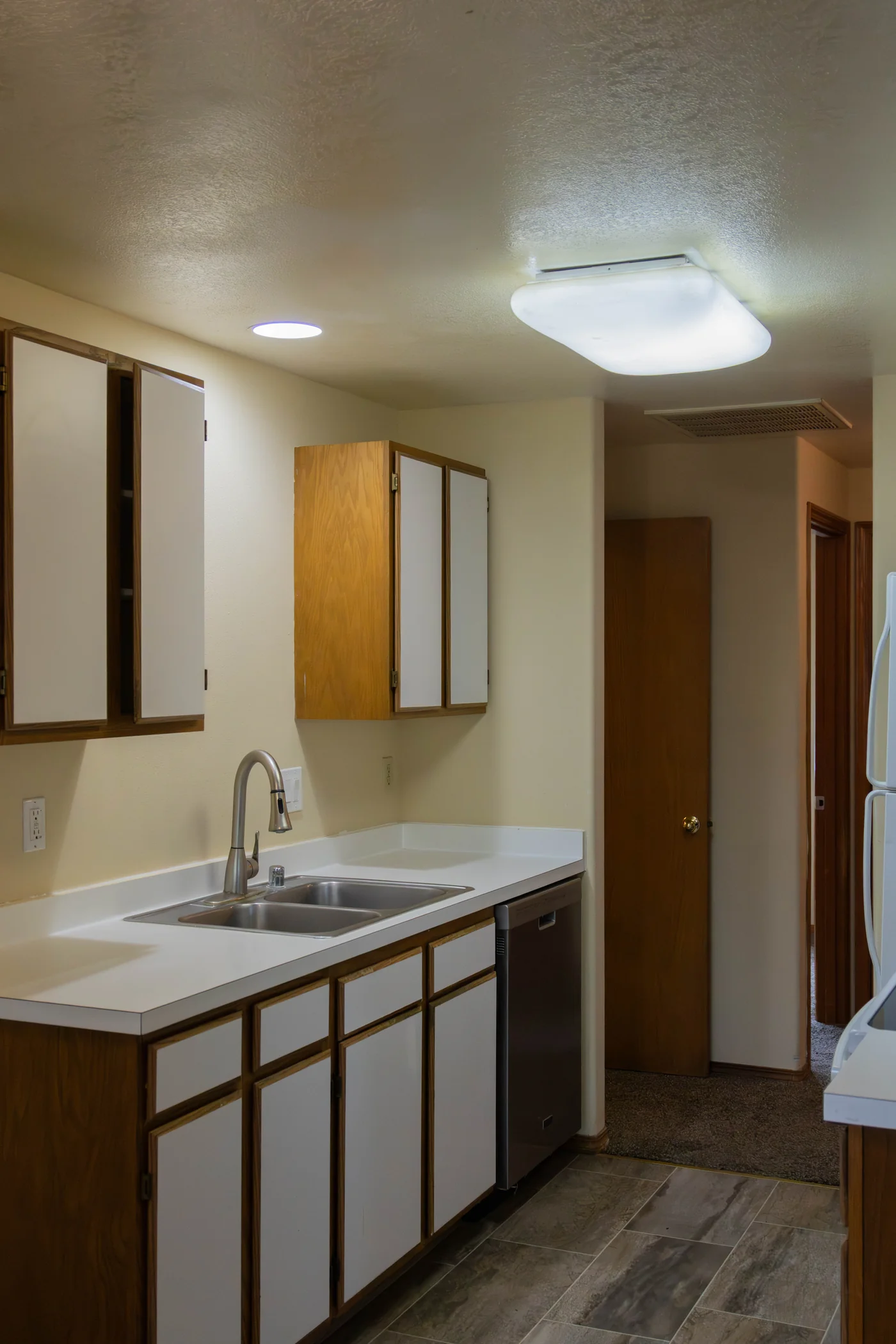
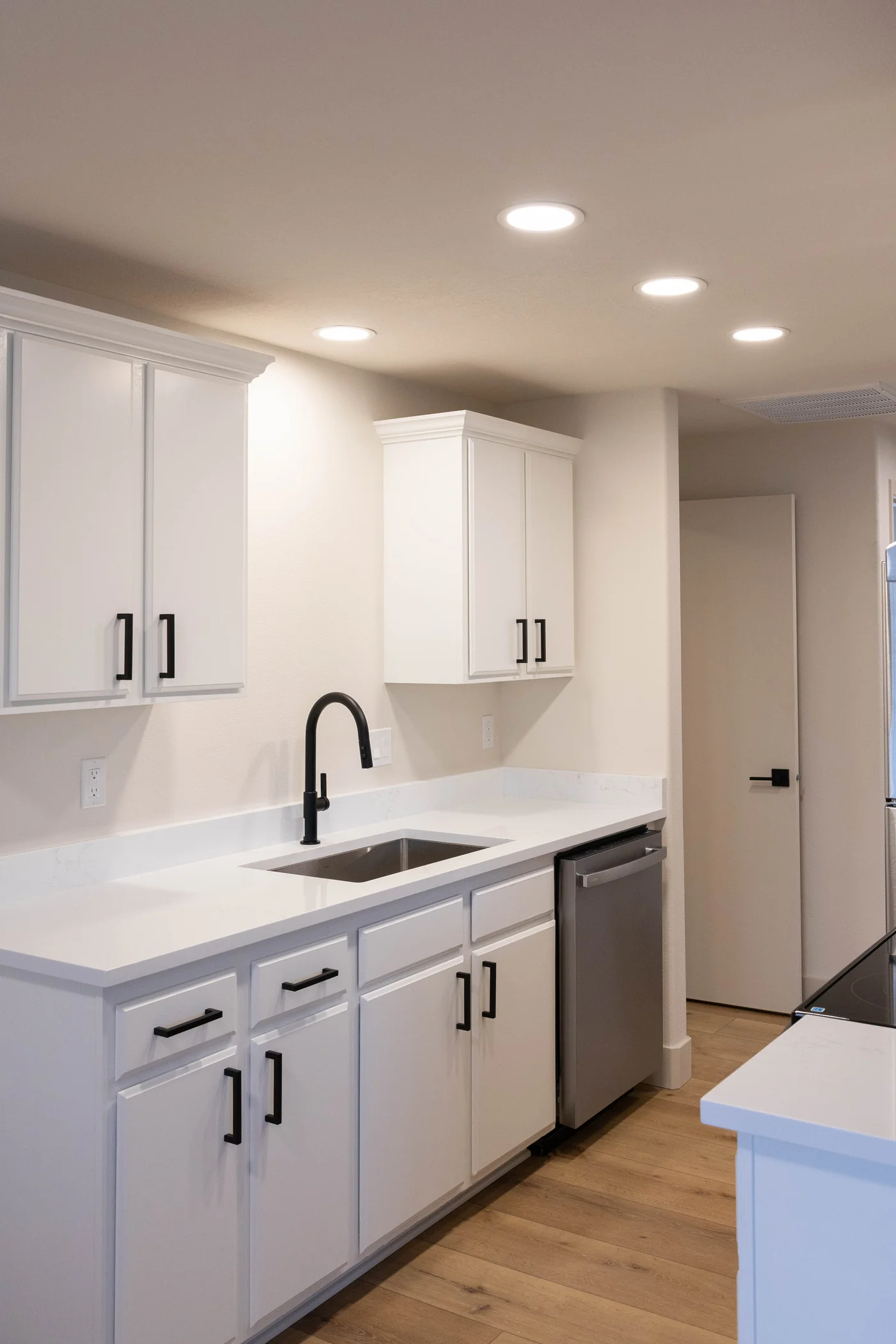
Three real projects, photo-documented for the insurance carrier. Drag each handle to compare.
“We've had the bittersweet opportunity to have Robinson in our lives twice now. First, for a major 3,000 sq ft mold remediation of our crawl space. Then last week, we had an unfortunate flood. I don't know what we would have done without them.”
T Marie C · Google Review
“Chuck and Cole were very professional, courteous and knowledgeable about their restoration skills including close out processes. I'm really happy they were the two employees assigned to our home.”
Joanna Gamble · Google Review
“We hired Robinson Restoration after a boiler joint failed and leaked what we thought was a small amount of water in our laundry room, but turned out to be more serious than it appeared. They did a fantastic job from first contact to insurance claim approval.”
Randi Covin · Google Review
In Washington, you choose your restoration contractor, and your carrier can’t penalize you for it. We document every Castle Rock loss with moisture maps, photos, and daily readings, then bill your insurer directly. You pay your deductible. That’s it.
Subject to policy coverage and deductible. We handle the paperwork, photos, and adjuster calls.
The crew that answers a Castle Rock call is the same one working the Cowlitz River corridor all year, so nobody's learning the area on your emergency. Dispatch is staffed around the clock. Technicians show up with truck-mounted extraction, commercial air movers, and dehumidifiers sized to the space, and your insurance carrier gets billed directly with photos and moisture logs attached.
Castle Rock is part of our standard Cowlitz County coverage. Dispatch is answered live 24 hours a day and typically we are on-site in 90 minutes or less. Crews arrive with extraction, pumps, and drying equipment already on the truck, so the work begins immediately instead of waiting on a second trip for the right gear.
Rising water from a river or from groundwater is generally excluded under a standard homeowners policy and falls to separate flood coverage instead. Water from a broken pipe, a failed appliance, or a roof leak is a different matter. We document the source, the water line, and the affected materials so the right claim gets filed and nothing gets misclassified.
Post-and-pier foundations from the timber years leave crawlspaces open to bare soil, and Castle Rock ground stays saturated for months. Moisture evaporates upward into joists, subfloor, and ductwork all winter. Homeowners usually notice it as a musty smell or a cold floor rather than visible water, and by then the framing has been damp for a long time.
Insulate any line you can reach in the crawlspace, close foundation vents temporarily during the freeze, and let a faucet on the most exposed run drip overnight. Know where your main shutoff is before you need it. After the cold breaks, walk the crawlspace and check for spray or drips, since that is when a split line finally shows itself.
We handle mitigation directly: extraction, controlled demolition, drying, and cleaning to IICRC standards. The rebuild is managed by Robinson through vetted licensed contractors and sister companies, coordinated for you under one point of contact. That keeps the repair scope aligned with the documented moisture damage instead of starting over with a new estimate.
We set moisture meter readings at fixed points on day one and take those same points every day. Drying is done when the affected materials reach the dry standard set by unaffected materials in the same house, not when the calendar says so. Every reading, along with photos and equipment placement, goes into the file your adjuster receives.
Wet framing in Castle Rock does not dry on its own. Call and a crew heads your way.
Licensed · Insured · IICRC Certified · Serving Washington & Oregon