Robinson Restoration is an IICRC-certified water damage restoration company serving Longview, WA. Crews dispatch 24 hours a day, arrive on-site in 90 minutes or less, document the readings and photos your carrier needs, and bill your insurance directly on covered claims.
Longview was drawn on paper before it was built, which is why so much of it went up in the same decade and shares the same aging plumbing. Craftsman and Tudor homes from the twenties and thirties fill the older neighborhoods, and water finds their weak points every winter. We answer 24 hours a day.
The city sits on low ground near the confluence of the Cowlitz and the Columbia, protected by a levee system and drained by a network of ditches and Lake Sacajawea at the center of town. That means a high winter water table, crawlspaces that take on standing water, and basements that seep along the cold joint. The original planned-city housing adds galvanized supply, cast iron waste, and plaster walls to the mix.
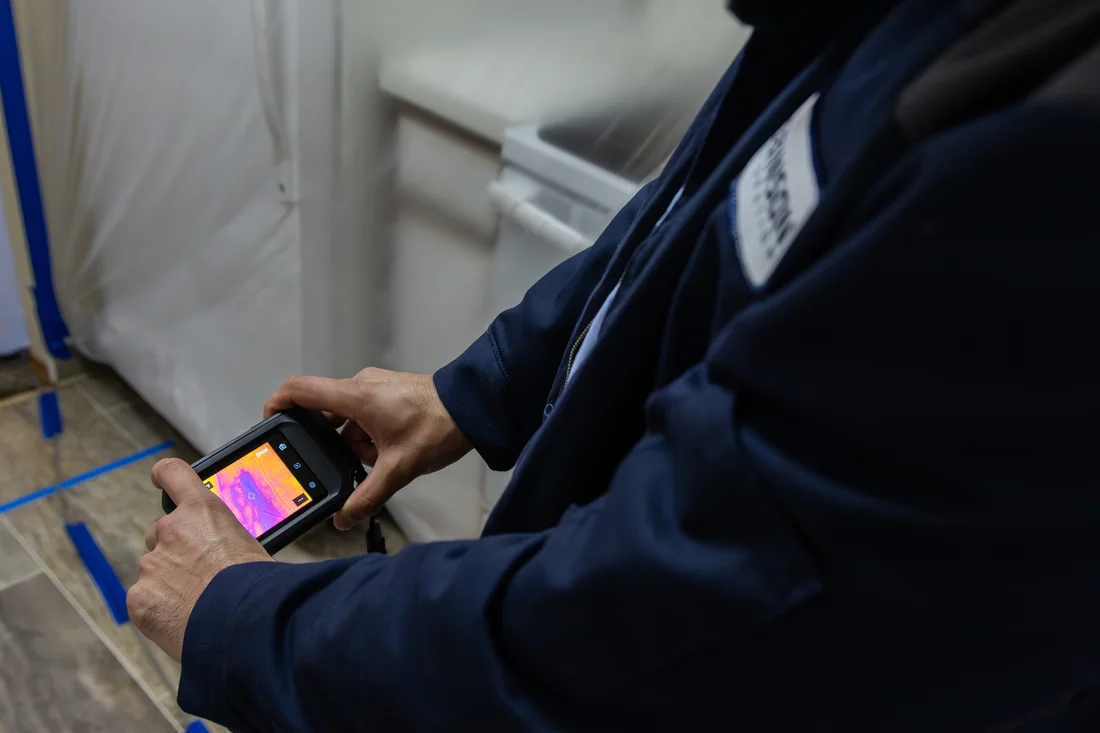
Our Cowlitz County coverage runs out of the Vancouver headquarters with 24-hour dispatch, and crews carry full extraction, dehumidification, and monitoring equipment on every call. Longview jobs get moisture mapping on arrival, daily readings, and photographs of every affected area, handled to IICRC standards. We bill most carriers directly so you deal with your deductible and nothing else. Rebuild work is managed through vetted licensed contractors.

Longview is on our regular Cowlitz County route, and the emergency line is staffed every hour of every day, holidays included.
24 hours a day, 7 days a week, our crews dispatch the moment you call and start mitigation the same visit. Call dispatch or message us for immediate help.
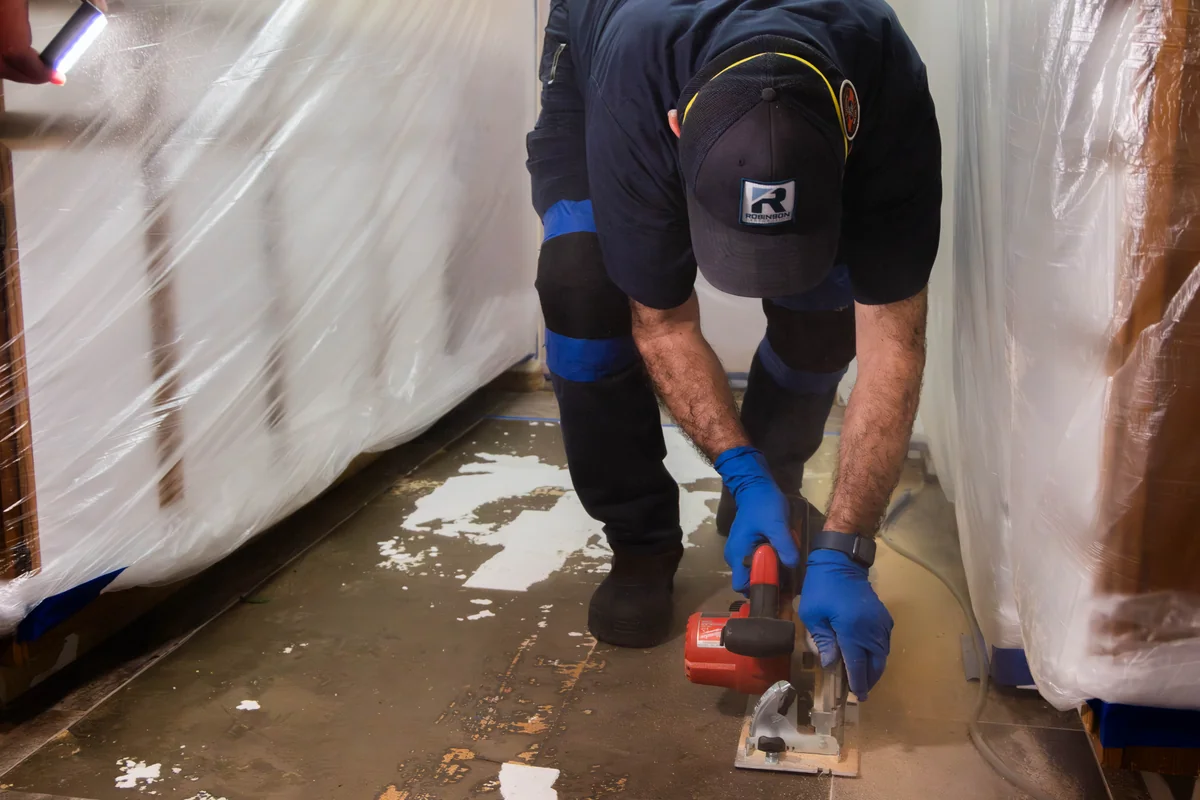
We stop further damage with commercial extraction, structural drying, and antimicrobial treatment, and we walk you through the entire insurance claim as we work.
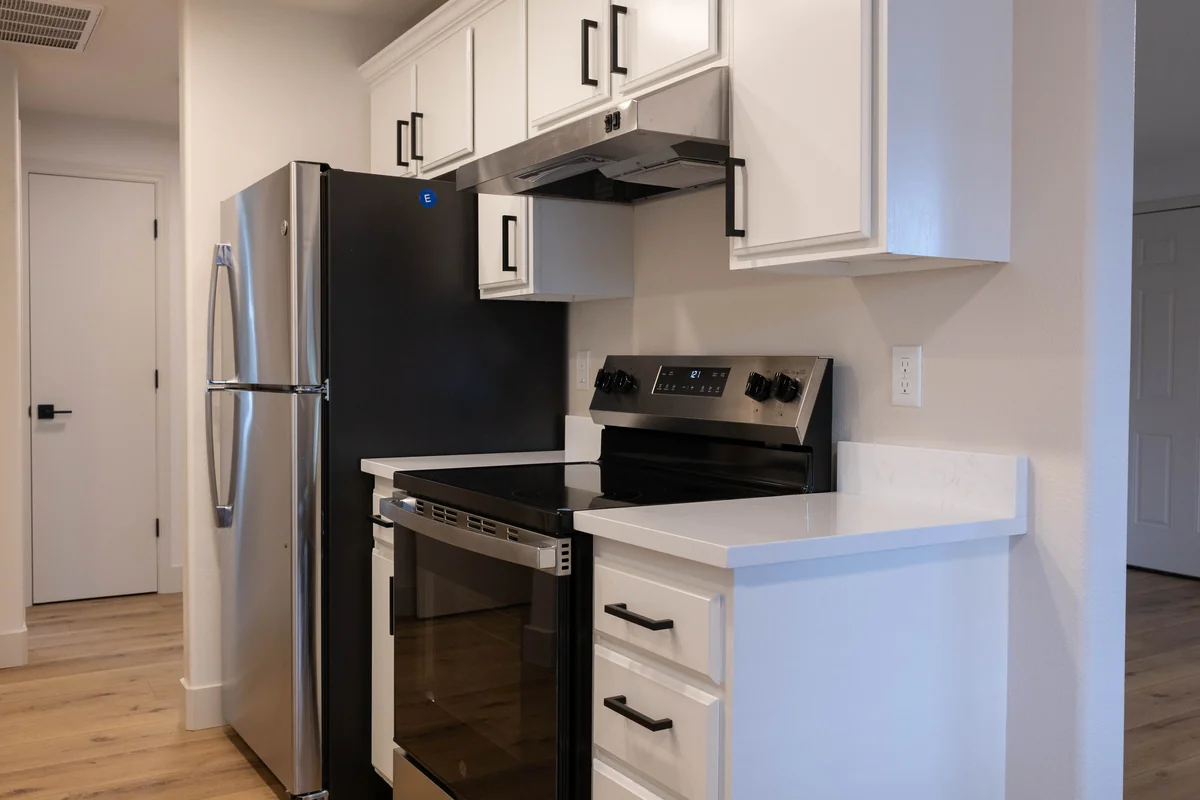
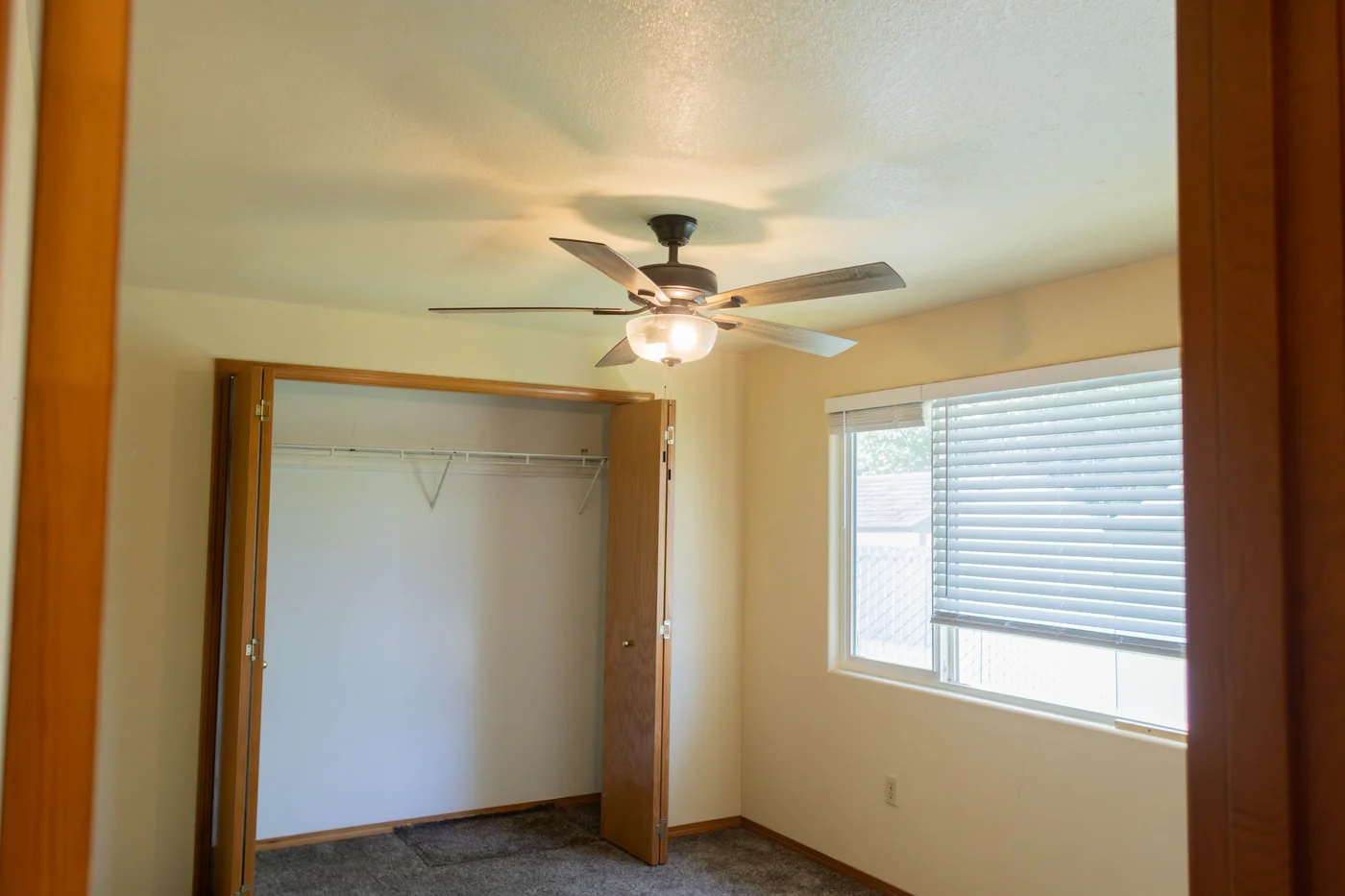
We manage your rebuild to pre-damaged condition through our trusted network of licensed contractors and sister companies. One manager, one timeline.
Because so much of Longview went up in the twenties and thirties, entire neighborhoods hit the same failure points at the same time. Galvanized supply lines close up with corrosion, cast iron waste cracks at the hubs, and plaster walls hold water long after the surface looks dry. We meter behind the finishes instead of trusting what a wall looks like.
Sitting on the flats near two rivers means groundwater rises with the season rather than with a single storm. Crawlspaces that were dry in September can hold inches by January, and basements seep where the slab meets the wall. Drying those spaces takes real dehumidification capacity, since the ground keeps feeding moisture back in the whole time.
This is still a working town, and plenty of Longview households run shift schedules that leave a house empty for twelve hours at a stretch. A supply line that fails at the start of a shift has all day to work. We take after-hours calls at the same priority, and we can meet a family member or a neighbor with a key.
Clay and cast iron laterals under century-old streets crack, sag, and fill with roots. Heavy winter flow through a compromised line is what pushes sewage back up a basement floor drain. That is a category three loss from the first minute: porous material out, hard surfaces cleaned and treated, structure dried and verified, all of it documented.
Most of the losses we run in Longview start one of three ways: burst and leaking pipes, sewage backups, and roof and storm leaks. Here is why each one happens here, and what it takes to dry it properly.
Original galvanized lines in Longview's 1920s and 1930s housing narrow with scale until pressure finds the thin spot. The break is usually inside a plaster wall or a crawlspace, quietly soaking framing before anyone notices a pressure drop.
Aging clay and cast iron laterals under the older neighborhoods crack and fill with roots. Add heavy winter flow and the line backs up into the lowest fixture in the house, usually a basement floor drain.
Steep-pitched roofs on the old planned-city homes have complicated valleys and dormers, and the flashing details are a hundred years old in places. Long rain events push water under the roofing and into the wall assembly.
Water is how most losses start. It’s rarely where they end. The same local crew handles all of it.
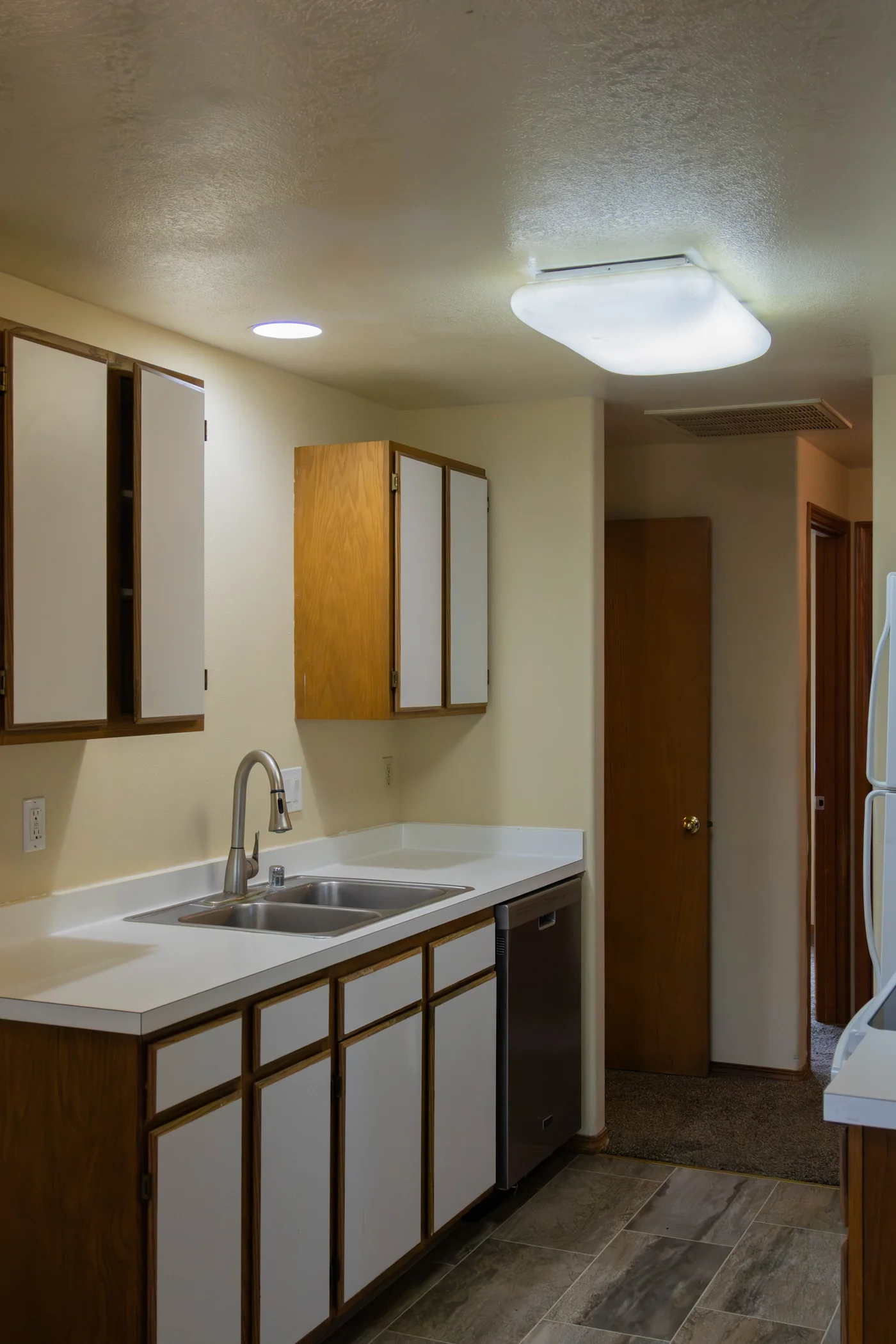
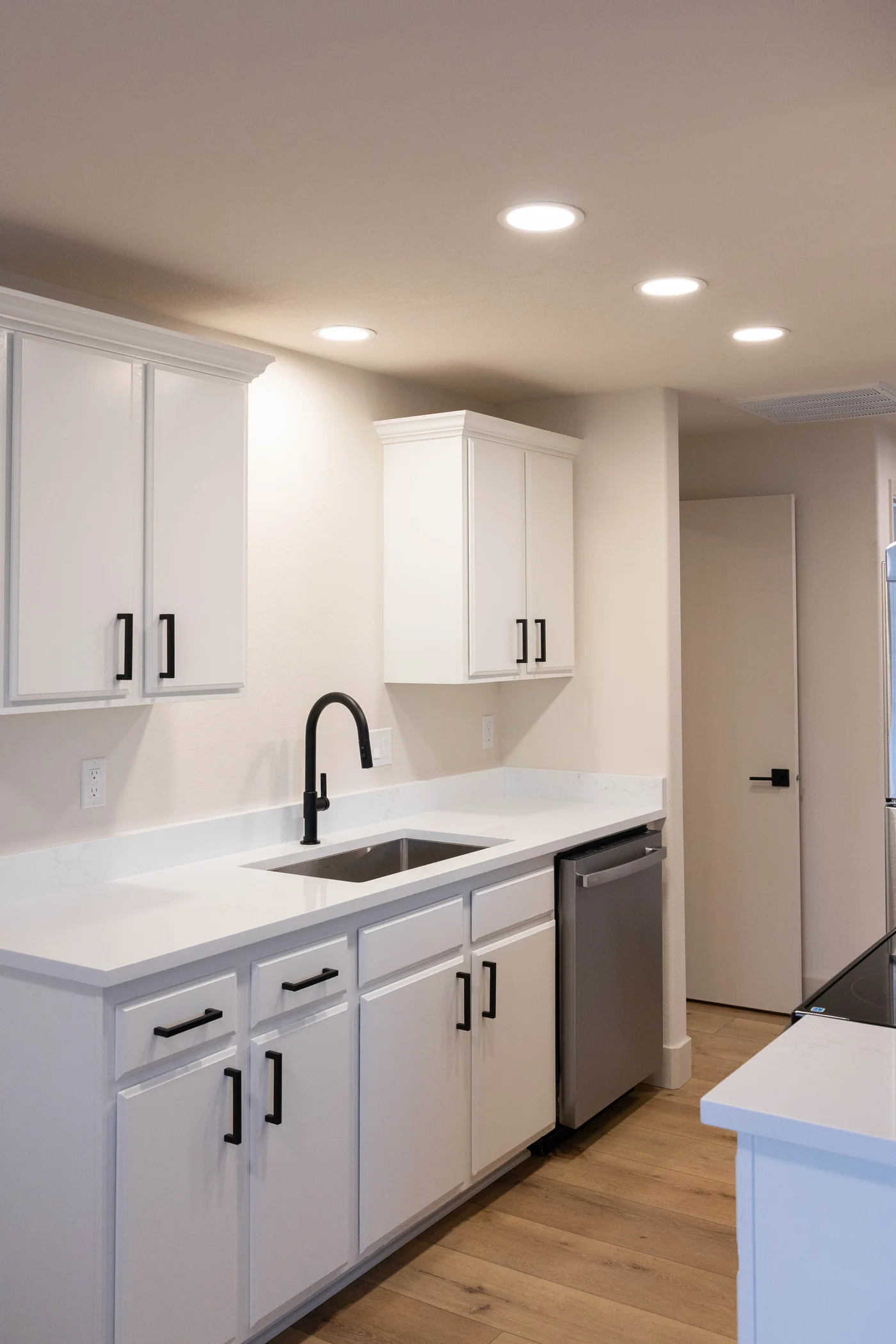
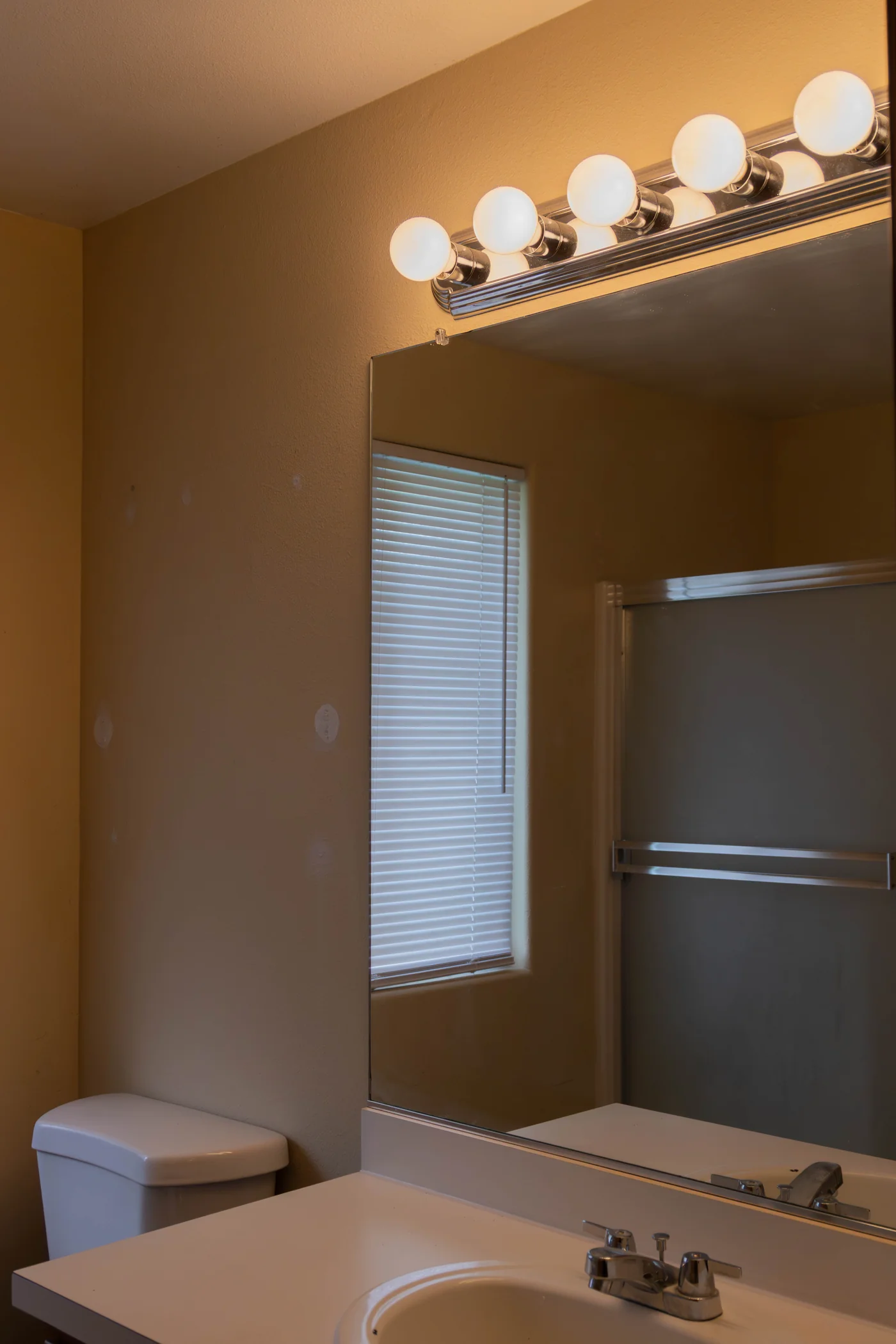
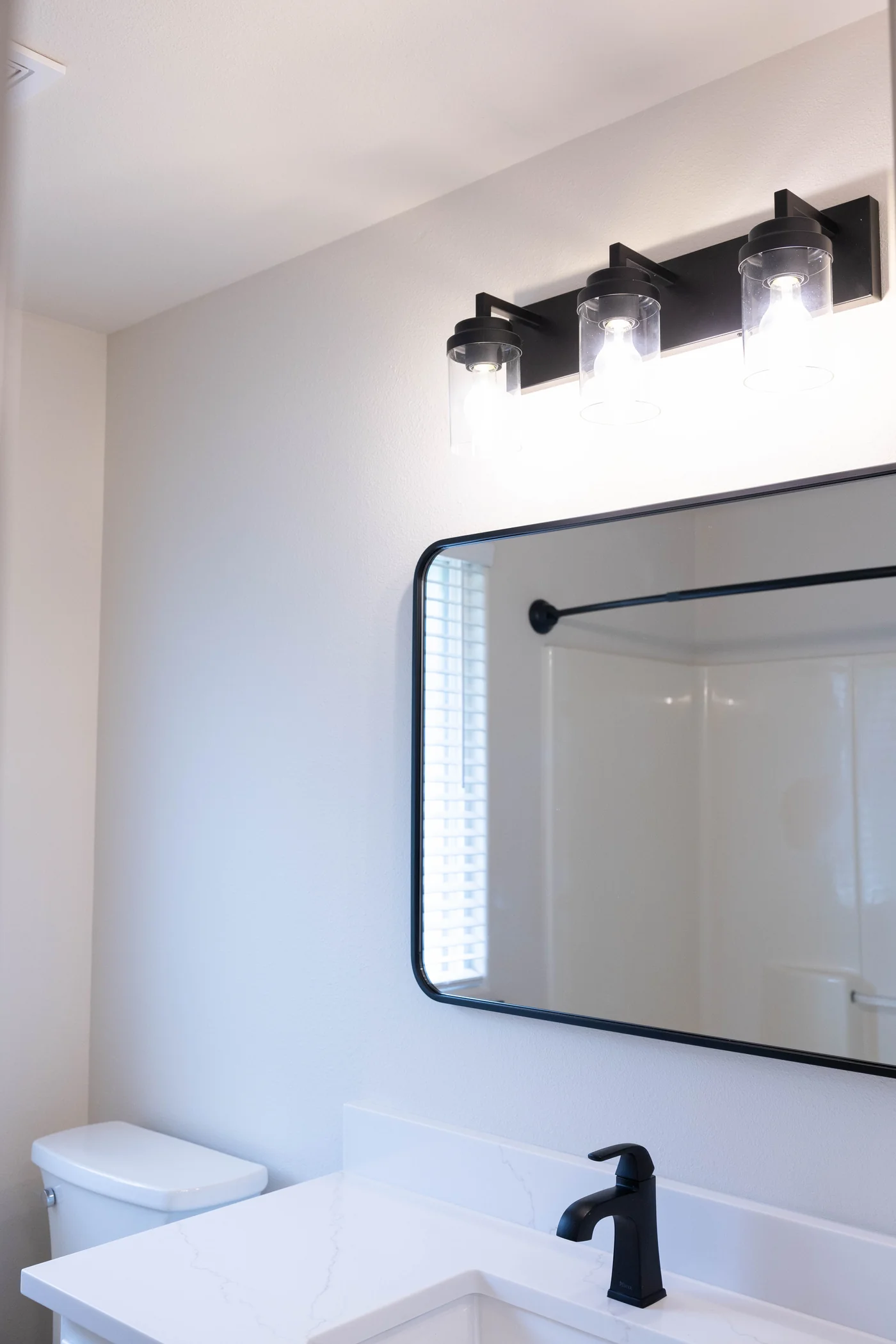
Three real projects, photo-documented for the insurance carrier and backed by our 5-year workmanship warranty. Drag each handle to compare.
“One of the pipes in the shower burst and water damage got all over the roof in the kitchen. As new home owners we were very scared and panicked. We contacted Kelly Farmer from Robinson Restoration and believe me when I say I felt like more than half of my problem was solved.”
Nav Basra · Google Review
“Just started a project with Cole and Chuck at Robinson Restoration and had to write a review straight away. These guys have been fantastic. We were away on a week long trip when we had a kitchen leak that destroyed our flooring and subfloor.”
Justin O'Neill · Google Review
“I want to express our sincere gratitude to the Robinson team that quickly moved to identify, rectify, repair, and then clean up the mess left by an itty-bitty hot water leak that went unnoticed because of its location.”
Michael Quinn · Google Review
In Washington, you choose your restoration contractor, and your carrier can’t penalize you for it. We document every Longview loss with moisture maps, photos, and daily readings, then bill your insurer directly. You pay your deductible. That’s it.
Subject to policy coverage and deductible. We handle the paperwork, photos, and adjuster calls.
Our Cowlitz County technicians cover Longview, and the dispatch line runs 24/7 with people who can get a truck moving instead of taking a message. Crews arrive with extraction gear, air movers, and dehumidifiers already on board, then start pulling water out on the first visit. We bill your insurance company directly and document every reading.
Because they were built at the same time, out of the same materials, by the same crews. The planned city went up largely between the early twenties and the war, so galvanized supply lines across whole neighborhoods reach the end of their life within a few years of each other. If your neighbor had a pinhole leak last winter, that is worth paying attention to.
It is common in Longview, and common is not the same as acceptable. The water table on this low ground rises seasonally, and a crawlspace that holds water saturates insulation, grows mold on joists, and pushes humidity up into the living space. We extract, remove the ruined insulation and vapor barrier, dry and treat the framing, and put a proper barrier back.
Often, and it takes patience. Plaster over lath, which is what most of the older Longview housing has, holds moisture in the keys behind the lath where a surface meter reads dry. We drill discreet inspection points, dry the cavity with controlled airflow, and monitor until the readings hold. Blast it with heat and you get cracking and separation from the lath.
Only with a sewer and drain backup endorsement, which is a separate add-on most carriers sell cheaply. Plenty of Longview homeowners in the older neighborhoods carry it precisely because the laterals here are old. Check your declarations page. Regardless of coverage, the cleanup requirements are the same, and we document the full scope so you have what you need either way.
A few dollars a day per unit, and it is a legitimate part of the claim on most policies. We size the equipment to the actual affected volume rather than filling the room with machines, and we pull units as areas hit dry standard instead of leaving everything running to the last day. Longview customers get the daily log showing exactly what ran and when.
Robinson handles emergency response, extraction, structural drying, and decontamination with our own IICRC-certified technicians. The reconstruction phase is managed through licensed contractors and sister companies, with us coordinating scope and schedule so the Longview repair matches what the insurance file documented. You get one point of contact from the first phone call through the final walkthrough.
Wet subfloor and old plaster don't wait for morning. Call Robinson and we'll get a Longview crew rolling.
Licensed · Insured · IICRC Certified · Serving Washington & Oregon