Robinson Restoration is an IICRC-certified water damage restoration company serving Kelso, WA. Crews dispatch 24 hours a day, arrive on-site in 90 minutes or less, document the readings and photos your carrier needs, and bill your insurance directly on covered claims.
Kelso sits where the Coweeman meets the Cowlitz, which is a fine place for a town and a hard place to keep water outside a house. Old mill-era homes, steep west-side streets, and a river system that runs high every winter keep our crews busy here year-round.
A lot of Kelso's housing went up between the 1910s and the 1950s for mill and rail families, so galvanized supply lines, cast iron drains, and partial basements are common. The Cowlitz carries a heavy sediment load left over from the 1980 eruption, and the levee and dredging work that followed shapes how this valley handles high water. Add hillside streets that funnel runoff downhill and you get basement seepage most winters.
Dispatch runs 24 hours out of our Vancouver headquarters and covers the Cowlitz County corridor every day of the year. Crews arrive with extraction, dehumidification, and the meters to prove what is wet and what is not. Every Kelso job gets moisture mapping, daily readings, and photo documentation to IICRC standards, and we bill most carriers directly. Reconstruction is managed through vetted licensed contractors and sister companies.

High water and hard freezes hit this valley together some years, and our Kelso dispatch is staffed for both, any hour, every day.
24 hours a day, 7 days a week, our crews dispatch the moment you call and start mitigation the same visit. Call dispatch or message us for immediate help.
We stop further damage with commercial extraction, structural drying, and antimicrobial treatment, and we walk you through the entire insurance claim as we work.
We manage your rebuild to pre-damaged condition through our trusted network of licensed contractors and sister companies. One manager, one timeline.
The Cowlitz and the Coweeman both rise on the same storms, and when they peak together the low ground in Kelso has nowhere to drain. Homes near the flats take it through crawlspace vents and basement windows. River water is never clean, so those losses get treated as contaminated and handled with full removal and antimicrobial work.
Homes built for mill and rail workers a century ago were built well, and then plumbed with materials that have a shelf life. Galvanized supply corrodes closed, cast iron drains crack at the hub, and a partial basement gives the water somewhere to collect. We find the failure with cameras and meters before anyone swings a hammer.
West Kelso climbs hard, and every long rain sends sheet flow down toward the older neighborhoods below. Driveways become channels, foundation drains silt up, and the house at the bottom of the grade collects what everyone above shed. Correcting that is a drainage job, but drying the structure and stopping the mold clock is ours.
East wind runs down the Columbia and drops temperatures in this valley faster than the coast ever sees. Older Kelso homes with uninsulated crawlspaces and exterior-wall plumbing are the ones that split. The break usually shows up during the thaw, not the freeze, which is why the calls stack up on the first warm morning.
Most of the losses we run in Kelso start one of three ways: flooding and groundwater, frozen and split pipes, and sewage backups. Here is why each one happens here, and what it takes to dry it properly.
The Cowlitz and Coweeman both drain into the same valley floor. When a warm atmospheric river melts the snowpack upstream, low Kelso neighborhoods can take river water through vents, window wells, and basement walls.
Gorge outflow can drop this valley into the teens for several days. Crawlspace runs and pipes in exterior walls of Kelso's older homes split during the freeze and let go when everything thaws.
Older neighborhoods run older laterals, and roots plus heavy winter flow are enough to back a main into a basement floor drain. That water is contaminated from the first minute and needs a category three response.
Water is how most losses start. It’s rarely where they end. The same local crew handles all of it.
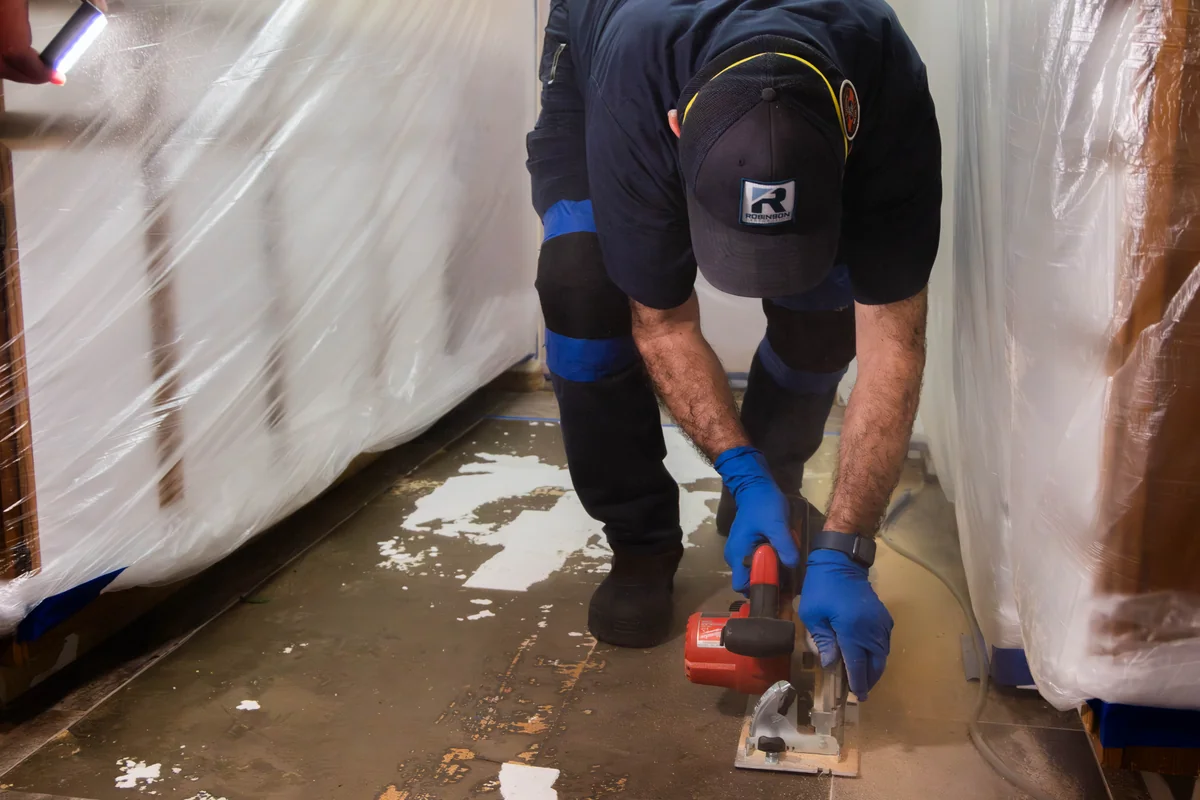
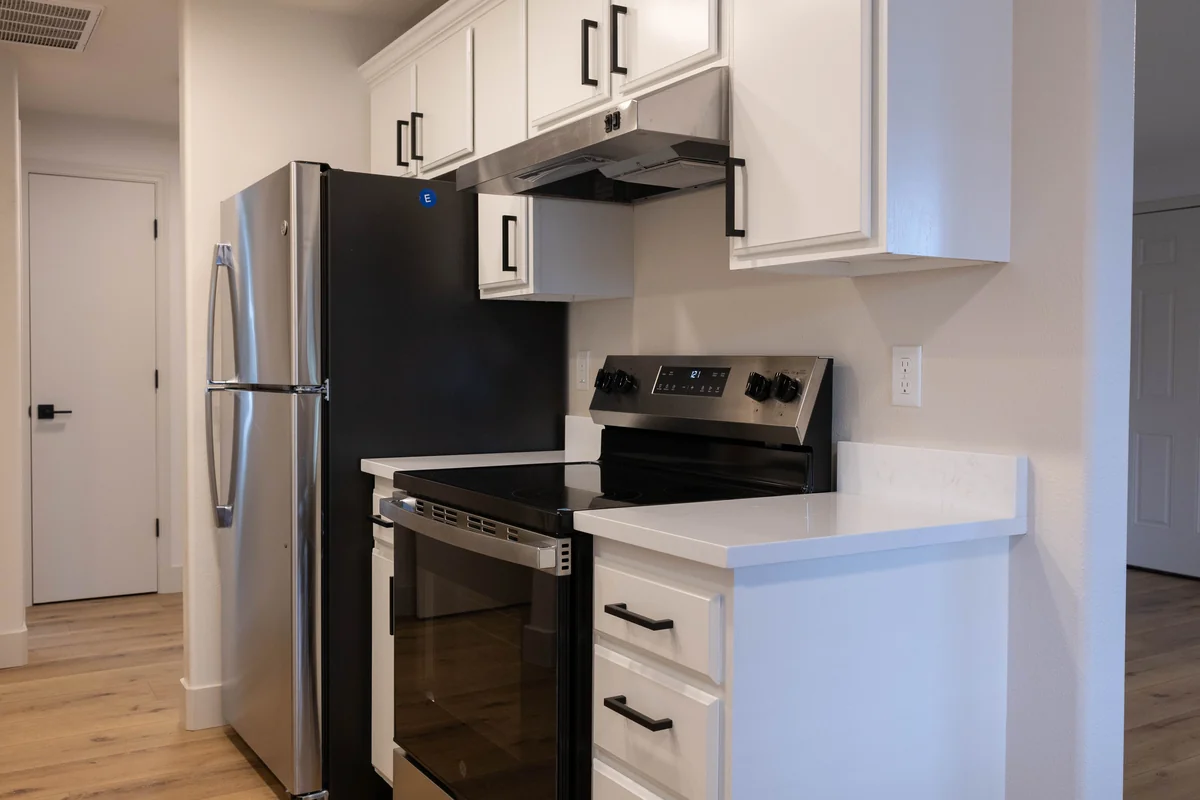
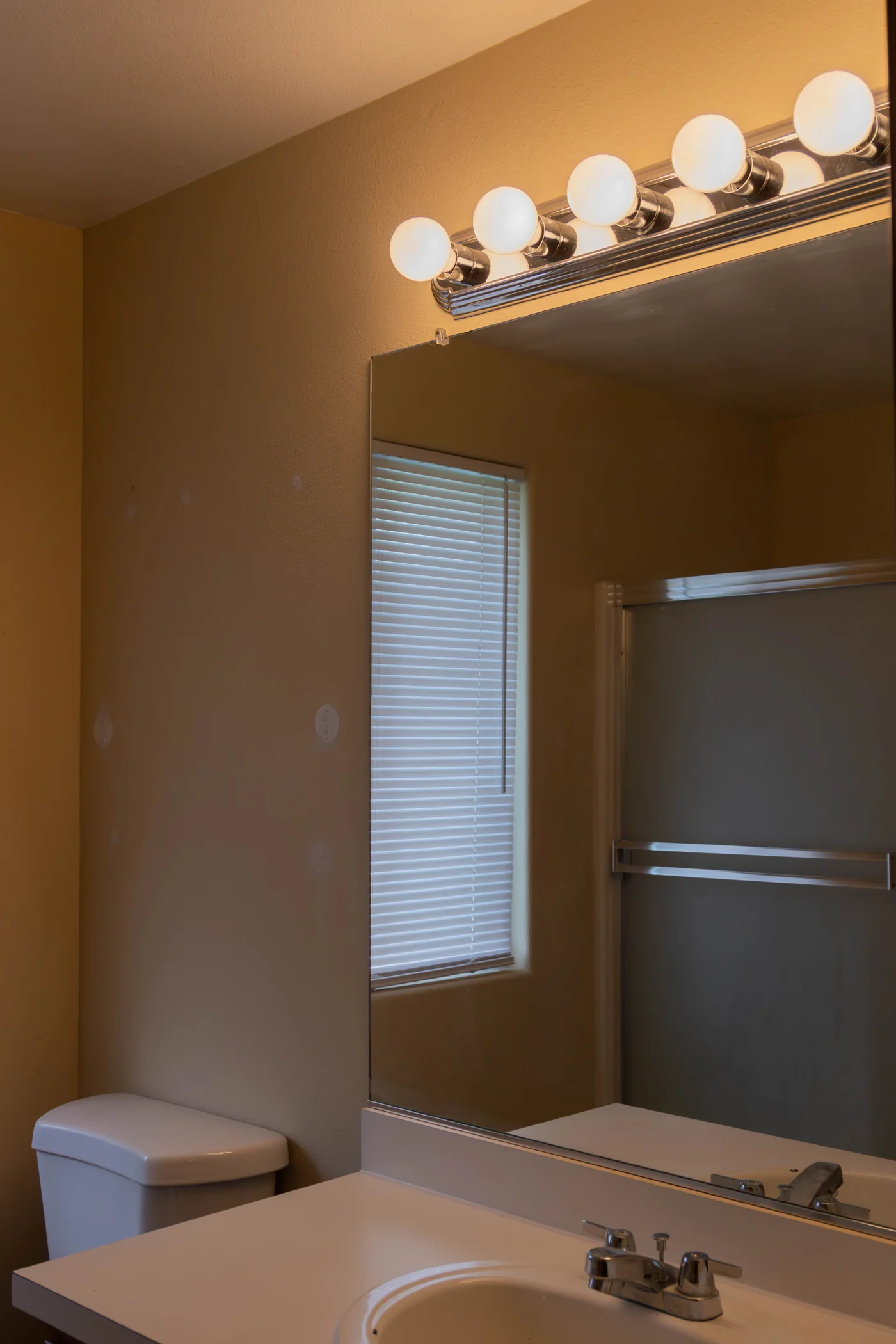
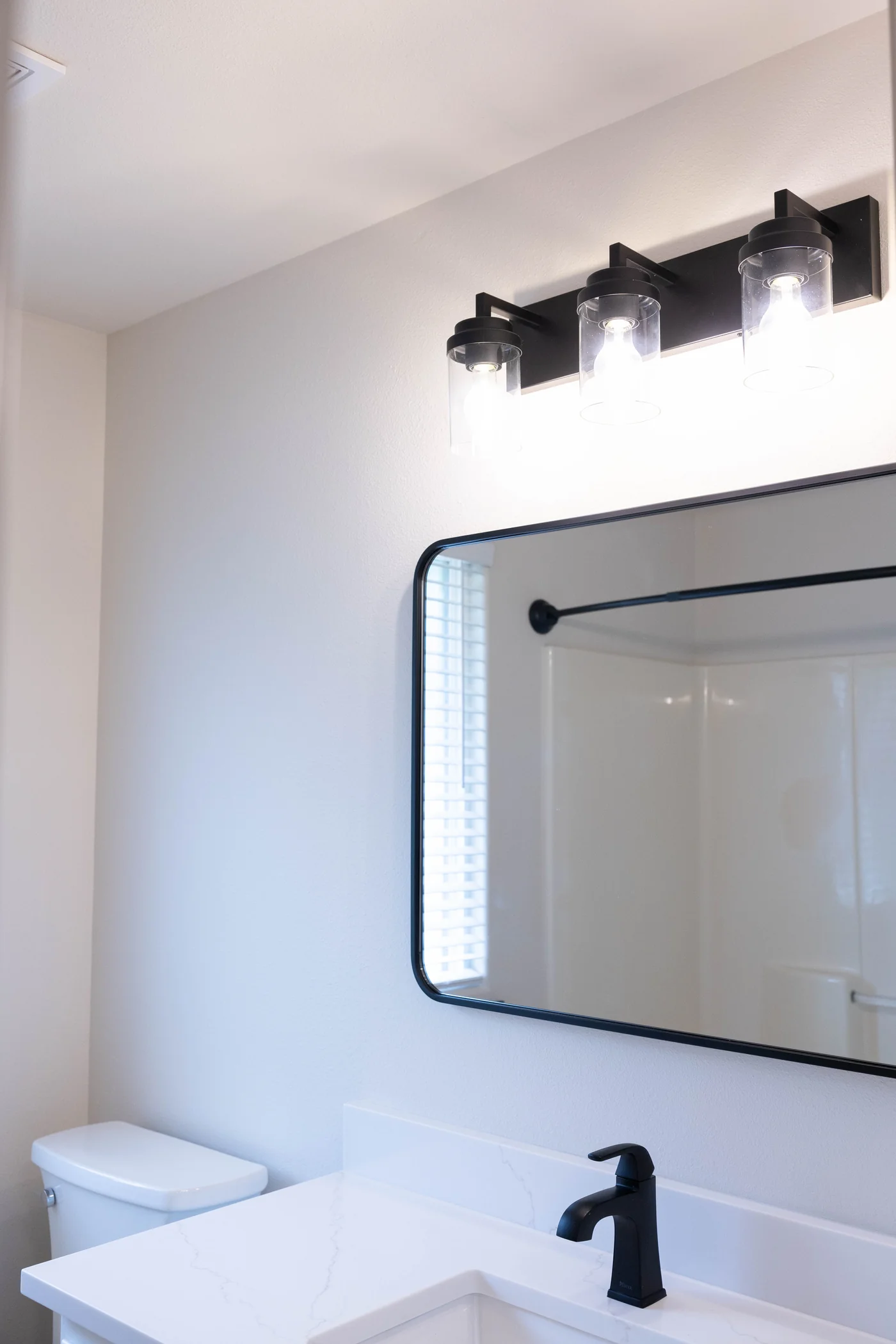
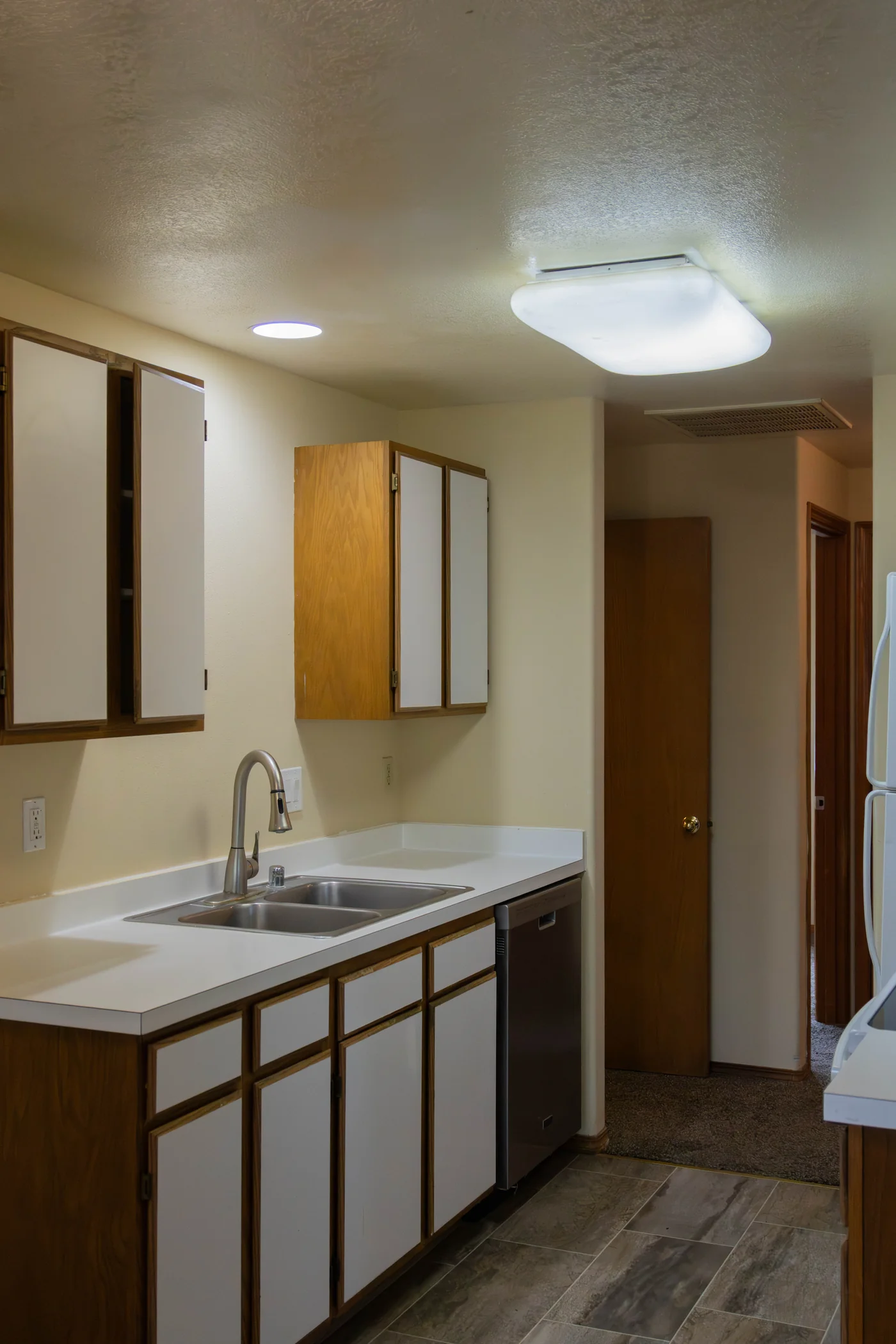
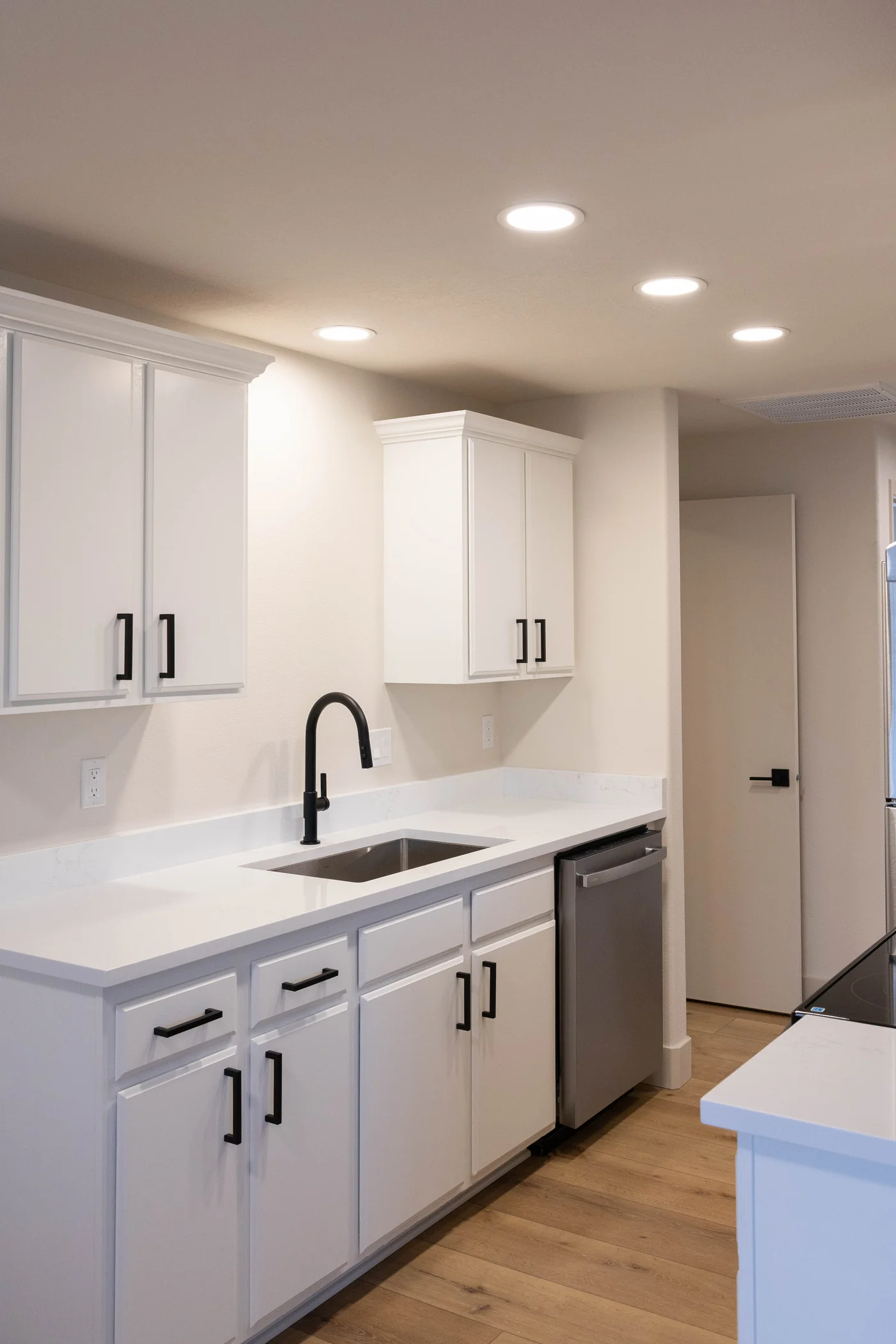
Three real projects, photo-documented for the insurance carrier. Drag each handle to compare.
“Had a leak in our wall and our plumber recommended Robinson Restoration to handle remediation of the water damage. Christian and Adolfo were awesome. Great communication throughout the setup of the containment area and installation of the equipment to start the drying process.”
Won Lee · Google Review
“We recently had an unfortunate plumbing issue that led to some significant flooding issues. On the recommendation of our plumber we reached out to Robinson Restoration to help us with drying out our house and getting it ready to be put back together.”
Don Warner · Google Review
“We've had the bittersweet opportunity to have Robinson in our lives twice now. First, for a major 3,000 sq ft mold remediation of our crawl space. Then last week, we had an unfortunate flood. I don't know what we would have done without them.”
T Marie C · Google Review
In Washington, you choose your restoration contractor, and your carrier can’t penalize you for it. We document every Kelso loss with moisture maps, photos, and daily readings, then bill your insurer directly. You pay your deductible. That’s it.
Subject to policy coverage and deductible. We handle the paperwork, photos, and adjuster calls.
Cowlitz County calls go to crews that already work this corridor, so a Kelso emergency gets a truck rolling instead of a callback later. Dispatch is live 24/7. Technicians arrive with extraction units, air movers, and dehumidifiers, then take moisture readings so nothing gets left wet behind drywall. We bill the claim directly to your insurance company.
Almost never. Standard policies exclude surface water and rising rivers, which is what a Cowlitz or Coweeman event produces. That coverage comes from a separate flood policy. Sudden internal failures like a burst supply line or a failed water heater are a different story and are usually covered. We document the source precisely on every job because that determination is the whole claim.
It is. Recurring seepage in a Kelso basement keeps the framing, the sill plate, and anything stored down there above the moisture level where mold grows. It also quietly rots the bottom of studs behind finished walls. We can dry it properly, document what has already been damaged, and give you a straight answer on which part is a drying job and which part is a drainage correction.
Because the ice is what holds the split closed. A pipe in a Kelso crawlspace or exterior wall freezes, expands, and cracks while the water in it is solid. Nothing leaks yet. Then the temperature climbs, the ice melts, and pressurized water pours through the break, often while nobody is home. Our phones light up on the first mild morning after a cold snap.
We stop the source, check the panel for electrical hazards, and identify the water category. Then we map the affected area with meters and thermal imaging, extract standing water, and set containment if the loss is contaminated. Before equipment goes in you get a plain explanation of the scope. Kelso homeowners get that same walkthrough at three in the morning as at noon.
Yes, and it is a full removal, not a cleanup. Contaminated water in a Kelso basement means carpet, pad, drywall to a measured height, and any porous contents come out. Framing and hard surfaces get cleaned, treated with an antimicrobial, and dried to standard with readings recorded daily. We document all of it because sewer backup coverage usually requires that level of proof.
We manage it. Robinson's own certified technicians handle the emergency work, extraction, structural drying, and decontamination. For the repair phase we bring in licensed contractors and sister companies, and we stay on as your point of contact so scope, schedule, and the insurance file all line up. Kelso homeowners get one number to call instead of chasing three separate trades.
Standing water in Kelso only gets more expensive overnight. Call the emergency line and we'll get moving.
Licensed · Insured · IICRC Certified · Serving Washington & Oregon