Robinson Restoration is an IICRC-certified water damage restoration company serving Carrolls, WA. Crews dispatch 24 hours a day, arrive on-site in 90 minutes or less, document the readings and photos your carrier needs, and bill your insurance directly on covered claims.
Carrolls sits low along the Columbia River south of Kelso, on bottomland that has always been wet ground. When water gets into a house here, gravity is working against you from the start. Robinson Restoration answers 24/7 and brings extraction, drying, and documentation on the first trip out.
This is rural Cowlitz County: scattered homes and manufactured housing on acreage, wells and septic systems, equipment barns, and long driveways off the freeway corridor. The river lowland keeps the water table high all winter and the ground stays saturated for months at a time. Crawlspaces standing in water are common, and so are homes where the finished floor sits barely above grade.
Our 24-hour line dispatches the crews covering Cowlitz County from the Vancouver headquarters. For calls out here we load extra hose, submersible pumps, and generators, since rural losses rarely come with convenient power or a drain nearby. Materials are metered and photographed, drying is logged daily to IICRC S500, and the file goes straight to your adjuster. We bill insurance directly and manage rebuild through vetted licensed contractors and sister companies.

Calls from Carrolls get crews that load for bottomland work: pumps, long hose runs, generators, and dehumidification sized for a soaked crawlspace.
24 hours a day, 7 days a week, our crews dispatch the moment you call and start mitigation the same visit. Call dispatch or message us for immediate help.
We stop further damage with commercial extraction, structural drying, and antimicrobial treatment, and we walk you through the entire insurance claim as we work.
We manage your rebuild to pre-damaged condition through our trusted network of licensed contractors and sister companies. One manager, one timeline.
River lowland ground holds water within a foot or two of the surface through the wet season. Crawlspaces here take groundwater from below rather than a leak from above, and a sump that keeps up in October can fall behind in January. Standing water under a floor rots joists and girders quietly, one wet season at a time.
A lot of housing out here is manufactured, which puts supply and drain lines under the floor inside a belly wrap. When a line fails, the water collects in that wrap instead of showing up on the floor, sometimes for weeks. Removing and drying that assembly properly is different work than drying a stick-built crawlspace, and it cannot be skipped.
Bottomland acreage carries pump houses, hay storage, and equipment barns that nobody enters daily. Those buildings hold exposed plumbing over dirt or concrete, and a failure runs until someone happens by. Stored feed, tack, and equipment absorb water fast, and the structures themselves need serious air movement before they will release it.
The lower Columbia funnels cold east wind through this stretch in winter, and exposed rural plumbing takes the brunt. Well lines, pump house piping, and the underfloor plumbing on manufactured homes are the usual casualties. Damage rarely appears during the freeze itself, showing up instead when things thaw and pressure returns to a split line.
Most of the losses we run in Carrolls start one of three ways: flooding and groundwater, sewage backups, and burst and leaking pipes. Here is why each one happens here, and what it takes to dry it properly.
Low ground along the river takes groundwater and surface runoff from every direction once winter storms stack up. Crawlspaces and low-sitting floors fill from below rather than from a broken pipe.
Septic drain fields set in saturated bottomland soil stop draining in the wet months, and the system backs up into the house. That water is contaminated and requires containment and removal.
Underfloor plumbing on manufactured homes and exposed lines in pump houses split during east wind cold snaps, then release water when the thaw arrives and pressure comes back.
Water is how most losses start. It’s rarely where they end. The same local crew handles all of it.
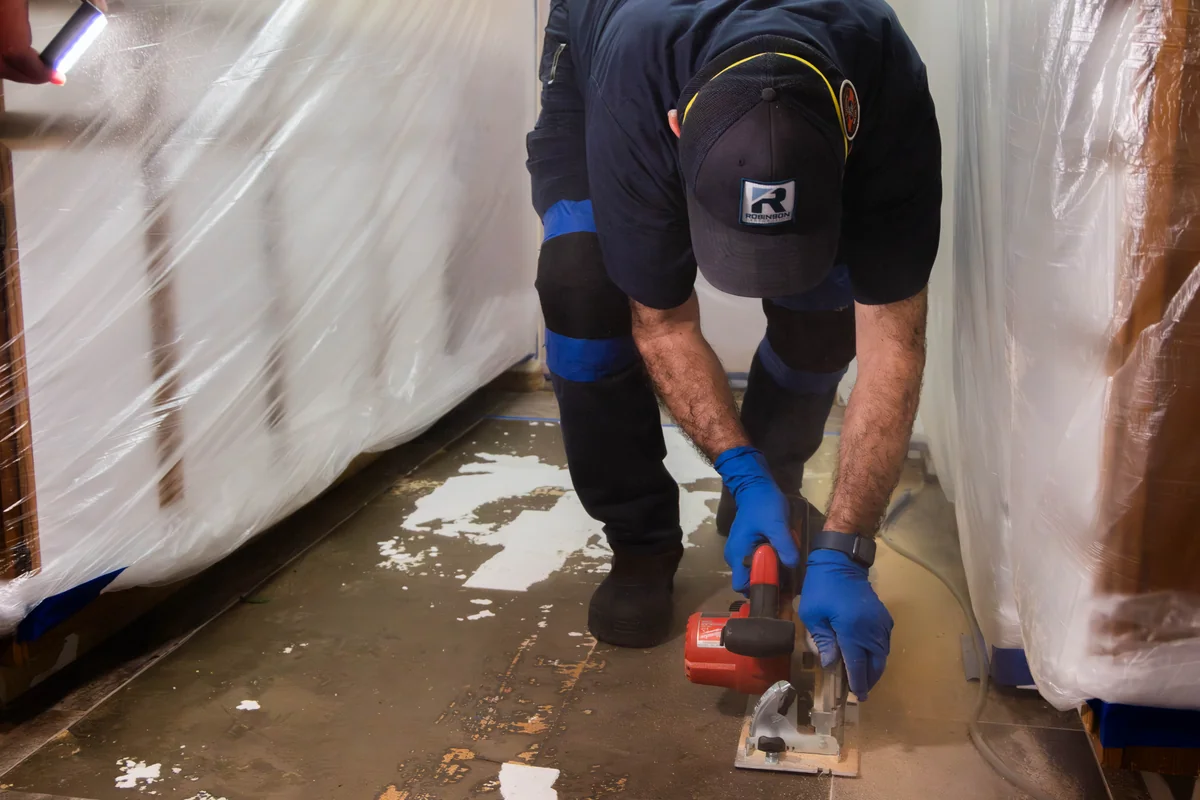
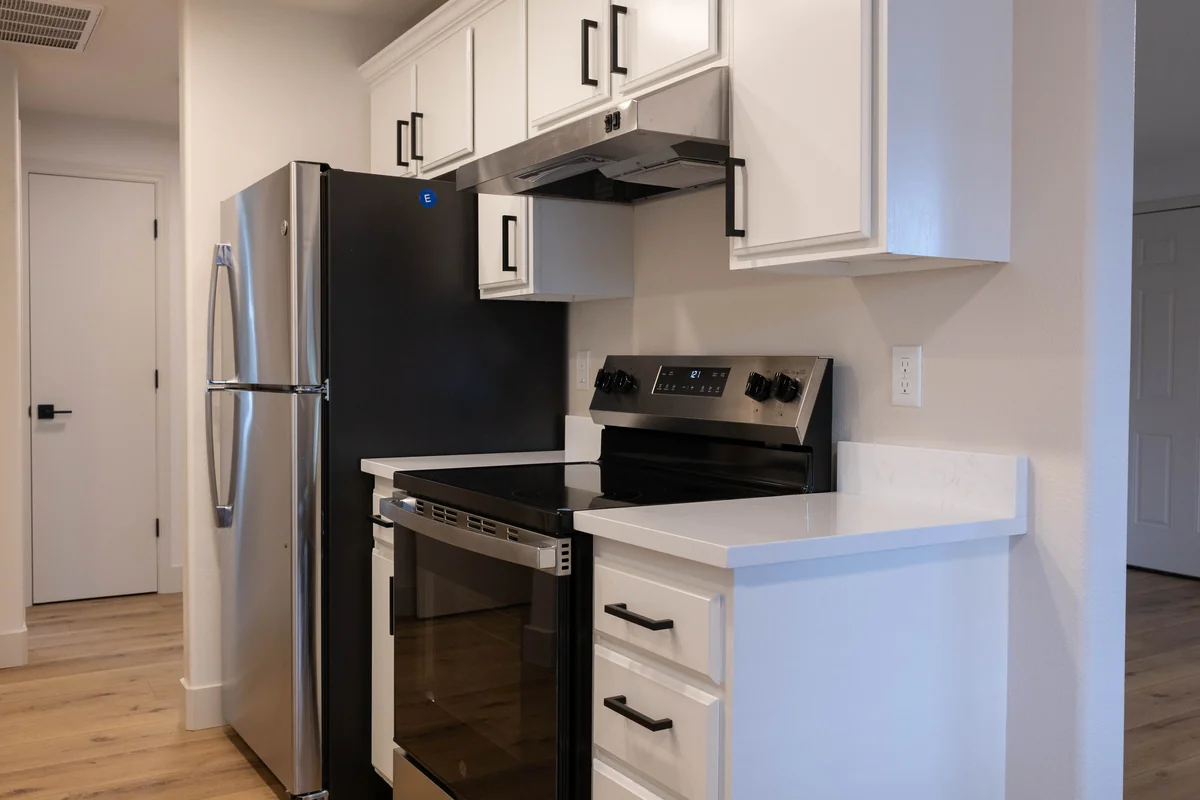
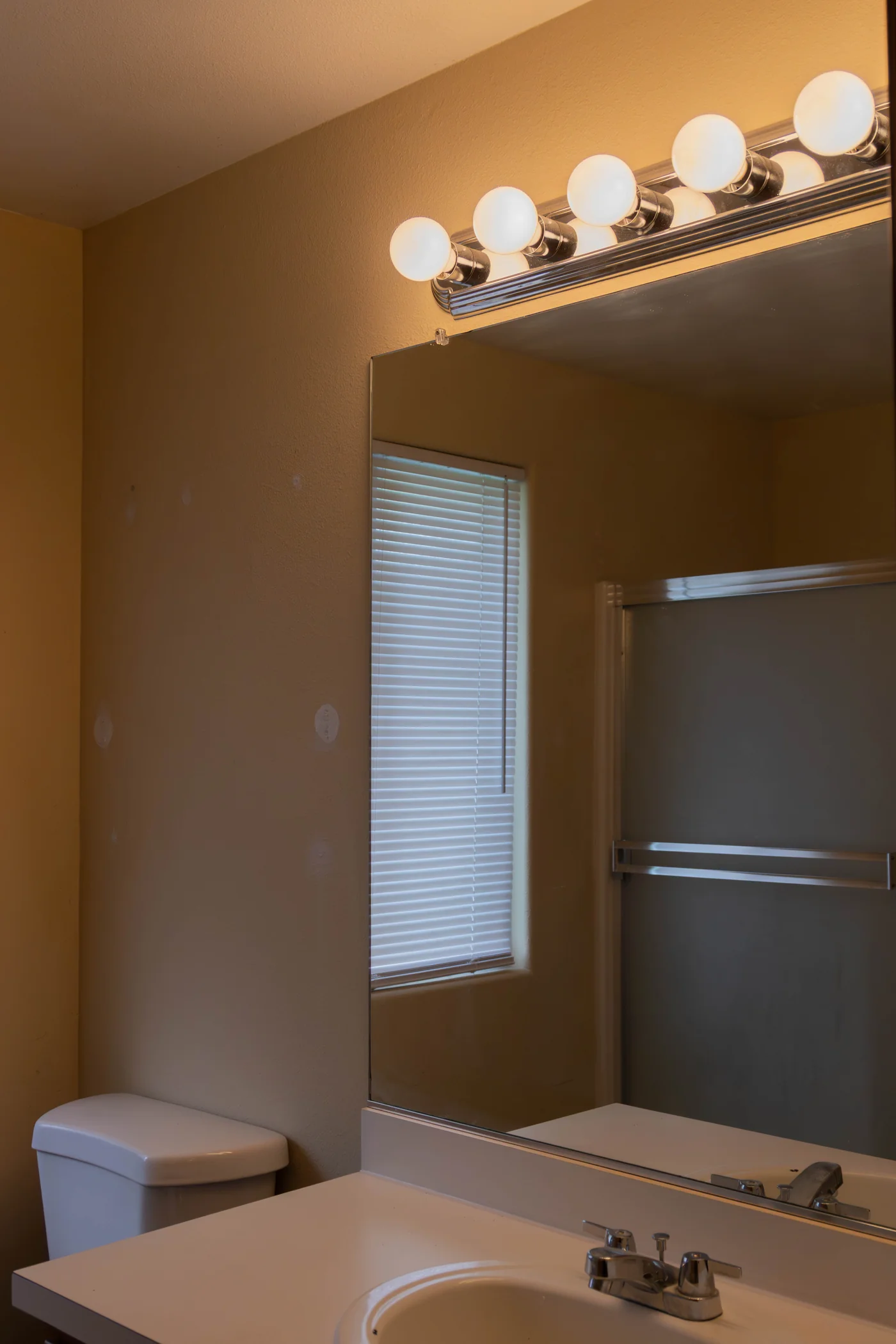
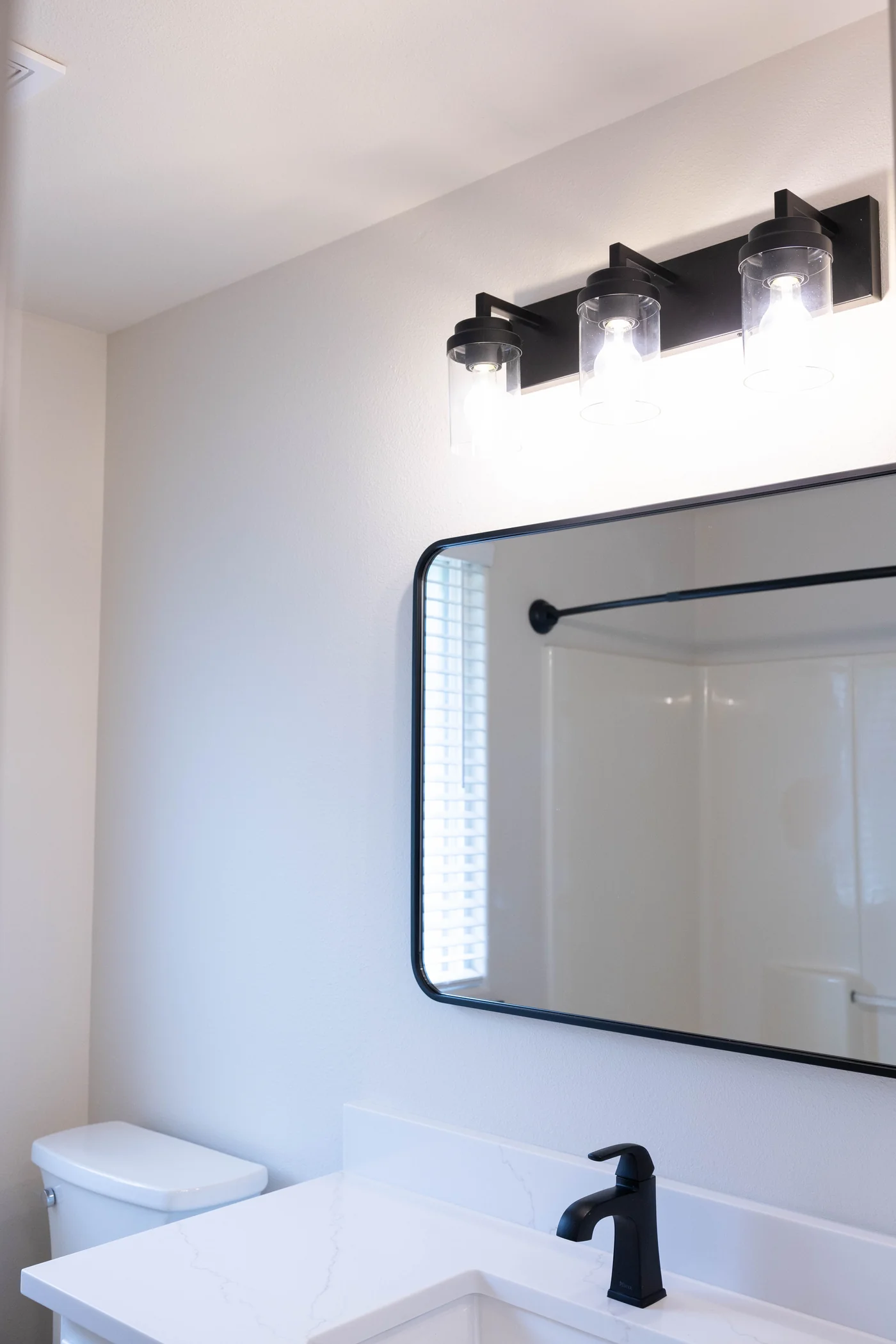
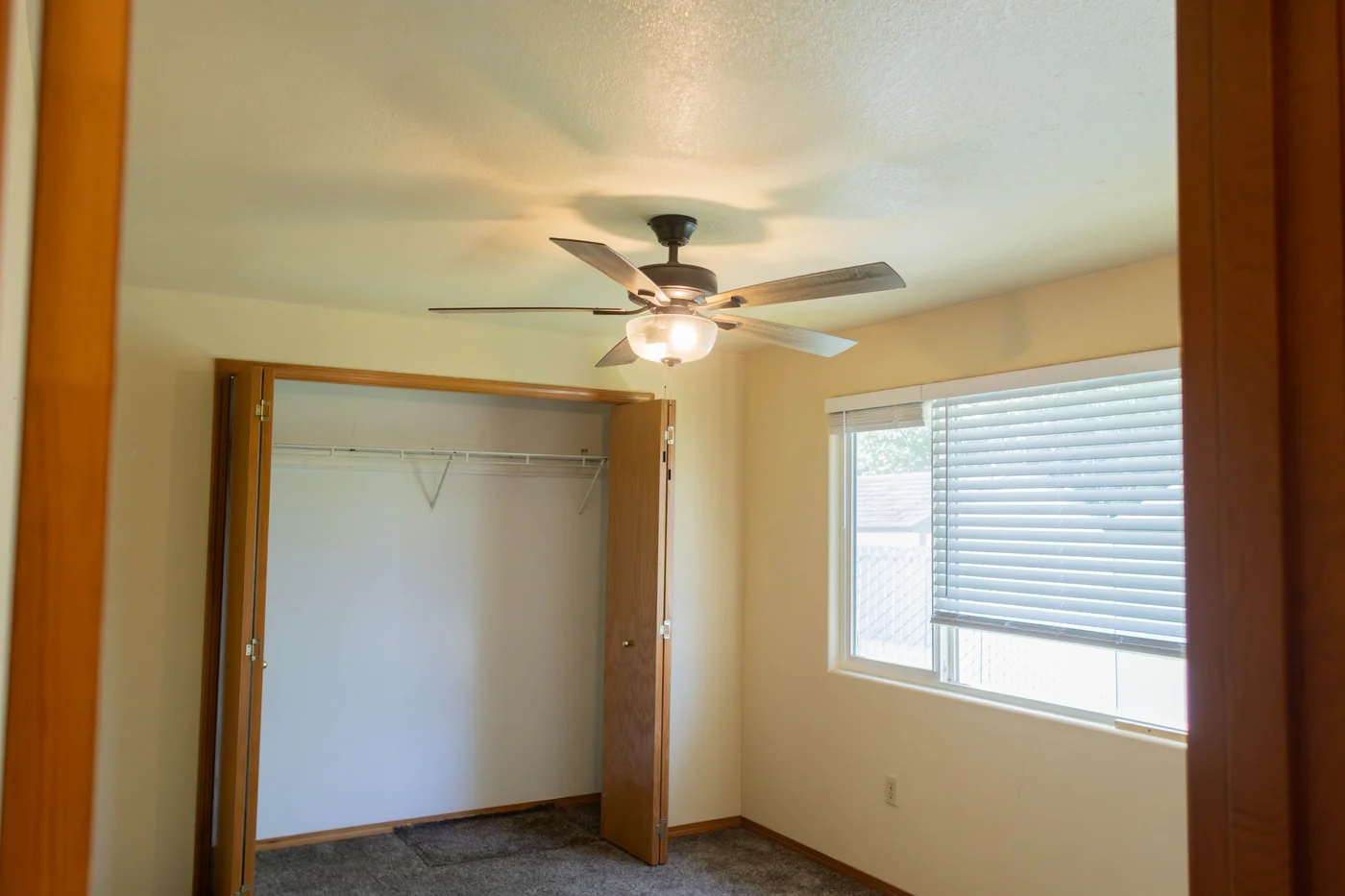
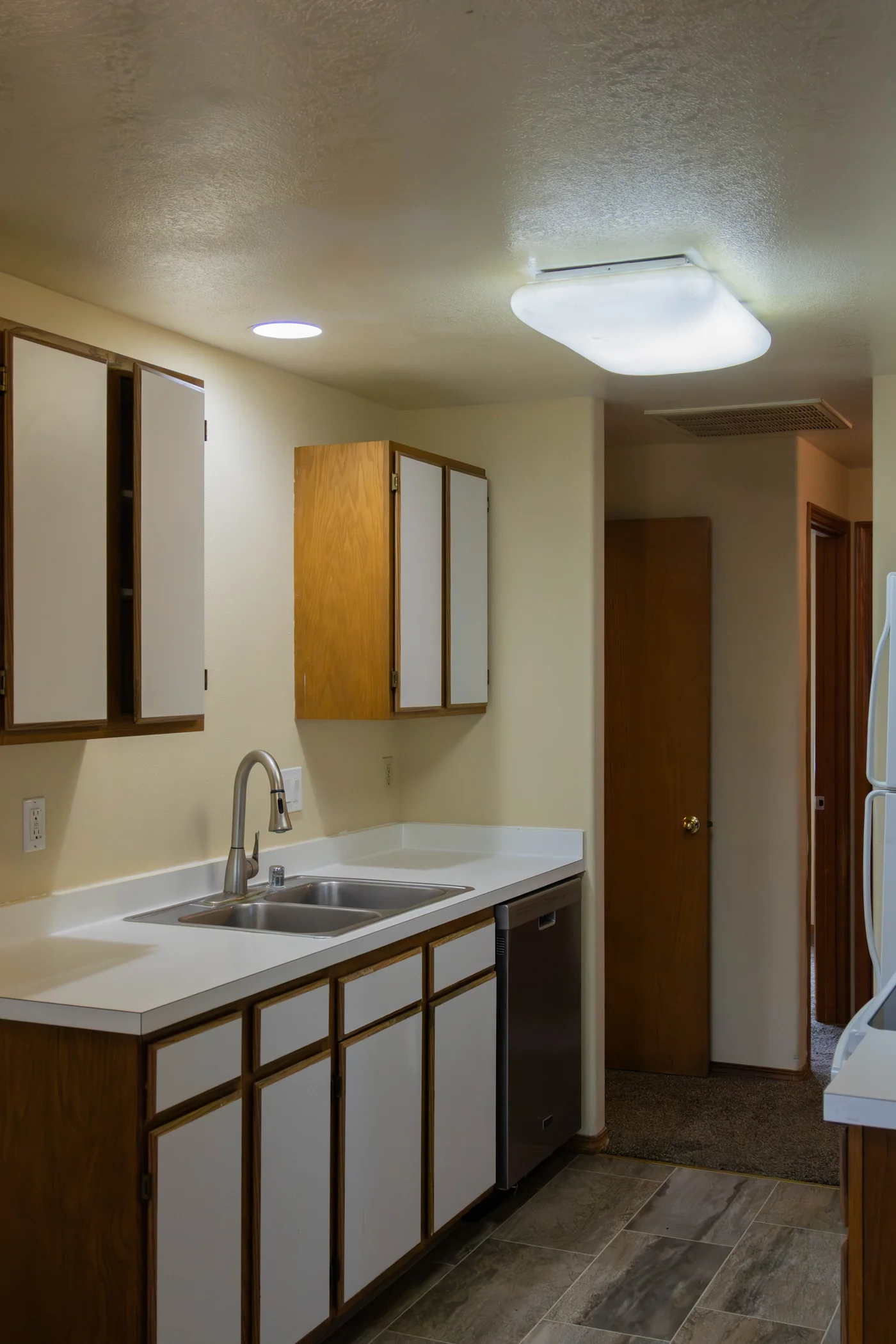
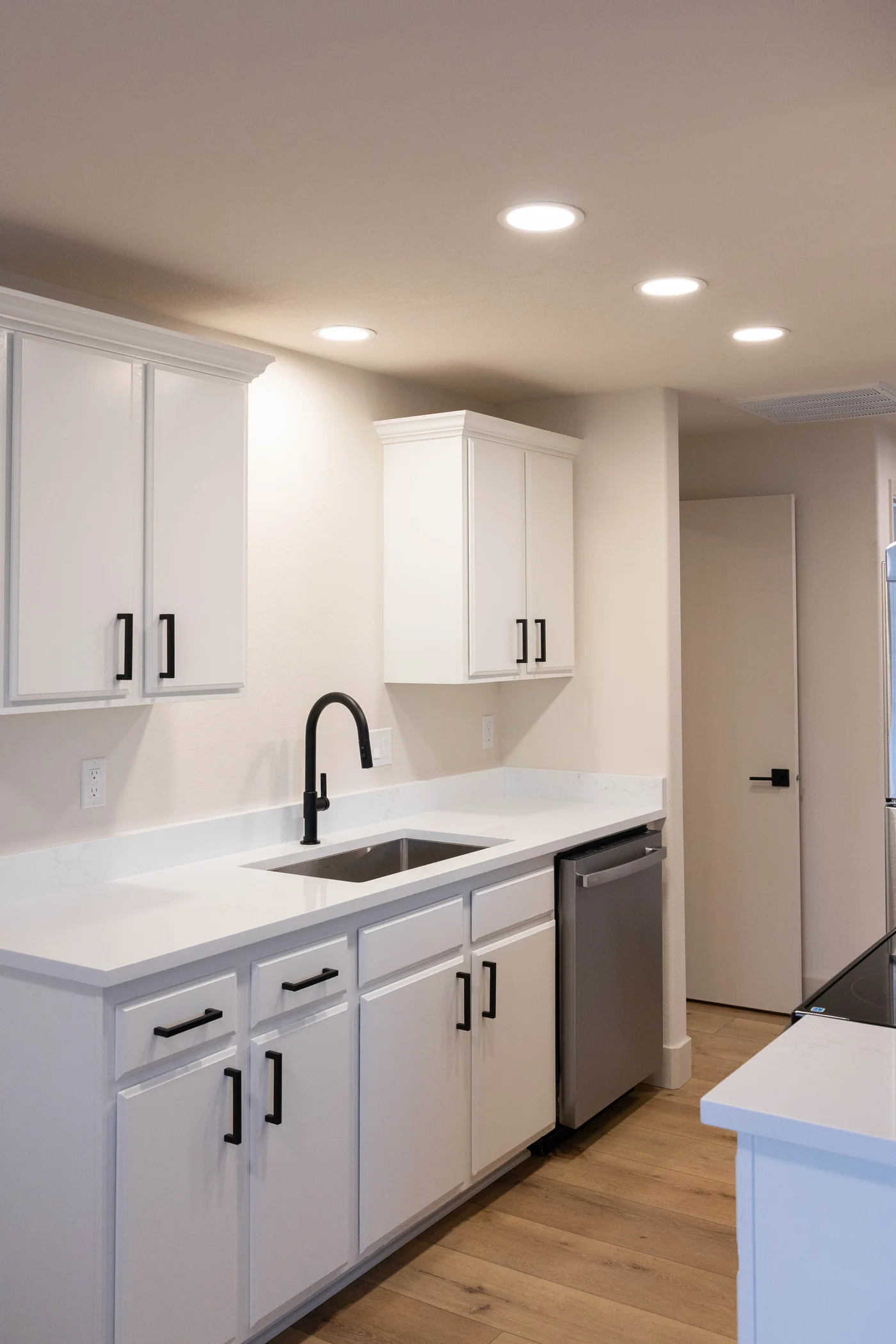
Three real projects, photo-documented for the insurance carrier and backed by our 5-year workmanship warranty. Drag each handle to compare.
“I want to express our sincere gratitude to the Robinson team that quickly moved to identify, rectify, repair, and then clean up the mess left by an itty-bitty hot water leak that went unnoticed because of its location.”
Michael Quinn · Google Review
“Kyla and Jake were super friendly and knowledgeable. Jake was at my house 90 minutes after I called and did a free inspection. I won't need their services this time, but I will definitely call them if I ever have to deal with water damage.”
Carmen Otten · Google Review
“Had a leak in our wall and our plumber recommended Robinson Restoration to handle remediation of the water damage. Christian and Adolfo were awesome. Great communication throughout the setup of the containment area and installation of the equipment to start the drying process.”
Won Lee · Google Review
In Washington, you choose your restoration contractor, and your carrier can’t penalize you for it. We document every Carrolls loss with moisture maps, photos, and daily readings, then bill your insurer directly. You pay your deductible. That’s it.
Subject to policy coverage and deductible. We handle the paperwork, photos, and adjuster calls.
A dedicated crew covers lower Cowlitz County, so a call from Carrolls reaches technicians who run this area every week. Our line is answered 24/7, including holidays. Trucks carry extraction units, air movers, dehumidifiers, and meters for reading moisture behind walls. Once the emergency work is finished, we submit and bill your insurance carrier directly.
We do. Carrolls is on the route our Cowlitz County crews already cover, and the dispatch line is answered by a person 24 hours a day. In most cases we are on-site in 90 minutes or less. Rural addresses get the same certified process as a job in town, with extra pumps, hose, and generators loaded before the truck leaves.
It depends on the source. Groundwater rising into a crawlspace on bottomland is usually treated as a maintenance or exclusion issue by carriers, while a failed supply line or appliance that filled the same space is generally covered. We identify and document the source before touching anything, because that determination shapes the entire claim.
The process is similar and the details are different. Water gets trapped in the belly wrap under the floor, insulation packs down and holds moisture, and the floor decking can delaminate before you see anything from above. We open and drain that assembly, remove saturated insulation, and dry the decking from both sides rather than running fans in the living room.
Cold east wind pushes down the Columbia and finds anything not enclosed and heated. Pump houses, well lines, and underfloor plumbing take it first. The break usually happens during the freeze but stays quiet, then releases water when the thaw restores pressure. Checking exposed lines right after a cold snap ends catches many of these early.
Kill the breaker to the well pump, then close the valve on the discharge side of the pressure tank. That stops the supply, since there is no municipal curb valve to shut down out here. Doing that before we arrive limits the loss considerably. Our dispatcher will walk you through it on the phone if the location is not obvious.
Robinson manages the rebuild through vetted licensed contractors and sister companies, coordinated under one point of contact. On bottomland properties, structural repairs often include joists, girders, or underfloor insulation, so the moisture documentation from the drying phase becomes the basis for that scope and helps the carrier approve the work without a second inspection.
Standing water under a Carrolls home only gets worse with time. Call and we will start pumping.
Licensed · Insured · IICRC Certified · Serving Washington & Oregon