Robinson Restoration is an IICRC-certified water damage restoration company serving Fife, WA. Crews dispatch 24 hours a day, arrive on-site in 90 minutes or less, document the readings and photos your carrier needs, and bill your insurance directly on covered claims.
Fife sits low on the old Puyallup tideflats, where the water table is close enough to the surface that a small leak turns into a soaked subfloor fast. Our crews handle emergency water removal, structural drying, and the insurance paperwork that comes with it, day or night.
Most of the city was farm ground before the warehouses and hotels arrived, and it still drains like farm ground. Homes here run to mid-century ramblers, manufactured housing, and slab-on-grade apartments, none of which forgive standing water for long. Add river levees on one side, Commencement Bay on the other, and a November-to-February rain pattern that keeps the ground saturated, and a failed supply line has nowhere good to go.
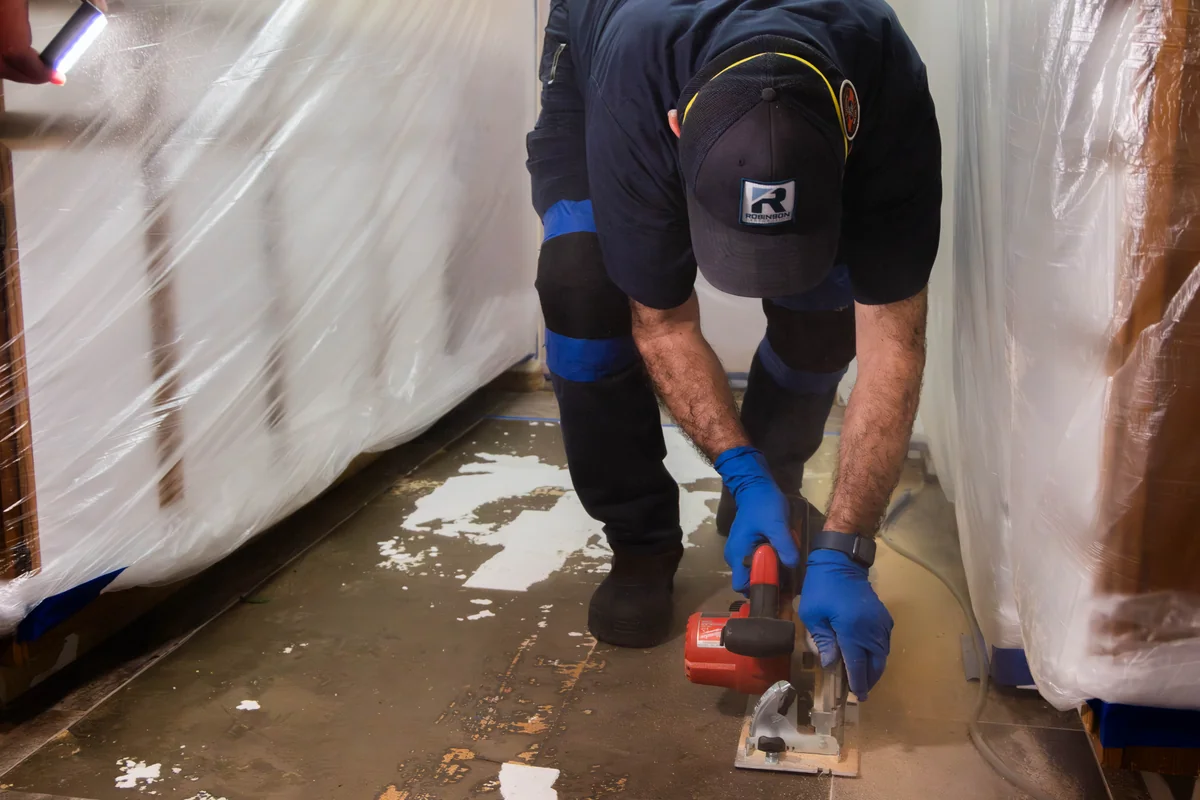
Calls from Fife route to our Kent operations center, which runs dispatch around the clock. Technicians arrive with moisture meters and thermal cameras, map the wet footprint before anything gets torn out, then set drying equipment to IICRC S500 standards. Every reading, photo, and piece of equipment gets logged into a file your adjuster can actually use. We bill most carriers directly, so you handle the deductible and we handle the rest.

Fife runs on freight schedules and shift work, so our phones stay staffed overnight and our trucks stay loaded before the call comes in.
24 hours a day, 7 days a week, our crews dispatch the moment you call and start mitigation the same visit. Call dispatch or message us for immediate help.
We stop further damage with commercial extraction, structural drying, and antimicrobial treatment, and we walk you through the entire insurance claim as we work.
We manage your rebuild to pre-damaged condition through our trusted network of licensed contractors and sister companies. One manager, one timeline.
A lot of Fife housing sits on slab or on a shallow crawlspace only a step above the water table. Copper and early poly supply lines under those floors fail quietly, and the first sign is usually a warm spot on the floor or a water bill that jumped. We locate the break, dry the slab, and document the source for your claim.
The Puyallup River valley empties right past town, and the flat ground behind the levees drains slowly once it is full. Winter storms back up ditches and storm lines, push groundwater into low crawlspaces, and leave standing water under floors where nobody looks until the smell starts. Extraction and controlled drying stop that before framing and insulation are a loss.
Hotels, truck terminals, and distribution buildings make up a big share of local square footage, and each one has its own water risk: rooftop drains, fire sprinkler lines, water heaters serving dozens of rooms. We work after hours, section off the affected area, and keep rooms or bays in service wherever the drying plan allows.
Parts of Fife sit in mapped flood zones, which matters at claim time. A standard homeowners policy covers sudden internal water like a burst line, while rising surface water usually falls to a separate flood policy. We document exactly where the water came from and when, so the right policy pays and your claim does not stall on a coverage argument.
Most of the losses we run in Fife start one of three ways: flooding and groundwater, sewage backups, and appliance failures. Here is why each one happens here, and what it takes to dry it properly.
Flat ground behind the Puyallup levees holds water once the river runs high and the storm system is full, and the first place it shows up is a crawlspace or a garage slab.
Low elevation works against you when mains surcharge in a heavy December rain. Water backs toward the lowest fixture in the house, and a basement or ground-floor bath takes it first.
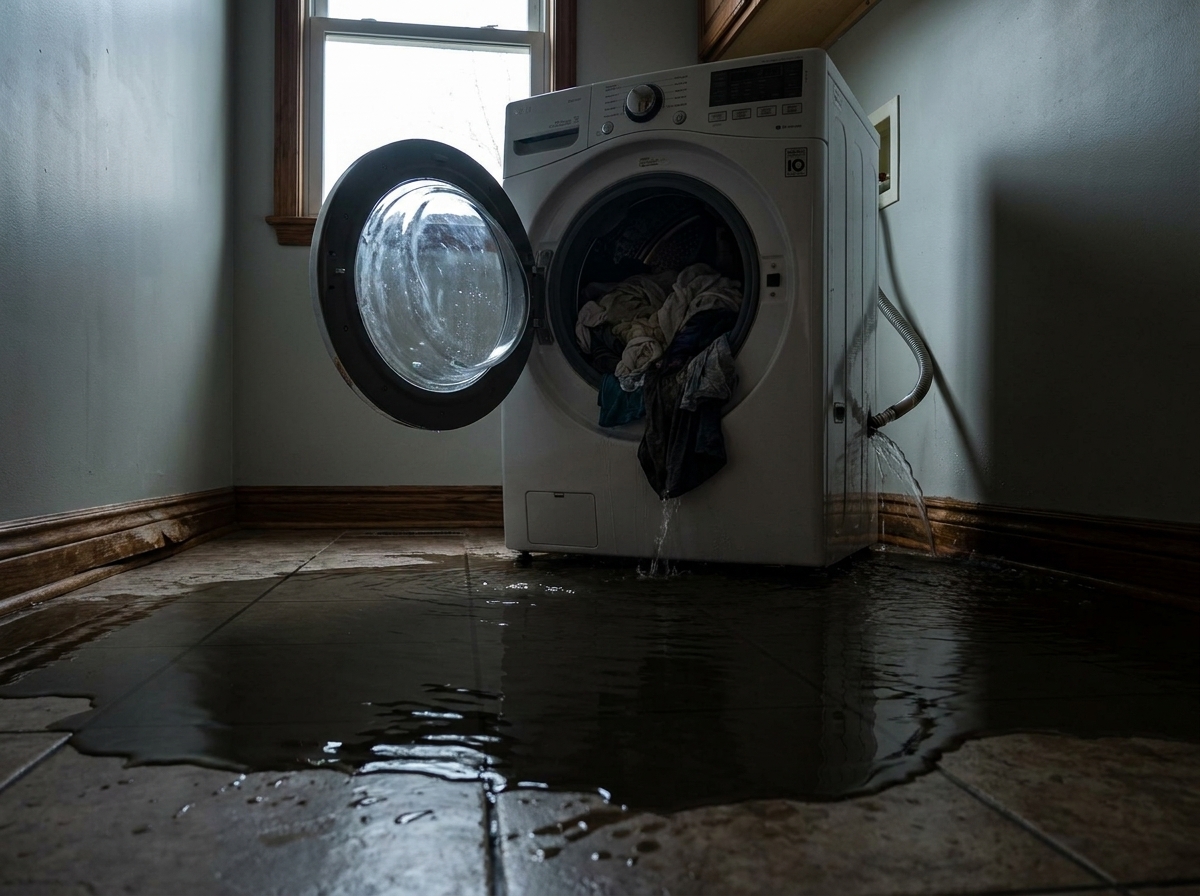
Rental duplexes, apartments, and hotel rooms run washers, dishwashers, and ice makers hard. Supply hoses and drain pans fail on that duty cycle, and the water travels sideways through shared walls.
Water is how most losses start. It’s rarely where they end. The same local crew handles all of it.
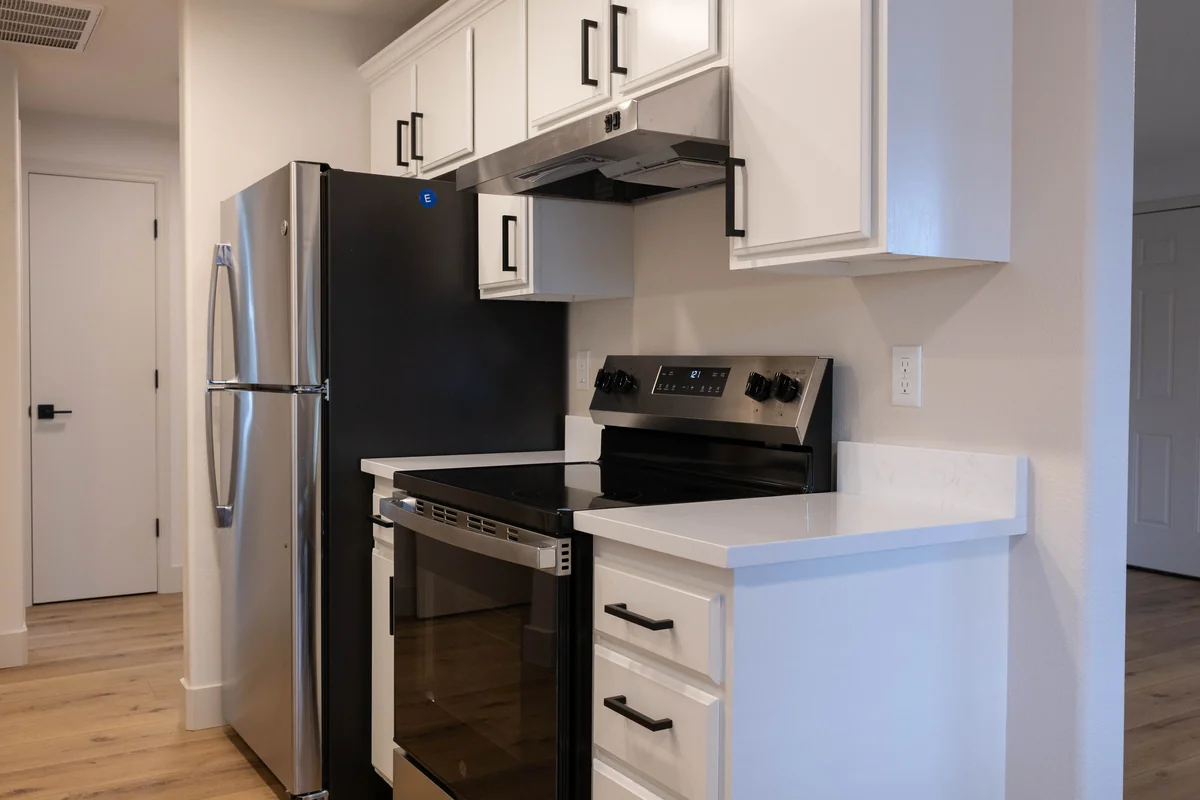
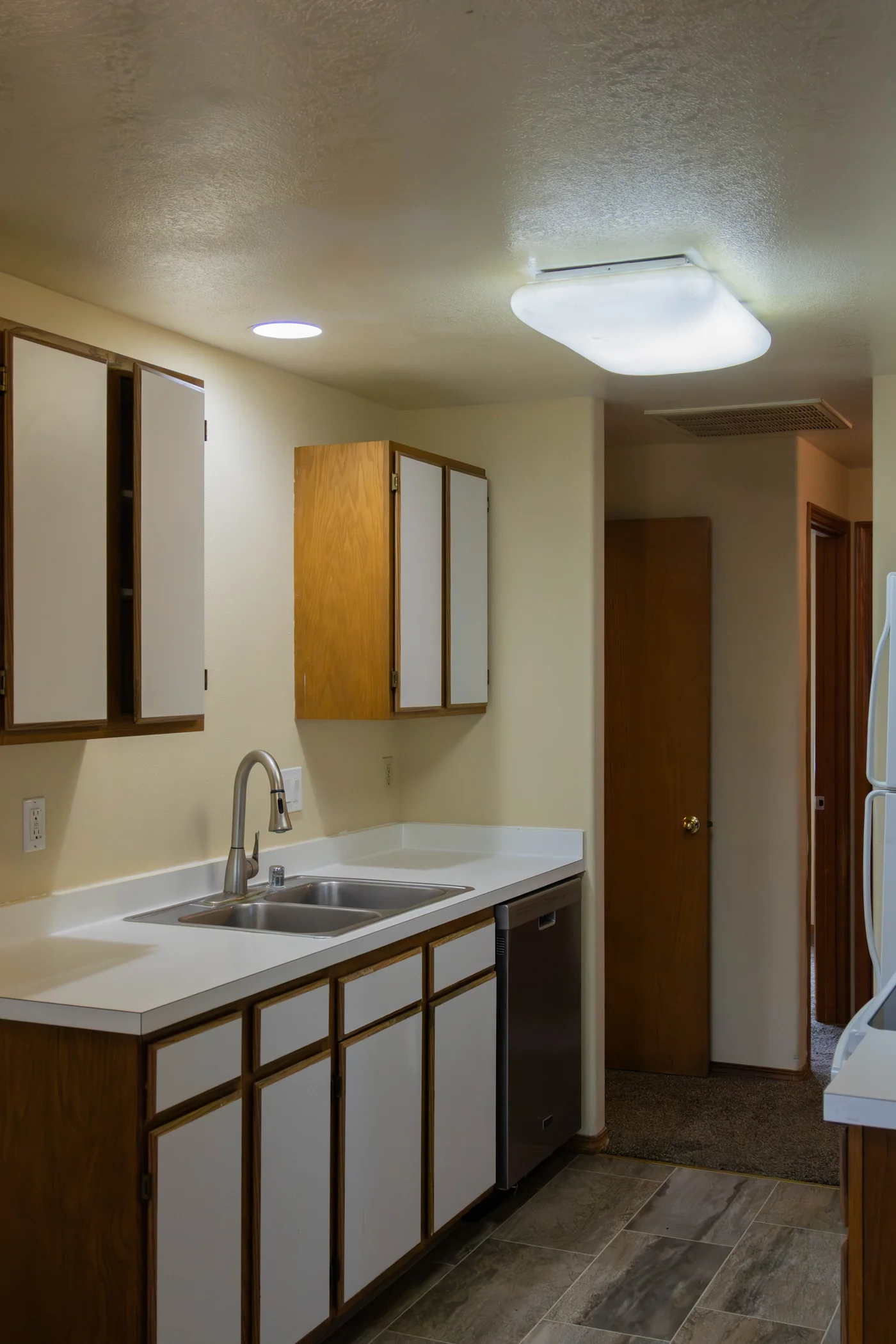
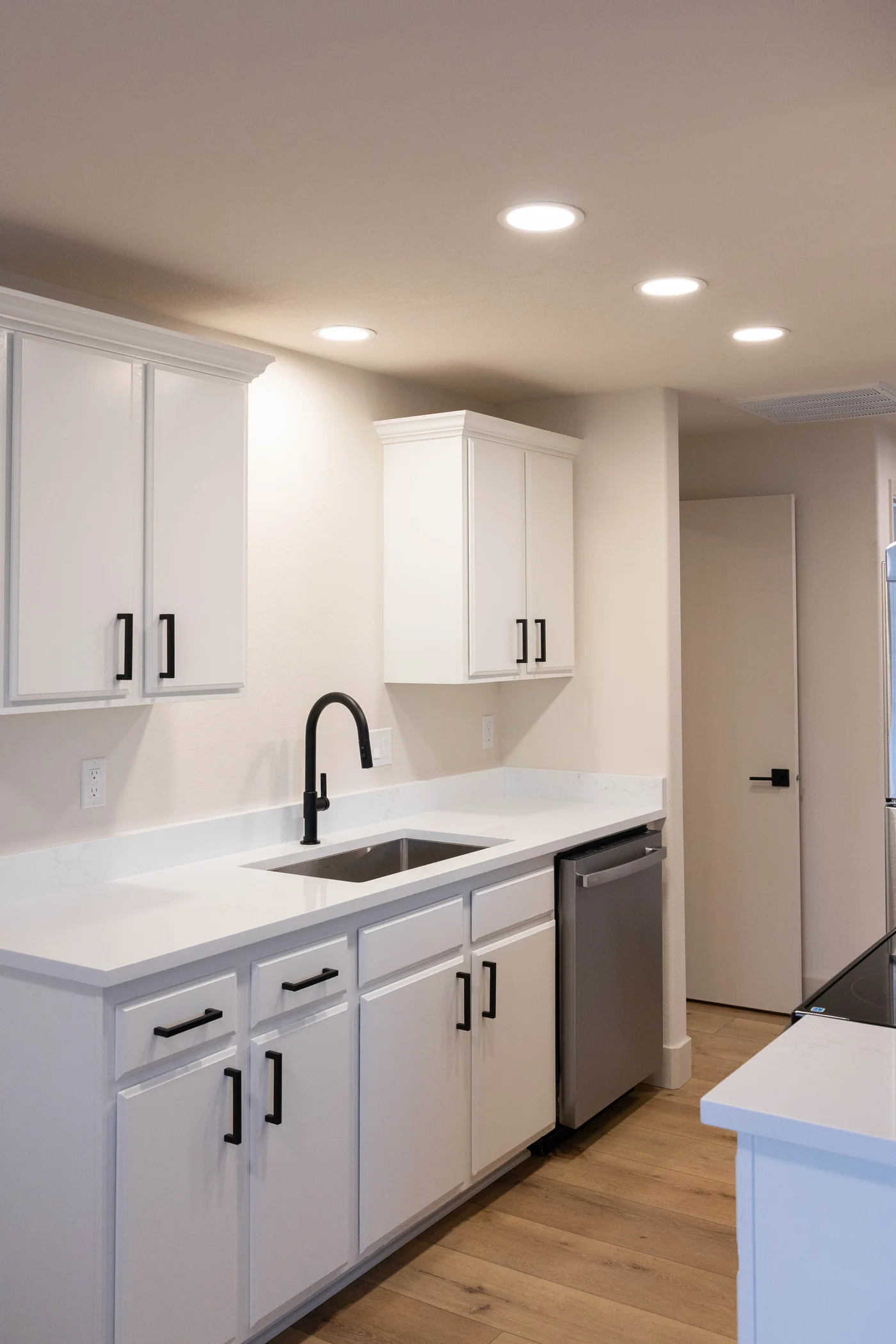
Three real projects, photo-documented for the insurance carrier and backed by our 5-year workmanship warranty. Drag each handle to compare.
“One of the pipes in the shower burst and water damage got all over the roof in the kitchen. As new home owners we were very scared and panicked. We contacted Kelly Farmer from Robinson Restoration and believe me when I say I felt like more than half of my problem was solved.”
Nav Basra · Google Review
“Just started a project with Cole and Chuck at Robinson Restoration and had to write a review straight away. These guys have been fantastic. We were away on a week long trip when we had a kitchen leak that destroyed our flooring and subfloor.”
Justin O'Neill · Google Review
“I want to express our sincere gratitude to the Robinson team that quickly moved to identify, rectify, repair, and then clean up the mess left by an itty-bitty hot water leak that went unnoticed because of its location.”
Michael Quinn · Google Review
In Washington, you choose your restoration contractor, and your carrier can’t penalize you for it. We document every Fife loss with moisture maps, photos, and daily readings, then bill your insurer directly. You pay your deductible. That’s it.
Subject to policy coverage and deductible. We handle the paperwork, photos, and adjuster calls.
Low-lying ground and a high water table make basement and crawl space flooding a routine problem here. Fife is covered by a Robinson crew with 24/7 dispatch, so the call gets answered by a person at three in the morning just like at noon. The crew brings extraction and drying equipment on the first trip, and we bill your insurance carrier directly.
Dispatch is staffed 24 hours, and for most of the Puget Sound corridor we target on-site in 90 minutes. Call first, then start what you safely can: shut off the main, kill power to wet outlets, and pull rugs or anything that stains off wet flooring. We will talk you through the rest while the truck is rolling.
Yes, though it takes a different approach than drying a wood floor system. Concrete holds moisture deep in the pour, so we use low-grain dehumidification and, where flooring traps vapor, a mat drying system that pulls water out from under the covering. Meter readings tell us when the slab is back to a dry standard instead of just feeling dry on top.
Usually not. Standard policies cover sudden and accidental water from inside the building, like a burst supply line or a failed water heater. Water that rises off the ground or comes over a levee falls under a separate flood policy. That is why we photograph entry points and note timing on arrival. Clear cause-of-loss documentation is what keeps a legitimate claim from being denied by default.
Yes. Much of the local building stock is hospitality and industrial, and those losses have different priorities: keeping rooms rentable, protecting inventory, and getting docks back in service. We scope by zone, contain the wet area with poly and negative air, and schedule loud equipment work around operating hours where the drying plan allows it.
We handle emergency response, water removal, drying, and cleanup, then manage the rebuild through vetted licensed contractors and sister companies we work with regularly. You stay with one point of contact through both phases, and the mitigation file we built moves straight into the repair estimate so nothing gets re-argued with your adjuster halfway through.
Three to five days covers most clean-water jobs once extraction is done, though slab floors, dense hardwood, and saturated insulation can run longer. We set equipment based on the affected volume, then check meter readings daily and adjust. Equipment comes out once the materials hit dry standard, and you get the daily logs either way.
Standing water in a Fife home or business gets worse by the hour. Call now and we will roll.
Licensed · Insured · IICRC Certified · Serving Washington & Oregon