Robinson Restoration is an IICRC-certified water damage restoration company serving Milton, WA. Crews dispatch 24 hours a day, arrive on-site in 90 minutes or less, document the readings and photos your carrier needs, and bill your insurance directly on covered claims.
Milton sits right on the King and Pierce county line, between Federal Way and the Puyallup valley floor, and its housing shows every decade from the 1920s forward. Older homes here hide galvanized supply lines, brittle drain fittings, and additions framed over shallow crawlspaces. When one lets go, we are on call around the clock.
The old interurban and highway corridor left this town a compact core of pre-war and post-war houses, with 1970s ranchers and newer infill filling out the rest. Hylebos Creek drains the ground toward the tideflats, and flatter blocks hold water when November storms stack up back to back. Cast iron and clay side sewers under mature trees are the other constant: roots find the joints, the line slows, and the lowest fixture in the house backs up.
Our Kent crews cover the Milton, Fife, and Edgewood stretch with 24/7 dispatch and a standard of on-site in 90 minutes. Sewage losses get treated as Category 3 from the first minute: containment, controlled removal of porous materials, antimicrobial application, and verified drying under IICRC S500. Everything is photographed and metered daily for the claim, and we bill your insurer directly. Rebuild scopes are managed through vetted licensed contractors and our sister companies.

A Milton call reaches a live dispatcher at any hour, and crews load for sewage containment and older-home tear-out before they leave the shop.
24 hours a day, 7 days a week, our crews dispatch the moment you call and start mitigation the same visit. Call dispatch or message us for immediate help.
We stop further damage with commercial extraction, structural drying, and antimicrobial treatment, and we walk you through the entire insurance claim as we work.
We manage your rebuild to pre-damaged condition through our trusted network of licensed contractors and sister companies. One manager, one timeline.
Homes from the 1920s through the 1950s here have usually been repiped in pieces, which leaves galvanized, copper, and plastic all connected in the same system. Dissimilar metals corrode at the joints, and old shutoff valves seize so they cannot be closed when you need them. Knowing where your main shutoff is, and confirming it actually turns, is worth an afternoon.
Clay and cast iron laterals under fifty-year-old trees are the most reliable source of trouble in older Milton neighborhoods. Roots enter at a joint, catch debris, and the line narrows until one heavy laundry day backs it up. The water returns through a basement floor drain or the lowest tub, and it comes back dirty, which changes the whole restoration approach.
This ground drains toward Hylebos Creek and the flats, so the low-lying blocks shed slowly once soil is saturated. A single storm rarely does it. Three or four back to back in November will, and then downspouts discharging at the foundation push water straight into a crawlspace where it sits against joists and insulation for the rest of the season.
Milton has a working edge to it, with shops, garages, and small commercial buildings mixed close to housing. Those structures often run exposed plumbing, slab drains, and water heaters with no pan, and a freeze or a failed line hits inventory and equipment before it hits anything finished. Commercial losses also need business interruption documentation, which we build alongside the drying record.
Most of the losses we run in Milton start one of three ways: sewage backups, roof and storm leaks, and water heater failures. Here is why each one happens here, and what it takes to dry it properly.
Root-blocked clay and cast iron laterals under older Milton streets push contaminated water back through floor drains and basement fixtures, usually during the wettest stretch of winter.
Aging roofs on pre-war and post-war houses collect moss on shaded slopes, and failed flashing at additions and dormers lets steady rain track down rafters into ceilings.
Tanks in unheated garages and attached utility rooms corrode faster and rarely sit in a drained pan. A failure floods the slab and wicks into adjoining finished walls within hours.
Water is how most losses start. It’s rarely where they end. The same local crew handles all of it.
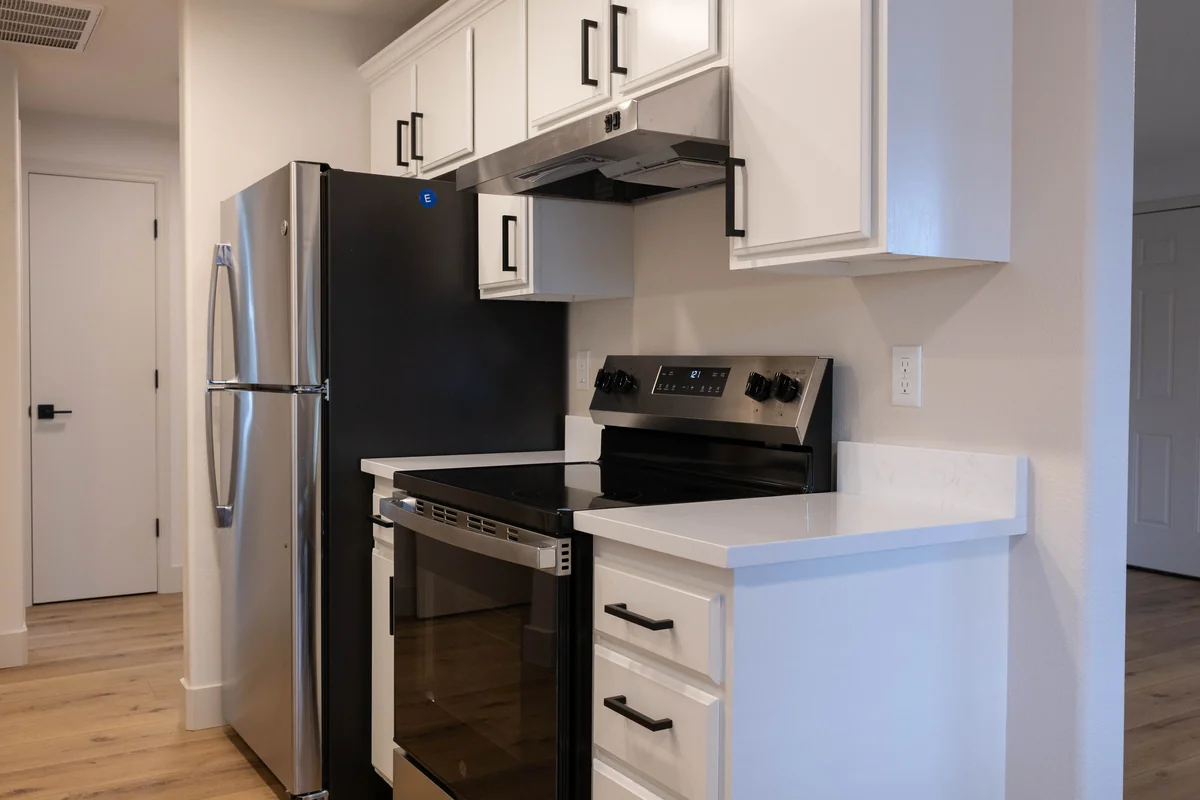
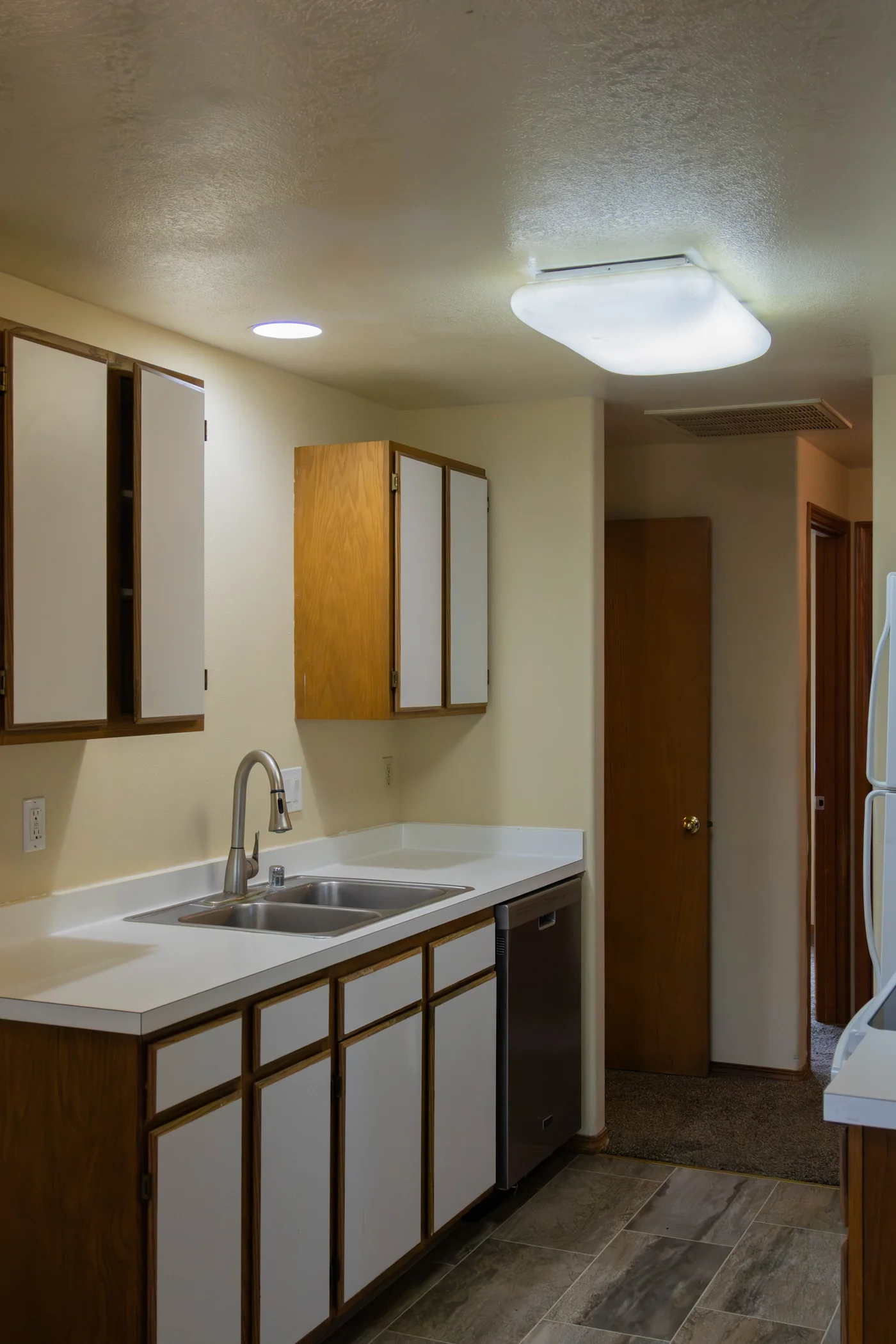
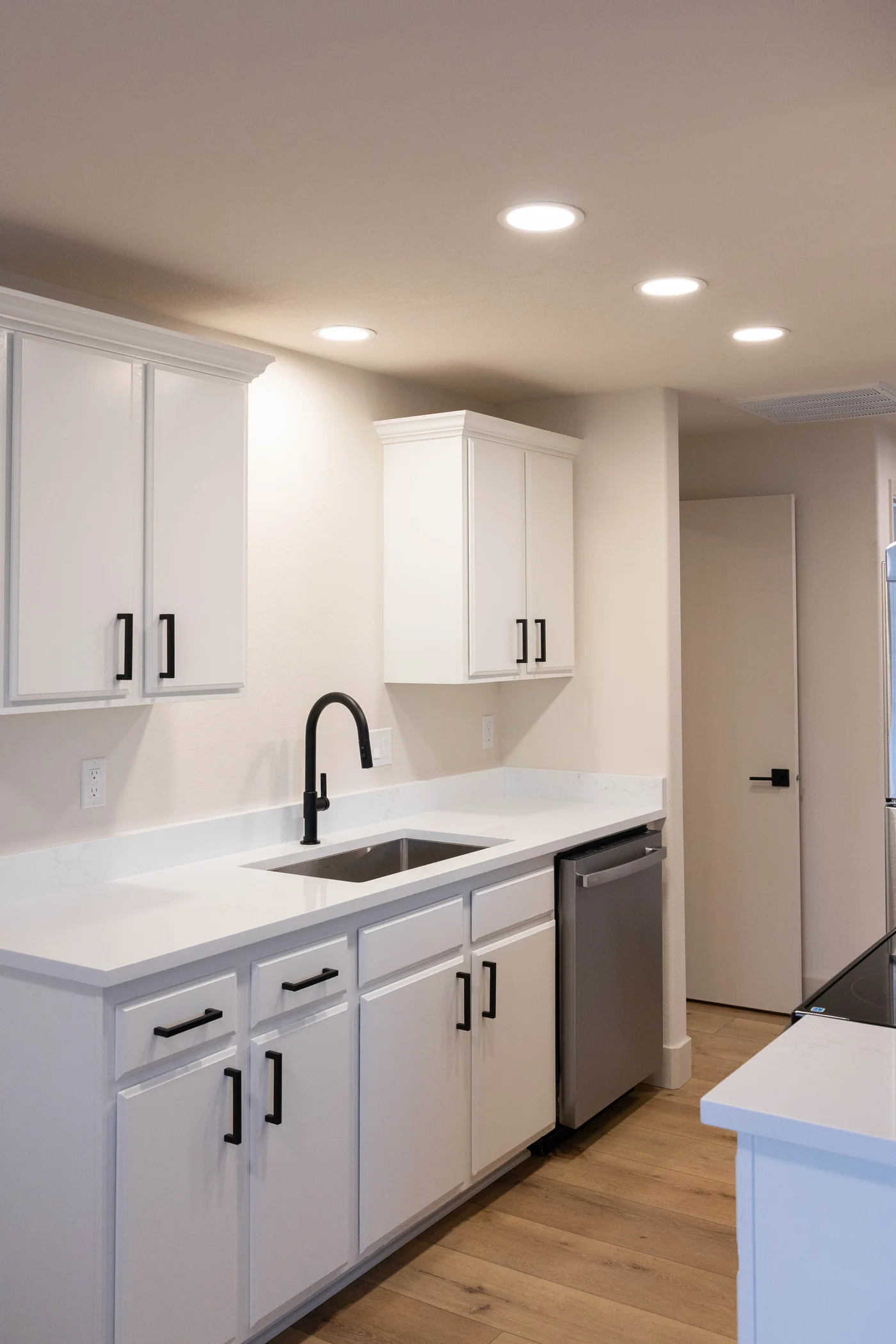
Three real projects, photo-documented for the insurance carrier and backed by our 5-year workmanship warranty. Drag each handle to compare.
“Just started a project with Cole and Chuck at Robinson Restoration and had to write a review straight away. These guys have been fantastic. We were away on a week long trip when we had a kitchen leak that destroyed our flooring and subfloor.”
Justin O'Neill · Google Review
“I want to express our sincere gratitude to the Robinson team that quickly moved to identify, rectify, repair, and then clean up the mess left by an itty-bitty hot water leak that went unnoticed because of its location.”
Michael Quinn · Google Review
“Kyla and Jake were super friendly and knowledgeable. Jake was at my house 90 minutes after I called and did a free inspection. I won't need their services this time, but I will definitely call them if I ever have to deal with water damage.”
Carmen Otten · Google Review
In Washington, you choose your restoration contractor, and your carrier can’t penalize you for it. We document every Milton loss with moisture maps, photos, and daily readings, then bill your insurer directly. You pay your deductible. That’s it.
Subject to policy coverage and deductible. We handle the paperwork, photos, and adjuster calls.
Pick up the phone at any hour and a live 24/7 dispatcher takes the details. Milton is on the run sheet for our Pierce County crew, so the response comes from technicians who work here every week. Crews bring extraction gear and commercial drying equipment to the first visit, and the billing goes directly to your insurance carrier.
Usually not without an endorsement. Standard Washington homeowner policies commonly exclude water that backs up through sewers and drains, and the add-on that covers it carries its own sublimit, often far below your dwelling limit. Given how many Milton homes still run clay or cast iron laterals, that endorsement is worth reviewing at renewal. We document the entry point regardless, since that finding decides which coverage applies.
It changes the sequence more than the schedule. Materials from that era can contain asbestos in floor tile, sheet flooring backing, and joint compound, and painted surfaces can contain lead, so we test before disturbing anything suspect. Plaster over lath also dries differently than drywall and holds moisture longer. Knowing that up front means we set the right equipment instead of discovering the problem on day three.
Extraction first, then removal of the saturated vapor barrier and any wet insulation, since neither one dries in place. We set containment, run low-grain dehumidifiers under the floor, and monitor wood moisture in the joists and subfloor until it matches a dry reading from an unaffected area. If groundwater keeps arriving, we will tell you what we see about grading, downspouts, and footing drains before you spend money twice.
By category of water and by material. Clean water on drywall and framing usually dries in place. Anything porous that absorbed contaminated water comes out: carpet, pad, insulation, and the lower section of affected drywall. Cabinets, subfloor, and hardwood are judged on readings rather than appearance. Every removal decision gets photographed and noted in the file, so nothing looks arbitrary to an adjuster later.
We carry the documentation side. On Milton jobs we bill the carrier directly, submit the estimate and photos, and provide daily moisture and equipment logs in the format adjusters expect. You handle your deductible and the decisions that are genuinely yours. If a carrier disputes part of the scope, we take that call, because arguing drying standards is our job rather than yours.
Move belongings out from under the leak, put a container down, and if the ceiling is sagging with trapped water, poke a small relief hole at the low point so it drains in one spot instead of collapsing across the room. Cut power to that area at the breaker if fixtures are involved. Then call us. Tarping and drying can start before any roofer is available.
Sewage and clean water both need the same first step. Call now and we will dispatch a crew.
Licensed · Insured · IICRC Certified · Serving Washington & Oregon