Robinson Restoration is an IICRC-certified water damage restoration company serving Saint Helens, OR. Crews dispatch 24 hours a day, arrive on-site in 90 minutes or less, document the readings and photos your carrier needs, and bill your insurance directly on covered claims.
Saint Helens grew up around a paper mill and a courthouse on the Columbia, and its housing tells that story: Victorians, mill cottages, midcentury ranches, and newer builds spread up the hill. Robinson Restoration handles water damage across all of it, with certified crews dispatched 24/7.
The riverfront district holds the oldest buildings, basalt commercial blocks and turn-of-the-century houses with real basements, clay sewer laterals, and cast iron drains. Up the hill, subdivisions from the 1990s onward sit on cut-and-fill ground where drainage still finds its own path. Columbia County takes long stretches of rain from October into May, and mature trees over old laterals mean root intrusion is a fact of life in the older neighborhoods.
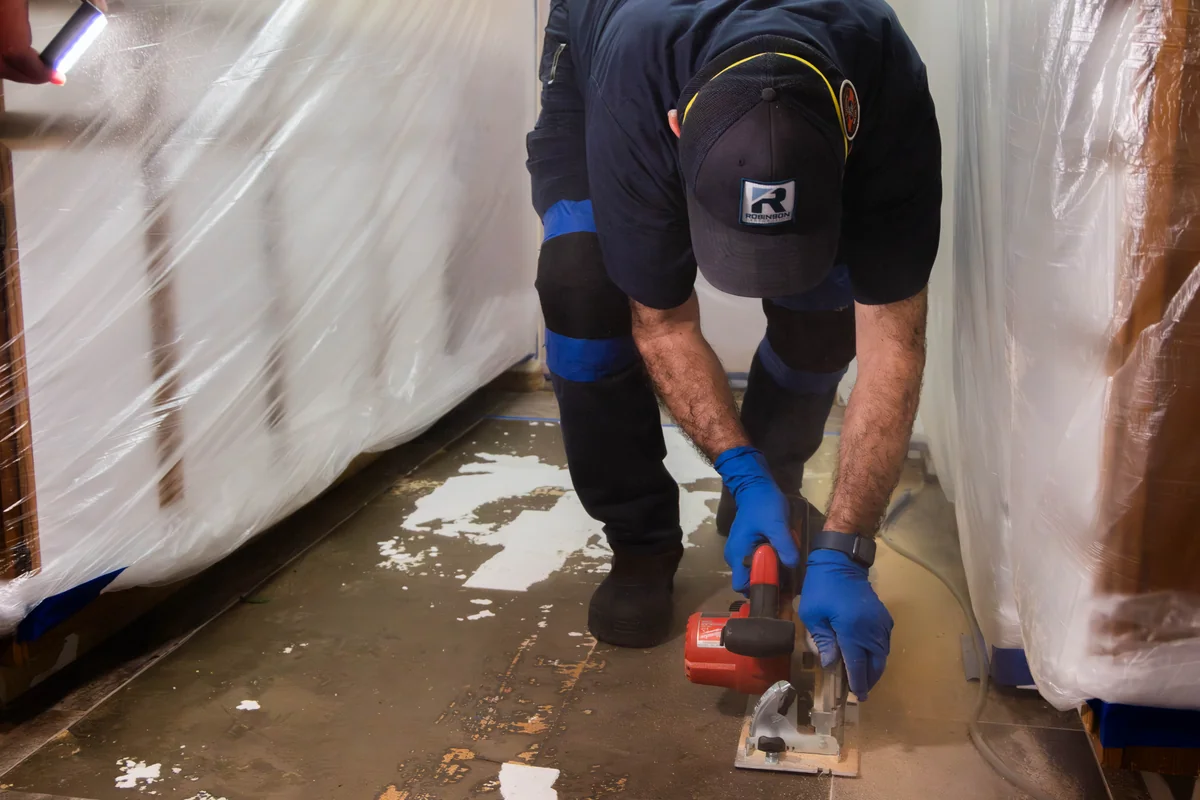
Dispatch is staffed every hour of the day at our Vancouver headquarters, and Columbia County is inside the area those crews cover. Technicians show up IICRC certified, locate moisture with meters and thermal imaging, and dry to a measured standard rather than a guess. Readings and photos are logged daily and sent to your adjuster. We bill insurance carriers directly, so a Saint Helens homeowner covers a deductible and lets us handle the paperwork.

Saint Helens sits on the Highway 30 corridor our crews run every week, staffed and equipped for a call at any hour.
24 hours a day, 7 days a week, our crews dispatch the moment you call and start mitigation the same visit. Call dispatch or message us for immediate help.
We stop further damage with commercial extraction, structural drying, and antimicrobial treatment, and we walk you through the entire insurance claim as we work.
We manage your rebuild to pre-damaged condition through our trusted network of licensed contractors and sister companies. One manager, one timeline.
The historic neighborhoods have clay sewer laterals running under maples and firs that were planted when those houses were new. Roots find the joints, the line narrows, and a wet-season backup pushes waste water up through the lowest drain in the house. That's a category three loss requiring containment, removal of porous material, and proper antimicrobial treatment before anything dries.
The paper mill shaped this town's housing for decades, and a lot of that stock is still in service: modest wood-frame homes from the 1920s through the 1950s, many with basements and original plumbing runs. Those houses have been remodeled in layers, and each layer hid something. We open walls carefully and check what's behind them before setting equipment.
Columbia County's wet season is long rather than dramatic, which is exactly why leaks go unnoticed here. A flashing gap or a failed gutter seam drips through the same spot for weeks before a ceiling stain appears. By then the insulation is saturated and the framing has been wet long enough to matter. Early moisture scans catch that pattern while it's still cheap to fix.
An adjuster looks at a riverfront Victorian and a hillside 2005 build very differently. The old house raises questions about wear, prior repairs, and gradual damage. A newer one gets scrutinized for workmanship and manufacturer defects on a supply component. In Saint Helens we document both the same way: source photos, moisture maps, and a daily log that leaves nothing to interpretation.
Most of the losses we run in Saint Helens start one of three ways: sewage backups, appliance failures, and water heater failures. Here is why each one happens here, and what it takes to dry it properly.
Clay laterals under mature trees in the older neighborhoods narrow with root intrusion. A saturated wet season pushes the backup into basements through floor drains and the lowest fixtures in the house.
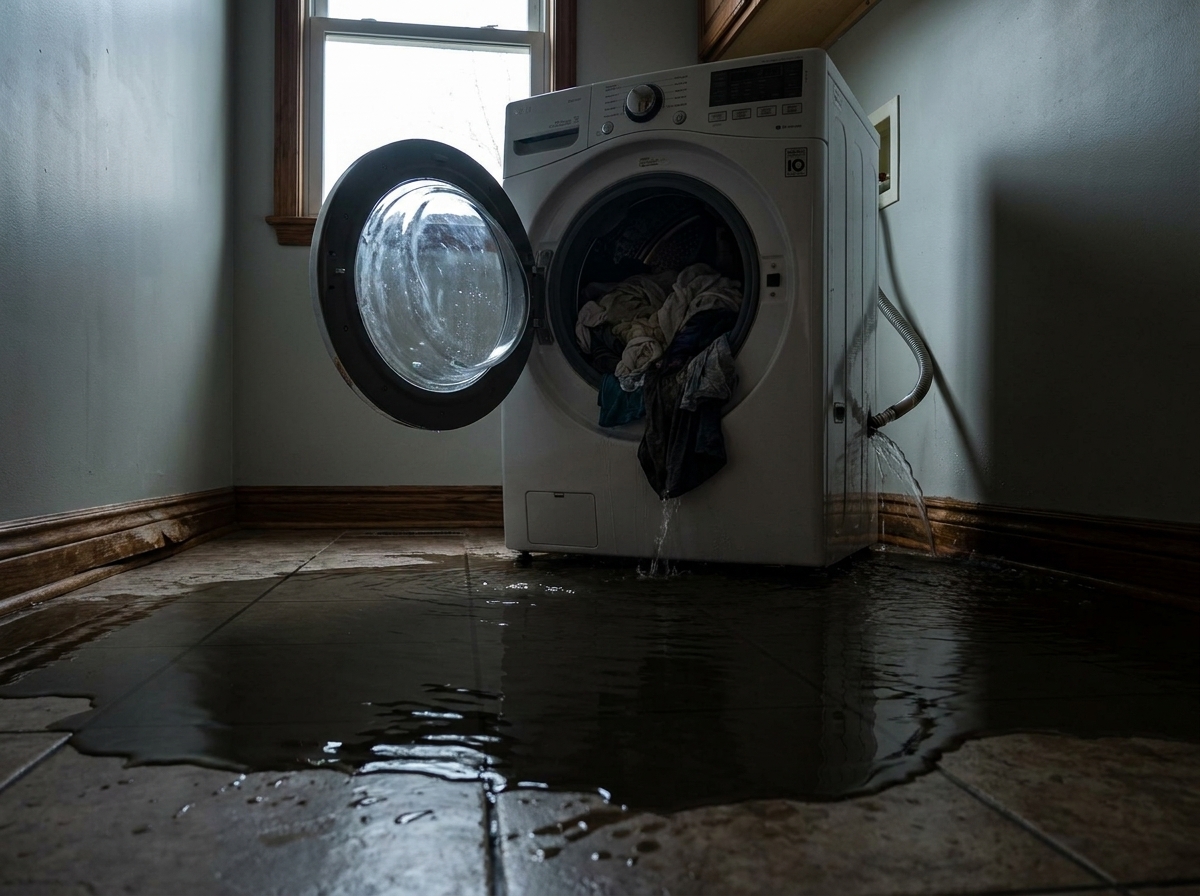
The hillside subdivisions built since the 1990s are full of dishwashers, ice makers, and washer hoses that have quietly aged past their service life. Failures happen at full pressure and go unnoticed all day.
Mill-era homes here keep the water heater in an unfinished basement or a back utility room, out of sight. A corroded tank lets go all at once and floods the lowest level before anyone walks past it.
Water is how most losses start. It’s rarely where they end. The same local crew handles all of it.
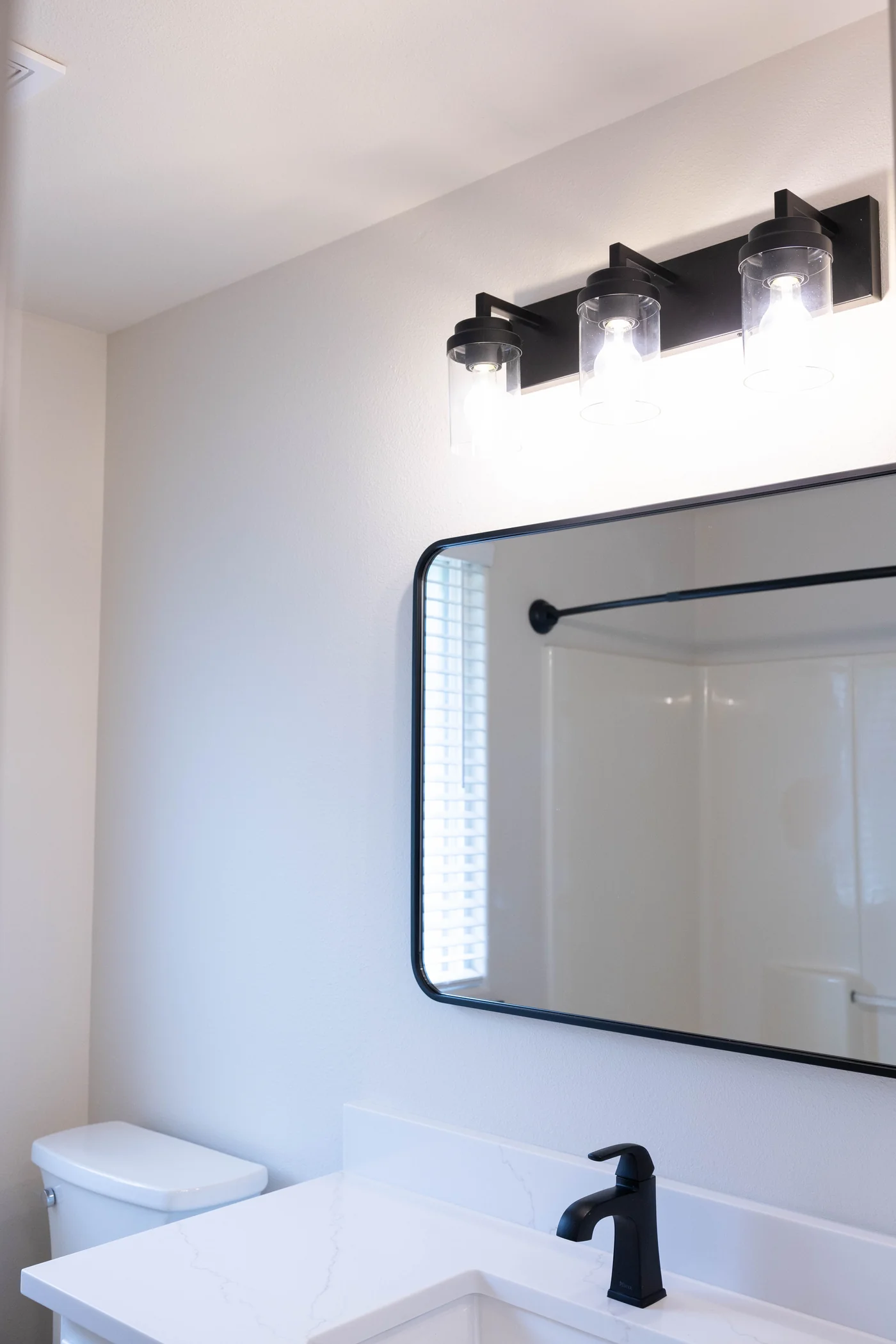
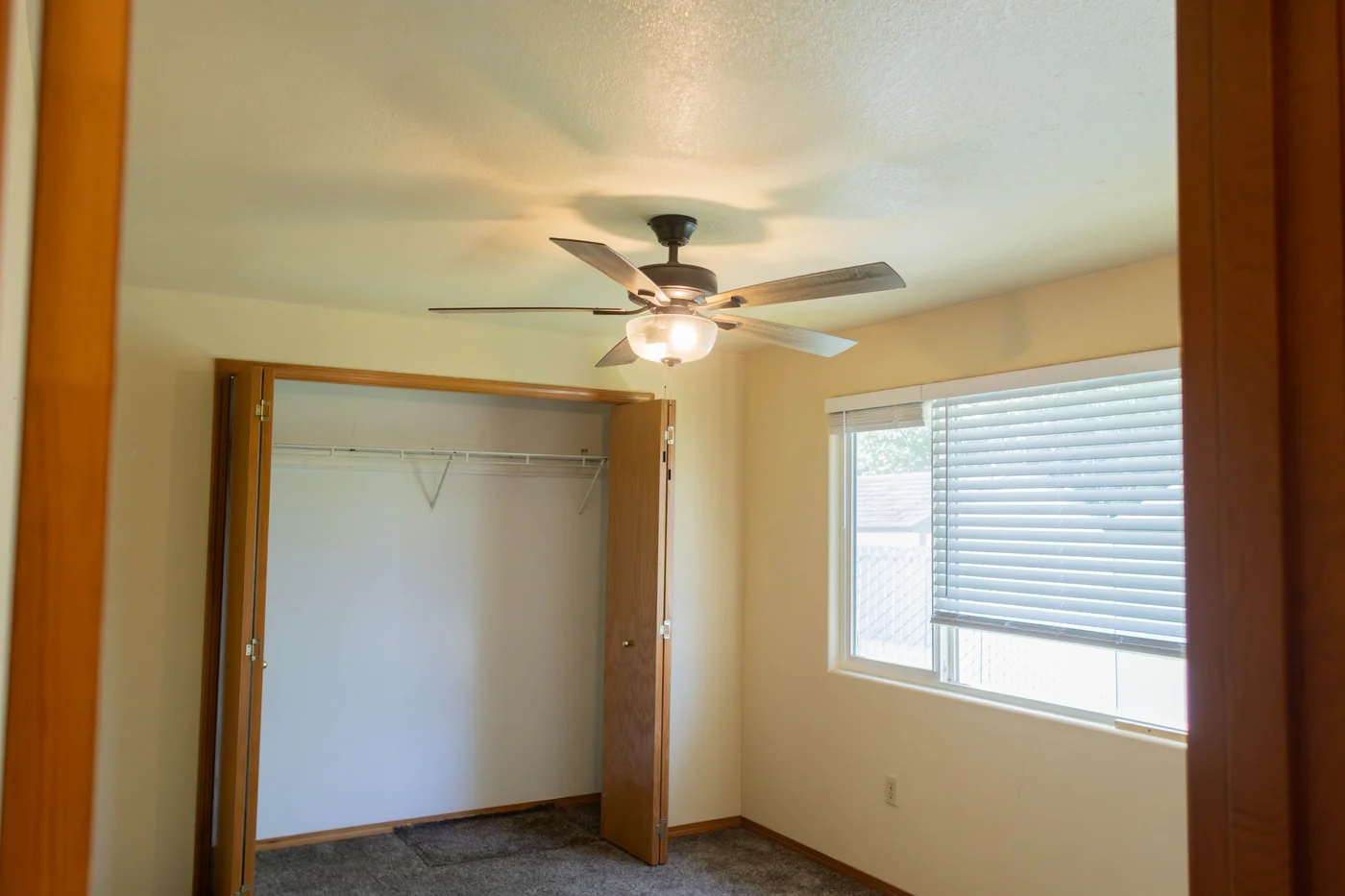
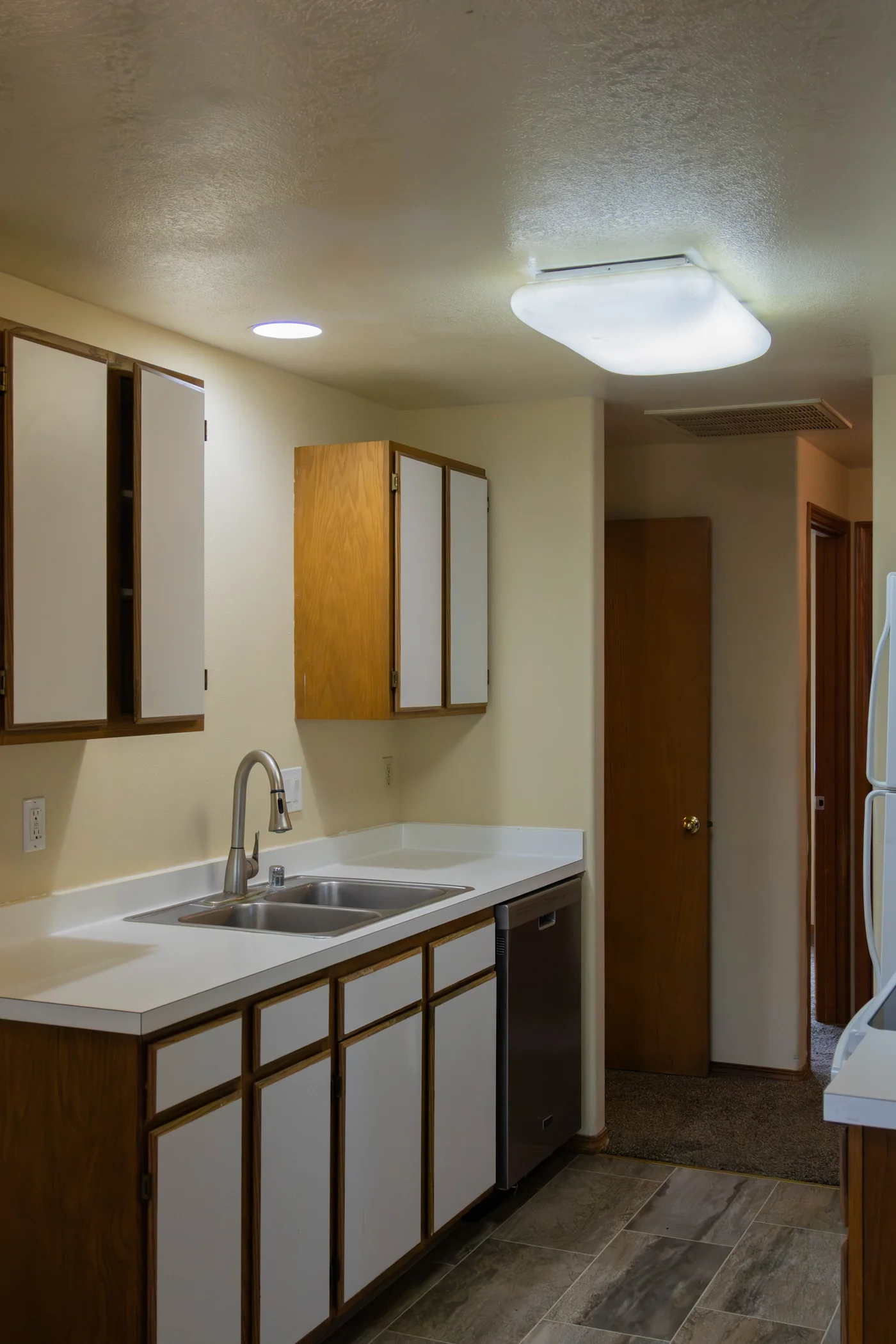
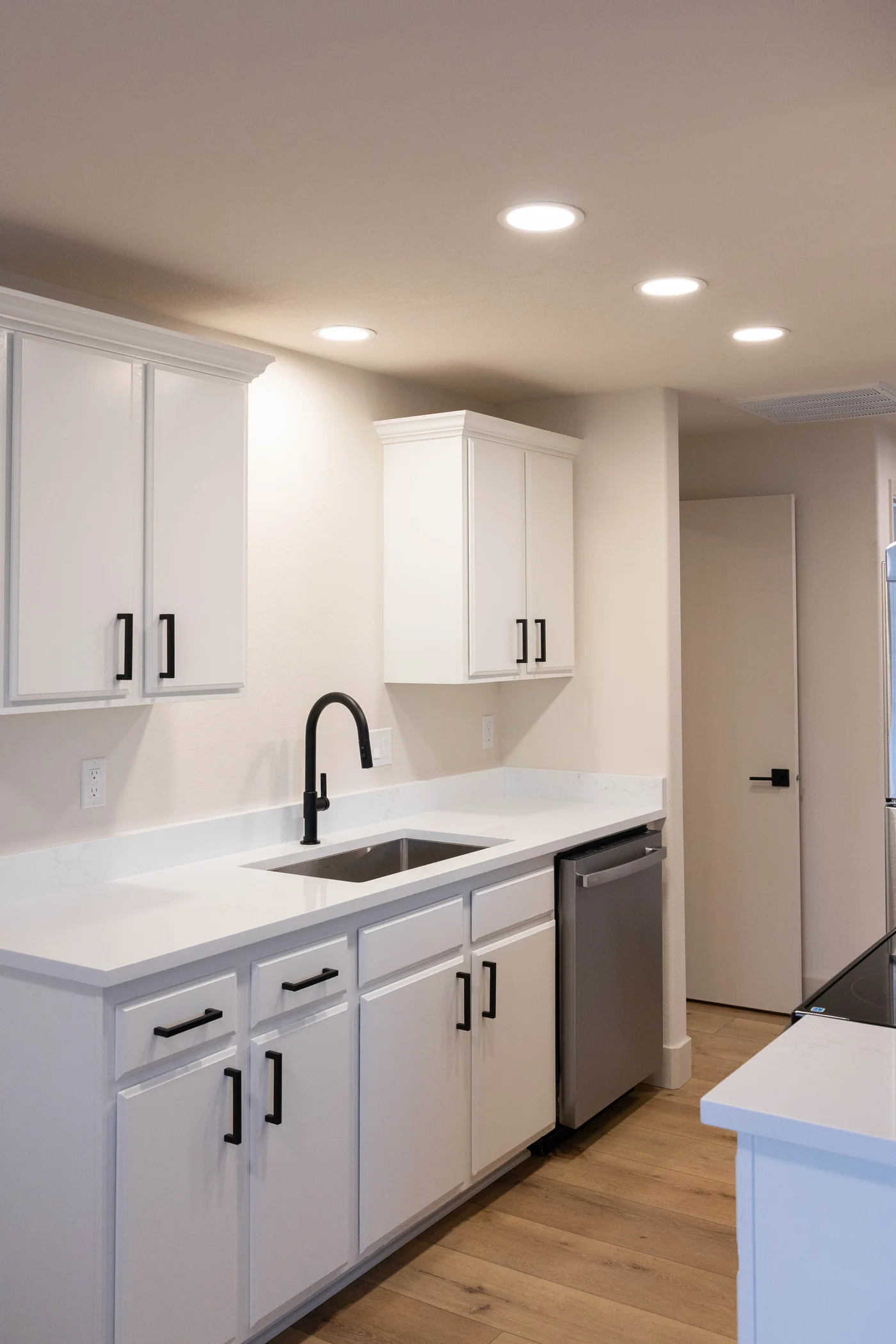
Three real projects, photo-documented for the insurance carrier and backed by our 5-year workmanship warranty. Drag each handle to compare.
“Had a leak in our wall and our plumber recommended Robinson Restoration to handle remediation of the water damage. Christian and Adolfo were awesome. Great communication throughout the setup of the containment area and installation of the equipment to start the drying process.”
Won Lee · Google Review
“We recently had an unfortunate plumbing issue that led to some significant flooding issues. On the recommendation of our plumber we reached out to Robinson Restoration to help us with drying out our house and getting it ready to be put back together.”
Don Warner · Google Review
“We've had the bittersweet opportunity to have Robinson in our lives twice now. First, for a major 3,000 sq ft mold remediation of our crawl space. Then last week, we had an unfortunate flood. I don't know what we would have done without them.”
T Marie C · Google Review
In Oregon, you choose your restoration contractor, and your carrier can’t penalize you for it. We document every Saint Helens loss with moisture maps, photos, and daily readings, then bill your insurer directly. You pay your deductible. That’s it.
Subject to policy coverage and deductible. We handle the paperwork, photos, and adjuster calls.
Every Saint Helens call routes to a dispatcher who's on duty around the clock, weekends included. A crew working Columbia County comes out with extraction units, air movers, and dehumidifiers, so standing water leaves before drying starts. Reconstruction, when the job needs it, gets managed through licensed contractors and sister companies we trust. Insurance billing is handled directly with your carrier.
It depends on your policy. Sewer and drain backup is typically excluded unless you carry the water backup endorsement, which a lot of Saint Helens owners in the older neighborhoods have added because root intrusion is common here. Either way, the cleanup is the same: contained work area, removal of porous material, antimicrobial treatment, and verified drying. We document the source so your carrier can rule on it fairly.
In most cases, yes, and it takes a slower approach. Old-growth fir flooring, plaster, and original millwork respond badly to aggressive heat and high airflow, which can cup boards and crack plaster. We use lower-velocity air movement, tight containment, and desiccant dehumidification where it fits, and we check readings twice as often. Saving original material is usually cheaper than replacing it anyway.
We answer the phone 24/7 and target on-site in 90 minutes for Saint Helens. The intake call covers the essentials: where the water is coming from, whether the main is shut off, and whether it's safe to be in the space. Crews roll with extraction and drying equipment already loaded, so work starts at arrival instead of after a return trip for gear.
Category one is clean supply water from a broken line or a fixture. Water carrying contaminants, like dishwasher or washing machine discharge, falls into category two. The third category covers grossly contaminated water: sewage, ground water that entered the building, or anything that has sat long enough to grow bacteria. That rating determines what can be dried in place and what has to be removed, so it drives the whole scope.
Yes. The riverfront district's older commercial buildings have their own issues: low-slope roofs, aging service lines, and finished space carved into structures built for something else. We dry occupied commercial space with containment so a shop or office can keep its doors open, and we coordinate directly with the building owner, the tenant, and the carrier so nobody is guessing about who authorized what.
Both, with a distinction worth knowing. Mitigation and drying are done by our own IICRC-certified crews. Reconstruction is managed by us and performed by licensed contractors and sister companies we've worked with for years. You stay with one point of contact through demolition, drying, flooring, drywall, and paint, which matters on a Saint Helens home where matching original trim takes some hunting.
Water damage compounds by the hour. Call Robinson Restoration and a Saint Helens crew will be on the way.
Licensed · Insured · IICRC Certified · Serving Washington & Oregon