Robinson Restoration is an IICRC-certified water damage restoration company serving Kalama, WA. Crews dispatch 24 hours a day, arrive on-site in 90 minutes or less, document the readings and photos your carrier needs, and bill your insurance directly on covered claims.
Kalama runs narrow: a strip of town between the Columbia River and the bluff, with the mainline railroad and the freeway threaded through it. Houses here sit either close to the water or up a steep grade above it, and both situations create their own water problems. We answer 24 hours.
The old part of town dates to the railroad era, which means wood-frame houses on shallow crawlspaces, original drain lines, and additions built in a half dozen decades. Up on the bluff, newer view homes deal with runoff coming down at them all winter. The Columbia pushes wind and rain sideways into siding here in a way inland towns never see, and the Kalama River flexes with every warm storm.
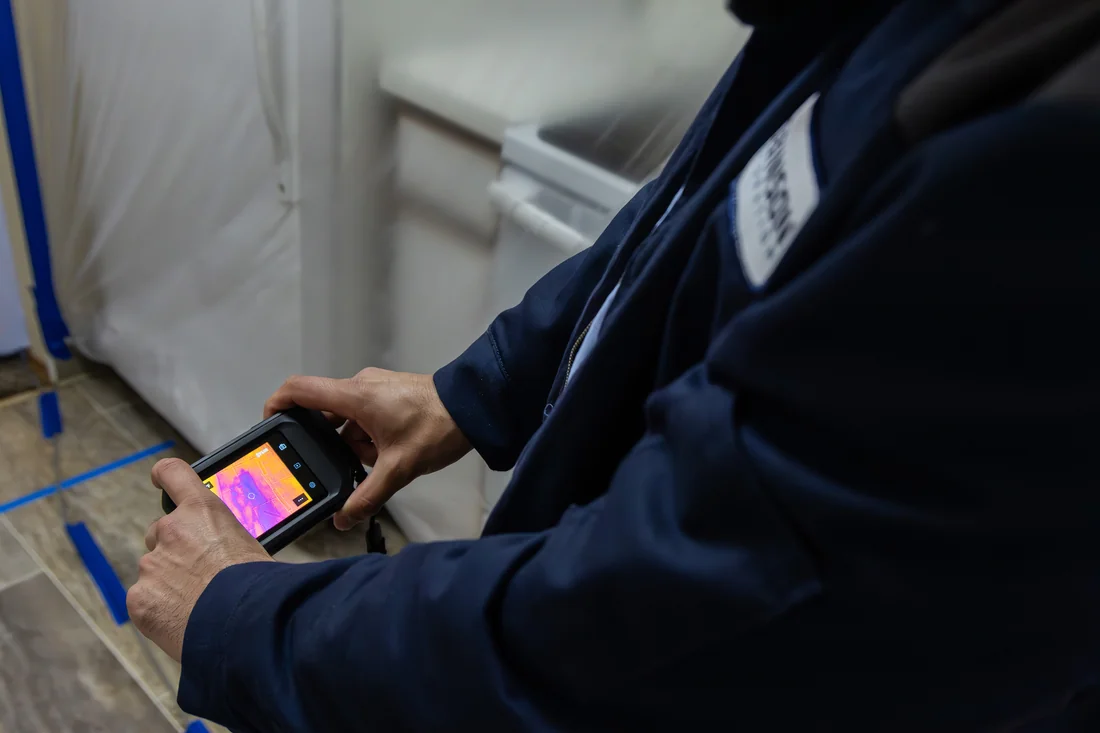
Cowlitz County calls route through our 24-hour dispatch, and the crews that cover the I-5 corridor between Vancouver and Longview carry full extraction and drying packages. Everything gets measured: moisture maps on arrival, readings logged daily, photos of each affected area, all handled to IICRC standards. Robinson bills most carriers directly. Rebuild work is managed through licensed contractors and sister companies we trust with our name.

Kalama sits on our main north-south corridor, so a call here puts a certified crew and a loaded truck in motion right away.
24 hours a day, 7 days a week, our crews dispatch the moment you call and start mitigation the same visit. Call dispatch or message us for immediate help.
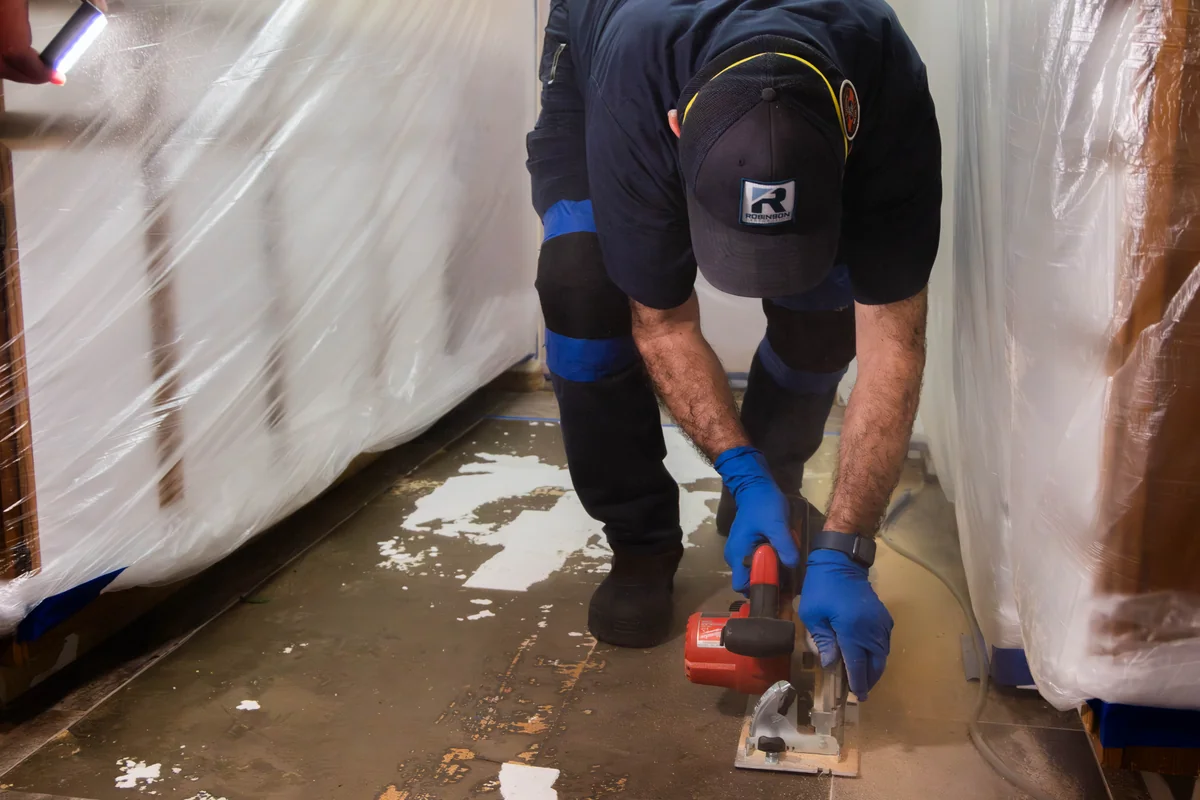
We stop further damage with commercial extraction, structural drying, and antimicrobial treatment, and we walk you through the entire insurance claim as we work.
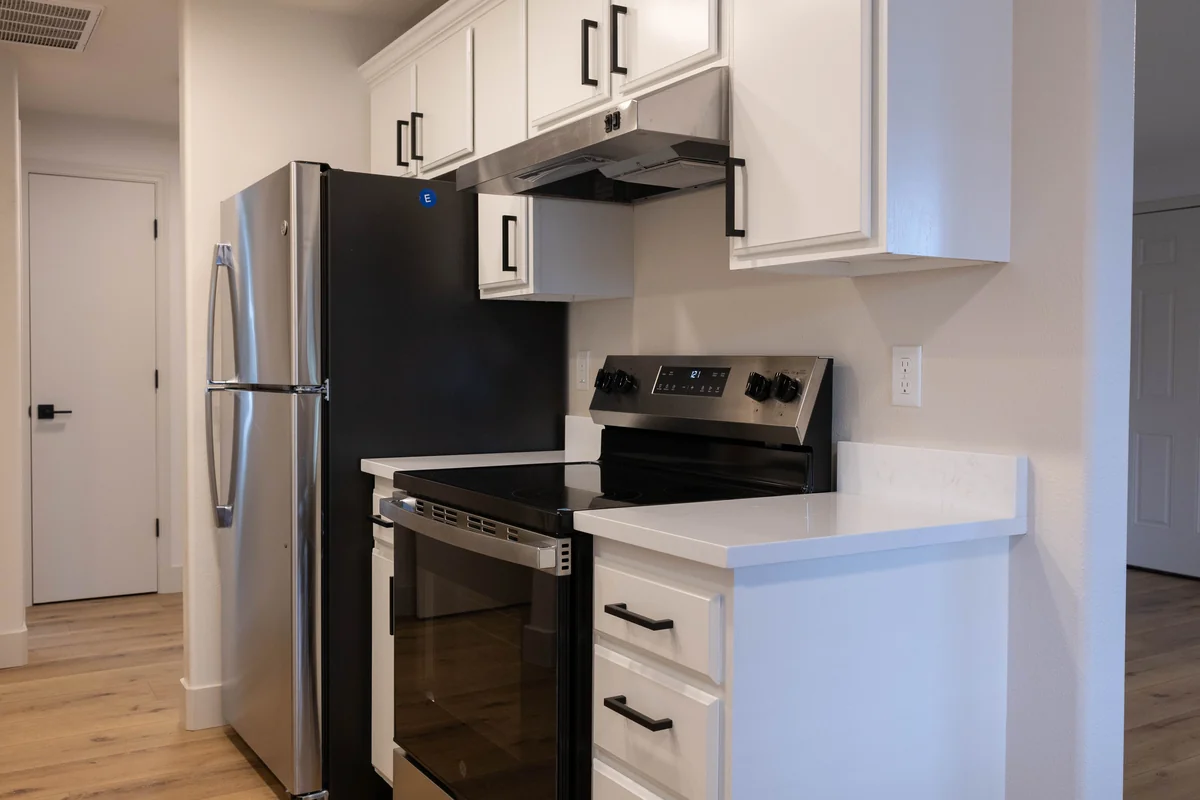
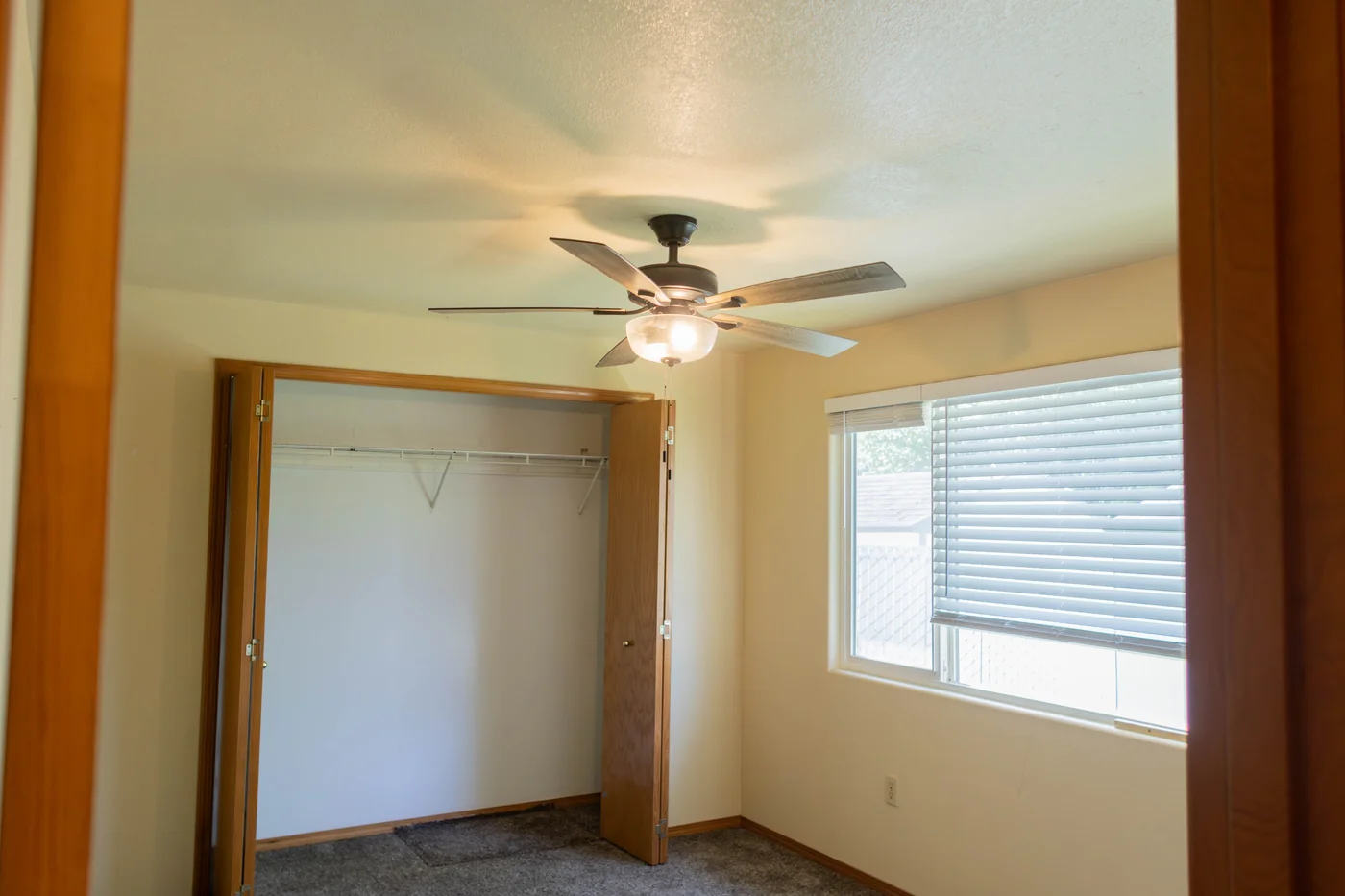
We manage your rebuild to pre-damaged condition through our trusted network of licensed contractors and sister companies. One manager, one timeline.
Living beside the Columbia means wind-driven rain that gets behind siding and window flashing rather than running down it. The damage shows up as a stain on an interior wall months after the storm that caused it. When we find that pattern in a Kalama home we trace it to the entry point instead of just drying the drywall and moving on.
The hillside above town sheds a lot of water in a long rain, and the properties below take it. Cut banks, driveway culverts, and undersized yard drains all fail the same way: water finds the low corner of a foundation and sits there. Crawlspaces fill quietly, so most homeowners learn about it from the smell before they see anything.
Plenty of Kalama's housing predates modern materials, so a single home can hold galvanized supply, cast iron drains, a copper repair from the seventies, and a PEX patch from last year. Those transitions are where failures start. We locate the actual break before we start pulling material, which keeps the demolition scope honest on the estimate.
The industrial side of Kalama runs on metal buildings, offices attached to shops, and equipment that has to stay running. Commercial losses need containment that keeps the rest of the operation working while one area dries. We schedule around shifts, isolate the affected zone, and produce the documentation a commercial carrier will require for business interruption.
Most of the losses we run in Kalama start one of three ways: roof and storm leaks, flooding and groundwater, and burst and leaking pipes. Here is why each one happens here, and what it takes to dry it properly.
Storms come up the river with real wind behind them. Shingles lift, flashing opens, and rain gets driven under the roof edge, which is why so many Kalama leaks appear on an upper wall rather than a ceiling.
Between hillside runoff above town and high river stages below it, low-lying Kalama properties can take water from two directions in the same storm. Crawlspaces and ground-level garages go first.
Old galvanized lines in the original housing stock narrow with corrosion until pressure finds the weak spot. The break is usually inside a wall or under the floor where it soaks framing for days.
Water is how most losses start. It’s rarely where they end. The same local crew handles all of it.
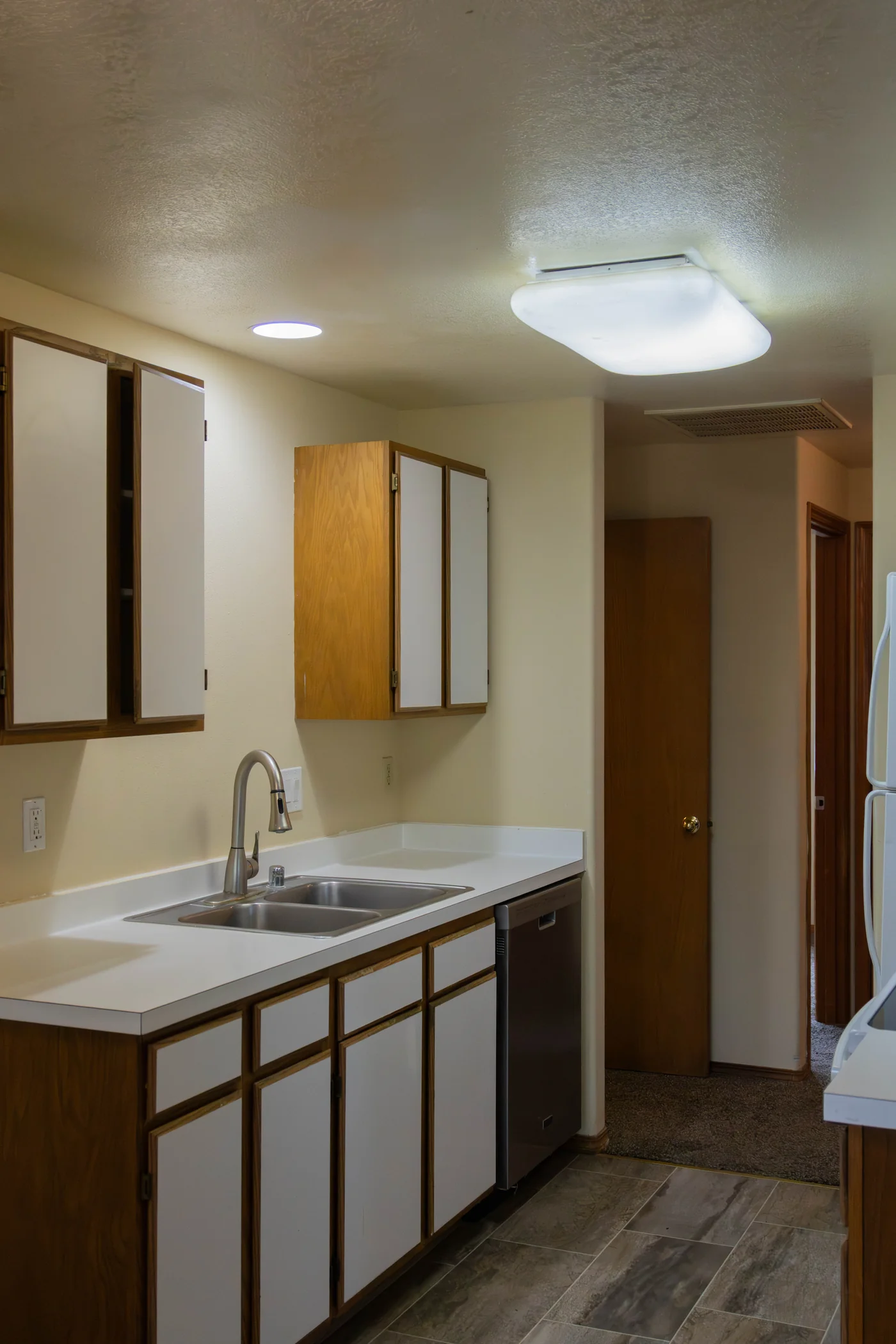
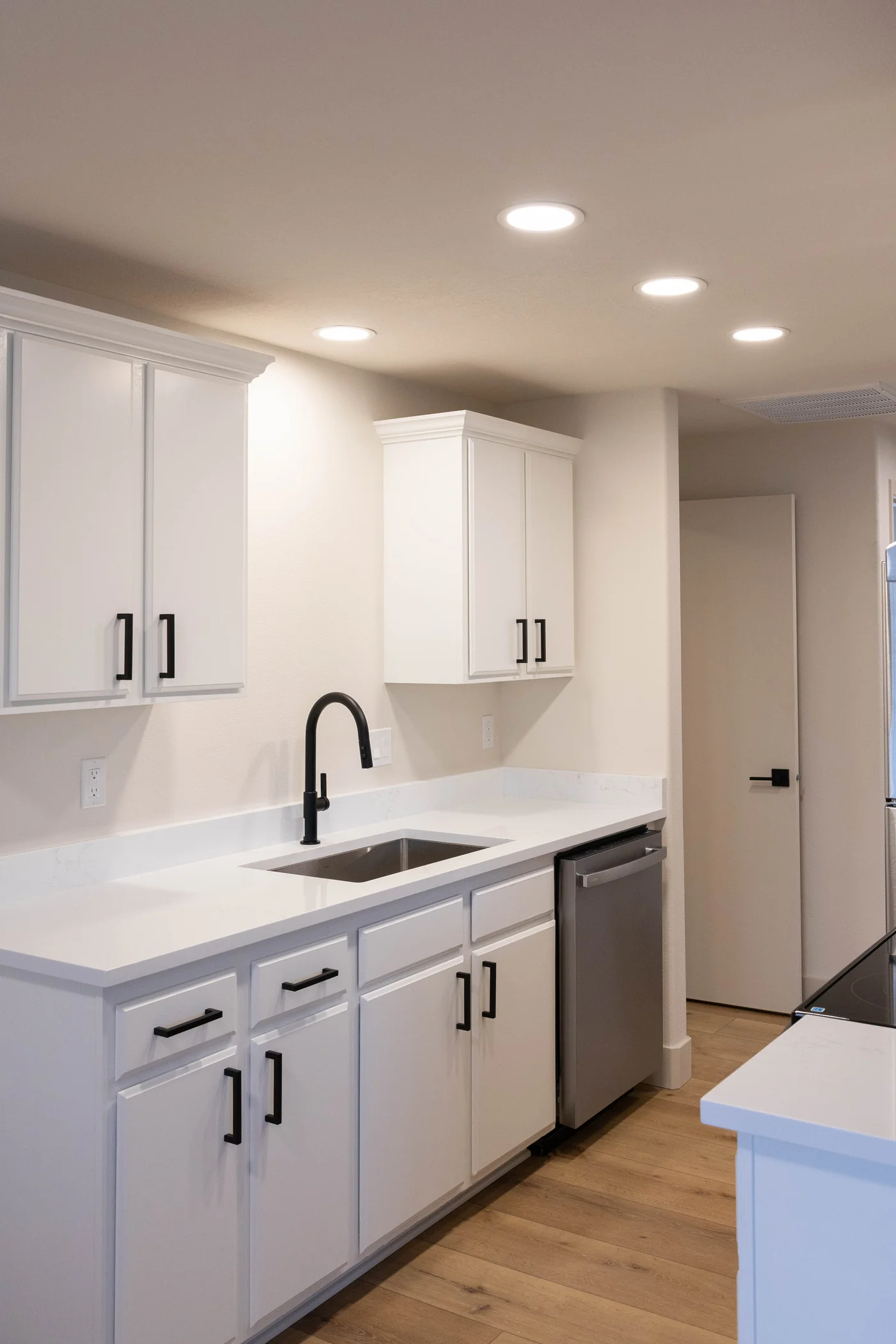
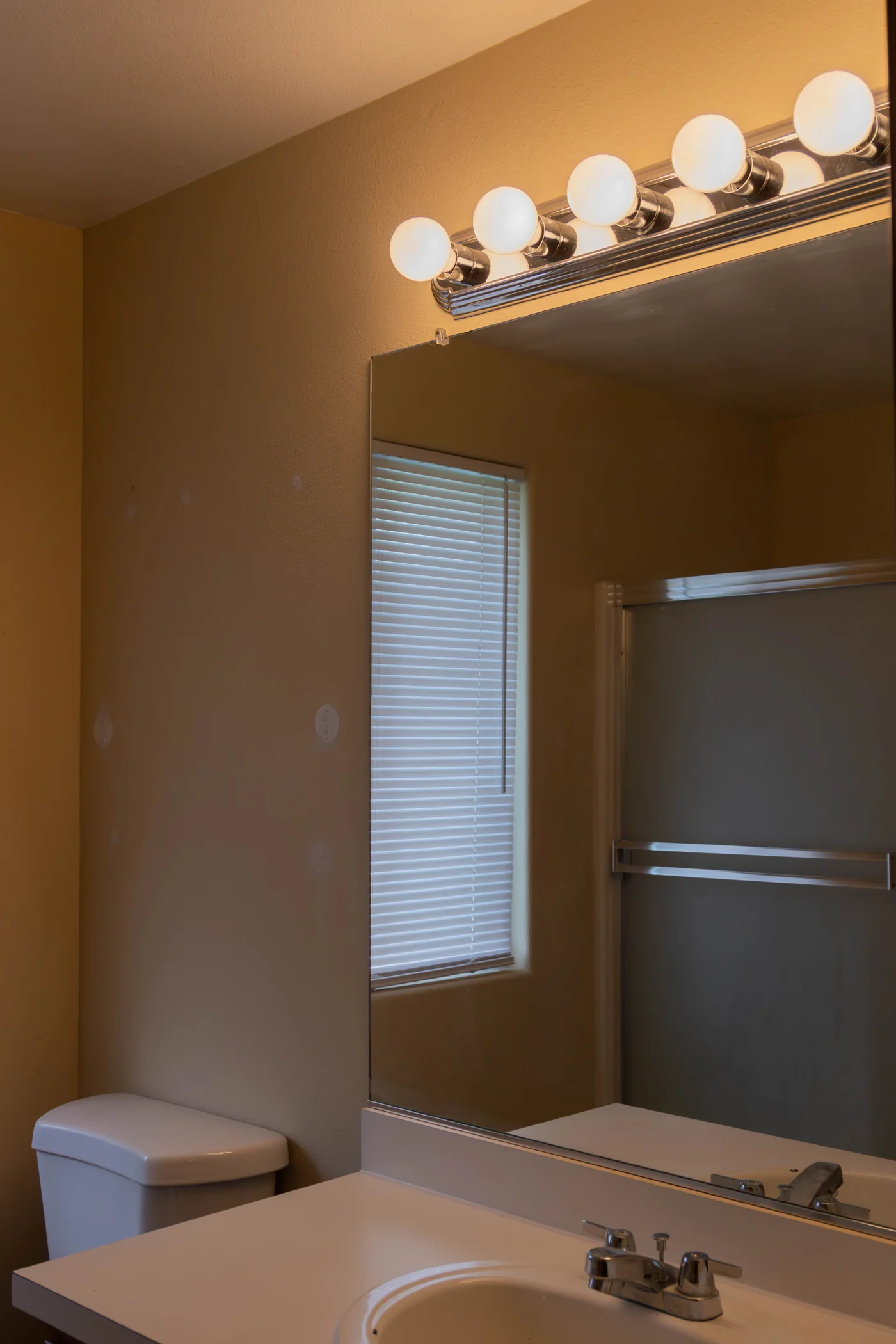
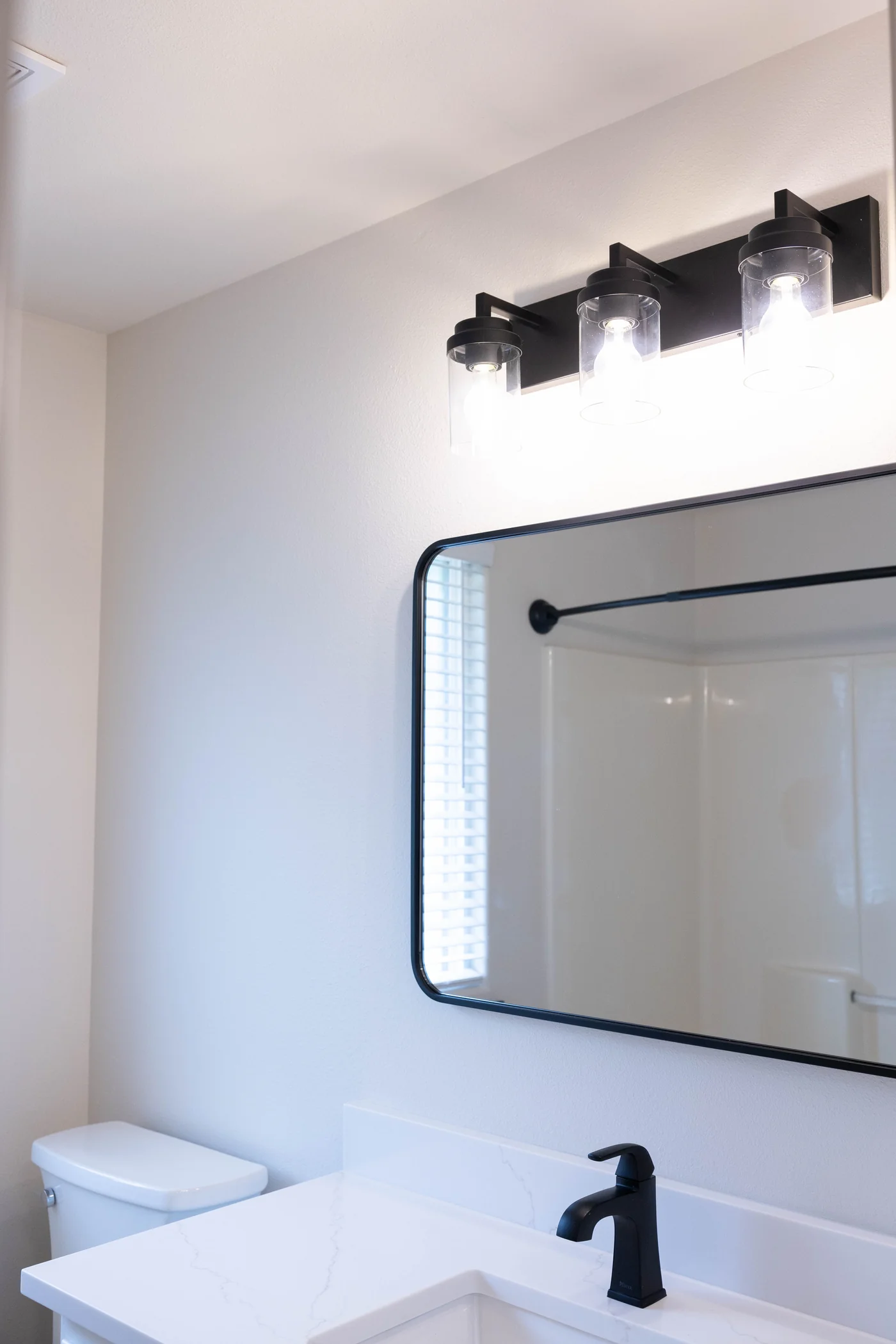
Three real projects, photo-documented for the insurance carrier. Drag each handle to compare.
“Just started a project with Cole and Chuck at Robinson Restoration and had to write a review straight away. These guys have been fantastic. We were away on a week long trip when we had a kitchen leak that destroyed our flooring and subfloor.”
Justin O'Neill · Google Review
“I want to express our sincere gratitude to the Robinson team that quickly moved to identify, rectify, repair, and then clean up the mess left by an itty-bitty hot water leak that went unnoticed because of its location.”
Michael Quinn · Google Review
“Kyla and Jake were super friendly and knowledgeable. Jake was at my house 90 minutes after I called and did a free inspection. I won't need their services this time, but I will definitely call them if I ever have to deal with water damage.”
Carmen Otten · Google Review
In Washington, you choose your restoration contractor, and your carrier can’t penalize you for it. We document every Kalama loss with moisture maps, photos, and daily readings, then bill your insurer directly. You pay your deductible. That’s it.
Subject to policy coverage and deductible. We handle the paperwork, photos, and adjuster calls.
Water doesn't wait for business hours, and neither does our dispatch team. Robinson keeps a Southwest Washington crew that responds to Kalama around the clock, and the truck shows up stocked with extraction units, air movers, and dehumidifiers. Techs pull standing water, map the moisture, and start drying on the first visit. We handle the insurance billing directly, photos and moisture readings included.
No. The I-5 corridor between Vancouver and Longview is regular territory for our crews, and small-town calls get the same 24-hour dispatch as anything in the metro. We aim to be on-site in 90 minutes, and while we're rolling, dispatch stays on the phone with you about shutting off water and power safely.
It depends on how it got in. Wind-driven rain through a roof or a failed flashing is usually a covered peril under a standard homeowners policy. Surface water rising from the ground is not, and needs separate flood coverage. Kalama sees both, sometimes in the same night, so we document the entry point carefully because that single detail decides the claim.
That smell is microbial growth on wet wood and it means the crawlspace has been damp long enough for something to take hold. In Kalama we see this constantly on properties below the bluff. We inspect with meters, extract anything standing, remove ruined insulation and vapor barrier, dry the joists and subfloor, apply an antimicrobial, and put a proper barrier back down.
We do. Kalama's port-side businesses, contractor shops, and office spaces all get the same certified process with containment built around keeping you operating. We work off-shift when that limits disruption, isolate the wet zone with poly and negative air, and give you documentation detailed enough for a commercial policy, including anything your carrier needs on business interruption.
Slowly and with instruments. Old-growth fir trim and original floors in Kalama's older homes can be saved more often than people expect, but they warp if you blast them with heat and air. We control humidity rather than just moving air, monitor moisture content in the wood daily, and adjust equipment as the readings drop. Salvage decisions get made on data.
Robinson runs the emergency and mitigation side with our own IICRC-certified technicians. For the rebuild, we manage licensed contractors and sister companies through the repair phase and stay involved as your point of contact, so the Kalama job does not stall in the gap between the drying invoice and the reconstruction estimate. One conversation instead of three.
Kalama water losses get worse quietly. Call the 24-hour line and we'll dispatch a certified crew.
Licensed · Insured · IICRC Certified · Serving Washington & Oregon