

Robinson Restoration is an IICRC-certified fire and smoke damage restoration company serving Renton, WA. We secure and board up the property the same day, clean soot and smoke residue by type, remove odor at its source, and manage the rebuild through vetted licensed contractors and sister companies.
The fire was in your townhome, but by morning the neighbor next door is asking why her closet smells like campfire. Two households, one HOA, two claims. Fire and smoke damage restoration in a Renton townhome row starts with how far the smoke went.
Renton's housing runs from defense-era blocks and mid-century ranchers up in the Highlands and on Renton Hill to the newer townhome rows downtown and out toward Fairwood, and the attached housing is where a single fire turns into a shared problem. A townhome wall between units stops flames much better than it stops smoke. Soot rides air pressure through the plumbing and electrical chases, into the attic space the units share, and down into the homes on either side. In the mid-century neighborhoods, where the framing is older and leakier, it moves through even faster. Whoever owned the pot on the stove, the smoke does not care about the property line.
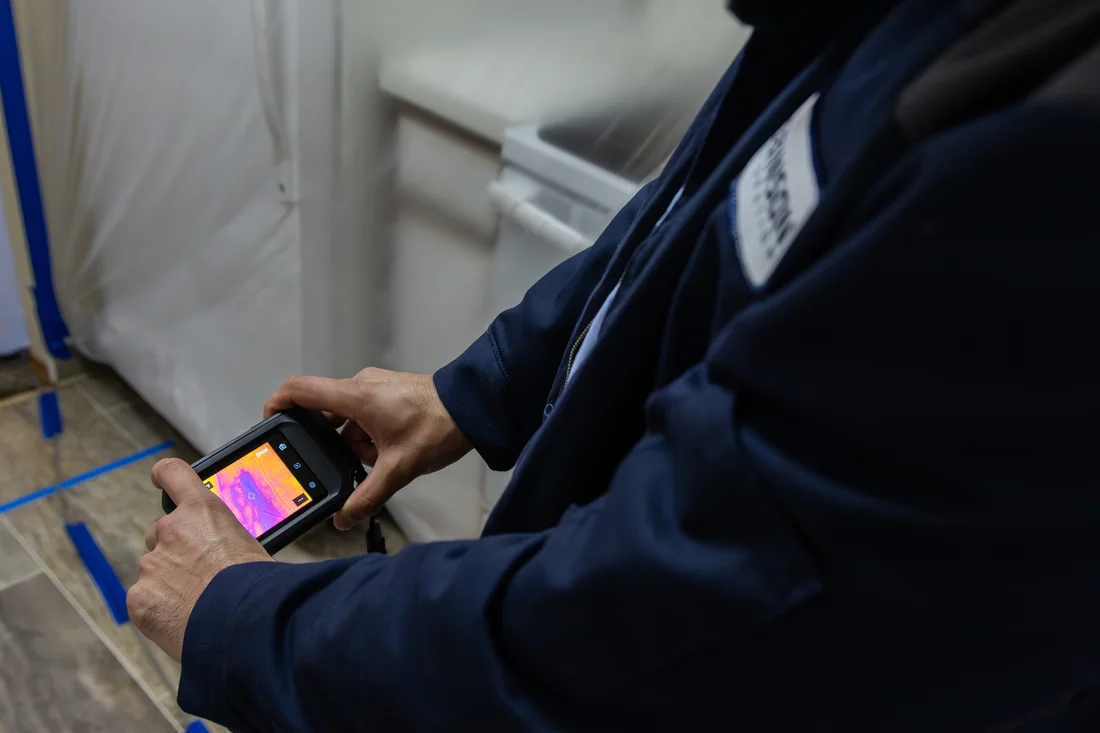
Robinson Restoration dispatches Renton fire work from the Kent operations center, and the first job is to secure your unit and find the edge of the damage next door. We board up, tarp, check utilities and extract firefighting water the same day, and photograph every affected unit before cleaning, neighbors included. Then each unit gets its own scope and documentation, so your claim, your neighbor's and the association's master policy each have a clean file. Soot is cleaned by type, odor comes out at the source in the shared attic and wall cavities, and the rebuild is managed through vetted licensed contractors and sister companies by the same project manager. We bill each carrier directly.
In a townhome row the three phases happen unit by unit, with containment at every shared wall so the cleanup does not spread the soot further than the fire did.
Once the fire department releases the property, we board up openings, tarp the roof, check utilities and pull out the firefighting water. Everything gets photographed for your claim before anything is moved.
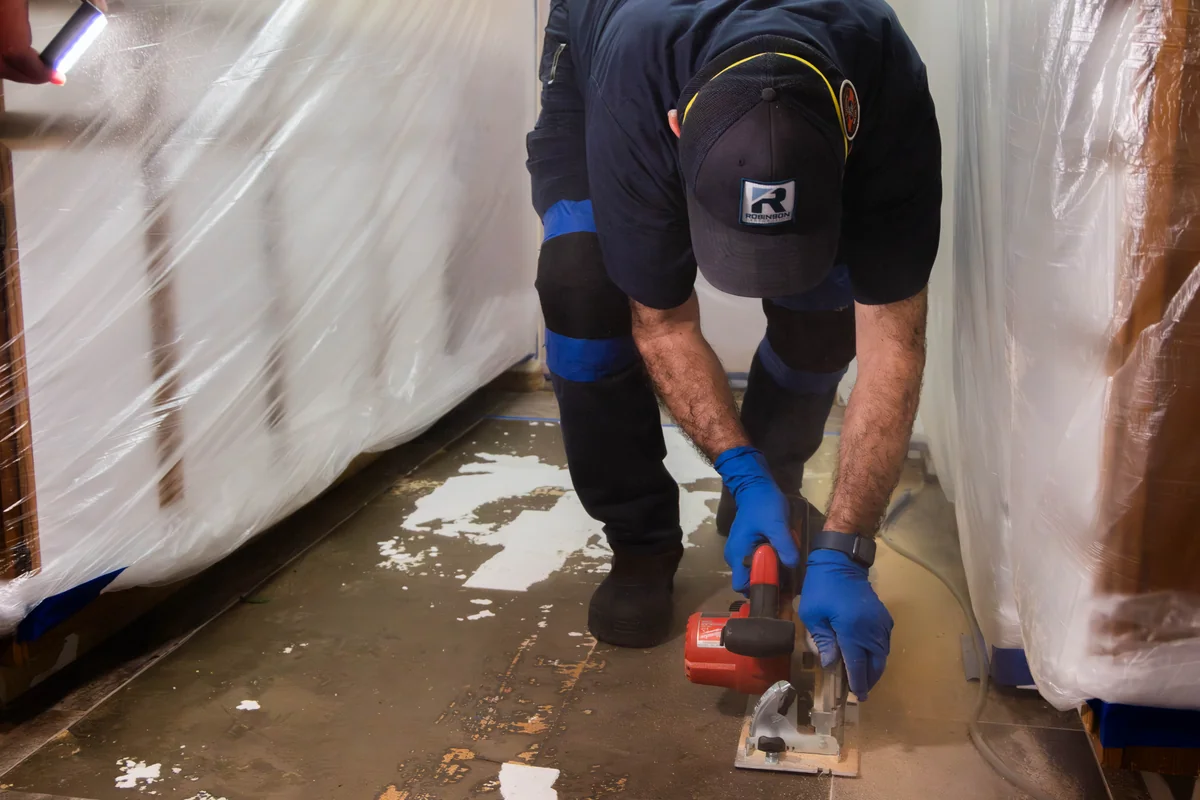
Soot is cleaned by residue type, because wet smoke, dry smoke and protein film each respond to different methods. HEPA air scrubbing, hydroxyl or ozone treatment and source removal end the odor instead of masking it.

Charred framing, drywall, flooring and finishes go back through vetted licensed contractors and sister companies, managed by the same Robinson project manager from the first day to the final inspection.
The newer attached housing downtown and toward Fairwood puts several homes under one roofline, and the attic and the chases behind the shared walls carry smoke from the fire unit into the others. Fire and smoke damage restoration in Renton attached housing means scoping every unit the residue reached, then holding hard containment on the shared walls so the cleanup in your unit does not become a second smoke event.
Who pays for what follows the association's governing documents: the master policy usually carries the structure and shared parts, your policy carries your unit's interior and contents, and the split varies. Robinson Restoration does not decide that. We document each unit separately, photos before cleaning and a line-item scope per unit, so the adjusters can apply the split without arguing over whose soot is whose.
The older hillside houses leak air, so a kitchen fire sends smoke into the ceiling and down the exterior wall cavities fast. Dry smoke from a fast fire in wood and paper gets driven into cracks and outlet boxes by the heat, and it needs a different method than the sticky residue a plastics fire leaves. The inspection sorts out which one you have, because the wrong method sets the soot instead of lifting it.
Smoke odor in the unit next door often shows up a day or two after the fire rather than during it, and it does not fade on its own. That unit needs the same source removal as yours: insulation out, framing cleaned and sealed, odor treatment run while the space is empty. Robinson Restoration coordinates access with the neighbor and the HOA so both units run on one schedule instead of one waiting on the other.
In Renton, the fire is rarely the biggest part of the job. The residue we spend the most time on shows up in three places: shared walls in multi-family buildings, attics and insulation, and wall cavities and framing. Each one holds smoke for a different reason, which changes what gets cleaned and what has to come out.
Attached housing here shares walls, chases and often the attic. Smoke follows the pressure through all of them into units where nothing burned, and a soot film on a neighbor's closet shelf is the usual first sign. Every unit the residue reached gets scoped, contained at the shared wall and documented on its own, because it will be its own claim.
The attic over a townhome row or a rancher is full of insulation, and insulation holds smoke odor like nothing else in the house. It cannot be cleaned. It comes out, the trusses and sheathing get cleaned and sealed, and new insulation goes in with the rebuild. In a shared attic that work has to reach the far side of the row, wherever the residue stopped.
Heat pressure drives soot into wall cavities through outlet boxes, top plates and the gaps around pipes, and in a shared wall that cavity belongs to two homes. Dry smoke from a fast, hot fire settles as fine powder deep in the framing where wiping never reaches, so the drywall on the fire side usually comes off to clean and seal the studs behind it.
Water is how most losses start. It’s rarely where they end. The same local crew handles all of it.
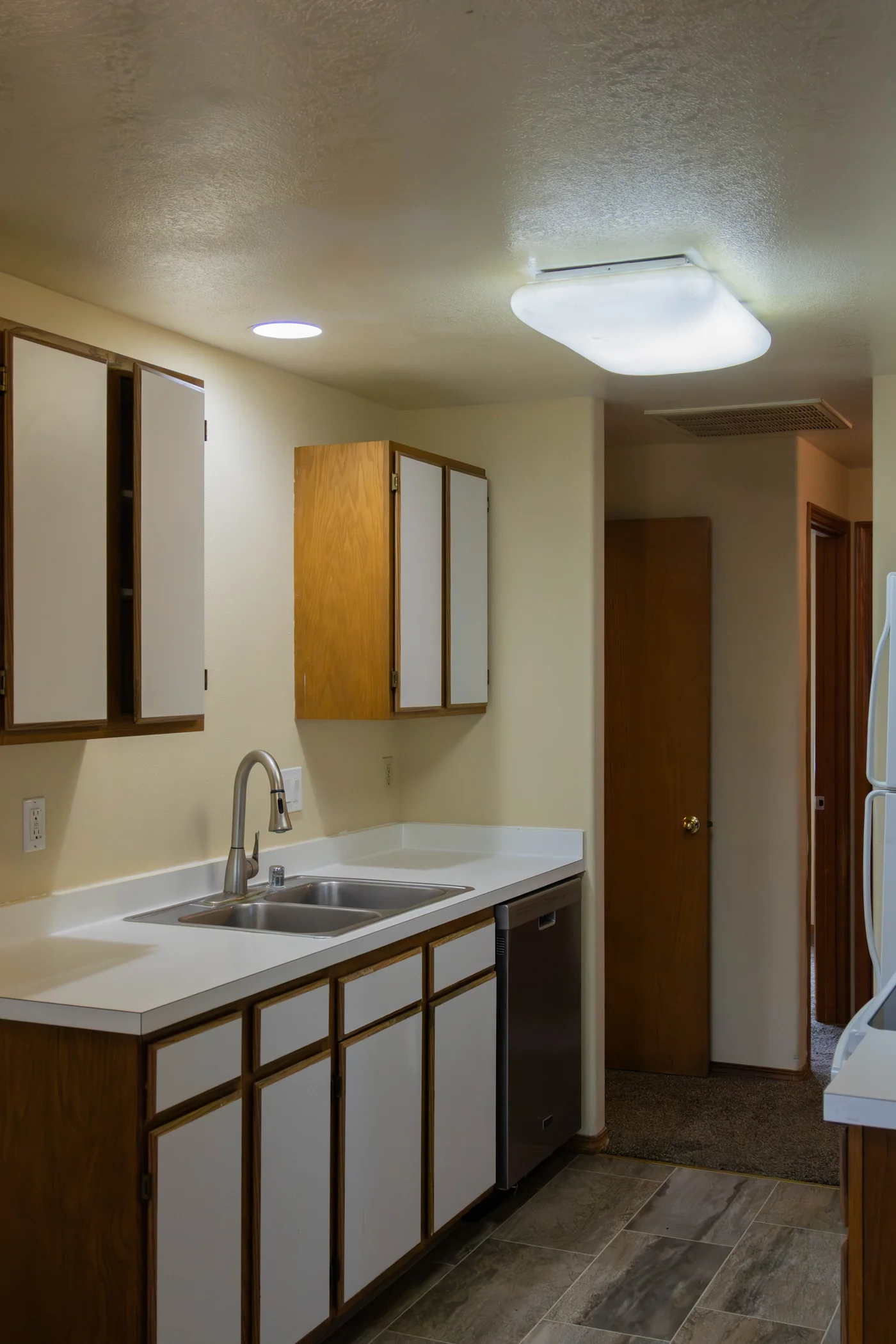
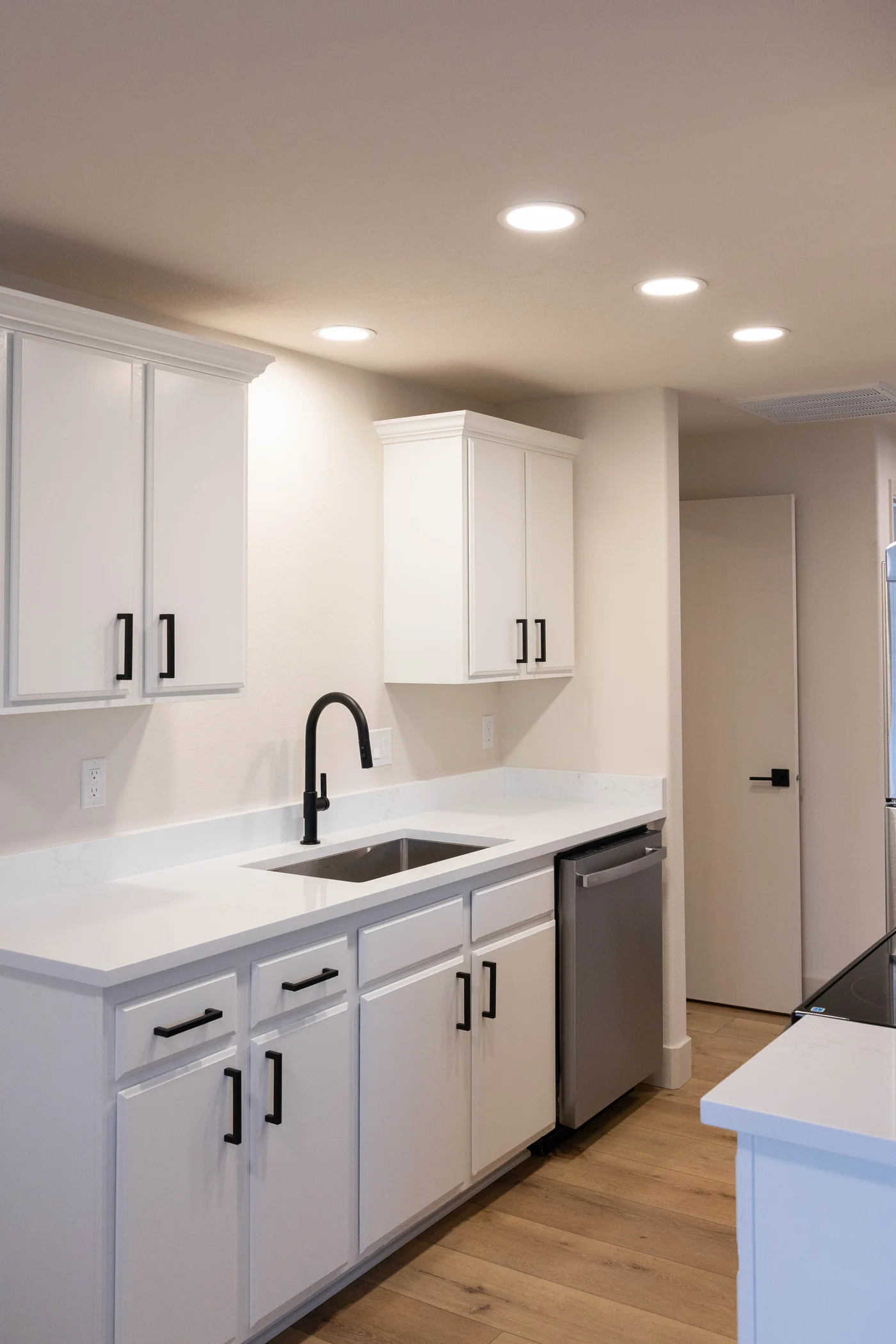
Once the soot is gone and the odor is verified out, we manage the rebuild through licensed contractors. Drag the handle to compare a documented Robinson project.
“We hired Robinson Restoration after a boiler joint failed and leaked what we thought was a small amount of water in our laundry room, but turned out to be more serious than it appeared. They did a fantastic job from first contact to insurance claim approval.”
Randi Covin · Google Review
“We had a major sewer back up a couple of weeks ago, into the laundry room and downstairs bathroom. Panic! We were referred to Robinson Restoration and what a blessing. The whole crew has been wonderful.”
Lynn Dee King · Google Review
“One of the pipes in the shower burst and water damage got all over the roof in the kitchen. As new home owners we were very scared and panicked. We contacted Kelly Farmer from Robinson Restoration and believe me when I say I felt like more than half of my problem was solved.”
Nav Basra · Google Review
Fire is one of the most reliably covered perils in a homeowners policy, and a Renton fire claim usually touches the dwelling, contents and additional living expenses at once. In Washington, you choose your restoration contractor. We photograph everything before cleanup starts, inventory contents room by room, write a line-item scope, and bill your carrier directly. You pay your deductible.
Subject to policy coverage and deductible. We handle the paperwork, photos, and adjuster calls.
Fire damage restoration near me in Renton gets you a Robinson Restoration crew from the Kent operations center, on-site in 90 minutes or less with board-up material, extraction equipment and the camera that documents every unit before anyone touches a wall. You get a free inspection of your unit and the neighbors' where they allow it, one written scope per unit, and one project manager for the whole row.
Usually no; their damage is filed on their own policy or the association's master policy, depending on how your HOA's documents split the building. Your claim covers your unit and your contents. What keeps that from becoming a fight is separate documentation: Robinson Restoration photographs and scopes each unit on its own, so nobody guesses where the soot line was. Tell your neighbor to file promptly; soot starts staining within days no matter whose paperwork it is on.
For part of it, yes. The hydroxyl and ozone odor treatment runs only while the unit is empty, and demo of the fire room and the attic insulation is not something to live through with a family. Additional living expenses are a standard part of a fire claim, so the rental or hotel is usually covered; keep every receipt. The work runs from our Kent operations center, and the schedule groups the unoccupied stages together so the time away is as short as the job allows.
Not usually for the inside of your unit. In Washington you choose your own restoration contractor, and the association typically handles the parts the master policy covers. In practice one company doing both sides is simpler, because the smoke path does not stop at the wall, and the containment, the attic work and the odor cycles need one schedule. Robinson Restoration works for owners, HOAs and management companies on the same building and gives each one its own file.
Charred framing, the attic insulation over the affected units, carpet pad and any porous material the soot landed on come out; hard surfaces, most framing outside the burn and a lot of the contents get cleaned. Contents are photographed and barcoded room by room, then hard goods go to ultrasonic cleaning and textiles to specialty washing. Sometimes the drywall on a smoke-only wall can stay. Usually it comes off so the cavity behind it can be cleaned and sealed, and the scope shows you which walls are which.
Robinson Restoration manages the rebuild through vetted licensed contractors and sister companies, and the same project manager who ran the cleanup stays on it through the final inspection. Permits, inspections and current code govern what goes back, and in an attached building that can mean the shared wall is rebuilt to today's standard rather than the one it was built under. Code upgrades get their own line on the scope, because they move the cost and your carrier will want them separated from the repair.
Most policies pay actual cash value up front and release the recoverable depreciation once the work is done and invoiced. The claim typically covers the dwelling, contents and additional living expenses, and the usual reasons for a reduced payout are intentional acts, a unit left vacant past the policy limit or neglected maintenance; a pre-existing problem found during demo gets separated out of the fire scope. Supplements for hidden damage go to the adjuster with photos; upgrades you choose are quoted separately.
Fire in one Renton unit and smoke in the next? Get a free inspection for every unit it reached.
Licensed · Insured · IICRC Certified · Serving Washington & Oregon