

Robinson Restoration is an IICRC-certified fire and smoke damage restoration company serving Ridgefield, WA. We secure and board up the property the same day, clean soot and smoke residue by type, remove odor at its source, and manage the rebuild through vetted licensed contractors and sister companies.
The garage fire in your Ridgefield home is out and the flames never left the garage, but the whole house smells like burnt plastic. That smell is the job. Fire and smoke damage restoration in a Ridgefield subdivision is mostly about where the smoke went.
Most of the homes east of the freeway went up after 2010, and a house that new is built tight. Tight is great for the heating bill. It is bad news in a fire, because the smoke that gets past the garage door has nowhere to go except deeper: up into the attic that the garage and the bedrooms share, and into the return side of the furnace ductwork, which then delivers it to every room. The old houses up on the bluff leak air and let some of it out. A subdivision home from the last ten years holds it. Add a long Clark County wet season, and the firefighting water sitting in those same sealed wall cavities has no easy way out either.
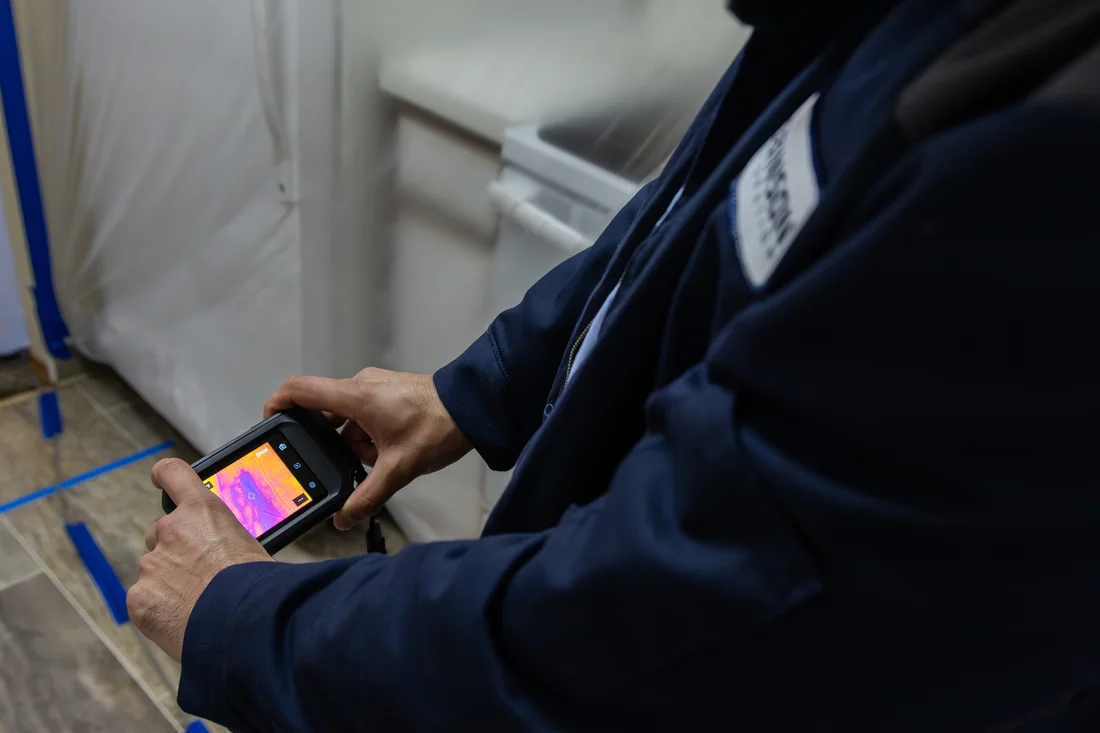
Robinson Restoration dispatches to Ridgefield from our Vancouver office, the company's home base, and the first crew comes to secure, not to sell. We board up the garage opening, check the utilities, pull the firefighting water, and photograph every room before anything is wiped or moved, because your adjuster will want to see the soot where it landed. Then the cleaning gets matched to the residue. A garage fire that burned plastic bins, tires and stored boxes usually leaves wet smoke, thick and sticky, and it smears when wiped. Contents are photographed and barcoded room by room before they leave. We write the scope, meet the adjuster, and bill your carrier directly.
In a new Ridgefield home the order matters: seal the garage, stop the soot from etching, then chase the smoke through the attic and the ducts before anyone talks about rebuilding.
Once the fire department releases the property, we board up openings, tarp the roof, check utilities and pull out the firefighting water. Everything gets photographed for your claim before anything is moved.
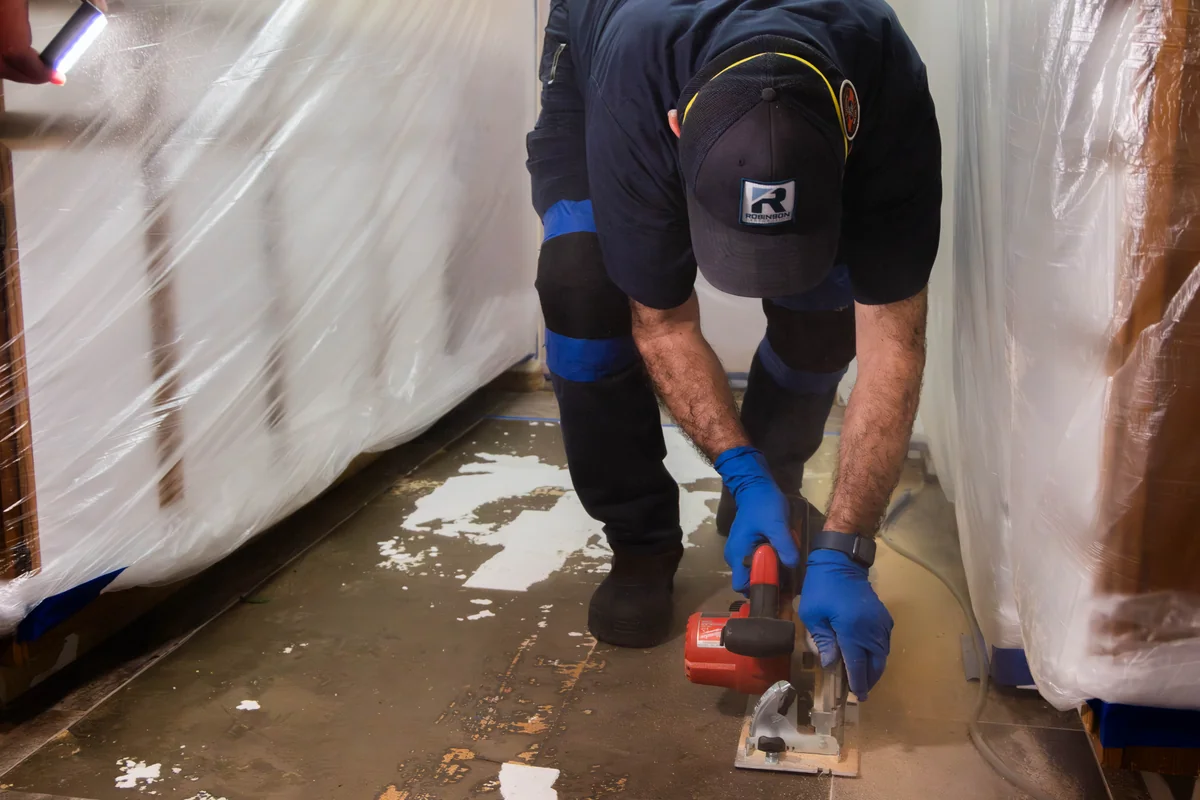
Soot is cleaned by residue type, because wet smoke, dry smoke and protein film each respond to different methods. HEPA air scrubbing, hydroxyl or ozone treatment and source removal end the odor instead of masking it.

Charred framing, drywall, flooring and finishes go back through vetted licensed contractors and sister companies, managed by the same Robinson project manager from the first day to the final inspection.
A tight envelope is why garage-fire smoke ends up in the upstairs closets. The house was built to keep conditioned air in, so it keeps smoke in too. Older houses on the bluff breathe some out through framing gaps; a subdivision home from the last ten years does not. Fire and smoke damage restoration in Ridgefield's newer homes starts in the wall cavities and attic insulation, which almost always comes out.
Smoke follows air pressure, and the return side of a forced-air system is the biggest pull in the house. If the furnace ran during or after the fire, the ducts carried soot into rooms the flames never touched. We clean the duct runs and the return plenum along with the rooms, because a duct system that still holds soot undoes a finished cleaning the first cold morning the heat kicks on.
Firefighting water is the second loss inside the first one. Hoses put a lot of water into the garage wall and the framing above it, and a Clark County winter gives it no natural way out. New construction traps moisture in the cavity the same way it traps smoke, so we open the wet wall, set drying equipment sized to the readings, and log moisture daily. Those logs are part of what your adjuster reads.
In a subdivision home the garage holds the strollers, the holiday bins and the sports gear, and that mix burns as slow, smoldering plastic. The result is wet smoke: thick, sticky and quick to smear. Porous things it landed on usually get removed, not cleaned. Hard goods are photographed and barcoded, then go to ultrasonic cleaning; clothing and soft goods go to specialty washing, with an inventory for your claim.
In Ridgefield, the fire is rarely the biggest part of the job. The residue we spend the most time on shows up in three places: garages and shops, attics and insulation, and HVAC systems and ductwork. Each one holds smoke for a different reason, which changes what gets cleaned and what has to come out.
The attached garage is where the fire starts and where the smoke pressure builds. Soot gets past the house wall through the gap around the door, the ceiling penetrations and the shared attic above, long before the fire would have. The garage ceiling drywall usually comes down to reach the charred framing behind it.
Most two-story subdivision homes east of the freeway carry one attic over the garage and the bedrooms, packed with insulation. Insulation is a sponge for smoke. It holds the odor long after the drywall below is clean, and there is no cleaning it; it comes out, the sheathing and trusses get cleaned and sealed, and new insulation goes in with the rebuild.
A furnace that keeps running after a garage fire is a smoke distributor. The return side of the ductwork pulls soot from the affected rooms and pushes it out every supply register in the house, which is how a garage fire leaves an odor in a second-floor nursery. Duct cleaning is part of the scope, and it happens after the source material is gone.
Water is how most losses start. It’s rarely where they end. The same local crew handles all of it.
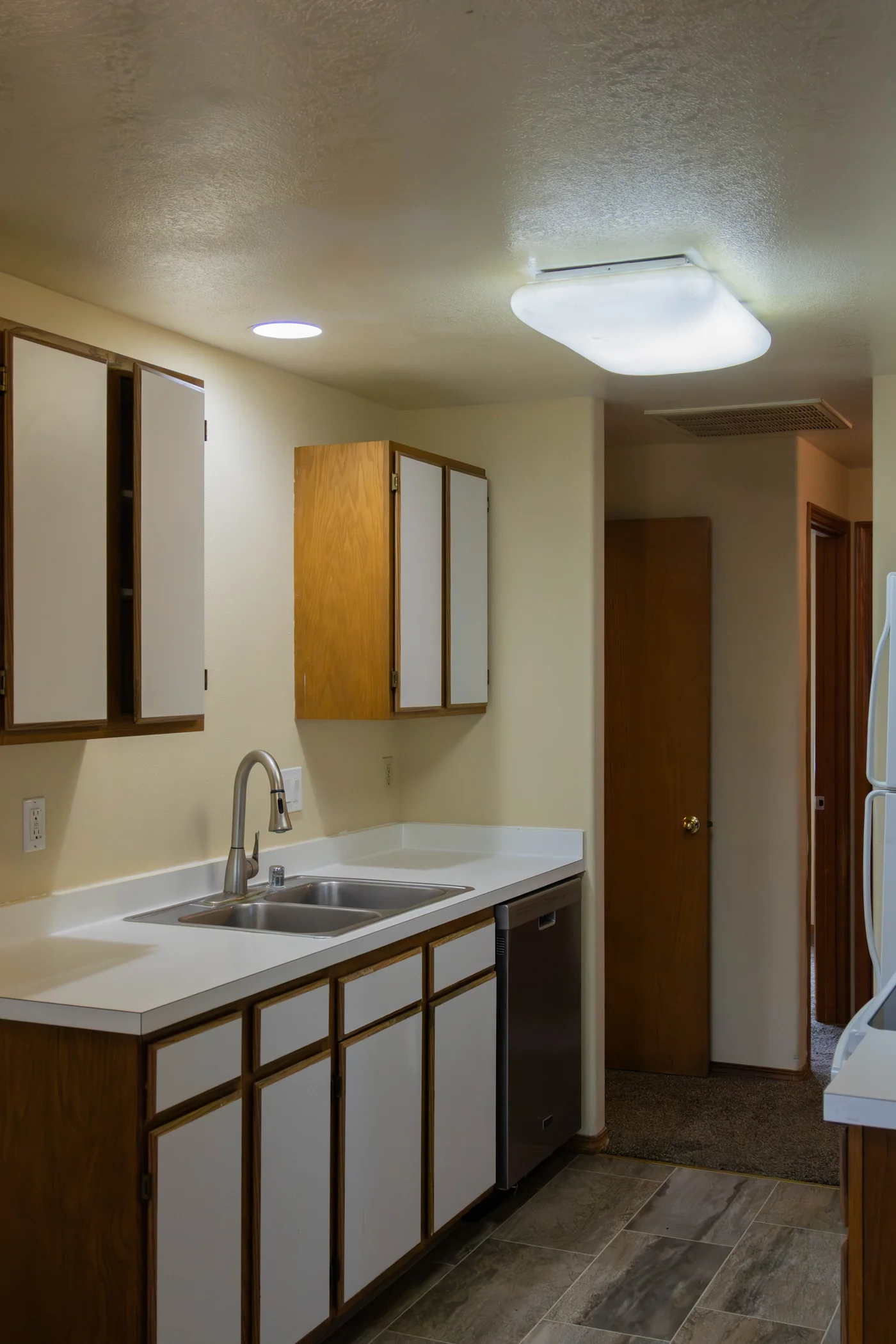
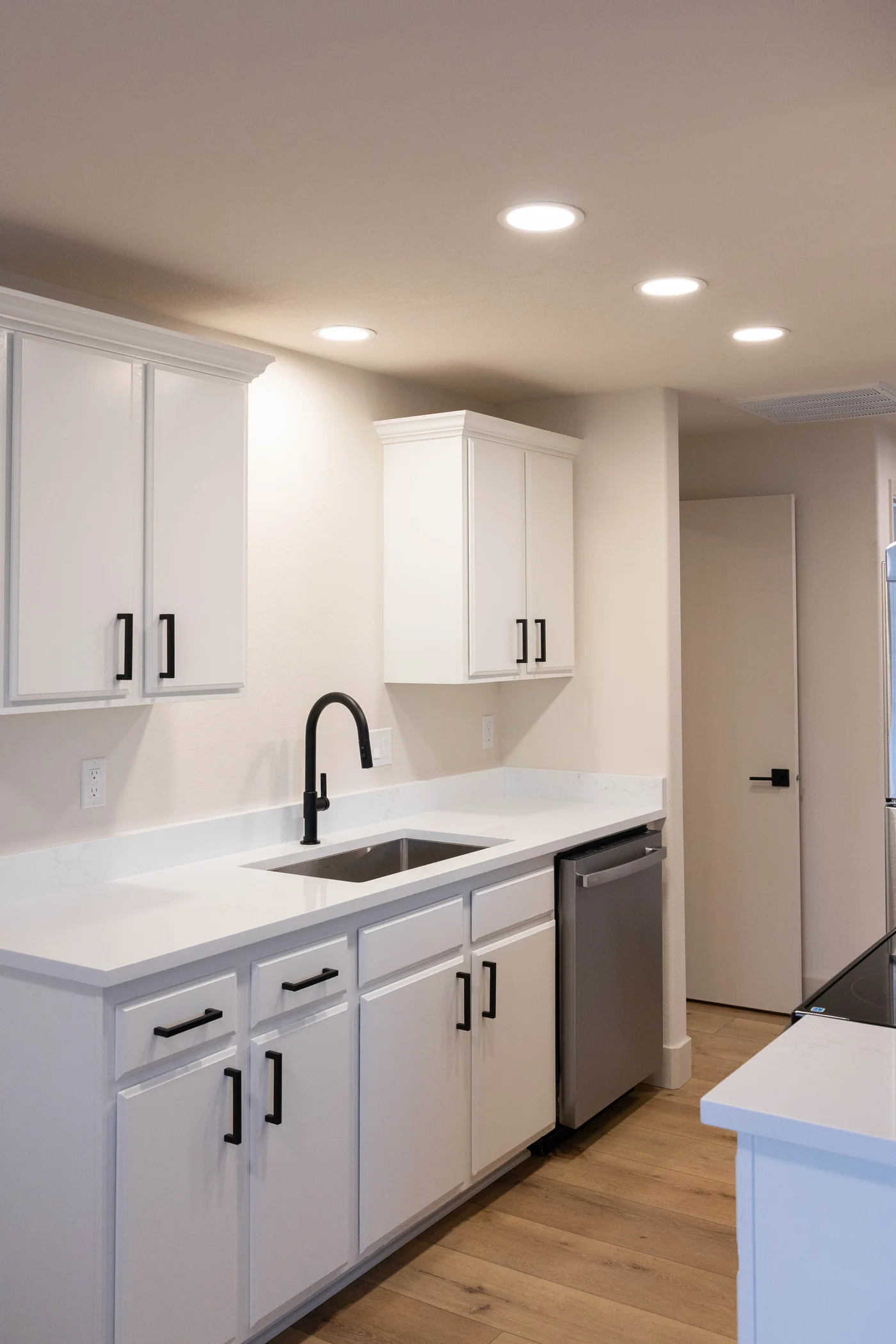
Once the soot is gone and the odor is verified out, we manage the rebuild through licensed contractors. Drag the handle to compare a documented Robinson project.
“We hired Robinson Restoration after a boiler joint failed and leaked what we thought was a small amount of water in our laundry room, but turned out to be more serious than it appeared. They did a fantastic job from first contact to insurance claim approval.”
Randi Covin · Google Review
“We had a major sewer back up a couple of weeks ago, into the laundry room and downstairs bathroom. Panic! We were referred to Robinson Restoration and what a blessing. The whole crew has been wonderful.”
Lynn Dee King · Google Review
“One of the pipes in the shower burst and water damage got all over the roof in the kitchen. As new home owners we were very scared and panicked. We contacted Kelly Farmer from Robinson Restoration and believe me when I say I felt like more than half of my problem was solved.”
Nav Basra · Google Review
Fire is one of the most reliably covered perils in a homeowners policy, and a Ridgefield fire claim usually touches the dwelling, contents and additional living expenses at once. In Washington, you choose your restoration contractor. We photograph everything before cleanup starts, inventory contents room by room, write a line-item scope, and bill your carrier directly. You pay your deductible.
Subject to policy coverage and deductible. We handle the paperwork, photos, and adjuster calls.
Searching for fire damage restoration near me in Ridgefield gets you Robinson Restoration's Vancouver office, which treats the subdivisions east of the freeway as home ground. A person answers dispatch at any hour, the crew is on-site in 90 minutes or less with board-up material, extraction equipment and cameras, and the free inspection tells you what has to come out before anyone opens a wall.
The damage is an insurance claim. Fire is one of the most reliably covered perils, and the claim usually covers the dwelling, contents and living elsewhere during the work. A builder warranty is a separate contract about construction defects; whether it applies to whatever started the fire is between you, the builder and your adjuster, and it never holds up the cleanup. What helps both conversations is the record Robinson Restoration makes before anything is touched: photos of the origin area and every room.
No. Wiping smears wet smoke into the paint, and fans push soot into rooms it had not reached. Garage fires mostly leave wet smoke, the sticky kind, and it takes specific cleaning methods, not a household cleaner. The odor lives in the attic insulation, the duct runs and the charred framing, so until those are removed or cleaned, airing out the house ends nothing. Soot is also acidic and starts etching and staining within days, which is why the free inspection should happen this week, before you try a few things.
The whole affected area, and in a tight newer home that is usually most of the house. Fire and smoke damage restoration in a Ridgefield subdivision home starts with testing surfaces room by room to find where the soot settled, which in a garage fire tends to include the attic, the HVAC system, the closets above the garage and the upstairs ceilings. The burn area sets the rebuild; the smoke area sets the cleaning, and the second number is almost always bigger. Your scope lists both so the adjuster can see why.
Usually for part of it. Hydroxyl and ozone odor treatment runs while the space is unoccupied, and the demo and duct-cleaning stages are loud and dusty enough that most families with young kids choose a rental or relatives for those weeks. Additional living expenses are a normal part of a fire claim, so keep the receipts. Robinson Restoration schedules the unoccupied stages together where it can, and you get a plain answer on when the house is livable again as the schedule firms up.
Because smoke cleaning is a sequence, and each step waits on the last. Day one is securing and photographing. Week one is the written scope, the adjuster walk, the contents pack-out, demo to bare framing where the fire reached, and drying the firefighting water. Weeks two to four are surface, cavity and duct cleaning and the odor cycles, with testing last. Then the rebuild, run by the same project manager through vetted licensed contractors and sister companies on whatever permit and inspection schedule applies.
Most policies pay actual cash value first and release recoverable depreciation once the work is finished and invoiced. The claim usually has parts for the dwelling, other structures, contents and living expenses, each with its own paperwork: photos before cleaning, a contents inventory with ages and values, a line-item scope and the daily equipment logs. Robinson Restoration builds that file as the job runs and invoices your carrier directly; upgrades you choose are quoted separately.
Garage fire, smoke upstairs, insurance already on the phone? Get a free Ridgefield fire damage inspection today.
Licensed · Insured · IICRC Certified · Serving Washington & Oregon